How To Bow Hunt Field Edges
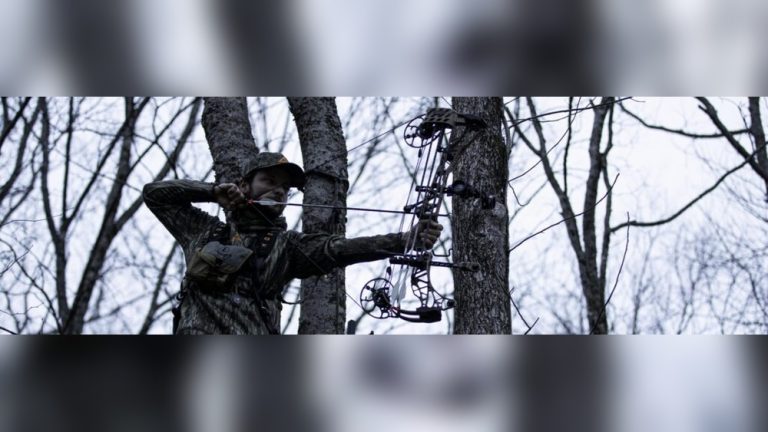
Bowhunting field edges is a time-honored tactic that combines the thrill of close encounters with the strategic mastery of wildlife behavior. For many archers, the allure of a well-placed stand along a field edge, where wooded cover meets open ground, promises both challenge and reward.
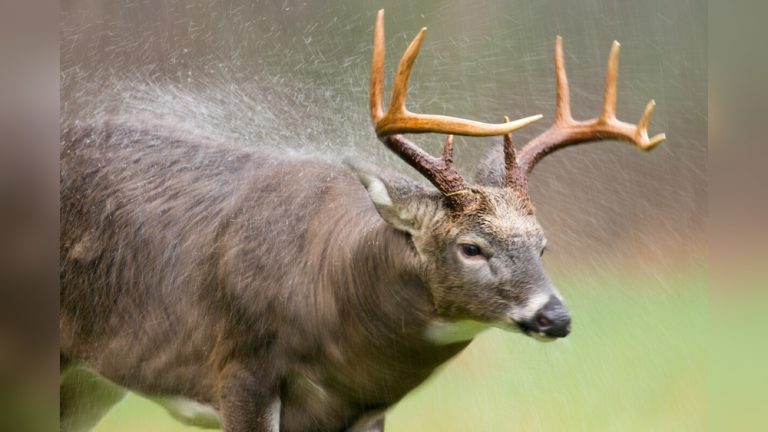
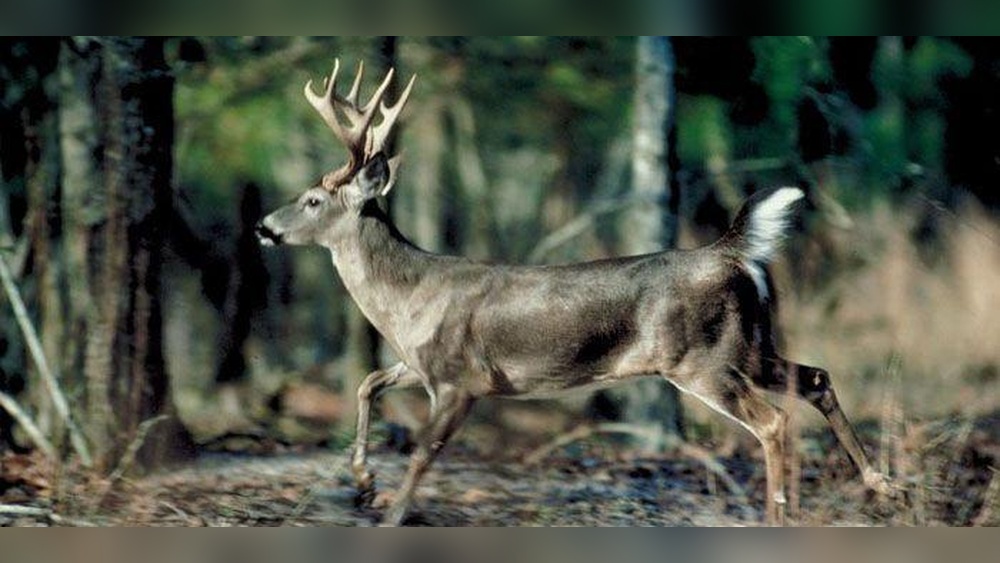
These transitional zones are wildlife highways, particularly for whitetails, offering food, cover, and the security of quick escape. Yet, hunting field edges successfully requires much more than hanging a stand and waiting for luck to strike.
To consistently harvest mature deer or other game along field edges, you must blend a deep understanding of animal habits, environmental variables, and precise execution. The nuances, such as wind currents, entry and exit strategies, and seasonal shifts, can mean the difference between a productive hunt and hours of fruitless waiting.
This comprehensive guide draws upon research, expert interviews, and practical field experience to provide bowhunters with actionable advice to maximize their success along field edges.
Key Takeaways
- Field edges are natural travel corridors for deer and other game, making them prime bowhunting locations.
- Stand placement, wind management, and stealthy access are crucial for consistent success on field edges.
- Seasonal changes, including food source rotation and rut activity, should shape your hunting strategies.
- Trail cameras and scouting provide critical intel on animal movement patterns along field boundaries.
- Adaptability and attention to detail separate successful field edge hunters from the rest.
Credit: www.grandviewoutdoors.com
Understanding Field Edges: Wildlife Behavior And Habitat Dynamics
Defining Field Edges And Their Ecological Role
Field edges are the transitional zones where two distinct habitats meet, typically open agricultural fields or meadows merging into woodland or brush. These edges create “ecotones,” which are rich in biodiversity and often act as natural funnels for wildlife movement. According to research published by the University of Georgia, deer utilize edge habitats more frequently due to abundant food and cover options (University of Georgia Ecotones).
Why Deer Favor Field Edges
Whitetails and other species gravitate to field edges for several reasons:
- Food accessibility: Crops like soybeans, corn, and alfalfa offer high-quality forage.
- Cover security: Proximity to woods enables quick escape from danger.
- Travel corridors: Edges serve as defined routes between bedding and feeding areas.
A study published in the *Journal of Wildlife Management* found that deer spent up to 60% more time in edge habitats during early fall evenings compared to interior forests, highlighting their preference for these locations during prime hunting hours.
Edge Effect: Predator And Prey Dynamics
The “edge effect” describes increased activity and diversity where habitats intersect. For bowhunters, this means not only more deer but also heightened alertness, as predators (including humans) are more likely to patrol these areas. Understanding this dynamic helps hunters anticipate deer behavior and adjust their strategies accordingly.

Credit: www.themeateater.com
Scouting And Interpreting Sign: Laying The Groundwork For Success
Effective Preseason Scouting
Success on field edges begins well before the season opens. Preseason scouting can involve:
- Glass field edges from a distance at dawn and dusk to observe feeding patterns.
- Walk edges after rain to spot fresh tracks and avoid leaving excessive scent.
- Mark key trails, scrapes, and rub lines using GPS or mapping apps.
In my experience, dedicating at least two or three evenings to glassing a field edge before hanging a stand has consistently revealed the most productive ambush sites.
Trail Cameras: Maximizing Intel
Deploying trail cameras along field edges provides invaluable, time-stamped data on deer movement. Focus on:
- Major entry/exit trails: Place cameras where deer consistently move between cover and field.
- Scrapes and licking branches: These are hotspots for mature bucks, especially during the pre-rut.
- Field corners or inside corners: Areas where field shapes create natural pinch points.
Pro Tip: Angle cameras facing north whenever possible to minimize sun glare and false triggers.
Interpreting Sign: What To Prioritize
Prioritize the following types of sign when choosing stand locations:
- Fresh tracks: Indicate current activity, especially when multiple sizes are present.
- Droppings and browse lines: Confirm feeding patterns along the edge.
- Rubs and scrapes: Sign of buck presence and rutting behavior.
Table: Key Field Edge Signs And Their Hunting Implications
| Sign | What It Indicates | Best Hunting Strategy |
|---|---|---|
| Fresh Tracks | Recent deer activity | Set up nearby; hunt soon |
| Scrapes | Buck territory marking, pre-rut/rut | Hunt during pre-rut/rut, especially at dawn/dusk |
| Rubs | Buck presence, travel routes | Locate travel corridors; set stand downwind |
| Droppings | Feeding or bedding nearby | Focus efforts in this area |

Credit: www.themeateater.com
Stand Placement: Strategies For Ambush And Concealment
Choosing The Right Tree Or Blind Location
Selecting the ideal stand or blind site is the single most critical decision for bowhunting field edges. Key considerations include:
- Prevailing wind direction: Always set up downwind of the expected deer movement.
- Concealment: Use natural cover or brush blinds to break up your outline.
- Shooting lanes: Trim minimal branches to ensure clear, ethical shot opportunities.
Edge Features: Maximizing Funnel Effects
Focus on unique features along the field edge that concentrate deer movement:
- Inside corners: Where the woods jut into the field, creating natural pinch points.
- Brushy fence lines: Offer cover and direct deer travel.
- Isolated trees: In open fields, these often attract deer movement within bow range.
Height And Angle Considerations
The height of your stand affects both visibility and scent dispersion. Most bowhunters prefer stands 15-20 feet above ground to remain above a deer’s line of sight and scent cone.
- Higher stands: Offer better scent control but can result in steeper shot angles.
- Lower stands: Provide easier shots but may risk being seen or winded.
Portable Vs. Permanent Stands
Portable stands (climbers, hang-ons) offer flexibility to adapt to changing deer patterns. Permanent stands may provide greater comfort but can become predictable to mature bucks.
Table: Stand Type Comparison For Field Edge Bowhunting
| Stand Type | Advantages | Drawbacks | Best Use Case |
|---|---|---|---|
| Climbing Stand | Mobility, easy relocation | Requires straight trees, noisy setup | Following shifting deer trails |
| Hang-On Stand | Versatile, can use crooked trees | More setup time | Permanent or semi-permanent setups |
| Ground Blind | Concealment at eye level, comfort | Limits visibility, scent control critical | Edges with sparse trees or for youth/novice hunters |
Wind, Thermals, And Scent Control: The Invisible Game Changers
Understanding Wind Currents Along Field Edges
Wind behavior at field edges is notoriously unpredictable. Open fields heat up and cool down faster than woods, causing shifting breezes and “swirling” currents where habitats meet.
- Prevailing winds: Study local weather history for typical patterns.
- Edge thermals: Mornings often have rising thermals, while evenings see cool air settling into low spots.
Using Wind To Your Advantage
Always hunt downwind of anticipated deer approach trails. Use wind-checking powder or lightweight streamers to monitor current direction before and during your sit.
Pro Tip: Carry multiple wind indicators and re-check every 30-60 minutes, as edge winds can change rapidly with temperature shifts.
Scent Control Regimen
Mature deer rely on their sense of smell more than any other defense mechanism. A comprehensive scent control routine should include:
- Showering with scent-free soap before each hunt.
- Washing clothes in non-UV, scent-free detergent and storing them in sealed containers.
- Spraying gear and boots with scent-eliminating sprays in the field.
- Avoiding strong foods, tobacco, or cologne on hunting days.
Entry And Exit Strategies
Your route to and from the stand can make or break a hunt. Always:
- Avoid crossing active deer trails or bedding cover.
- Use terrain features (ditches, creeks) to mask scent and sound.
- Leave as little ground disturbance as possible.
Example: One season, I changed my entry route to skirt a creek bed, which allowed me to remain undetected by a group of does that previously busted me on the approach. My sightings of mature bucks along that edge increased dramatically.
Seasonal Tactics: Adapting To Changing Patterns
Early Season (september, October)
Deer are in predictable patterns, feeding heavily on green crops and transitioning to acorns as they drop. Focus on:
- Field edges adjacent to bedding thickets
- Evening hunts as deer emerge to feed
- Minimal intrusion, avoid overhunting stands to prevent educating deer
Pre-rut And Rut (late October, November)
Bucks expand their range, seeking does and marking territory. Top strategies include:
- Hunting scrapes and rub lines along edges
- Midday hunts as bucks search for estrous does
- Using rattling and calling to draw rut-crazed bucks into bow range
Late Season (december, January)
Food scarcity drives deer back to fields, especially harvested corn or standing soybeans. Prioritize:
- Edges closest to remaining food sources
- Colder evenings when deer feed earlier
- Grouping does and targeting late rut activity
Table: Seasonal Deer Movement On Field Edges
| Season | Prime Times | Best Field Edge Features | Hunting Focus |
|---|---|---|---|
| Early Season | Evenings | Green crops, adjacent bedding | Food source patterns |
| Pre-Rut | Dawn, dusk, midday | Scrapes, rub lines | Buck activity, calling |
| Late Season | Evenings, cold fronts | Remaining crops, cover | Food scarcity, group patterns |
Real-world Examples: Case Studies In Field Edge Success
Case Study 1: Early Season Soybean Edge
A bowhunter in Iowa observed a group of does feeding on soybeans every evening but noticed a mature buck holding back in a shaded corner. By hanging a stand along a narrow funnel where the buck entered the field, he arrowed the buck on the second sit, demonstrating the value of stand placement based on detailed observation.
Case Study 2: Rut-time Inside Corner
In Ohio, a hunter set a hang-on stand on an inside corner where thick brush met an open alfalfa field. During peak rut, he witnessed multiple bucks cruising the edge, scent-checking for does. The setup allowed several close-range opportunities, underscoring the importance of using edge features to create natural pinch points.
Case Study 3: Late Season Corn Stubble
In Nebraska, a severe cold front pushed deer to feed early on standing corn. A ground blind placed along the edge, with careful attention to wind direction and entry route, produced a mature doe within bow range before sunset. This highlights the effectiveness of adapting tactics to food-driven late season movement.
Gear And Equipment Optimization For Field Edge Bowhunting
Choosing The Right Bow Setup
Field edges often require longer shots than dense woods, but close encounters are still common. Select a bow with:
- Quiet operation to avoid alerting wary deer
- Draw weight you can handle smoothly in awkward positions
- Quality broadheads for maximum penetration and accuracy
Clothing And Concealment Gear
Edge hunts may expose you to wind, sun, or sudden temperature changes. Essential gear includes:
- Layered, scent-free clothing for temperature regulation
- Camouflage patterns matching both field and woodland environments
- Face masks or paint and gloves to minimize exposed skin
Scent Control Products
Beyond sprays and detergents, consider ozone generators (for blinds), activated carbon clothing, and scent-absorbing bags for gear storage.
Essential Accessories
- Rangefinder: Essential for accurately judging distances across open fields.
- Binoculars: For glassing distant movement and confirming target ID.
- Safety harness: Non-negotiable in all treestand setups.
Advanced Tactics: Reading Subtle Cues And Making Adjustments
Micro-adjusting Stand Position
If deer skirt your stand just out of range, move your setup 10-20 yards closer to the heaviest trail. Minor tweaks can dramatically increase shot opportunities without over-pressuring the area.
Decoy Use On Field Edges
Deer decoys, especially during the rut, can lure curious bucks into bow range. Place decoys so that approaching deer are quartering toward you, maximizing shot angles.
Calling And Rattling
Use soft grunts, bleats, or light rattling along edges, particularly during the pre-rut and rut. Overcalling can spook wary deer, so moderate use is key.
Weather And Moon Phase Considerations
While the impact of the moon on deer movement is debated, many hunters notice increased edge activity during cold fronts or just after rain, when deer feel more secure moving in the open.
Example: After a passing storm, field edges often see a spike in feeding as deer take advantage of damp ground and new growth.
Ethics, Regulations, And Safety In Field Edge Bowhunting
Legal Considerations
Always check local hunting regulations, which may govern:
- Minimum distances from property lines or public roads
- Legal shooting hours
- Baiting or supplemental feeding restrictions
Refer to your state wildlife agency’s website for the most up-to-date rules and ethical guidelines.
Respecting Landowners And Neighbors
If you’re hunting private land, maintain open communication with landowners. Always:
- Obtain written permission
- Avoid damaging crops or fences
- Retrieve arrows and trash
Safety Protocols
With increased visibility along field edges, always:
- Wear blaze orange during gun seasons
- Double-check target identification
- Use a safety harness in treestands
Warning: Neglecting safety gear is the leading cause of treestand accidents, according to the National Bowhunter Education Foundation.
Frequently Asked Questions
How Do Moon Phases Affect Deer Movement Along Field Edges?
Some hunters believe that moon phases, especially a full moon, can shift deer movement to later in the evening or even after dark. However, research from the Mississippi State University Deer Lab shows that weather and hunting pressure have a more significant influence than lunar cycles.
While you can track moon phases, prioritize wind, temperature, and recent pressure when planning field edge hunts.
What Is The Ideal Wind Direction For A Field Edge Stand?
The ideal wind is one that is perpendicular to the field edge, carrying your scent away from both the field and the expected deer approach trails. If the wind is blowing directly from the field into the woods, you risk spooking deer before you even see them. Always use wind and terrain features to your advantage, and have backup stand locations for different wind conditions.
How Can I Avoid Over-pressuring Field Edge Stands?
Rotate stands and limit hunting the same edge more than two times per week. Use trail cameras to monitor activity, and only hunt when conditions are optimal (ideal wind, recent deer movement). Avoid entering your stand area during midday or in poor wind, as mature deer will quickly alter their patterns in response to human intrusion.
Is It Better To Hunt Mornings Or Evenings On Field Edges?
Evenings are generally more productive on field edges, especially in early and late seasons when deer move from bedding to feed. Morning hunts can work during the rut or if you can slip in undetected before first light. Focus on what your scouting reveals, as local conditions and pressure may override general guidelines.
Are There Specific Crops That Attract More Deer To Field Edges?
Yes, deer show strong preferences for certain crops, with soybeans, alfalfa, and standing corn ranking high for both nutrition and cover. According to the Quality Deer Management Association, soybeans provide a high-protein food source early in the season, while corn becomes a critical resource in late fall and winter.
Rotate your focus based on which crops are available and when.
Consistent success in bowhunting field edges is built on a foundation of observation, preparation, and adaptability. By understanding wildlife behavior, leveraging scouting and technology, and perfecting your approach to concealment and access, you can tip the odds in your favor. Stay ethical, prioritize safety, and continually refine your tactics, and you’ll find that the edge can be the most rewarding place to hunt. For more field edge ecology and advanced hunting strategies, see resources like the National Deer Association.