How To Adjust For Shooting A Bow From A Treestand
Archery from a treestand is a thrilling and highly effective method for hunting whitetail deer and other big game. Elevated shooting provides better visibility, helps conceal your movement, and increases your shooting lanes. However, shooting accurately from above introduces new challenges that even experienced ground shooters must respect.
Gravity changes arrow trajectory, angles affect penetration, and body mechanics shift dramatically. If you don’t adjust for these variables, you risk missed shots or, worse, wounded game.
Learning to adjust for shooting a bow from a treestand isn’t just about changing your aim, it’s about understanding physics, mastering technique, and practicing deliberately. Whether you’re a seasoned hunter or a bowhunting novice, this guide will equip you with data-driven advice, expert techniques, and real-world examples to maximize your accuracy and ethical success from the stand.
Key Takeaways
- Shooting from elevation changes arrow trajectory; always aim for the lower third of the target’s body.
- Proper harness use and stand placement are essential for both safety and shot opportunity.
- Practice at angles and distances you’ll face from your stand to build muscle memory.
- Rangefinders with angle compensation improve accuracy by calculating true horizontal distance.
- Understanding shot mechanics, like bending at the waist, prevents common misses.
- Ethical shot selection and clear shooting lanes reduce the risk of wounding game.

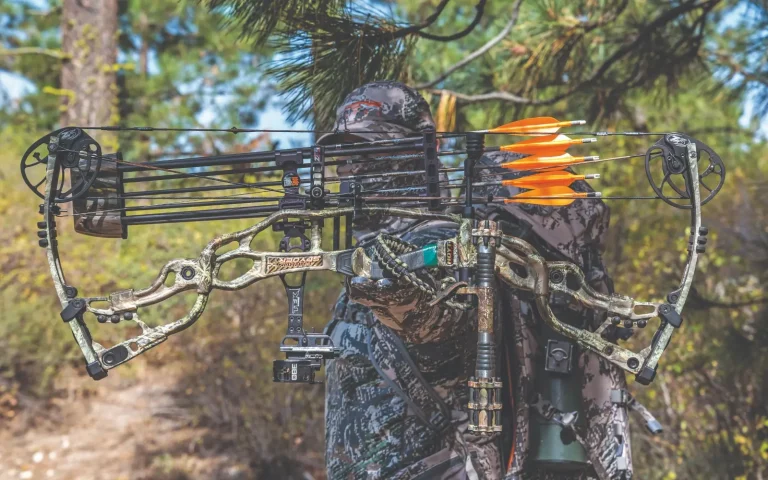
Credit: www.petersenshunting.com
The Physics Of Shooting From A Treestand
Understanding why arrows fly differently from a treestand is the foundation of accurate shooting. The effects of gravity, angle, and distance converge to alter your point of impact.
Gravity And Arrow Trajectory
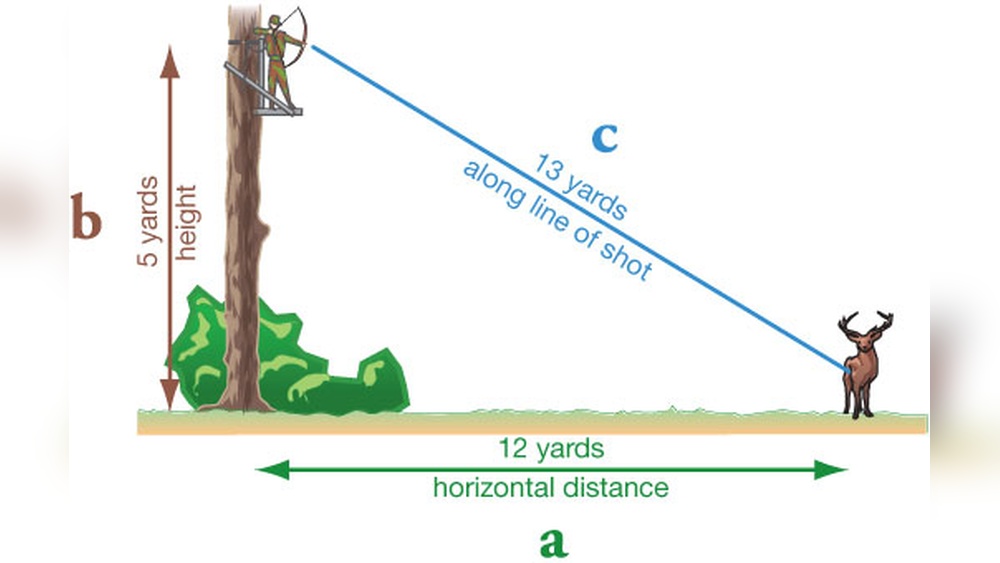
Shooting downward changes the arrow’s flight path. From an elevated position, gravity acts perpendicular to the ground, not along your line of sight. The actual distance the arrow travels horizontally is shorter than the line-of-sight distance.
- If you range a deer at 30 yards on flat ground, you hold your 30-yard pin.
- From 20 feet up, the true horizontal distance is less, even if your rangefinder reads 30 yards.
- This means the arrow will hit higher than expected unless you adjust.
The formula for true horizontal distance is:
Horizontal Distance = Line-of-Sight Distance x Cosine (Angle of Elevation)
Angle Compensation Technology
Modern rangefinders with angle compensation do this math for you. They measure the line-of-sight distance and the angle, outputting the true horizontal distance. This technology is crucial for treestand hunters.
Example:
A deer is 30 yards away at a 30° downward angle.
- Cosine(30°) = 0.866
- True horizontal distance = 30 x 0.866 ≈ 26 yards
- Hold for 26 yards, not 30.
Impact On Penetration And Wounding Risk
Steep angles reduce the effective vital area and can cause single-lung or non-lethal wounds if not executed carefully. Always aim for the lower third of the animal’s chest to maximize the chance of a double-lung shot.

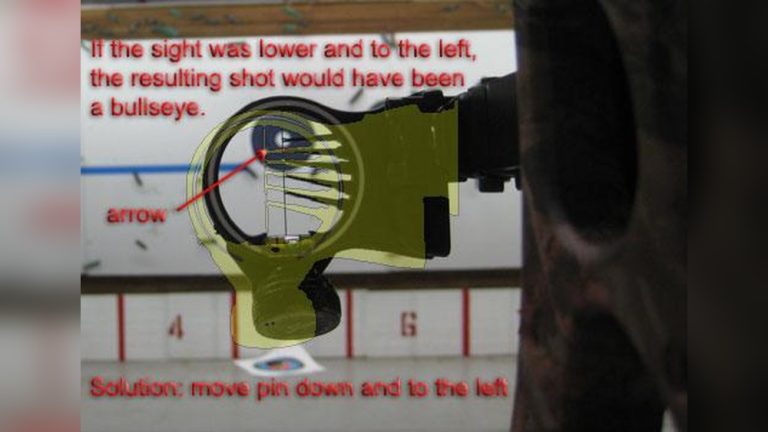
Credit: www.bowhunter.com
Stand Selection, Placement, And Setup
Choosing the right treestand and setting it up correctly is as important as shooting technique. Safety, comfort, and shot opportunity all start here.
Choosing The Right Treestand
There are several types of treestands, each with unique strengths:
| Type | Pros | Cons | Best For |
|---|---|---|---|
| Hang-on Stand | Lightweight, versatile, quiet | Requires climbing sticks, less comfortable | Mobile hunting, rough terrain |
| Ladder Stand | Stable, easy access, roomy | Heavy, less mobile | Permanent setups |
| Climbing Stand | Portable, quick setup | Requires straight trees, noisy setup | Public land, frequent moves |
Pro Tip: Match your stand to your hunting style and location. For heavily pressured public land, a lightweight hang-on may be best. For all-day sits, a ladder stand offers comfort.
Stand Height And Shooting Angles
Most bowhunters set stands 15, 25 feet above ground. Higher stands increase concealment but steepen shot angles, decreasing the vital zone. Lower stands provide better shot angles but less cover.
Example:
A 15-foot stand gives a 20, 25° shot angle on a deer 20 yards out. At 25 feet, that angle steepens to 35, 40°, increasing risk for poor shot placement.
Harnesses And Safety Gear
Always wear a full-body safety harness. According to the Tree Stand Safety Awareness Foundation, falls are the number one cause of hunting injuries. A lineman’s belt and lifeline add extra security during ascent, descent, and while in the stand.
- Inspect all gear before each hunt.
- Practice deploying your harness in a controlled environment.
Stand Orientation And Shooting Lanes
Place your stand with prevailing wind and expected deer travel routes in mind. Clear shooting lanes before the season, but avoid over-trimming, which can alert deer.
- Trim branches at varying heights and distances for multiple shot angles.
- Mark ranges from your stand using reflective tape or natural landmarks.

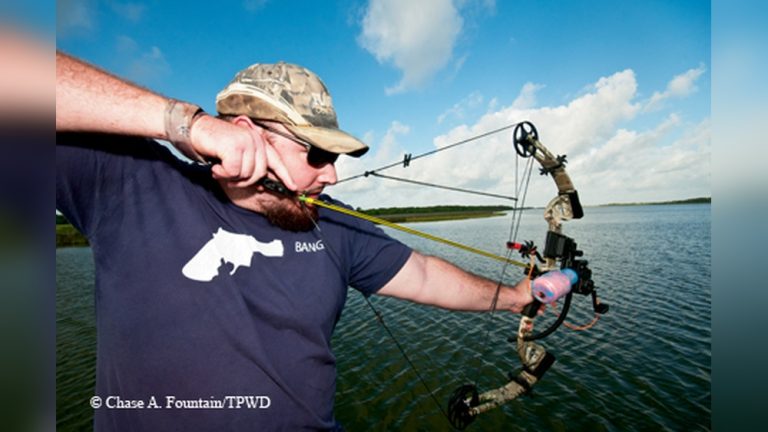
Credit: www.themeateater.com
Bow Setup And Equipment Adjustments
Your bow setup can make or break your accuracy from a treestand. Subtle tweaks to draw length, sight pins, and accessories improve consistency.
Sighting-in For Angled Shots
When sighting in your bow:
- Practice at the same angles and distances you’ll encounter from your stand.
- Use 3D targets at varying elevations.
- Adjust sight pins to account for typical shot distances (15, 35 yards).
Pro Tip: If your stand is 20 feet high and your average shot is 20 yards, sight in at 20 yards from a similar elevation.
Arrow And Broadhead Selection
Penetration is critical on angled shots.
- Use fixed-blade broadheads for reliable penetration.
- Select heavy arrows (8, 10 grains per pound of draw weight) for better kinetic energy.
| Arrow Weight | Kinetic Energy | Penetration | Best Use |
|---|---|---|---|
| 350, 400 gr | Low, Medium | Moderate | Deer, light game |
| 400, 500 gr | Medium, High | Excellent | Large deer, elk |
| 500+ gr | High | Maximum | Moose, dangerous game |
Rangefinders And Angle Compensation
As mentioned, a rangefinder with built-in angle compensation is invaluable. Not all models are created equal, compare specs before purchasing.
| Model | Angle Compensation | Max Range | Price |
|---|---|---|---|
| Leupold RX-FullDraw 5 | Yes | 1200 yards | $$$ |
| Bushnell Prime 1300 | Yes | 1300 yards | $$ |
| Vortex Impact 1000 | Yes | 1000 yards | $$ |
Quivers And Gear Access
Mount your quiver and gear where you can reach them quietly and efficiently from a seated or standing position. Practice retrieving arrows and accessories with minimal movement.
Shot Execution Techniques For Treestand Archery
Executing a shot from a treestand requires modified mechanics and a keen understanding of animal anatomy at angles.
Bending At The Waist
One of the most common mistakes is dropping the bow arm to lower the shot angle. Instead, maintain your T-form and bend at the waist to keep your anchor point consistent.
- Draw the bow level.
- Pivot at the waist to aim downward.
- Do not move your bow arm independently.
Example:
In my experience, practicing this technique at home with a target below a deck or platform dramatically improved my consistency and prevented high misses.
Aiming Point Adjustments
Aim for the lower third of the animal’s chest, especially on steep angles. This compensates for the reduced vital zone and increases your chances of a double-lung shot.
- On quartering-away shots, pick a spot that exits through the opposite front leg.
- Avoid straight-down shots unless you have a clear view of both lungs.
Drawing And Shooting Position
Practice drawing your bow seated and standing. Deer often appear when you least expect it, and a smooth, quiet draw is critical.
- Practice rotating your torso for different shot angles without excessive movement.
- Use a swivel seat if your stand allows.
Managing Adrenaline And Buck Fever
Shooting from elevation can amplify nerves. Develop a pre-shot routine:
- Control your breathing.
- Visualize the shot.
- Focus on your anchor point and follow through.
Pro Tip: Rehearse your routine during every practice session to make it automatic.
Practice Strategies For Treestand Accuracy
Consistent, realistic practice is the only way to master treestand shooting. Simulate hunting conditions to build muscle memory and confidence.
Simulated Treestand Practice
- Set up a practice stand or elevated platform.
- Use 3D targets at various distances and angles.
- Wear your harness and practice shooting with all gear.
Varying Distances And Angles
Change target positions to replicate real-world scenarios:
- Place targets 10, 35 yards from your stand.
- Shoot at broadside, quartering, and steep downward angles.
Shooting In Hunting Clothing
Practice in the same clothing, gloves, and harness you’ll wear in the field. Bulky jackets or harness straps can alter your draw and anchor point.
Example:
A bowhunter missed a shot at 18 yards because his jacket sleeve caught on the bowstring, a problem he’d never encountered in summer practice.
Recording And Reviewing Practice Sessions
Use a phone or camera to record your practice. Analyze your form, angle, and impact points to spot and correct errors.
Real-world Case Studies And Examples
Concrete examples help translate theory into practice. Here are three real-world scenarios illustrating treestand shooting adjustments.
Example 1: The High Miss
A hunter practicing on flat ground consistently drilled the bullseye at 25 yards. From a 20-foot treestand, his arrows sailed two inches high at the same distance. After switching to a rangefinder with angle compensation and practicing from elevation, his shots grouped tightly in the lower third of the target.
Example 2: Quartering-away Shot Gone Wrong
In a published survey by Bowhunter Magazine, 65% of misses from treestands occurred on quartering-away shots. The common error was aiming too far forward, resulting in single-lung wounds. After retraining to visualize the opposite leg, hunters improved recovery rates.
Example 3: Harness Saves A Life
According to the Tree Stand Safety Awareness Foundation, 82% of hunters who fell from treestands were not wearing a harness. One bowhunter slipped while climbing, but his harness and lifeline stopped his fall. He was able to self-rescue and hunt another day.
Ethics, Shot Selection, And Wounding Prevention
Ethical hunting means maximizing the chance of a quick, humane kill and minimizing suffering.
Choosing Ethical Shots
From a treestand, avoid:
- Steep, straight-down shots unless both lungs are visible.
- Sharp quartering-toward angles.
- Shots beyond your effective range or through heavy brush.
Prioritize broadside and quartering-away shots with a clear vital zone.
Understanding Animal Anatomy At Angles
Study 3D anatomy diagrams and models to understand how organs shift relative to your shooting position. The heart and lungs are higher in the chest from an elevated angle.
- Visualize the arrow’s path through the animal.
- Adjust your aiming point for the exit wound, not just the entry.
Passing Up Marginal Shots
It’s better to pass up a questionable shot than risk wounding an animal. Waiting for a clear, ethical shot is a mark of respect for the animal and the sport.
Tracking And Recovery
Steep-angled shots may produce unusual blood trails. Mark the spot of the shot, note the animal’s reaction, and wait before tracking.
Pro Tip: Use high-visibility fletching and lighted nocks to help locate your arrow after the shot.
Advanced Tips And Common Mistakes
After mastering the basics, refine your technique with these advanced tips and avoid common pitfalls.
Advanced Tips
- Silent Movement: Practice drawing and shifting position without noise. Pad your stand and bow with felt or rubber as needed.
- Weather Adaptation: Practice in rain, wind, and cold to mimic real hunting conditions.
- Second-Chance Arrows: Keep an arrow nocked and ready for a follow-up if your first shot doesn’t anchor the animal.
Common Mistakes
- Incorrect Range Estimation: Always use a rangefinder from the stand; ground estimates are often wrong from elevation.
- Dropping the Bow Arm: Leads to inconsistent anchor and high shots. Always bend at the waist.
- Shooting Too Steep: Shots inside 5 yards from a high stand are difficult to double-lung; wait for the animal to move out or pass.
When To Pass Or Wait
If the shot angle is extreme or the animal is alert, wait for a better opportunity. Rushed or forced shots often result in lost game.
Learning From Misses
Every miss is a learning opportunity. Analyze what went wrong, was it angle, range, nerves, or equipment? Adjust and improve for next time.
Frequently Asked Questions
What Is The Best Stand Height For Bowhunting With A Compound Bow?
The optimal stand height is typically 15, 20 feet above ground. This height offers a balance between concealment and manageable shot angles. Higher stands may provide more cover but increase the risk of steep shot angles, which can decrease the size of the vital zone and raise the chance of wounding. Evaluate your surroundings and select a height that provides both good shooting lanes and ethical shot opportunities.
Can I Use Mechanical Broadheads From A Treestand, Or Are Fixed-blades Better?
Both mechanical and fixed-blade broadheads can be effective, but fixed-blades are generally preferred for steep-angled treestand shots. Fixed-blades offer more reliable penetration, especially when bone or tough tissue is encountered at an angle. Mechanical broadheads may underperform if not deployed perfectly perpendicular to the animal. Always test your broadheads from the same elevation and angles you’ll hunt from.
How Do I Safely Climb Into And Out Of My Treestand With My Bow?
Always use a full-body safety harness and a lineman’s belt or lifeline while climbing. Attach your bow to a haul line and pull it up after you are securely in the stand and clipped to your harness. Never attempt to climb while carrying your bow, as this increases the risk of falling and injury. For a comprehensive guide, visit the Tree Stand Safety Awareness Foundation.
Why Do My Arrows Fly Differently From The Stand Compared To Ground Level?
From a treestand, the steep angle changes the true horizontal distance to your target, causing your arrows to hit higher if you use your regular ground-level sight pins. This is due to basic physics: the arrow’s horizontal travel is less than the line-of-sight distance. Use a rangefinder with angle compensation and practice from elevation to correct this issue.
What Should I Do If I Wound A Deer From A Treestand?
If you suspect a non-lethal hit, wait at least 30, 60 minutes before tracking. Mark the shot location and note the animal’s reaction and direction of travel. Contact local authorities if required by law, and follow up thoroughly to recover the animal. In case of poor hits, seek help from experienced trackers or blood-trailing dogs. For more on ethical recovery, see Quality Deer Management Association.
Shooting a bow from a treestand is a skill that blends science, ethics, and practice. By understanding the physics of angled shots, setting up your stand and equipment thoughtfully, and practicing with realism, you can increase your accuracy and confidence.
Remember, ethical hunting is about respect for wildlife and continual improvement. Stay safe, practice smart, and make every shot count.