Is 33 Bow Too Big for Treestand Hunting? Expert Insights
Hunting from a treestand is all about balance, between gear, movement, and staying silent. If you’re considering a 33-inch bow for treestand hunting, you might wonder: is it the right size, or will it just get in your way? Many hunters struggle with this decision, especially when tight spaces and limited movement can ruin a perfect shot. This guide dives deep into the real-world pros and cons of using a 33-inch bow for treestand hunting, with 33 focused points to help you choose wisely. You’ll find data-driven comparisons, practical advice, and a few things experienced hunters know that beginners often miss.
1. Maneuverability In Tight Spaces
A 33-inch bow is harder to move inside a small treestand. The longer the axle-to-axle length, the more likely the bow will bump against the stand’s rails or a nearby tree. In my experience, even a few extra inches can mean the difference between a clear shot and a missed opportunity.
2. Shooting Angles
Longer bows can make steep downward shots tricky. In tight stands, you’ll often need to shoot at sharp angles. A 33-inch bow may limit how far you can tip the bow without hitting obstacles.
3. Draw Length Comfort
A longer bow usually fits longer draw lengths better. If you have a long wingspan, a 33-inch bow may feel more stable and natural, especially when compared to shorter bows.
4. Bow Weight And Fatigue
Heavier bows can cause fatigue during long sits. Most 33-inch bows weigh more than shorter models, making them harder to hold steady, especially after hours on stand.
5. Bow Stability
Longer bows like a 33-inch model are often more stable when aiming. This can help accuracy, especially at longer distances. If accuracy is your top concern, this is a strong argument in favor.
6. Clearance From Branches
A long bow increases the chance of hitting branches above or beside the stand. Always check your shooting lanes and trim branches as needed before hunting with a larger bow.
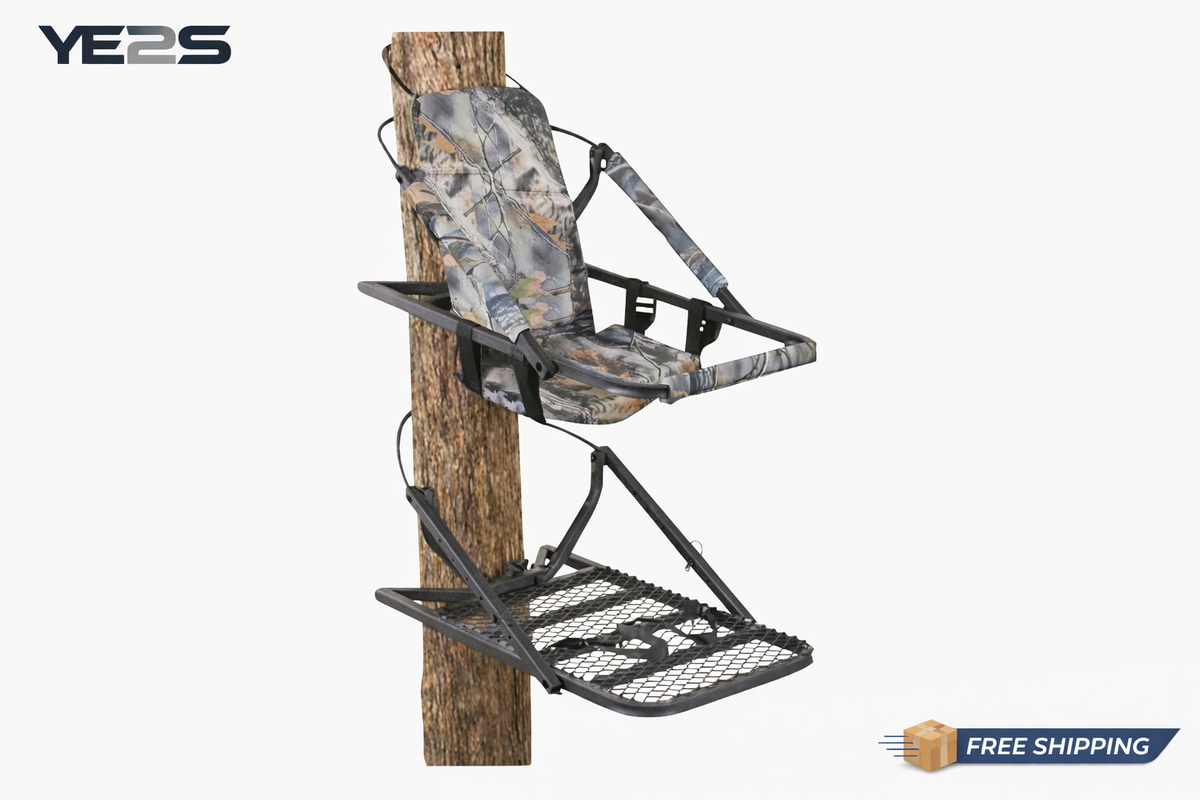
7. Stand Size
If your stand is small, a 33-inch bow might be too much. Large platform stands offer more room to maneuver, making a long bow more manageable.
8. Arrow Length And Fletching
Longer bows can accept longer arrows with bigger fletching, which can help with stability and accuracy. But in tight spaces, long arrows may snag more easily.
9. Noise And Vibration
Longer bows often produce less vibration and noise. This is crucial for not spooking deer, especially at close range.
10. String Angle And Anchor Point
A 33-inch bow provides a more forgiving string angle, making it easier to find a consistent anchor point, especially for taller hunters.
11. Bow Case And Transport
A longer bow requires a larger case and more careful transport. It can be awkward to carry up a tree, especially if you’re already hauling a lot of gear.
12. Setup Time In The Stand
Setting up a 33-inch bow can take longer, especially if you need to reposition or worry about hitting the stand’s frame. Practice drawing your bow in your stand before hunting.
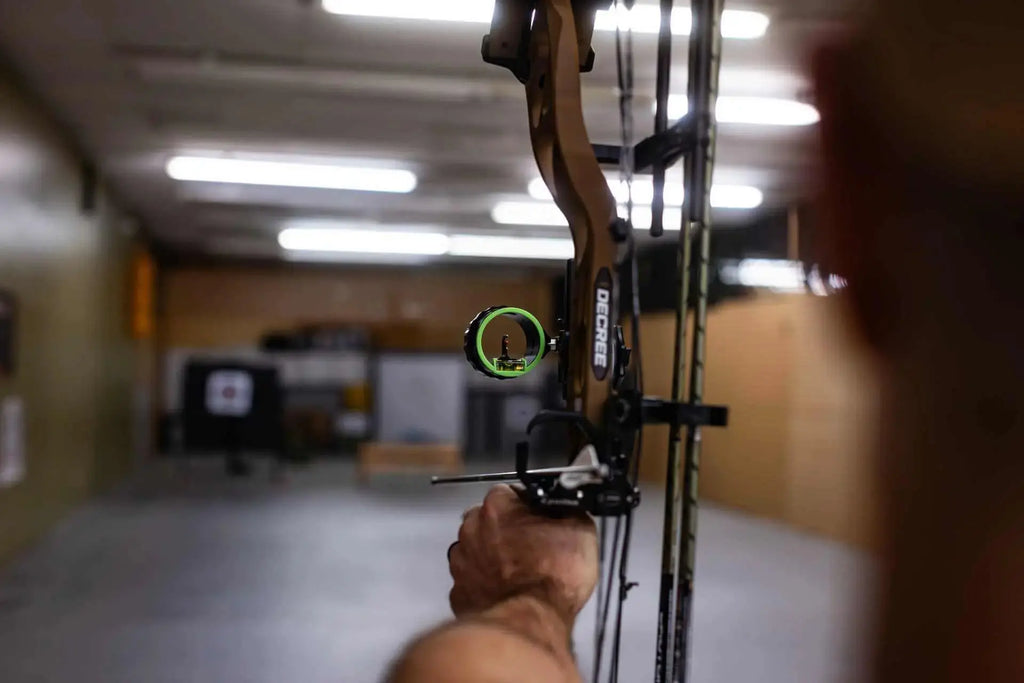
13. Shooting While Seated
Seated shots are common in treestands. With a 33-inch bow, drawing and shooting while seated is harder, since your knees and the stand’s rails can get in the way.
14. Bow Balance
Longer bows tend to be better balanced, reducing torque and making it easier to hold steady during the shot.
15. Limb Flex And Durability
Longer limbs flex more gradually, which can reduce stress and extend the bow’s life. This makes a 33-inch bow a solid choice for durability.
16. Practice And Familiarity
If you already shoot a 33-inch bow for target practice, switching to a shorter bow for hunting might hurt your accuracy. Consistency matters, so use what you’re best with.
17. Stand Height And Tree Size
Tall stands and thick trees give you more room for a longer bow. If you hunt low or in tight trees, a 33-inch bow may be too much.
18. Shooting Windows
A larger bow can limit your ability to shoot through small windows of branches or brush. Planning your shot lanes is even more important.
19. Weather Conditions
In wind or rain, a heavier, longer bow can be harder to manage. Shorter bows are easier to handle in poor weather.
20. Bowstring Contact
With longer bows, your clothing is less likely to catch the string, which can help with accuracy and safety.
Credit: extremeoutfitters.com
21. Customization Options
Many 33-inch bows support advanced accessories like longer stabilizers, which can help with accuracy, but they also increase the overall size.
22. Legal Restrictions
Some hunting areas have rules on bow length. Always check local regulations to make sure a 33-inch bow is allowed.
23. Price Differences
Longer bows are often more expensive due to extra materials and engineering. If you’re on a budget, consider if the benefits justify the cost.
24. Resale Value
Resale markets sometimes favor bows in the 30, 32 inch range. If you plan to sell your bow later, a 33-inch model might be harder to move.
25. Draw Cycle Smoothness
Longer bows like a 33-inch have a smoother draw cycle. This makes them more comfortable, especially for hunters with shoulder issues.
26. Sighting Systems
A longer bow gives more space for advanced sights and peep systems, which can help with accuracy at distance.
27. Cam System Performance
Some cam systems work better with longer axle-to-axle bows. If your bow’s cams are optimized for this length, performance will be best at 33 inches.
28. Shooting Style Preference
Some hunters simply prefer the feel of a longer bow. If you practice with one, you may feel more confident using it in the field.
29. Bow Torque And Forgiveness
A longer bow is less likely to torque, making it more forgiving of small mistakes. This can help prevent missed shots in stressful situations.
30. Youth And Smaller Hunters
A 33-inch bow can be too large for smaller hunters. Young or shorter hunters may struggle to use it safely and effectively in a treestand.
31. Bowhunting Traditions
Some hunting groups or mentors may recommend shorter bows out of tradition. While modern equipment is better than ever, sometimes local wisdom is worth considering.
32. Crosswind Handling
A longer bow can catch more wind, especially if your stand is high and exposed. This can make it harder to hold steady on windy days.
33. Personal Confidence
Ultimately, the best bow is the one you feel most confident shooting. If you believe in your 33-inch bow, you’ll hunt better, even from a treestand.
Comparing Bow Lengths For Treestand Hunting
To help visualize the differences, here’s a quick comparison of common bow sizes and their strengths for treestand hunting:
| Bow Length | Maneuverability | Accuracy | Recommended Use |
|---|---|---|---|
| 28, 30 inches | Excellent | Good | Small stands, tight trees |
| 31, 32 inches | Very Good | Very Good | Most treestands |
| 33 inches | Average | Excellent | Large stands, longer shots |
Credit: www.ebay.com
Real-world Example: 33-inch Bow Vs 30-inch Bow
When I compared a 33-inch bow to a 30-inch bow in a two-man ladder stand, I found it much easier to move and shoot quickly with the shorter bow. However, on open platforms or ground blinds, the 33-inch bow felt more stable and accurate. This matches what many hunters report: space and shot distance matter just as much as bow size.
Common Mistakes When Choosing Bow Size
- Ignoring stand size: Measure your platform and practice drawing your bow before hunting.
- Overlooking shooting lanes: Trim branches and check angles with your bow in hand.
- Focusing only on specs: Try different bows to see what fits your style, not just the numbers.
How Bow Length Affects Your Shot
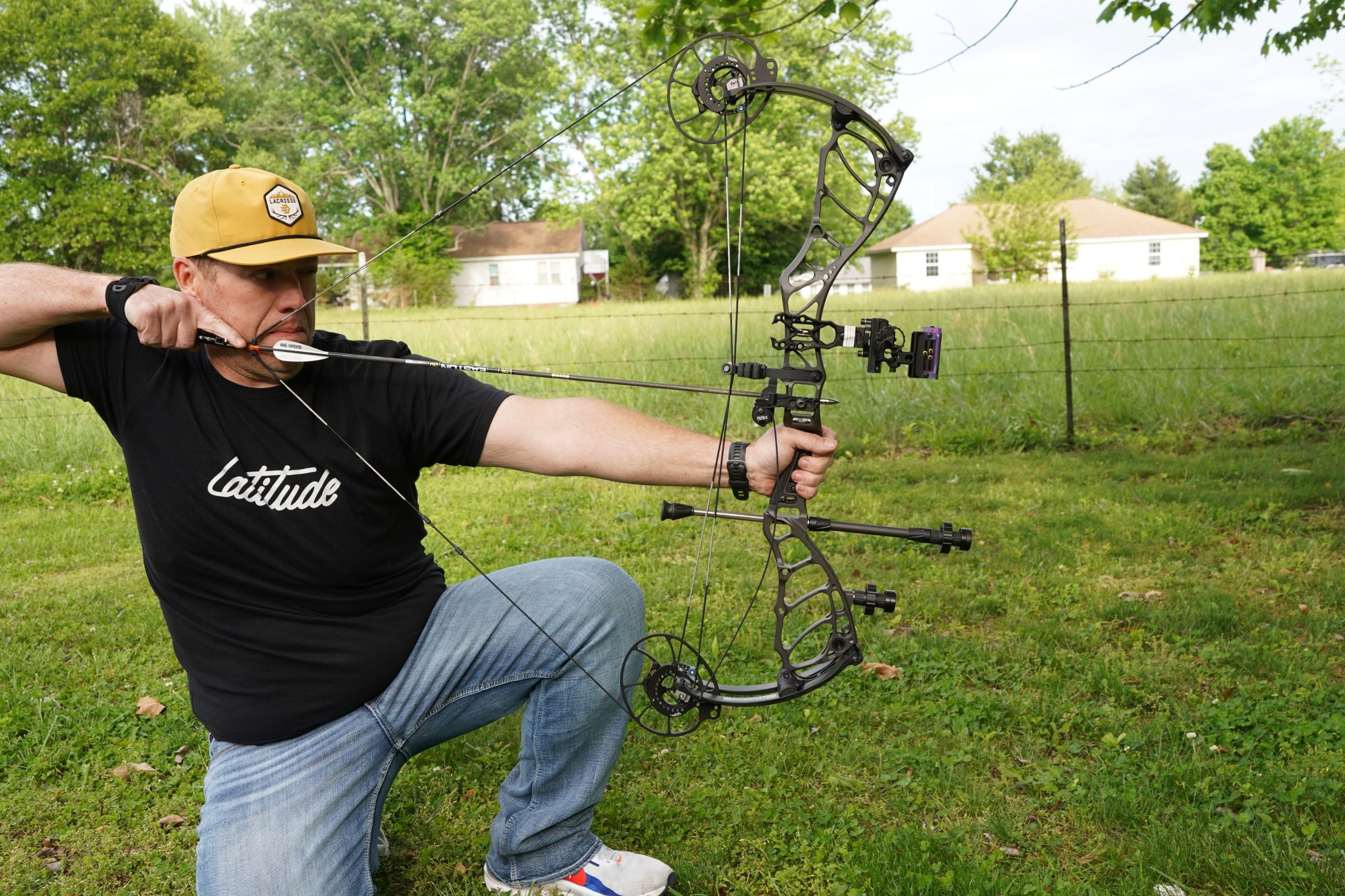
A longer bow like a 33-inch model changes how you shoot:
- More stable hold: Easier to keep steady, but requires more room.
- Smoother draw: More comfortable, but can be slower in tight quarters.
- Longer sight radius: Helps with aiming, but makes short shots a bit more challenging in cramped stands.
Table: Bow Features That Matter Most In A Treestand
| Feature | Why It Matters |
|---|---|
| Axle-to-Axle Length | Impacts maneuverability and stability |
| Draw Weight | Higher weights may cause fatigue in long sits |
| Brace Height | Shorter brace heights are less forgiving |
| Bow Weight | Heavier bows can be tiring to hold |
| Noise Level | Quiet bows spook less game |
Should You Use A 33-inch Bow From A Treestand?
The answer depends on your hunting style, stand size, and personal preferences. If you value accuracy and stability and use a large stand, a 33-inch bow can be a great choice. But if you hunt from small, tight stands or need to move quickly, a shorter bow may serve you better.
Pro Tip: Always practice with your bow in your actual stand setup before the season starts. This will reveal any clearance problems or awkward movements that only show up in real conditions.
Key Insights Most Beginners Miss
- Practice in the stand: Many hunters only shoot on the ground. Practicing in your stand reveals real-world problems.
- Check your gear load: A longer bow is one more item to manage when climbing, especially if you use a safety harness and haul rope.
Credit: nabowhunter.com
Final Thoughts
Choosing a 33-inch bow for treestand hunting is a personal decision. Consider your stand’s size, your draw length, the accuracy you want, and how comfortable you are moving in tight spaces. There’s no perfect answer, but now you have a clear view of what matters most.
If you want to dig deeper into bow sizes and their uses, visit the Wikipedia Compound Bow page for more background.
Frequently Asked Questions
Is A 33-inch Bow Too Big For Saddle Hunting?
For saddle hunting, which often involves even tighter spaces and more movement around the tree, a 33-inch bow is generally considered too long. Most saddle hunters prefer bows between 28 and 31 inches for better maneuverability.
Can A 33-inch Bow Be Used Effectively In Ground Blinds?
While a 33-inch bow can work in larger ground blinds, it may be challenging in compact blinds with limited shooting windows. If you hunt from both treestands and blinds, consider a shorter bow for versatility.
What Is The Ideal Axle-to-axle Length For Beginner Treestand Hunters?
Most experts recommend an axle-to-axle length between 30 and 32 inches for new treestand hunters. This range offers a good balance of maneuverability and accuracy without the limitations of a longer bow.
Are There Specific Bow Models That Excel At 33 Inches For Treestands?
Some models are designed with slim limb profiles and compact cams, making them easier to handle even at 33 inches. Look for bows with parallel limbs and lightweight materials to reduce bulk and improve movement in the stand.
How Do I Safely Carry A 33-inch Bow Up To My Treestand?
Use a sturdy haul line attached to your bow’s riser, not the string or cams. Always climb with both hands free and haul your bow up after you are safely harnessed in. Make sure the bow case or limbs won’t catch on branches or stand rails during the ascent.