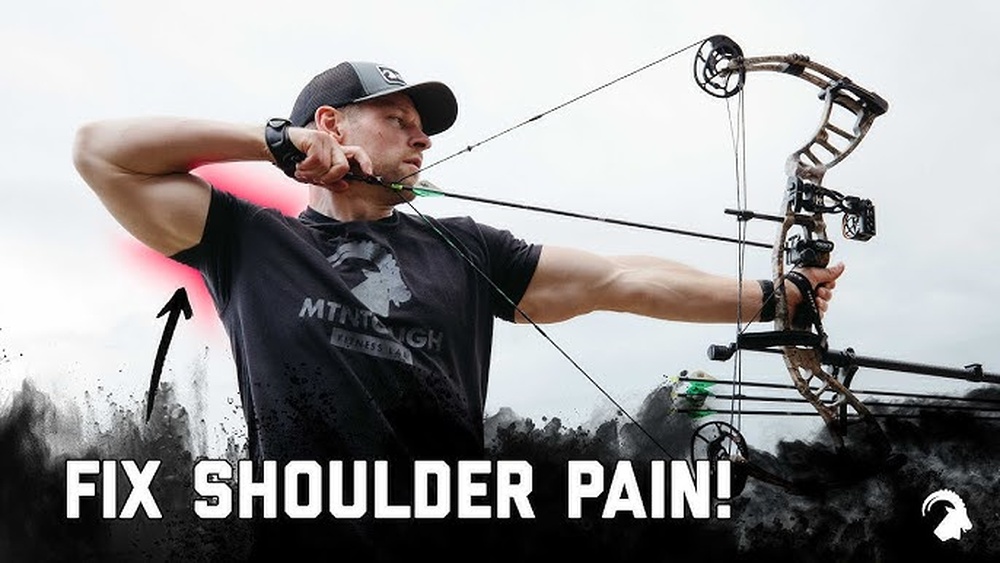
Is Bow Shooting Bad for a Bad Shoulder? Expert Insights Explained
Many people discover the joy of archery for sport, hunting, or pure relaxation. But for those with a bad shoulder, the question is unavoidable: Is bow shooting dangerous, or can it even help recovery? If you’re dealing with shoulder pain, instability, or past injuries, you need clear, honest answers before picking up a bow. This guide explains the risks, the science, and practical advice for safe archery, all in everyday language.
What Happens To The Shoulder When Shooting A Bow?
Archery looks simple, but your shoulder joint does a complex job. When you draw a bow, your shoulder muscles, tendons, and ligaments must work together. For people with a healthy shoulder, these movements build strength and coordination. But if you already have a bad shoulder, from a rotator cuff tear, tendonitis, or instability, the stress can cause pain or even new injuries.
When you pull the string, the main shoulder muscles used are:
- Rotator cuff: Stabilizes and rotates your arm
- Deltoids: Lifts and moves the arm
- Trapezius and rhomboids: Help pull back and hold the bow steady
- Biceps and triceps: Support the draw and release
The draw weight (how hard it is to pull the bowstring) puts extra load on these muscles. If your shoulder is weak or damaged, even a light bow can feel heavy and risky.
Example: Drawing A 40-pound Bow
Suppose you have mild shoulder pain and you try a 40-pound recurve bow. At full draw, your shoulder muscles must keep the joint centered and stable. If the rotator cuff is inflamed, this strain can worsen the pain, or even lead to a tear. That’s why people with shoulder issues need to be careful with both weight and technique.
Common Shoulder Injuries From Archery
Not every shoulder pain means you must stop archery forever. But you need to understand what problems are common, and which need caution.
Rotator Cuff Tears
The rotator cuff is a group of four muscles that stabilize your shoulder. Archery can overstress these, especially if you shoot often or use poor form. Symptoms include:
- Sharp pain when drawing or releasing
- Weakness lifting the arm
- Clicking or popping sounds
Partial tears can heal with rest and therapy, but full tears often need surgery.
Tendonitis
Shoulder tendonitis is inflammation from overuse. In archery, it often starts as a dull ache and gets worse with more shooting. Ignoring this can lead to chronic pain or tears.
Shoulder Impingement
This happens when the rotator cuff tendons get pinched by the shoulder bones. Symptoms are:
- Pain when raising the arm
- Stiffness after shooting
- Weak grip or fatigue
Instability And Dislocation
If you have a history of shoulder dislocation or looseness, drawing a bow can make things worse. Sudden jerks or releasing with poor form can cause the joint to slip out of place.
Comparison: Healthy Vs. Injured Shoulder In Archery
Here’s how archery affects shoulders with and without injury:
| Factor | Healthy Shoulder | Bad Shoulder |
|---|---|---|
| Draw Weight Tolerance | Can handle higher weights with good technique | Limited; pain or injury possible even at low weights |
| Fatigue Level | Low after moderate shooting | High; quick fatigue or soreness |
| Risk of Injury | Low if warmed up and trained | High, especially with poor form |
| Recovery Time | Normal (12-24 hrs for muscle soreness) | Extended; may need days or weeks |

Credit: totalpursuitpt.com
Is Bow Shooting Always Bad For A Bad Shoulder?
The answer isn’t simple. For some people, bow shooting may actually help recover strength and stability, with the right plan and supervision. For others, it can make shoulder problems worse.
When Shooting Is Risky
- Recent surgery or severe injury
- Ongoing sharp pain
- Unstable or “loose” shoulder
- Swelling or obvious weakness
If you have any of these, you should avoid archery until cleared by a doctor or physical therapist.
When Shooting May Be Safe
- Old injuries that are fully healed
- Mild tendonitis that responds to rest and rehab
- Good shoulder stability (no popping, locking, or slipping)
- Doctor or therapist approval
Even in these cases, you must start with very light draw weights and perfect your form.
Example: Physical Therapy Approach
Some physical therapists use light archery exercises to help patients regain shoulder strength. This usually starts with a 10-15 pound training bow, using careful supervision and limited repetitions. The focus is on smooth, pain-free motion, never pushing through discomfort.
Key Factors To Consider Before Shooting
Before you pick up a bow with a bad shoulder, consider these factors:
1. Draw Weight
The draw weight is the most important variable. A heavy bow puts much more strain on the shoulder. Beginners or people with injuries should use the lowest possible weight.
2. Bow Type
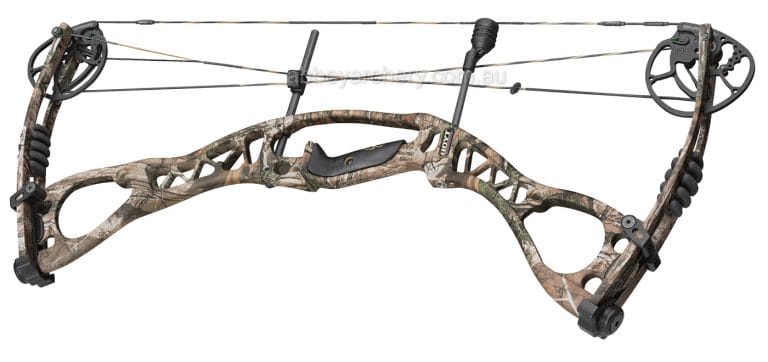
Some bows are easier on the shoulder. For example, compound bows have let-off, which means the force required to hold the string at full draw is much less than the initial pull. Recurve and longbows do not have this feature.
3. Grip And Stance
A poor grip or twisted stance can cause uneven stress. Learning correct technique reduces the load on weak parts of the shoulder.
4. Frequency And Volume
Shooting hundreds of arrows in a session is risky for a bad shoulder. Keep sessions short and take long breaks between shots.
5. Warm-up And Stretching
A simple warm-up can lower injury risk. Use shoulder circles, arm swings, and gentle stretches before picking up the bow.
6. Medical Clearance
If you’ve had surgery or serious injury, always get a doctor’s sign-off before returning to archery.
How To Make Bow Shooting Safer For A Bad Shoulder
You can reduce risk with smart choices and habits.
Use The Right Equipment
- Light draw weight: Start with 10-15 pounds if possible.
- Compound bow: Consider this for its let-off and smoother draw.
- Finger or wrist release aid: Reduces stress on the shoulder by making the release smoother.
Learn Proper Technique
Take lessons from a certified instructor. They can correct bad habits that put extra strain on the shoulder.
Build Strength And Flexibility
Do exercises that target the rotator cuff, deltoids, and upper back. Examples include:
- External rotation with resistance band
- Wall push-ups
- Scapular squeezes
Control Your Shooting Volume
Set a limit for arrows per session. For example, shoot 10 arrows, then rest for 10 minutes.
Monitor Your Symptoms
Track pain, fatigue, and range of motion. If pain increases or lasts longer than 24 hours, rest and consult a professional.
Example: My Own Experience
After a mild rotator cuff injury, use a 12-pound training bow and focus on perfect form. Shoot only 8 arrows per session and rest for two days between sessions. Less pain and better control may occur after a few weeks if limits are respected and shooting stops at the first sign of discomfort.
What The Research Says
Medical studies on archery and shoulder injuries are limited, but some patterns are clear:
- Overuse injuries are common in archers, especially in the rotator cuff and biceps tendon.
- Proper technique and lower draw weight reduce injury risk.
- Shoulder rehabilitation often includes exercises similar to drawing a bow, but at much lower intensity and with supervision.
A review from the British Journal of Sports Medicine found that athletes with good shoulder flexibility and strength have fewer injuries, regardless of the sport (British Journal of Sports Medicine). Archery is no exception.

Credit: understandingarchery.wordpress.com
Comparison Of Bow Types For Shoulder Safety
Here’s how different bow types affect the shoulder for people with past injuries:
| Bow Type | Shoulder Load | Pros | Cons |
|---|---|---|---|
| Compound | Lowest (due to let-off) | Easier hold, more adjustable | Heavier, more complex |
| Recurve | Medium to High | Simpler design, lighter | No let-off, harder to hold at full draw |
| Longbow | High | Traditional feel | Most strain on shoulder |
Warning: Common Mistakes That Worsen Shoulder Pain
Many archers, even experienced ones, make mistakes that cause or worsen injuries. Be careful to avoid these:
- Ignoring pain: Shooting through pain can turn a small problem into a long-term injury.
- Skipping warm-ups: Cold muscles are easier to injure.
- Jumping to heavy bows: Always start light, even if you used heavy bows before your injury.
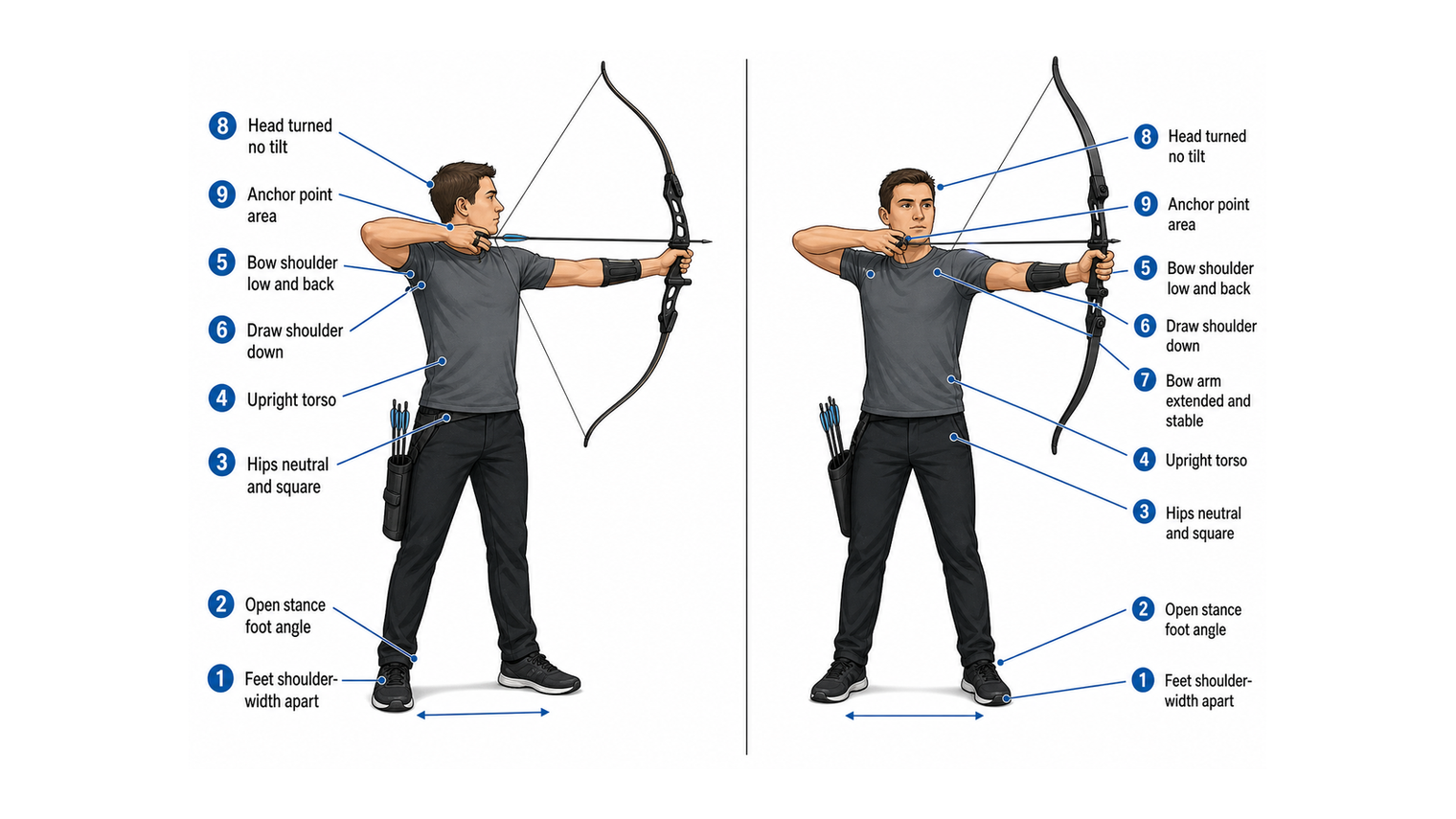
- Bad posture: Slouching or twisting the body transfers stress to weak areas.
- Poor follow-through: Dropping your arm or twisting at release can cause jerks and strains.
Pro Tip: Video yourself shooting or ask a coach to watch your form. Small changes can make a big difference in safety.
Credit: legendarchery.com
When To Stop Shooting And Seek Help
Some symptoms mean you should stop shooting immediately and see a doctor or physical therapist:
- Sudden sharp pain during or after shooting
- Swelling, bruising, or loss of motion
- Weakness or numbness in the arm or hand
- Shoulder feels unstable, “slips,” or locks
Shoulder injuries can get worse quickly if ignored. A specialist can diagnose the problem and suggest the right treatment plan. Never try to “tough it out” with a bad shoulder.
Rehabilitation And Recovery: Can Archery Help?
In some cases, archery can be a part of shoulder rehab. Under supervision, drawing a very light bow can help strengthen muscles and improve coordination. But this should only be done with professional guidance.
Example: Physical Therapy Protocol
A common rehab plan might include:
- Using a 10-pound bow with rubber bands instead of a string for resistance
- Practicing slow, controlled draws with perfect form
- Shooting only 5-10 times per session, with days of rest in between
- Gradually increasing weight only if there’s no pain or swelling
Always consult a certified physical therapist before using archery as rehab.
Alternatives To Bow Shooting For Bad Shoulders
If your shoulder isn’t ready for archery, try these alternatives to build strength and stability:
- Theraband exercises: Elastic bands for gentle resistance
- Swimming: Builds full range of motion without impact
- Pilates or yoga: Focuses on flexibility and control
- Light weight training: Supervised by a trainer or therapist
These activities can prepare your shoulder for a safe return to archery.
Is There Ever A Time To Quit Archery For Good?
For some people, chronic shoulder problems mean giving up archery is safest. If you’ve had repeated surgeries, constant pain, or severe instability, continuing to shoot could lead to permanent damage.
Warning: For anyone with advanced arthritis, nerve problems, or repeated dislocations, continuing archery can lead to loss of function. Always follow your doctor’s advice.
Real-world Stories: When Archery Helped Or Hurt
Many archers with past injuries have returned to the sport, but only after careful rehab and with strict limits. For example, Olympic archer Brady Ellison has spoken publicly about overcoming shoulder pain through targeted therapy and adjusting his technique.
But not every story ends well. Some amateur archers develop chronic tendonitis or tears after ignoring early pain or trying to “push through” with heavy bows. The difference is almost always in how careful they are with weight, volume, and form.
Practical Steps For A Safe Return
If you’re ready to try archery after a shoulder injury, here’s a step-by-step plan:
- Get medical clearance from your doctor or therapist.
- Start with the lowest draw weight possible (10-15 lbs).
- Take lessons from a certified instructor focused on injury prevention.
- Warm up thoroughly before every session.
- Shoot only a few arrows per session, with long rests.
- Track symptoms daily; stop at the first sign of pain.
- Increase draw weight only if you stay pain-free for several weeks.
Useful Resources And Where To Get Help
If you’re serious about archery with a bad shoulder, connect with:
- Local archery clubs: Many have instructors experienced with injury rehab.
- Physical therapists: Especially those who work with athletes or archers.
- Online forums: Communities like ArcheryTalk can offer advice, but remember to check all advice with a medical professional.
For more on shoulder injuries and sports, see the American Academy of Orthopaedic Surgeons (AAOS).
Frequently Asked Questions
Can I Shoot A Bow If I Have Had Shoulder Surgery?
If you’ve had shoulder surgery, you must get your doctor’s approval before returning to archery. Many people can shoot again after full recovery, but this often takes months of physical therapy. Start with very light weights and watch for pain or swelling. Using a bow too soon can damage the surgical repair.
Are Compound Bows Safer For Bad Shoulders Than Recurve Or Longbows?
Yes, compound bows are generally safer for bad shoulders because they have a “let-off” feature. This means less force is needed to hold the string at full draw, reducing stress on the shoulder. However, even with a compound bow, poor form or too much weight can still cause injury.
What Warning Signs Mean I Should Stop Shooting Immediately?
Stop shooting if you feel **sharp pain, sudden weakness, numbness,