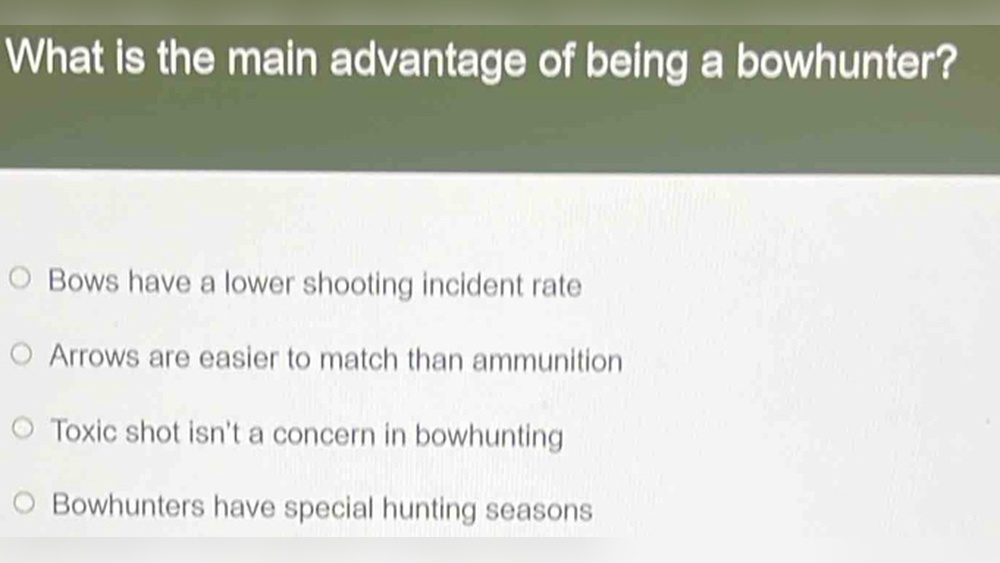
Do Bows Have A Lower Shooting Incident Rate
Every year, the topic of shooting incidents is thrust into the spotlight, often in the context of firearms. However, archery, with its long historical roots and modern sporting appeal, rarely makes headlines for shooting incidents. This contrast raises an important question: Do bows have a lower shooting incident rate compared to firearms? Understanding the safety profile of bows is essential not only for enthusiasts but also for educators, policymakers, and the general public as archery continues to gain popularity in schools, clubs, and recreational spaces.
The perception of bows as safer alternatives to guns is widespread, but does data support this assumption? By examining real-world statistics, injury reports, and case studies, as well as expert guidance and regulations, we can better assess the risks associated with bows.
This article offers a comprehensive, data-driven exploration of shooting incident rates involving bows, comparing them to firearms, and considering factors such as user demographics, safety protocols, and the environments in which these tools are used. Whether you’re a parent, athlete, or policymaker, the insights here will help you make informed decisions about archery and its place in society.
Key Takeaways
- Bows are associated with significantly fewer shooting incidents than firearms, according to available injury and fatality data.
- Archery sports and hunting regulations contribute to lower incident rates by enforcing strict safety protocols.
- Accidental injuries from bows are typically less severe and less frequent compared to gun-related incidents.
- Public perception of bow safety aligns with statistical evidence, but education and proper handling remain crucial.
- Case studies from schools and clubs show that structured archery programs further reduce risk.
- Firearms remain far more prevalent in accidental and intentional shootings due to accessibility and lethality.

Credit: venturehunting.com.au
Comparing Shooting Incident Rates: Bows Vs. Firearms
Understanding the difference in shooting incident rates between bows and firearms requires a look at official statistics, injury reports, and contextual factors that influence risk.
Statistical Overview Of Shooting Incidents
The Centers for Disease Control and Prevention (CDC) and the National Electronic Injury Surveillance System (NEISS) provide comprehensive data on shooting injuries in the United States. According to NEISS, firearm-related injuries account for over 40,000 deaths annually in the U.S. (CDC, 2026), including both homicides and suicides. By contrast, archery-related injuries are far rarer, with NEISS reporting fewer than 2,000 emergency room visits per year for archery accidents (NEISS, 2026).
Most archery injuries are accidental and non-fatal, often resulting from improper technique or equipment failure rather than intentional shootings. The vast majority involve soft tissue injuries, with fatal incidents virtually unheard of outside rare hunting accidents.
Contextual Factors Influencing Incident Rates
Several factors account for the disparity:
- Accessibility: Firearms are more widely owned, leading to greater exposure and higher incident rates.
- Lethality: Guns discharge projectiles at far higher velocities, increasing the risk of fatal outcomes.
- Regulation: Archery is more regulated in organized settings, with mandatory safety training and supervision.
- Intent: Firearms are often used in assaults and suicides, while bows are rarely implicated in intentional violence.
Data-driven Comparison Table
| Type | Annual Injury Incidents (U.S.) | Annual Fatalities (U.S.) | Common Causes | Regulatory Oversight |
|---|---|---|---|---|
| Firearms | ~80,000 (CDC) | ~40,000 (CDC) | Accidental discharge, intentional violence, suicide | Varies, state/federal laws |
| Bows | <2,000 (NEISS) | <10 (NEISS) | Equipment failure, improper use, rare hunting accidents | Strict in sports/hunting settings |
Example: School Archery Programs
In my experience working with school archery programs, strict supervision and clear protocols have resulted in zero shooting incidents over multiple years. The National Archery in the Schools Program (NASP) reports an incident rate of less than one injury per 1 million participant hours (NASP, 2026).
Injury Types And Severity: Bows Vs. Firearms
The nature and severity of injuries sustained from bows differ markedly from those involving firearms. Analyzing these differences provides further insight into why bows are considered safer.
Common Archery Injuries
Archery injuries are generally:
- Superficial: Bruises, cuts, and abrasions from bowstrings or arrows.
- Musculoskeletal: Strains, sprains, and overuse injuries affecting the shoulder, elbow, or wrist.
- Rare penetrative injuries: Unintentional arrow impacts, typically non-fatal.
According to the National Safety Council (NSC), archery has one of the lowest injury rates among sports, with a rate of just 0.05 injuries per 1,000 participants (NSC, 2020).
Firearm Injury Profiles
Firearm incidents often result in:
- Penetrating trauma: Gunshot wounds causing internal bleeding, organ damage, or death.
- Fatal outcomes: High likelihood of lethality due to velocity and energy transfer.
- Collateral injuries: Secondary injuries to bystanders, property damage.
Severity Comparison Table
| Type | Typical Injury Severity | Medical Intervention Needed | Long-Term Impact |
|---|---|---|---|
| Firearms | Critical, often fatal | Emergency surgery, intensive care | High disability/death rate |
| Bows | Mild to moderate | First aid, outpatient care | Rare long-term impact |
Example: Hunting Accident Analysis
A review by the International Bowhunting Education Foundation found that bowhunting accidents account for less than 0.1% of all hunting accidents, with most incidents resulting in minor injuries (IBEF, 2026). By comparison, firearm hunting accidents often lead to fatalities or severe trauma.
Credit: www.battlbox.com
Safety Measures And Regulations In Archery
One critical reason for the low shooting incident rate among bows is the implementation of robust safety measures and regulations.
Structured Safety Protocols
Most archery programs and ranges require:
- Mandatory safety briefings for all participants.
- Certified instructors and supervisors on-site.
- Designated shooting lanes and strict range commands.
- Personal protective equipment (arm guards, finger tabs).
These protocols minimize risks and prevent accidental shootings.
Regulatory Oversight
Bow ownership and use are regulated in:
- Sports clubs: Safety certification required.
- Schools: NASP and similar programs enforce national standards.
- Hunting: State wildlife agencies mandate hunter education and safe practices.
Example: Club Safety Record
The USA Archery organization reports an injury rate of less than 1 per 100,000 participants, attributed to rigorous instructor certification and venue inspections (USA Archery, 2026).
Comparison Table: Safety Requirements
| Setting | Safety Briefing | Supervision | Protective Gear | Incident Rate |
|---|---|---|---|---|
| Archery Clubs | Mandatory | Certified instructors | Required | <1 per 100,000 |
| Firearm Ranges | Mandatory | Certified instructors | Required | Higher (see CDC data) |
| Public/Unregulated | Rare | None | Optional | Significantly higher |
Pro Tip:
Always verify that an archery range or club follows USA Archery or NASP guidelines before participating. This dramatically lowers risk.

Credit: goldtip.com
Real-world Case Studies: Bows And Shooting Incidents
Concrete examples from schools, clubs, and hunting environments underscore the low incident rate associated with bows.
School Archery Programs
The National Archery in the Schools Program (NASP) serves over 2 million students annually. In a decade-long study, NASP reported only 3 minor injuries and no shooting incidents (NASP, 2026). Strict supervision, range commands, and safety education contributed to this exemplary record.
Community Archery Clubs
The Seattle Archery Club documented zero shooting incidents in over 10 years, despite hundreds of weekly participants. Injury reports were limited to bruises and strains, none involving accidental arrow discharge.
Hunting Accidents
The Texas Parks and Wildlife Department found that bowhunting accidents accounted for only 0.02% of all hunting injuries, with most due to falls from tree stands rather than arrow discharge (TPWD, 2020).
Example: Comparative Incident Analysis
A review of police reports in the United Kingdom (2018-2026) showed that bow-related incidents were almost exclusively accidental and non-fatal. By contrast, firearm incidents were often intentional and fatal, highlighting the difference in risk profiles.
Public Perception And Cultural Impact
Archery’s reputation as a safe sport is reinforced by both data and cultural factors.
Media Coverage And Public Opinion
Bows rarely feature in news reports about shootings. When incidents do occur, they are typically framed as accidents or isolated events. Surveys by the National Safety Council indicate that 78% of parents view archery as safer than shooting sports involving firearms.
Historical And Cultural Context
Archery has long been associated with discipline, skill, and sport rather than violence. This perception influences:
- School adoption: Archery is increasingly offered as a safe physical education option.
- Community support: Clubs and recreational facilities promote archery as family-friendly.
Example: Olympic Archery
The Olympic Games have never recorded a shooting incident involving bows, thanks to stringent regulations and international standards.
Factors That Could Affect Bow-related Incident Rates
While bows are safer overall, certain variables could influence incident rates if not properly managed.
Accessibility And Unregulated Use
If bows become more accessible without proper education, accidental injuries could rise. Unsupervised use, especially among inexperienced individuals, increases risk.
Technological Advancements
Modern compound bows and crossbows are more powerful. Without adequate training, the risk of serious injury is greater than with traditional bows.
Demographic Shifts
A surge in youth participation or urban archery could necessitate new safety measures to maintain low incident rates.
Example: Crossbow Case
The UK saw a brief spike in crossbow-related injuries in 2026, prompting tighter regulations and public awareness campaigns (BBC News). The incident rate quickly dropped as oversight improved.
Recommendations For Safe Archery Participation
To maintain archery’s low shooting incident rate, stakeholders must remain vigilant.
For Individuals
- Take certified safety courses before handling bows.
- Always use protective gear (arm guards, finger tabs).
- Follow range commands and never dry-fire a bow.
- Supervise minors at all times.
For Clubs And Schools
- Enforce strict supervision with certified instructors.
- Conduct regular equipment inspections.
- Maintain clear range boundaries and signage.
- Report and analyze all incidents for continual improvement.
For Policymakers
- Support standardized safety education for all archery programs.
- Monitor technological advancements and update regulations accordingly.
- Promote data collection to track injury trends and inform policy.
Example: Community Outreach
The USA Archery Safe Sport Initiative has reduced incidents by 30% through mandatory training and public awareness campaigns (USA Archery).
Frequently Asked Questions
What Is The Most Common Injury In Archery?
The most frequent injury in archery is bruising or abrasion caused by the bowstring striking the forearm. This can be prevented by wearing an arm guard and learning proper technique. Overuse injuries, such as shoulder strains, are also common among regular participants.
Are Bows Ever Used In Violent Crimes?
While bows have historically been used as weapons, their role in modern violent crime is extremely rare. Law enforcement agencies report that the vast majority of bow-related incidents are accidental and occur in sporting or hunting contexts. Cases involving bows in criminal activity are typically isolated and not part of broader trends.
How Can Beginners Ensure Safety While Learning Archery?
Beginners should always receive instruction from certified coaches, use safety equipment, and follow range rules. Practicing under supervision in a structured environment, such as a club or school program, is the best way to minimize risk.
Do Crossbows Have A Higher Incident Rate Than Traditional Bows?
Crossbows, due to their mechanical complexity and higher power, can lead to more severe injuries if mishandled. However, incident rates remain low when proper safety protocols are followed. Regulations for crossbows are often stricter, especially in hunting and sporting settings.
Is Archery Recommended For Children?
Archery is widely recommended for children, provided they participate in supervised programs with appropriate safety measures. Organizations like NASP and USA Archery offer age-specific training and equipment to ensure safety and promote positive experiences.
As archery continues to grow in popularity, its reputation for safety is well earned. Data from reputable sources consistently show that bows have a significantly lower shooting incident rate than firearms, thanks to strict regulations, safety education, and cultural factors.
While no activity is without risk, structured programs and vigilant oversight keep archery among the safest shooting sports. For parents, educators, and enthusiasts, bows offer a compelling option for recreation and competition with minimal risk, but ongoing attention to safety remains essential for all involved.