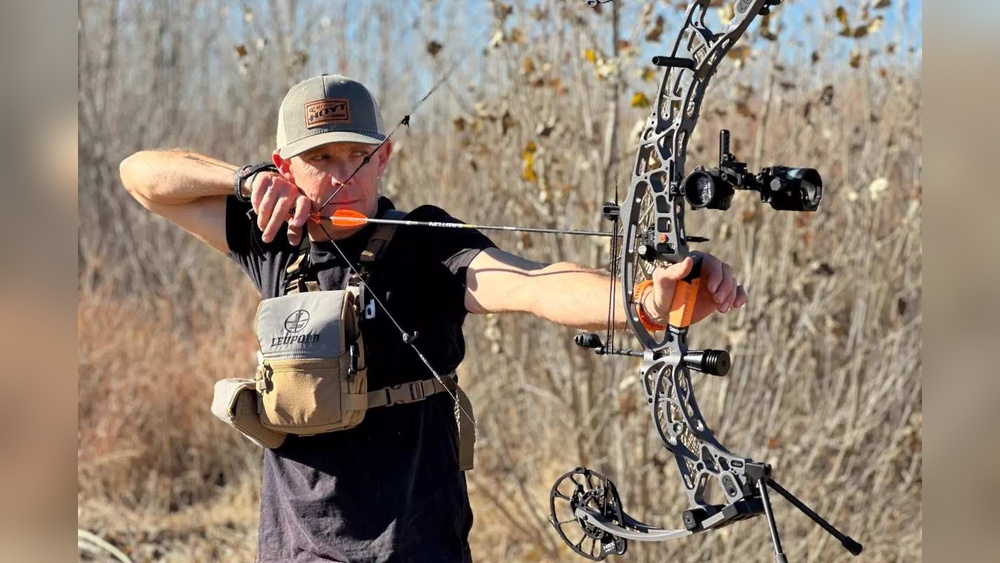
Are Shooting Rails for Bow Hunters Worth the Investment?
Bowhunting offers an experience that is both ancient and highly modern. The quiet tension, the close contact with wildlife, and the challenge of drawing a bow at the perfect moment make this pursuit unique. As gear evolves, hunters face new questions. One common debate: Are shooting rails for bow hunters a good idea, a necessary upgrade, or just extra weight?
Shooting rails are standard on many rifle hunting platforms, but their use in bowhunting is less clear. Some hunters swear by them; others believe they get in the way. If you are a bowhunter, whether from a tree stand, ground blind, or elevated platform, understanding the role of shooting rails can help you make smarter choices.
This article explores what shooting rails are, why they matter, and how they might affect your bowhunting success.
What Is A Shooting Rail?
A shooting rail is a bar or frame, usually metal or padded, attached to a hunting stand or blind. Its main job is to provide a steady rest for a firearm. For rifle hunters, the rail helps with accuracy and safety. With bows, however, things get complicated.
Most rails are designed for guns, not bows. The typical shooting rail sits about waist-high on a seated hunter. This works for resting a rifle, but bows need more space for movement. Drawing a bow requires a wide, clear area in front of your body and arms.
Some stands now offer removable rails or special “bowhunting rails.” These may be lower, padded, or designed to flip up or down. Others are simply frames that can be removed entirely for a bow hunt.
How Bow Hunters Use Shooting Rails
Bowhunters sometimes use shooting rails in creative ways. For example:
- Safety barrier: Rails offer a sense of security, especially in tall stands. They help prevent accidental falls or gear drops.
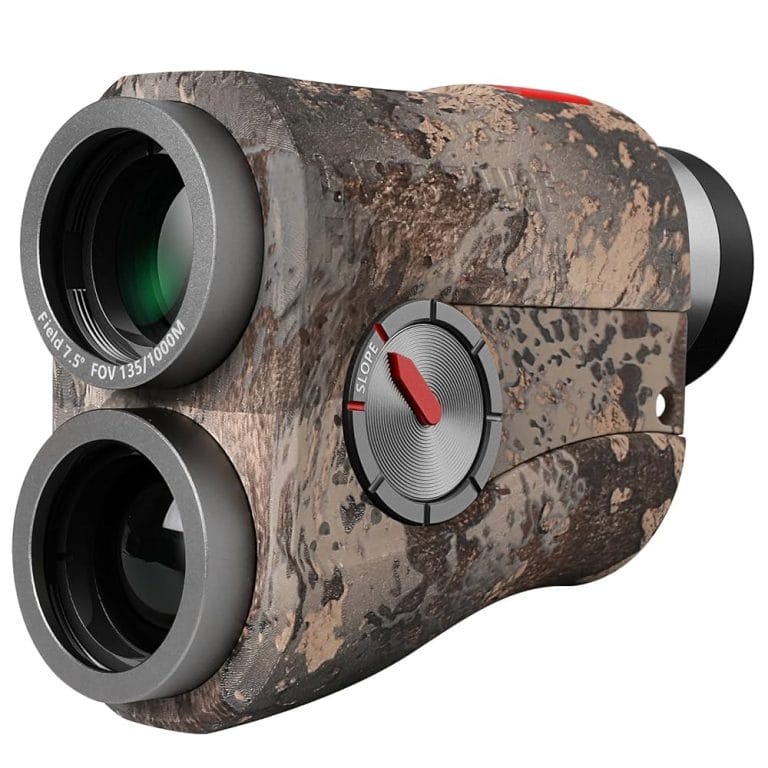
- Gear rest: Some hunters rest their elbows, binoculars, or rangefinders on the rail while waiting.
- Arrow rest: Rarely, a hunter might rest a bow limb on the rail before the shot. But most avoid this, as it can affect accuracy or slow the draw.
When it comes time to shoot, the rail is often more of an obstacle than a help. Drawing the bow can hit the rail or cause noisy contact. However, in some situations, a rail can provide a visual marker for range estimation or help with cover.
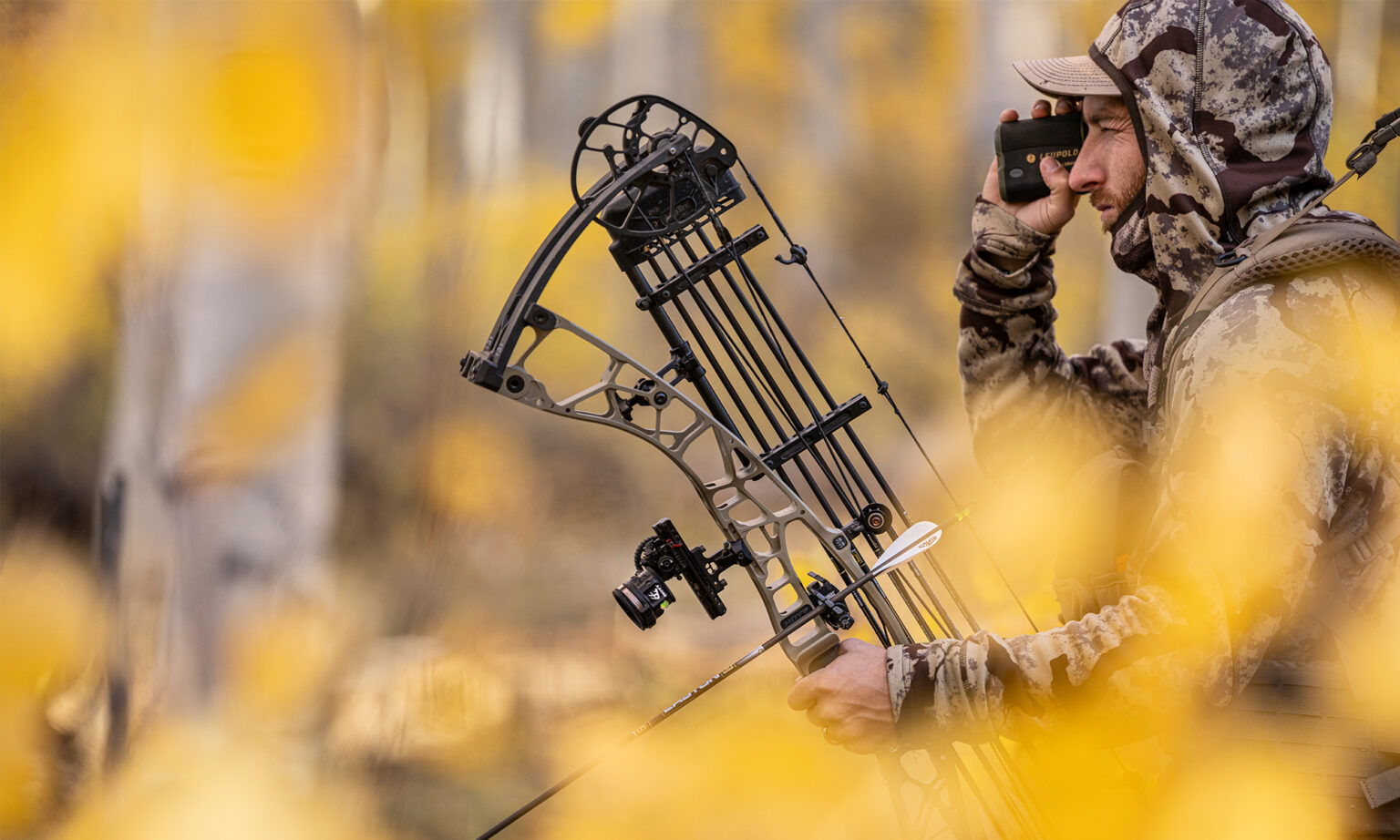
Credit: fieldandstream.com
Pros Of Shooting Rails For Bow Hunters
Some bowhunters see real advantages to using shooting rails, especially with the right setup. Here are the main benefits:
1. Added Safety
A shooting rail can act as a barrier, giving you an extra layer of protection. This is especially helpful for:
- New hunters who feel nervous in treestands
- Youth hunters who need more security
- Anyone using a stand without a full body harness (though you should always wear one)
The rail can reduce the risk of falling if you lose balance or shift position quickly.
2. Comfort For Long Sits
If you hunt for hours, a rail gives you a place to rest your arms or gear. This can keep you less tired, more focused, and ready for action when a deer appears.
3. Gear Organization
Hunters often balance rangefinders, binoculars, or grunt calls on the rail for easy access. This can make the difference between a smooth, quiet move and a noisy search for gear.
4. Visual Range Reference
Some hunters use the rail as a reference point for range. For example, if the rail lines up with a certain branch, you know that a deer standing at that line is about 20 yards away.
5. Extra Concealment
A rail can help break up your outline. When covered with camo material or brush, it can hide hand and arm movement. This is especially useful when hunting wary deer in open woods.
Cons Of Shooting Rails For Bow Hunters
Despite these benefits, many bowhunters find shooting rails more trouble than they are worth. The main drawbacks include:
1. Interference With The Draw
The biggest issue is that rails can block your draw. Bows need room for a full draw cycle. If the rail is too high or too close, your elbow or bow limb can hit it, causing a noisy or awkward shot.
2. Reduced Shot Angles
Rails often block low or side-angle shots. If a deer comes in below your stand, the rail might force you to stand up or lean dangerously to take a shot.
3. Noise And Spooking Game
Contact between the bow, arrow, or even clothing and the rail can make noise. In the quiet of the woods, even a small “clank” can send deer running.
4. Added Weight And Bulk
Some rails are heavy or make stands harder to carry and set up. For mobile hunters or those who pack in and out, this matters.
5. False Sense Of Security
A rail is not a substitute for a safety harness. Over-relying on the rail for balance can lead to dangerous habits.
Types Of Shooting Rails
Not all shooting rails are the same. Here’s a quick look at the main types and how they differ for bowhunters:
| Type | Common Use | Bowhunting Suitability |
|---|---|---|
| Fixed Rail | Permanent, non-moveable part of the stand | Poor (often blocks draw or shot angles) |
| Removable Rail | Can be taken off or flipped down | Good (more flexibility, less interference) |
| Padded Rail | Covered for comfort and noise reduction | Fair (quieter, but still may block draw) |
| Adjustable Rail | Height/angle can be changed | Best (customize for gun or bow use) |
Many bowhunters prefer stands with no rail or a removable/adjustable one. Stands designed for both gun and bow use offer the best of both worlds, letting you adapt on the fly.
Tree Stands, Ground Blinds, And Rail Use
The value of a shooting rail changes depending on your hunting platform.
Tree Stands
Most ladder or platform stands for rifles come with a fixed rail. For bowhunting, the ideal setup is either no rail or a removable/adjustable model. Climbing stands sometimes offer rails, but bowhunters often remove them or choose models without rails.
Some hunters add DIY rails for safety, but make sure these do not block your draw cycle or sight line.
Ground Blinds
Shooting rails are less common in ground blinds. Windows or mesh screens usually serve as both cover and a rest. Some hunters add portable rails for extra rest, but these can get in the way of bow limbs. If you use a rail in a blind, keep it low and padded.
Elevated Platforms
For permanent platforms, some hunters build custom rails for safety and gear rest. Again, these should be low and set back from the shooting window to avoid interfering with your draw.

Credit: www.bowhunter.com
Shooting Rails Vs. No Rails: Field Experience
Many bowhunters ask: “Will a rail help or hurt my chances?” The answer depends on your hunting style, stand setup, and comfort level.
With Shooting Rails
Hunters who use rails often value the safety and comfort. Sitting for hours with a steady rest for your arms can be a big plus. In cold weather, the rail can help you keep balance with heavy clothing.
However, you must practice shooting from your stand with the rail in place. Many discover their draw hits the rail, or their bow limb contacts it on release. Practicing ahead can reveal these issues before the hunt.
Without Shooting Rails
Bowhunters who remove rails enjoy freedom of movement and wider shot angles. They can draw smoothly and shoot at deer coming from any direction. The main trade-off is less comfort and no barrier for safety.
Some hunters create a “mock rail” for practice, using rope or tape to simulate the edge of a stand. This helps you learn where your draw cycle might run into trouble.
Pro Tip:
If you hunt with a rail, practice every shot from your stand before the season. Wear your hunting clothes, sit as you will during the hunt, and test draw and shoot at several angles. This exposes problems before you encounter a live animal.
Shooting Rail Alternatives For Bow Hunters
If you want the benefits of a rail without the drawbacks, consider these alternatives:
- Harness and Lifeline: Always use a full-body harness and safety lifeline. This gives you security without blocking your shot.
- Bow Holders: Clamp-on bow holders attach to the stand and keep your bow ready but out of the way.
- Gear Hooks or Straps: Hang gear from hooks or straps on the tree, not the rail.
- Brush or Camo Skirts: Attach brush or fabric below the stand for concealment instead of using a rail.
- Shooting Sticks (Ground Blinds): In ground blinds, low monopods or sticks offer a rest for waiting but can be moved before the shot.
How To Decide: Should You Use A Shooting Rail?
The answer is personal. Consider these questions:
- Do you feel safe and steady in your stand without a rail?
- Does your stand allow you to remove or adjust the rail?
- Can you draw your bow cleanly at all shooting angles?
- Do you hunt with a partner, youth, or someone who needs extra safety?
- Do you value comfort over maximum shot flexibility?
If you answer “yes” to safety and comfort, a rail may work for you. If shot flexibility is your main goal, you may prefer no rail.
Field Test: Shooting Rails For Bows Vs. Guns
To illustrate differences, here’s a side-by-side look at how shooting rails work for guns and bows:
| Feature | Rifle Hunting | Bow Hunting |
|---|---|---|
| Rest for the shot | Essential for steady aim | Often gets in the way |
| Safety barrier | Useful | Useful |
| Shooting angle flexibility | Less important (most shots seated, facing forward) | Very important (shots at many angles) |
| Noise risk | Low (rest gun quietly) | High (bow or arrow may hit rail) |
| Comfort | High | High (when waiting, not shooting) |
From this, it’s clear why shooting rails are standard for guns but optional, or even a problem, for bows.
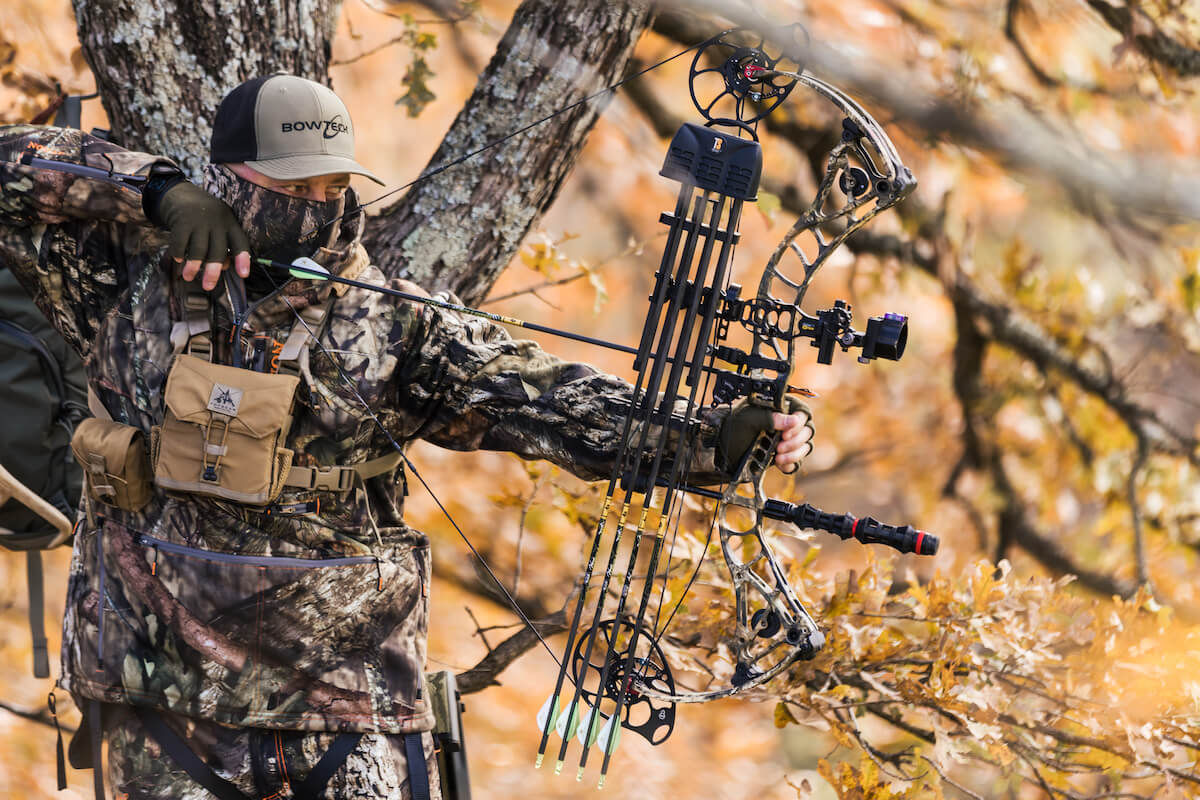
Credit: www.gameandfishmag.com
What The Experts Say
Bowhunting experts often recommend minimizing barriers between you and your target. According to the National Bowhunter Education Foundation, the fewer obstructions you have at full draw, the better your shot chances and safety. However, for new hunters or those in tall stands, the extra security of a rail may be worth the trade-off.
Experienced hunters often practice both ways. Some keep rails for early-season hunts when leaves block vision, then remove them later in the season for wider shots.
Common Mistakes When Using Shooting Rails
Many beginners (and even some experienced hunters) make mistakes with shooting rails:
- Not Practicing With the Rail: Shooting from the ground is not the same as shooting from a stand with a rail.
- Relying on Rail for Safety: Only a harness and lifeline provide real fall protection.
- Setting Rail Too High: A high rail blocks shots and is hard to see over.
- Ignoring Noise: Metal-on-metal or bow contact with rails can be louder than you think.
- Leaving Rail Uncovered: Bare metal is cold and noisy. Padded covers help.
Shooting Rails And Youth Or Beginner Bow Hunters
For new or young bowhunters, shooting rails can help with confidence. They provide a feeling of security and a place to rest tired arms or gear. However, it’s important to:
- Teach safe harness use, even with a rail.
- Practice drawing and aiming with the rail in place.
- Consider stands with removable or adjustable rails for more flexibility as skills improve.
Real-world Example: My Own Experience
When testing different stand setups, try both fixed and removable rails. The removable rail gave me the best balance. Use it as a gear rest and safety barrier while waiting, then flip it down when it’s time to hunt.
This let me draw and shoot at any angle without worrying about hitting the rail or making noise.
Deer often appear from unexpected directions. Without the rail, I could shift my body and draw smoothly. With a fixed rail, I sometimes had to pass on shots because I couldn’t get a clear angle.
Are There Any Shooting Rails Designed For Bows?
A few companies make “bowhunting rails. ” These are usually lower, padded, and set back from the edge of the stand. Some are designed to flip up for gun hunting and down for bow use. They may offer the best of both worlds for hunters who switch between gun and bow season.
If you are considering a stand with a rail, look for these features:
- Adjustability: Can you remove or lower the rail?
- Padding: Does it have a quiet, soft cover?
- Clearance: Is there enough room for your draw length and bow limb movement?
- Quiet attachment: Are bolts and connections silent?
How To Modify Or Remove A Shooting Rail
If your stand comes with a fixed rail, you may be able to:
- Unbolt and remove the rail before the season starts.
- Pad the rail with foam pipe insulation or camo tape to reduce noise.
- Lower the rail or move it farther back if possible.
- Add brush or fabric below the stand for concealment instead.
Always follow the manufacturer’s instructions, and never modify a stand in a way that makes it unsafe.
Practical Tips For Bowhunting With (or Without) A Rail
- Practice shooting from your actual stand setup, rail in place.
- Use a harness and lifeline, even with a rail.
- Keep gear organized so you don’t make noise searching for items.
- Pad any rail or metal part you might contact with your bow.
- If you hunt with youth or beginners, consider leaving the rail until they are comfortable in the stand.