Are Sights on a Bow Worth It? Pros, Cons, and Expert Tips
For many archers, both new and experienced, the question often comes up: Are sights on a bow worth it? Whether you shoot for sport, hunting, or pure recreation, sights can seem like a technical upgrade with the promise of better accuracy. But do they deliver real value, or are they just another accessory in a crowded market? The truth is, the answer depends on your goals, shooting style, and even personal philosophy about archery. In this article, you’ll find clear, practical insights on bow sights, including when they help, when they might not, and how to decide if they are right for you.
What Are Bow Sights And How Do They Work?
Bow sights are devices attached to the riser of a bow that help archers aim more precisely. They come in different shapes and sizes, but the basic idea is the same: give you a visual reference point for where your arrow should go.
There are several types of bow sights:
- Fixed pin sights: The most common, with several pins set for different distances.
- Single pin movable sights: One pin that you adjust for each shot’s distance.
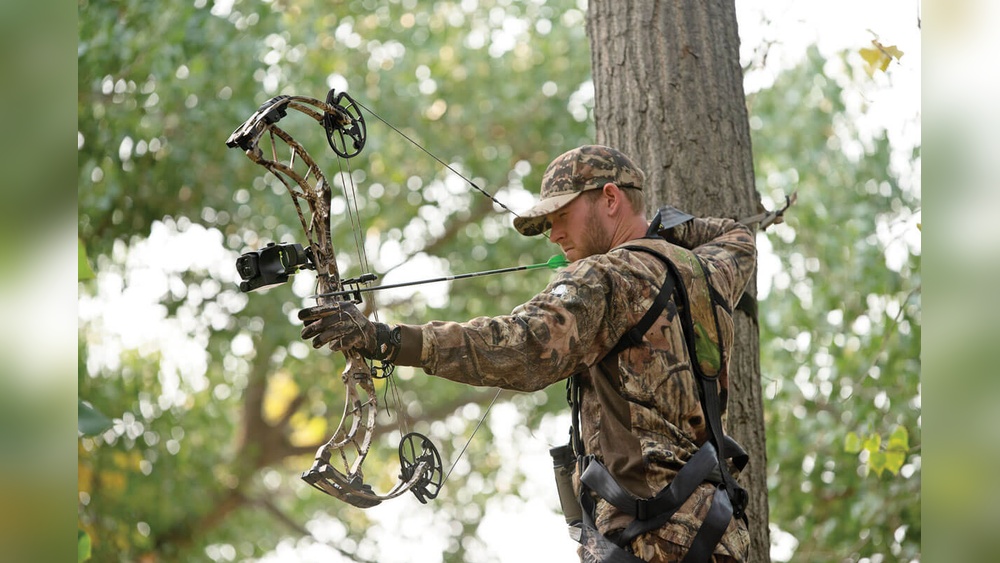
- Pendulum sights: Designed for shooting from elevated positions, like tree stands.
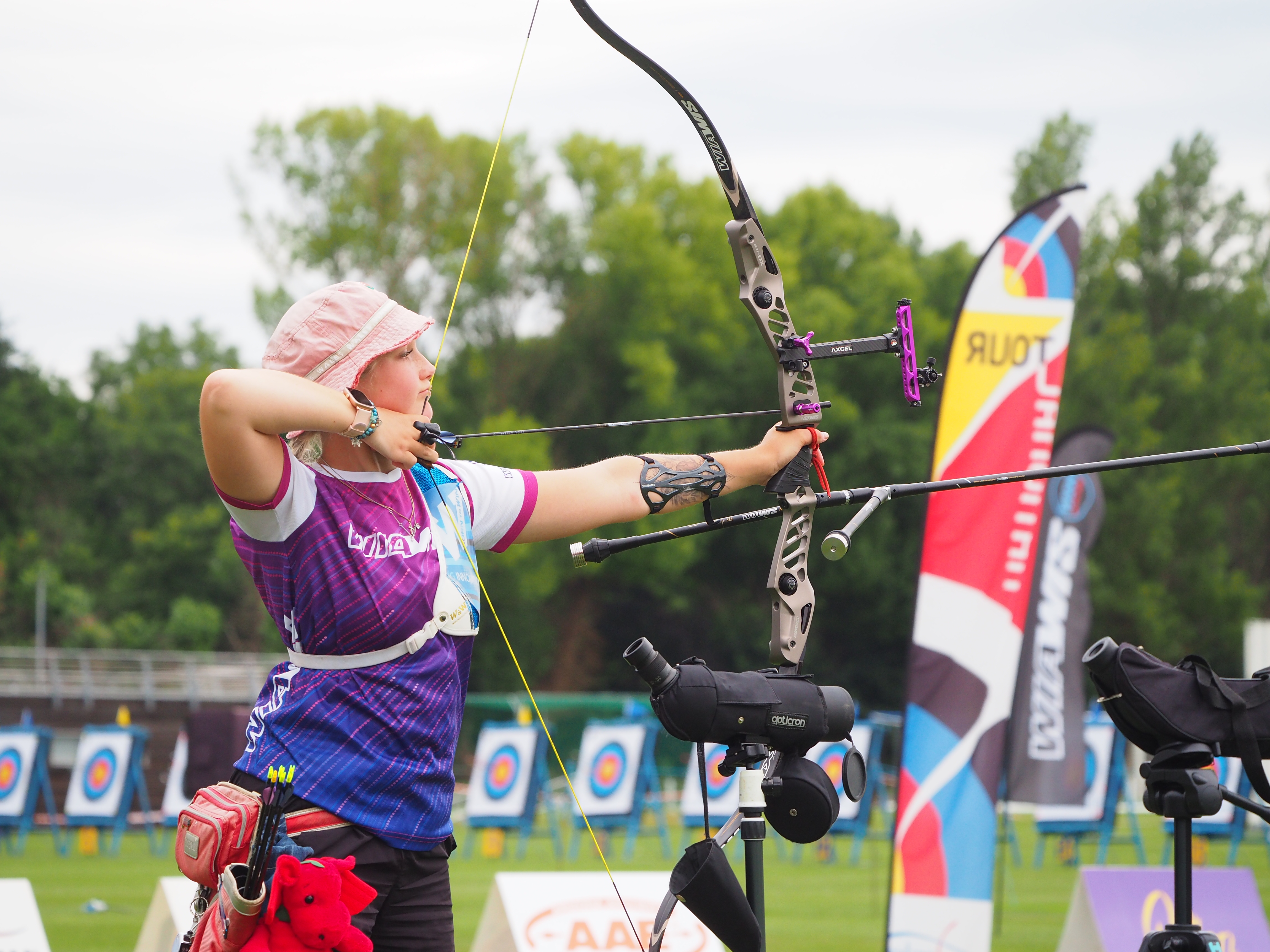
- Target sights: More advanced, often used in competitive archery, allowing for fine adjustments.
Most sights use colored pins or dots, which you line up with your target. Some include fiber optics for extra brightness, and others feature built-in levels to help prevent canting (tilting) your bow.
The core principle is simple: by aligning the sight’s pin with your target, you increase the chance that your arrow will hit where you want. Still, the effectiveness of a sight depends on more than just the device, it also relates to form, consistency, and practice.
Key Benefits Of Using Bow Sights
Adding a sight to your bow can bring significant advantages, especially if you aim for consistency and accuracy. Here’s how sights can help:
Improved Accuracy
Bow sights are designed to reduce guesswork. Instead of relying on instinct or “barebow” aiming, sights provide a clear, repeatable reference. This can help you group arrows more tightly, especially at longer distances.
Faster Target Acquisition
For many archers, a sight speeds up the aiming process. Once your pins are set, you simply match the correct pin to your target, rather than spending time estimating the arc.
Better Performance At Distance
Shooting accurately at 30, 40, or even 50 yards is much easier with a sight. Without one, minor mistakes in aim can cause large misses at longer ranges.
A Confidence Boost
Seeing consistent results on the target can build confidence. Beginners, in particular, often find sights help them understand proper aiming and arrow flight.
Example: When I first switched from instinctive shooting to a fixed pin sight, my accuracy at 30 yards improved within a few practice sessions. The visual feedback made it easier to spot and correct form errors.
Drawbacks And Limitations Of Bow Sights
While bow sights offer real benefits, they’re not always the right choice for every archer or situation. Here are some potential downsides:
Increased Complexity
Adding a sight means more adjustments and parts. Pins need to be set for your draw length and arrow type, and you must recalibrate if anything changes. This can make the bow feel less “natural” for some shooters.
Dependence On Equipment
Relying on a sight can sometimes create a crutch effect, if your sight breaks or is accidentally bumped, you may struggle to shoot without it. Instinctive shooters often have more flexibility when equipment fails.
Slower In Fast-paced Situations
In hunting, quick shots at moving targets may not allow time to line up a pin. Some hunters prefer the speed of instinctive or traditional aiming in these scenarios.
Cost Considerations
High-quality sights can be expensive, especially for advanced models with micro-adjustments or fiber optics. Not everyone wants to invest in extra gear.
Comparing Bow Sights To Instinctive Aiming
One of the most debated topics in archery is the comparison between sighted and instinctive shooting. Both have dedicated followers and distinct advantages.
| Factor | Sighted Shooting | Instinctive Shooting |
|---|---|---|
| Learning Curve | Shorter for basic accuracy | Longer, requires more practice |
| Consistency | Very high | Depends on skill and experience |
| Speed | Slower in fast shots | Faster for quick shooting |
| Adaptability | Less flexible without sight | More adaptable to different bows |
| Equipment Needed | Sight and mounting hardware | Bow only |
Pro Tip: If you plan to shoot both with and without a sight, practice both methods regularly. Muscle memory and mental focus are key to success with either style.
Credit: startarchery.co.uk
Types Of Bow Sights And Their Uses
Choosing the right sight depends on your needs and how you shoot. Here’s a closer look at common types:
Fixed Pin Sights
These have multiple pins, each set for a specific distance (like 20, 30, 40 yards). They’re popular for hunting and all-around target shooting. The main benefit is being able to switch distances quickly by choosing a different pin.
Single Pin Movable Sights
A single pin can be adjusted for any distance, usually by turning a knob. This allows for very precise aiming, but you must know the exact distance to your target. These sights are favored by tournament archers and hunters who want maximum accuracy.
Pendulum Sights
Designed for shooting from treestands, these sights use a swinging mechanism to compensate for steep downward angles. They are most useful for hunters in elevated positions.
Target Sights
These are the most advanced, offering micro-adjustments for windage and elevation. Often used in competitive archery, target sights are less common for hunting due to their size and complexity.
Fiber Optic And Lighted Sights
Some sights include fiber optic pins or even small lights for low-light conditions. This can make pins easier to see at dawn or dusk, but check local hunting laws, lighted sights are not always legal in every area.
When Are Bow Sights Most Useful?
Bow sights are not just for beginners. Here are situations where they truly shine:
Target Archery
For consistent scoring and competition, sights are almost a requirement. They offer the precision needed for tight groupings and high scores.
Bowhunting At Longer Ranges
For hunting in open fields or at longer distances, sights improve ethical shot placement. Many hunters set pins for their most common distances, which helps avoid wounding animals.
Learning Proper Form
Sights can teach new archers about anchor points, release technique, and follow-through. By removing some aiming variables, you can focus on building solid form.
Practicing For Consistency
Archers working to improve their consistency often use sights during practice, then switch to instinctive shooting as their confidence grows.
When Might You Skip Using A Bow Sight?
There are times when sights are less helpful or even a hindrance:
Traditional Archery
Many traditional shooters prefer the “feel” of barebow shooting. For them, the experience and challenge matter more than perfect accuracy.
Close-range Hunting
If you hunt in thick brush or from a blind where shots are under 15 yards, instinctive shooting can be faster and more practical.
Fast Action Scenarios
In situations where game may appear and disappear quickly, lining up a sight pin takes too long. Instinctive shooting allows for split-second shots.
Personal Challenge
Some archers simply enjoy the challenge of hitting targets without aids. This approach builds different skills and a deeper connection to the process.
How To Choose The Right Bow Sight
If you decide to try a sight, choosing the right model is important. Here are some tips to guide your selection:
- Consider Your Main Use: Target, hunting, or mixed? Target archers may want more adjustability, while hunters may need ruggedness and low-light visibility.
- Match Your Bow: Not all sights fit every bow. Check compatibility with your riser and mounting holes.
- Adjustability: Look for tool-free adjustments if you plan to tweak settings in the field.
- Number of Pins: More pins allow for more distance options but can clutter your sight picture. Three to five pins is common for most users.
- Build Quality: Aluminum or steel frames last longer than plastic. Quality fiber optics also matter for visibility.
- Budget: Entry-level sights can start low, but premium models are priced higher. Set a budget that fits your level of commitment.
Pro Tip: Before buying, try different sights if possible at a local archery shop. Sometimes, what looks good on paper doesn’t feel right in your hand.

Credit: www.outdoorlife.com
Setting Up And Using A Bow Sight
Getting the most from a bow sight takes proper setup and regular practice.
Mounting The Sight
Attach the sight firmly to your bow’s riser using the included hardware. Make sure it’s level and secure. If your sight has a bubble level, use it to check for proper alignment.
Sighting In
“Sighting in” means adjusting your pins or single pin so that your arrows hit where you aim at set distances. Start at a close range (like 10 yards) and move back slowly, adjusting pins as needed.
Here’s a basic process for sighting in a fixed pin sight:
- Shoot a group of arrows at your first distance (often 20 yards).
- If your arrows hit low, move the pin down; if they hit left, move the sight right, and so on.
- Repeat for each pin, setting them for your chosen distances.
Practicing Regularly
Using a sight does not replace good form. Practice drawing, anchoring, and releasing smoothly. Over time, muscle memory will help your aiming process become automatic.
Maintaining Your Sight
Check your sight screws and pins regularly. Vibrations from shooting can loosen hardware over time.
Are Bow Sights Allowed In Competitions And Hunting?
The use of bow sights varies by competition and hunting regulations.
Competitive Archery
In most modern target competitions, including the Olympics, sights are allowed and even expected. However, “barebow” divisions exist for those who prefer no sights.
Hunting Regulations
Some states and countries restrict the use of certain sight features, like electronics or lasers. Always check local laws before using a new sight for hunting.
For more on regulations, you can visit the USA Archery official site.
Real-world Examples: Who Benefits Most From Bow Sights?
Understanding who benefits from sights can help you decide if they’re right for you.
Beginner Archers
Sights help beginners learn faster by providing clear feedback. They make it easier to spot errors in form versus aim.
Hunters
Many modern hunters use sights to ensure humane shots at longer distances. Pin sights are especially popular for deer and elk hunters who shoot from tree stands or blinds.
Competitive Shooters
Target archers rely on advanced sights for accuracy in tournaments. Features like micro-adjustment and magnification help maximize scores.
Recreational Archers
Even casual shooters often enjoy the improved accuracy and confidence that comes with a basic sight. It adds another layer of fun to backyard shooting.
Common Mistakes When Using Bow Sights
Even with the right gear, mistakes can hold you back. Here are common issues to avoid:
- Ignoring the Bubble Level: Not using the built-in level can lead to canting, which shifts your point of impact.
- Overcrowding Pins: Too many pins can clutter your view and cause confusion. Choose only as many as you actually use.
- Not Re-Sighting Regularly: Changes in arrows, draw weight, or even temperature can affect your sight settings. Check your sight’s accuracy often.
- Focusing Only on the Sight: Good form and follow-through matter just as much. Don’t neglect the basics.
- Setting Pins Too Close Together: Space your pin distances based on your real shooting needs, not just in even increments.
Pro Tip: If your groups are inconsistent, check your anchor point and grip before adjusting the sight. Many issues come from form, not equipment.

Credit: www.outdoorlife.com
Bow Sight Features: What Matters Most?
With so many models available, it’s easy to get lost in features. Here’s what really matters:
| Feature | Why It Matters |
|---|---|
| Pin Brightness | Helps aiming in different light conditions |
| Micro-Adjustment | Allows precise tuning without tools |
| Durability | Stands up to drops, weather, and vibration |
| Weight | Lighter sights won’t unbalance your bow |
| Mounting Options | Fits your bow and shooting style |
For most archers, pin brightness and ease of adjustment are the features they notice most. Avoid being distracted by advanced features you may not actually use.
Uncommon Insights: What Most Beginners Miss
Most beginners focus only on hitting the bullseye. But, there are two subtle lessons often overlooked:
- Sight Picture Consistency: The way you “frame” the target in your sight can change shot to shot. Always anchor at the same spot and check your peep sight (if you use one) to keep things identical. This habit builds true accuracy, not just luck.
- Environmental Effects: Wind, rain, and even sun angle can shift your shot. Learn how your sighted setup reacts under different conditions. Sometimes, a slight pin adjustment or a change in anchor point is needed for perfect groups outside.
Making The Decision: Are Sights Worth It For You?
The value of a bow sight depends on your goals. If you want faster progress, more accuracy, and higher scores, sights are a wise investment. For traditionalists or those who enjoy the challenge of barebow shooting, sights may feel unnecessary.
In my experience, using a sight made a big difference in my early archery days. It taught me about form, consistency, and the importance of practicing with purpose. But, as my skills grew, I also learned to appreciate the freedom of shooting instinctively, especially on short