Is Bow Length and String Length the Same Thing? Explained Simply
If you’re new to archery or just curious about how bows work, you’ve probably heard two terms: bow length and string length. At first, these may sound similar. In fact, many beginners assume they are the same thing. But understanding the difference is critical, whether you’re buying your first bow, replacing a string, or simply aiming for better performance. Let’s clarify these terms, see why they matter, and learn how to measure and match them for your best shooting experience.
What Is Bow Length?
Bow length is the measurement from one tip of the bow to the other, following the natural curve of the bow. It’s usually measured in inches. Bow length is one of the first specifications listed for any recurve or longbow.
Modern archery uses the AMO (Archery Manufacturers and Merchants Organization) standard to measure bow length. This means the bow is unstrung (not under tension), and the measurement is taken along the belly (the side facing the archer) from tip to tip. For example, a common recurve bow might be listed as 68 inches AMO.
Why does bow length matter? It influences:
- Draw length: Longer bows are more comfortable for shooters with longer arms.
- Accuracy: Longer bows tend to be more stable and forgiving.
- Purpose: Short bows are great for hunting in tight spaces, while longer ones excel in target shooting.
Example: If you’re 6 feet tall and have a long draw, a 70-inch recurve bow may suit you better than a 62-inch model.
What Is String Length?
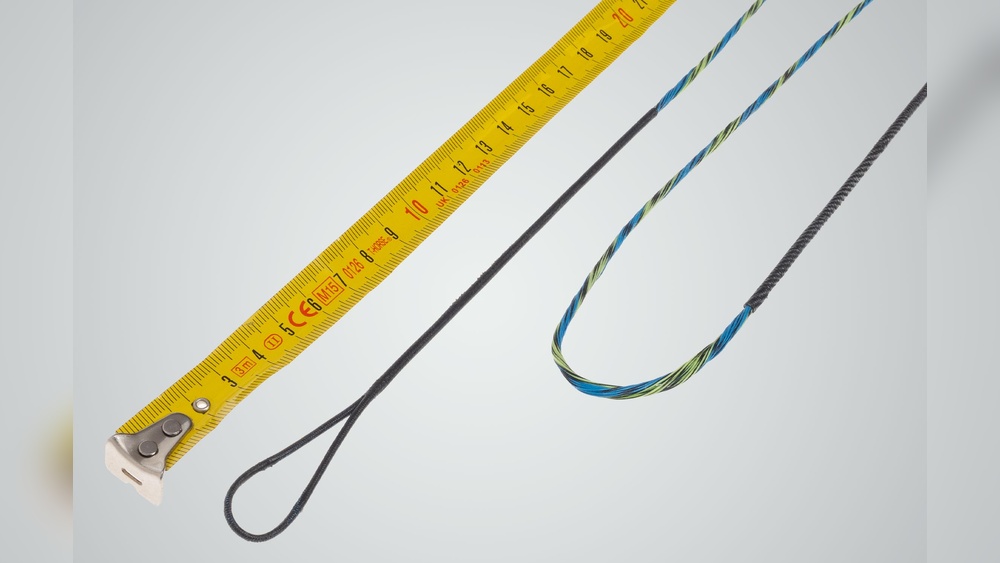
String length is the total length of the bowstring when measured under light tension, but not stretched tightly. It is not the same as bow length. Each bow size requires a specific string length for safe and optimal performance.
String length is also usually listed in inches and is defined by the AMO as “3 inches shorter than the bow’s AMO length” for recurve bows. So, a 68-inch AMO recurve bow typically uses a 65-inch string.
But it’s not always so simple. Some bows, like longbows or traditional self-bows, may use different formulas for string length. Always check the manufacturer’s recommendation.
Key insight: String length is crucial for correct brace height (the distance from the string to the deepest part of the grip), which affects bow safety and shooting feel.

Credit: legendarchery.com
Bow Length Vs. String Length: Key Differences
It’s easy to confuse bow length and string length since both are measured in inches and connected to the same equipment. But they serve different roles:
- Bow length refers to the size of the bow itself.
- String length is shorter and is specifically the string’s measurement, not the whole bow.
Here’s a quick visual comparison:
| Feature | Bow Length | String Length |
|---|---|---|
| What is measured? | From one tip to the other along the bow | End to end of the bowstring under light tension |
| Units | Inches (AMO standard) | Inches (AMO, but always shorter) |
| Purpose | Describes bow size and compatibility | Ensures proper brace height and fit |
| Typical Relation | Always longer than string | Shorter than bow by 3-4 inches (for recurves) |
Pro Tip: Never choose a string based solely on bow length, always check both the manufacturer’s guide and the bow’s specific requirements.
Why The Difference Matters
Many archers buy a replacement string based on bow length alone and run into problems. Here’s what happens if you get this wrong:
- If the string is too long: The brace height will be too low, making the bow unsafe and less accurate.
- If the string is too short: You might not be able to string the bow at all, or you could damage the limbs.
Real-world example: A friend of mine once bought a 70-inch AMO recurve and mistakenly ordered a 70-inch string. The bow was impossible to string, and the limbs were under too much stress. Switching to a 67-inch string fixed the problem immediately.

Credit: stringtwiddler.com
How To Measure Bow Length Correctly
You can measure bow length easily with a soft tape measure. Here’s how:
- Unstring your bow.
- Lay it flat on a table or floor.
- Place the tape measure at one string groove (the notch where the string sits) at one end.
- Run the tape along the belly (the side facing you when you shoot), following the curve, to the other string groove.
- Read the measurement.
Warning: Don’t measure along the back (the side facing away from you). The belly measurement is the industry standard.
Example: If your tape shows 68 inches along the belly from tip to tip, your bow is a 68-inch AMO.
How To Measure String Length
If you need to check your current string’s length, use this process:
- Remove the string from the bow.
- Lay the string on a flat surface, pulling it just taut (not stretched).
- Measure from one tip to the other.
For buying new strings, always use the AMO method: subtract 3 inches from the bow’s AMO length (for recurves) or follow the manufacturer’s recommendation.
Insight: Strings can stretch over time, especially if made of traditional materials like Dacron. This can affect brace height and performance.
Amo Standards: The Industry Reference
The AMO standards set clear rules for bow and string measurement. This helps all manufacturers and archers use a common language.
- For recurve bows: AMO string length = AMO bow length minus 3 inches.
- For longbows: AMO string length = AMO bow length minus 3 inches (sometimes 4 inches for some traditional designs).
Some manufacturers deviate slightly, so always check their documentation.
Here’s a quick reference for recurve bows:
| AMO Bow Length (inches) | Recommended String Length (inches) |
|---|---|
| 62 | 59 |
| 64 | 61 |
| 66 | 63 |
| 68 | 65 |
| 70 | 67 |
Pro Tip: If you’re unsure about the right string length, contact your bow’s maker or visit their website for specifications.
Common Mistakes When Matching Bow And String
Even experienced archers can make errors when choosing or replacing strings. Here are some pitfalls and how to avoid them:
- Ignoring the AMO Standard: Not all strings are labeled using AMO. If you buy a “66-inch string” from one brand, it could be actual length or AMO length. Always confirm.
- Assuming All Bows Use the Same Formula: Some traditional bows, like English longbows or self-bows, may need different string lengths.
- Not Accounting for String Type: Modern materials (like Fast Flight) can stretch less than Dacron, affecting brace height and feel.
- Measuring with the Bow Strung: Bow length should always be measured unstrung to avoid errors.
- Overlooking Manufacturer’s Instructions: Some bows have special requirements. For example, some takedown recurves may need a unique string length.
Pro Tip: When switching string types (e.g., from Dacron to Fast Flight), check compatibility, some older bows can be damaged by high-performance materials.
Credit: nockonarchery.com
Brace Height: The Hidden Link
Brace height is the distance from the deepest part of the grip to the string when the bow is strung. It’s not the same as bow or string length, but it connects the two:
- A proper brace height ensures the bow shoots smoothly and safely.
- Too low: The string slaps the bow, causing vibration and noise.
- Too high: You lose power and efficiency.
Correct string length is vital for achieving the recommended brace height. Most recurve bows have a recommended brace height range (for example, 8, 9 inches for a 68-inch bow). You can twist the string to fine-tune the brace height, but starting with the right string length makes adjustment easier.
Example: When two identical bows are tested with different string lengths, the one with the correct string gives a quieter shot and tighter arrow groups.
Matching Bow Length And String Length For Performance
The combination of bow length and string length affects more than just technical specs, it changes how the bow feels and shoots.
- Longer bows with correct strings offer smoother draw cycles, stability, and accuracy.
- Shorter bows are portable and quick but may feel “stacky” (hard to draw at full length) if the string is not matched correctly.
- Wrong string length can lead to poor arrow flight, arm fatigue, and even equipment damage.
Pro Tip: Always test-shoot your bow after changing the string to check for comfort, noise, and accuracy.
How To Choose The Right String For Your Bow
Here’s a quick checklist for selecting the right string:
- Know your bow’s AMO length (usually printed on the limb).
- Choose the correct string material based on your bow’s age and type (Dacron for vintage bows, Fast Flight for modern limbs).
- Use the AMO formula (subtract 3 inches for recurves) unless the manufacturer states otherwise.
- Consider strand count (how many fibers make up the string); more strands for heavier bows.
- Ask an expert or trusted shop if unsure.
Warning: Using a high-performance string on an old bow can cause limb cracks or failure. Always check compatibility.
Do All Bow Types Follow The Same Rules?
While the AMO standard covers most modern recurves and longbows, there are exceptions:
- Compound bows: These use cables and strings, and measurements can vary. Always follow the bow’s manual.
- Traditional self-bows: May require custom string measurements.
- Youth bows: Sometimes use simplified sizing.
If you shoot a non-standard bow, it’s safest to bring your bow to a pro shop and have the staff measure and recommend the right string.
Real-world Examples And Scenarios
To illustrate the importance of correct bow and string length, let’s look at a few scenarios:
Example 1: The Target Shooter
A competitive archer uses a 70-inch recurve for indoor tournaments. She always buys 67-inch AMO strings. When she accidentally installed a 69-inch string, her arrows flew inconsistently, and brace height dropped below 8 inches.
Example 2: The Traditionalist
A longbow hunter prefers a hand-made bow. He consults the bowyer, who recommends a string 4 inches shorter than the bow’s length due to the bow’s deeper curves.
Example 3: The Youth Archer
A young archer receives a 62-inch recurve. The manual specifies a 59-inch string. Using a 62-inch string, the bow can’t be braced properly, affecting learning and safety.
In each case, matching the correct string length to the bow is essential for performance and safety.
How String Material Affects Length And Performance
Not all bowstrings are created equal. The most common materials include:
- Dacron (polyester): Stretches more, gentler on older bows.
- Fast Flight (Dyneema or Spectra): Stretches less, offers faster arrow speeds.
- Linen, hemp, silk: Used in traditional and historical bows.
Modern materials maintain their length better but can increase stress on bow limbs. This is why older bows should avoid non-stretch materials.
Pro Tip: If you switch string materials, check your brace height after a few sessions, new strings can “settle” and change length slightly.
Can You Adjust String Length After Buying?
Yes, to a degree. Most bowstrings are “endless loop” or “Flemish twist” styles, and you can twist or untwist them to make fine adjustments (usually up to 1 inch).
- Twisting the string shortens it, raising brace height.
- Untwisting lengthens it, lowering brace height.
But if the string is more than 1 inch off, it’s better to buy a correctly sized one.
Warning: Never untwist a string until it unravels or is unsafe, replace it instead.
Frequently Asked Questions
Why Can’t I Use A String The Same Length As My Bow?
A string the same length as your bow would be too long to create enough tension when strung. This would result in a brace height that is too low for safe and accurate shooting, and the bow might not even stay strung.
Always follow the recommended formula for your bow type.
How Does String Length Affect Arrow Speed?
A string that is too short or too long can change your brace height, which in turn affects arrow speed. Too low brace height (from a long string) may increase speed slightly but reduces accuracy and increases noise. Too high (from a short string) can decrease speed and make the shot less forgiving.
Do I Need To Change String Length If I Change String Material?
Sometimes, yes. Some materials like Fast Flight stretch less than Dacron, so the string may “settle” differently. You may need to twist the string more to reach the correct brace height, or in rare cases, use a string that is slightly different in length for optimal performance.
Can I Measure String Length While It’s Still On The Bow?
It’s best to measure string length when the string is off the bow and relaxed. Measuring while strung can give a longer reading due to tension and may not reflect the true length. Remove the string, lay it flat, and measure end to end under light tension.
Where Can I Find Official Bow And String Measurement Standards?
The official standards are published by the Archery Trade Association (formerly AMO). You can read more and find technical documents at the Archery Trade Association’s Wikipedia page.
Getting bow length and string length right is essential for both safety and performance in archery. By understanding the difference and following best practices, you’ll shoot more accurately