Is Archery Hard? Tips to Master the Bow Faster
Trying archery for the first time can feel like stepping into a different world. You hold a bow, nock an arrow, and suddenly, small things, your posture, breathing, even your thoughts, matter a lot. Many people wonder: Is archery hard? The answer is not simple. Archery is easy to begin, but hard to master. It combines physical skill, mental focus, and patience. For some, it becomes a lifelong passion. For others, it’s a fun hobby or a challenging sport.
In this article, I’ll break down what really makes archery difficult or easy, based on experience, research, and real-world examples. We’ll look at the physical and mental demands, compare archery to other sports, and see what beginners struggle with most.
If you’re curious about picking up a bow, or just want to understand the sport better, you’ll find clear, honest answers here.
What Makes Archery Hard?
Archery looks simple: pull the string, aim, and release. But those three steps hide many challenges. Let’s look at what makes this sport demanding.
Precision And Consistency
Success in archery depends on precision, hitting the same tiny spot, again and again. Even small changes in your grip, posture, or anchor point can make arrows fly off-target. Consistency is key. In my experience, it takes dozens of practice sessions before your shots start landing in the same area.
Physical Strength And Endurance
Drawing a bow requires upper body strength, especially in the back, shoulders, and arms. The weight you feel when pulling the string is called draw weight. A beginner’s recurve bow might have a draw weight of 15-25 pounds, but Olympic archers use 40 pounds or more. Holding the bow steady and repeating the motion for many arrows can be tiring.
Mental Focus
Archery is as much a mental sport as a physical one. You need to focus your mind, control nerves, and block out distractions. Even experienced archers sometimes “overthink” their shot and miss. The challenge is to build a routine so that every shot feels the same, no matter what’s happening around you.
Equipment Knowledge
Understanding your equipment, bows, arrows, sights, releases, is another hurdle. Using the wrong arrow length or bow size can make shooting harder and less safe. Learning to tune your equipment takes time and patience.
Environmental Factors
Wind, rain, and lighting can all affect your shot. Even indoor archery can be tricky if the lighting changes or there are background noises. Outdoor archers must adjust for wind speed and direction, which adds another layer of difficulty.
How Hard Is It To Learn Archery As A Beginner?
Starting archery is both exciting and intimidating. Here’s what most beginners face.
The First Lessons
At first, you’ll learn basic safety and form. Most people can shoot safely and hit a large target within their first hour. Progress feels fast in the beginning. But hitting the center, or grouping arrows tightly, is much harder.
Common Beginner Struggles
- Anchor Point Confusion: Where you draw the string to your face matters a lot. Beginners often change this point without realizing, making shots inconsistent.
- Over-Gripping the Bow: Holding the bow too tightly causes twisting and erratic shots.
- Fatigue: Arm and back muscles tire quickly, leading to sloppy form.
- Aiming Anxiety: Trying to “force” the arrow to the bullseye usually causes more misses.
How Quickly Can You Improve?
With regular practice (1-2 times per week), most people see real improvement in a few months. Hitting the bullseye consistently can take six months to a year. Progress depends on practice, coaching, and your own dedication.
Pro Tip: Don’t rush to use heavy bows or advanced gear. Start light, master the basics, and your body will build the strength and form you need.

Credit: www.youtube.com
Comparing Archery To Other Sports
To answer “Is archery hard? ” it helps to compare it with other popular sports. Here’s a look at how archery stacks up.
Physical Demands
Archery is less physically intense than running or basketball, but requires unique strength and control. Here’s a comparison:
| Sport | Cardio Intensity | Strength Required | Skill Complexity |
|---|---|---|---|
| Archery | Low | Moderate (upper body) | High (precision) |
| Tennis | High | High | High |
| Golf | Low | Moderate | High |
| Swimming | High | High | Moderate |
Archery’s challenge is not running fast or jumping high, but controlling small muscles and repeating exact movements.
Mental Pressure
Like golf, archery is a solitary sport. You compete with yourself and your nerves. One small mistake can ruin a shot. This mental challenge can feel harder than the physical side.
Learning Curve
Archery is easy to start but has a long road to mastery. Most people can hit a target quickly, but improving scores takes years. In contrast, sports like soccer or basketball allow beginners to play full games quickly, but high-level skill also takes years.
Cost And Accessibility
Equipment costs can make archery harder to access. A decent beginner setup (bow, arrows, safety gear) costs $150, $300. Range fees and coaching add extra costs. However, many clubs rent equipment for beginners.
Physical And Mental Skills Needed For Archery
To get better at archery, you’ll need to build both physical skills and mental habits.
Physical Skills
- Posture: Standing straight and balanced helps your aim.
- Draw strength: Pulling the string smoothly, using your back muscles.
- Release technique: Letting go of the string without jerking or twisting.
- Stamina: Shooting many arrows without getting tired or sloppy.
Mental Habits
- Focus: Blocking out distractions and negative thoughts.
- Patience: Accepting that improvement is slow.
- Routine: Repeating the same steps for every shot.
- Stress control: Breathing and calming yourself before each release.
Example: When I started, I thought aiming was the hardest part. But after a few weeks, I realized keeping my mind calm and my routine steady was even more challenging. Some days, my hands would shake just from the pressure of hitting a small target.
Types Of Archery And Their Difficulty Levels
Archery is not just one thing. There are several styles, each with its own challenges.
| Type of Archery | Equipment | Difficulty for Beginners | Main Challenges |
|---|---|---|---|
| Target Archery | Recurve/Compound Bow | Moderate | Precision, consistency |
| Field Archery | Recurve/Compound Bow | High | Varied terrain, distances |
| 3D Archery | Compound Bow | High | Estimating distance, moving targets |
| Traditional/Longbow | Longbow | High | No sights, instinctive shooting |
| Bowhunting | Compound/Bow | Very High | Stealth, live targets |
Target Archery
This is the style seen in the Olympics. The focus is on hitting a stationary target at a set distance. It’s the most beginner-friendly.
Field And 3d Archery
These involve shooting at targets placed at varying distances, often outdoors in forests. Estimating distance and adjusting for uneven ground make these styles harder.
Traditional Archery
Using a longbow or recurve without sights is called traditional archery. Success depends on instinct and “feel” rather than aiming devices. This style is tough for beginners.
Bowhunting
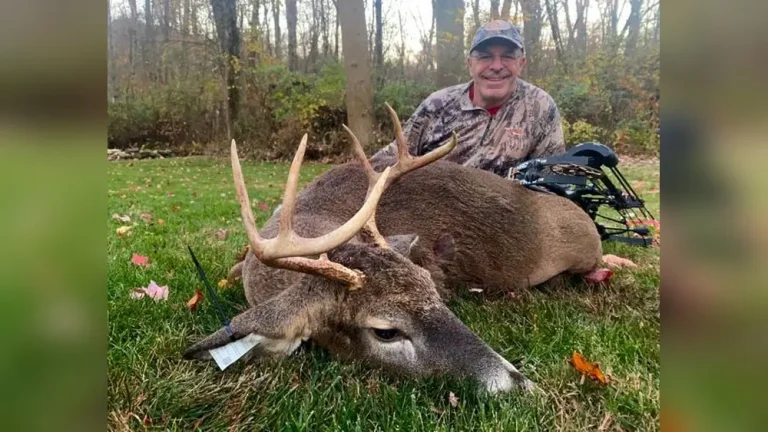
This is not just about shooting. It involves stalking animals, understanding nature, and making ethical decisions. The demands are physical, mental, and emotional.
Common Beginner Mistakes And How To Avoid Them
Everyone makes mistakes in the beginning. Here are some of the most common, and how to fix them.
- Skipping Warm-Ups: Archery uses muscles you don’t use every day. Warming up prevents injuries and improves performance.
- Ignoring Form: Focusing only on hitting the target leads to bad habits. Good form matters more than early results.
- Using Too Much Draw Weight: A heavy bow feels powerful but makes it harder to learn proper technique.
- Not Getting Coaching: Even a few lessons with a certified coach can speed up your progress and prevent bad habits.
- Neglecting Equipment Fit: Using a bow that’s too big or small for you leads to frustration and missed shots.
- Over-Practicing: Shooting too many arrows when tired creates bad habits. Quality matters more than quantity.
- Comparing to Others: Improvement is personal. Don’t get discouraged if others progress faster.
Pro Tip: Record yourself shooting. Watching your form on video reveals mistakes you may not feel in the moment.
How To Make Archery Easier For Beginners
If you’re just starting, here are ways to make the journey smoother.
Choose The Right Equipment
Pick a bow with a low draw weight and the right size for your body. Many shops let you try before buying. Arrows should match your draw length and bow type.
Take Professional Lessons
A few lessons with a certified coach can make a huge difference. Coaches help you develop good habits early and give feedback you can’t get alone.
Practice With Purpose
Set small goals, like grouping arrows within a hand-sized area. Focus on form first, not just hitting the bullseye. Short, focused practice sessions are better than long, unfocused ones.
Build Strength Gradually
Start with lighter bows and increase draw weight as your muscles grow stronger. Simple exercises like resistance bands can help build archery muscles.
Join A Club Or Community
Shooting with others is more fun and motivating. Clubs often have rental equipment, group lessons, and friendly competitions.
The Role Of Patience And Mindset
Archery rewards a patient, growth-focused mindset. You’ll miss often, and progress is slow. But each small improvement feels rewarding. Many archers say the mental calm they develop carries over into other parts of life. The sport teaches you to focus on the process, not just the outcome.
Warning: Expect frustration, especially early on. Don’t let a bad day at the range convince you that you “can’t do it.” Improvement comes with time and practice.
How Long Does It Take To Get Good At Archery?
There is no single answer. “Good” means different things to different people. Here’s a rough guide, based on typical progress:
- First session: Hit a large target at close range
- 1-2 months: Group arrows within a hand-sized area at 10 meters
- 6 months: Hit the bullseye at 18 meters regularly
- 1-2 years: Compete in local tournaments or pass club tests
This timeline assumes you practice 1-2 times per week and get some coaching. Some people progress faster, others slower.
Advanced Challenges In Archery
As you improve, new challenges appear.
Equipment Tuning
Serious archers learn to “tune” their bows and arrows for maximum accuracy. This means adjusting string tension, arrow rest, nocking point, and more. Small changes can make a big difference at longer distances.
Competition Pressure
Shooting well alone is one thing; doing it in front of a crowd or during a tournament is harder. Dealing with nerves and keeping your routine is a skill that takes time to build.
Environmental Adjustments
Outdoor archers must learn to adjust for wind, rain, sun, and changing light. Reading the wind and making quick adjustments is a skill learned only with experience.
Credit: www.usarchery.org
Why Some People Find Archery Easy
Not everyone struggles. Some people find archery easier, especially if they have:
- Experience in similar sports (shooting, golf)
- Good hand-eye coordination
- Access to quality coaching
- Patience and a love for routine
For these people, archery becomes a relaxing, meditative activity rather than a struggle.
Why Archery Is Worth The Effort
Despite the challenges, archery offers rewards that go beyond hitting targets. It builds focus, confidence, and patience. Many people enjoy the social side, joining clubs, making friends, and sharing tips. The feeling of improvement, even slow, is deeply satisfying.
There is also a rich history and culture around archery, from ancient hunting to Olympic sport. Learning archery connects you to a tradition thousands of years old.
If you’re interested in the science and history of archery, the Wikipedia Archery page is a great place to start.

Credit: www.youtube.com
Frequently Asked Questions
Is Archery Dangerous For Beginners?
Archery is very safe when proper safety rules are followed. Most injuries happen from dry-firing (shooting a bow with no arrow) or not wearing armguards. Always shoot at an approved range, use the correct equipment, and listen to your coach.
Clubs and ranges have clear rules to keep everyone safe.
Do You Need To Be Strong To Do Archery?
You do not need to be very strong to start. Most beginners use bows with low draw weights (15, 25 pounds). As you practice, your strength and endurance will grow. Focus more on good form than raw strength. Over time, you can move up to heavier bows if you want.
Can Children Learn Archery?
Yes, archery is suitable for children as young as six or seven, with proper supervision and child-sized equipment. Many clubs offer youth programs. Starting young helps develop coordination and focus, but adults can learn too, there’s no age limit.
Is Archery An Expensive Sport?
It can be, but many clubs rent equipment for beginners. Buying your own beginner setup may cost