How Does a Vegas Archery Tournament Work? Essential Guide
A Vegas archery tournament involves shooting at a standard FITA (World Archery) target from a set distance (usually 18 meters indoors). Archers aim for the highest score by hitting the center rings. It’s a precise, indoor competition focusing on accuracy and consistent shooting under pressure. For more on this, see our guide on Is He Oldest Tree in New York City Still Standing Today.
Longbow Targets
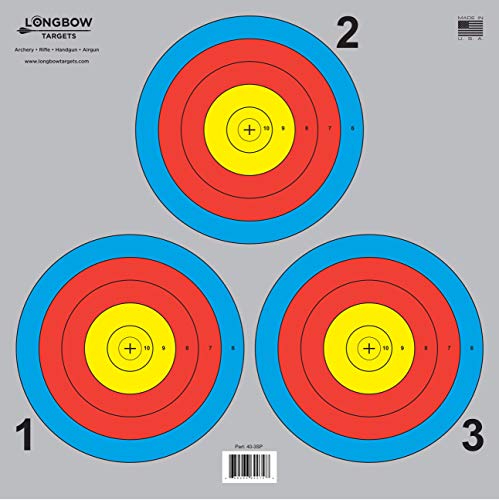
Archery 5 SPOT & 3 SPOT Vegas…
- 3 Spot - 20 Pack
- Longbow 40 cm Targets are printed to exacting official standards. Each color ring edge is printed to an exacting 4cm from ring edg…
- Search Longbow for our other Archery Targets including other 40, 60 and 80 cm Targets.
As an Amazon Associate I earn from qualifying purchases.
Ever dreamed of testing your archery skills in a thrilling Vegas-style competition? The thought of it can feel a little intimidating, especially if you’re new to the sport. You might be wondering about the setup, the scoring, and what exactly happens on the day. Don’t worry, it’s more straightforward than it seems! This guide is here to break down how a Vegas archery tournament works in a way that’s easy to understand, even if you’ve only just picked up a bow.
We’ll walk you through everything from the target face to the final score, making sure you feel confident and ready to enjoy the excitement. Get ready to learn the essentials and discover how you can be a part of this dynamic archery event.
Understanding the “Vegas” in Vegas Archery
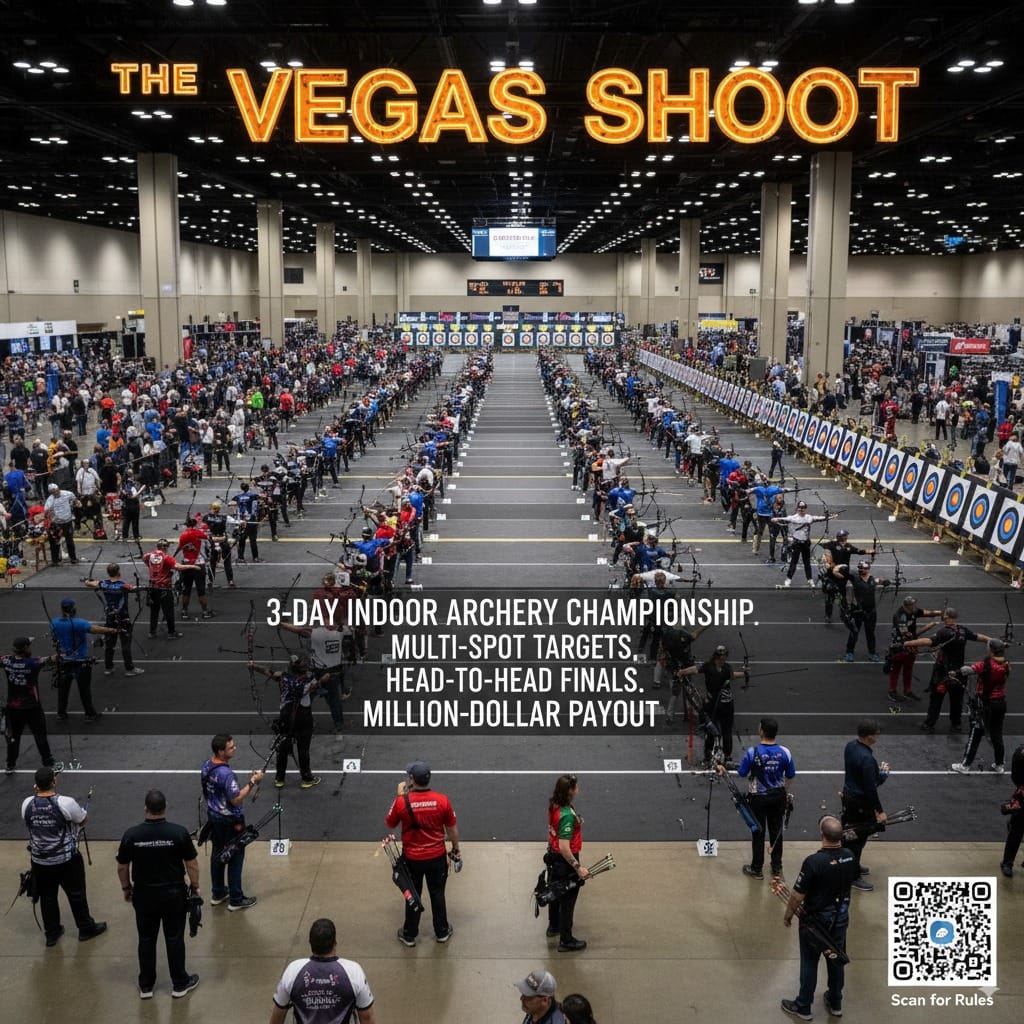
When you hear “Vegas archery tournament,” it generally refers to a specific style of indoor target archery competition. It’s named after the famous “Vegas Shoot,” one of the largest and most prestigious archery tournaments in the world, held annually in Las Vegas. While the official “Vegas Shoot” has its own unique rules and prestigious divisions, the term “Vegas-style” has become shorthand for a particular format of indoor archery that is widely adopted and practiced by clubs and organizations worldwide.
This style of archery is all about precision and consistency. Unlike outdoor archery, which can face challenges like wind, changing light, and varying terrain, indoor Vegas archery offers a controlled environment. This allows archers to focus purely on their technique and their ability to hit the bullseye repeatedly. It’s a test of mental fortitude and physical control, making it a captivating discipline for both competitors and spectators.
The Core Components of a Vegas Archery Tournament
At its heart, a Vegas archery tournament is about shooting arrows at a specific target from a standardized distance. Here’s a breakdown of the key elements you’ll encounter:
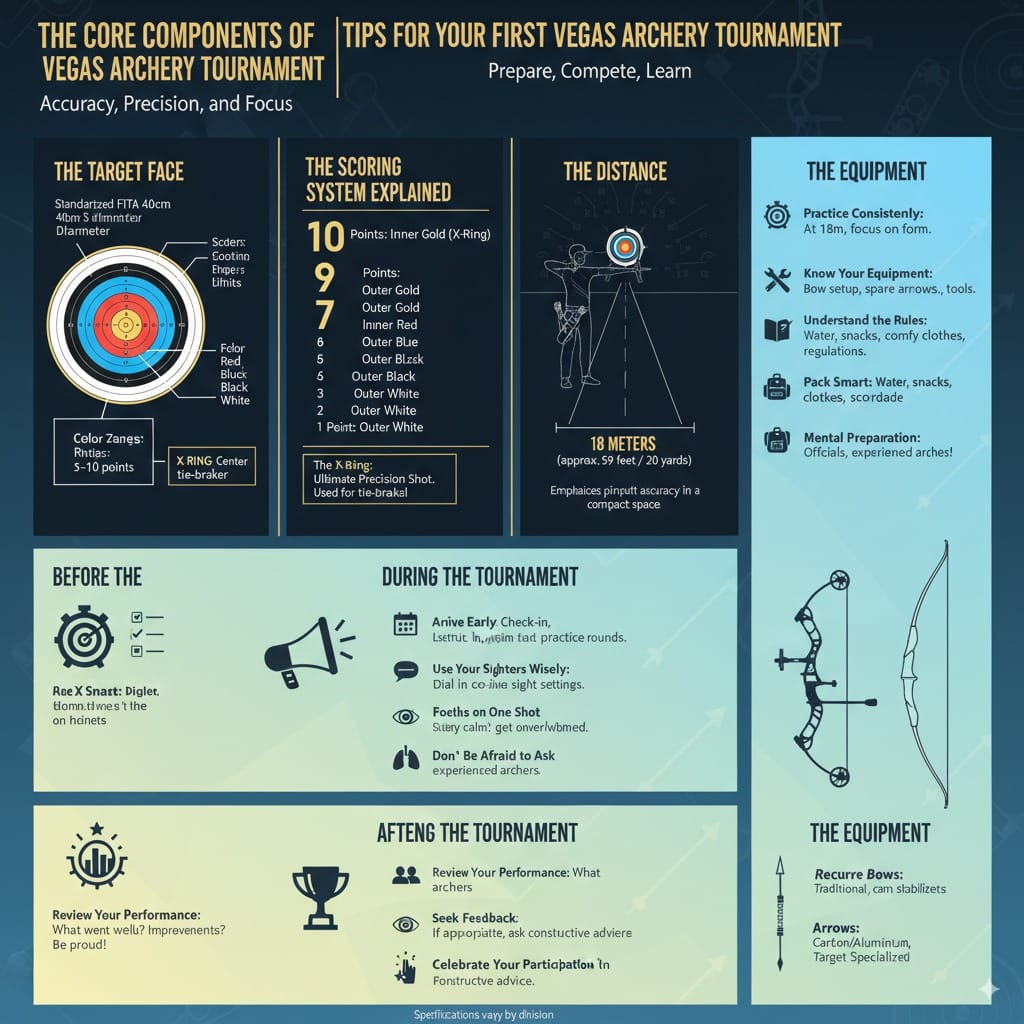
The Target Face
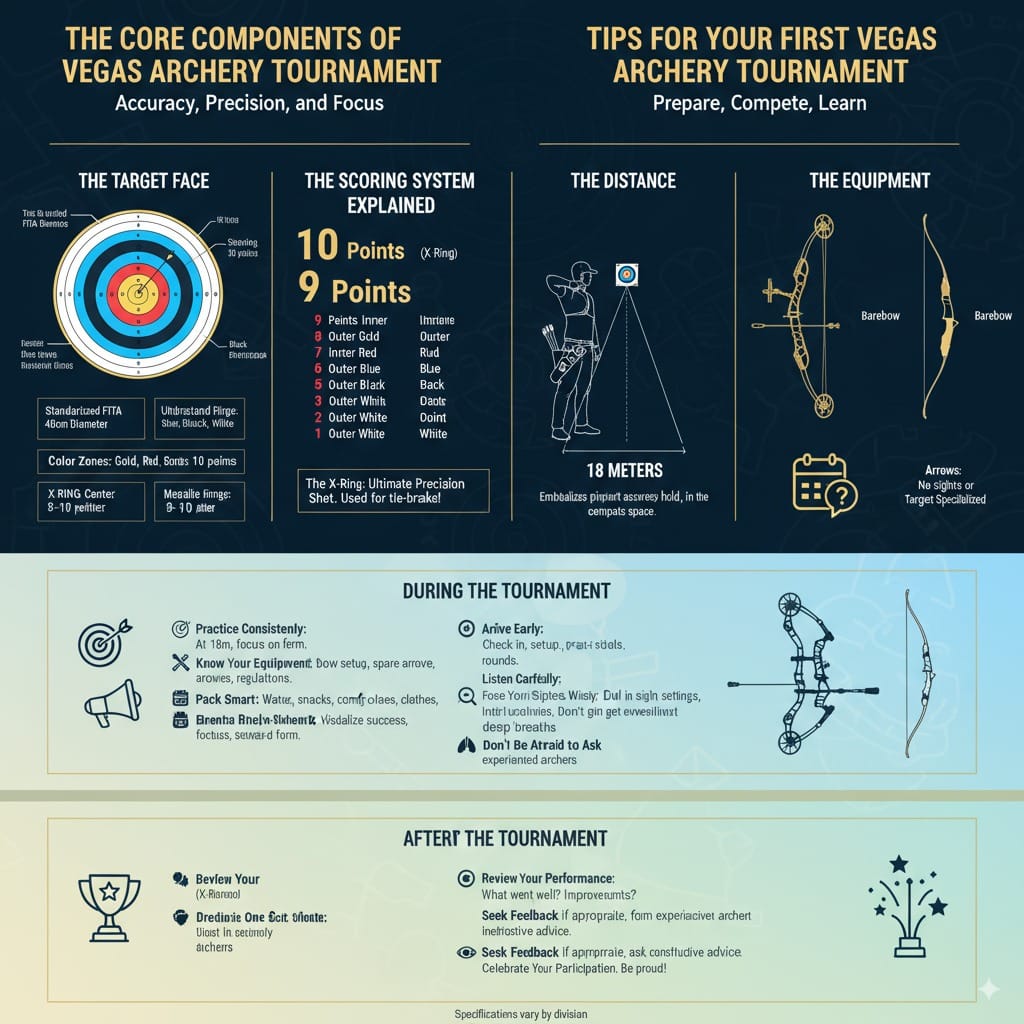
The target used in Vegas archery is a standardized FITA (International Archery Federation) target face. For indoor competitions, this is typically a 40cm target diameter.
- Color Zones: The target is divided into concentric color zones, each representing a different point value. From the center outwards, these colors are gold, red, blue, black, and white.
- Scoring Rings: Each color zone is further divided into rings. The gold center, for example, has two rings: an inner 10-ring and an outer 10-ring. All other color zones have one ring each.
- Point System: The scoring goes from 10 points in the very center (the X-ring, explained later) outwards to 1 point on the outermost white ring.
The Scoring System Explained
Accuracy is key, and the scoring system reflects this. Here’s how points are awarded:
- 10 Points: The inner gold ring (often called the X-ring).
- 9 Points: The outer gold ring.
- 8 Points: The inner red ring.
- 7 Points: The outer red ring.
- 6 Points: The inner blue ring.
- 5 Points: The outer blue ring.
- 4 Points: The inner black ring.
- 3 Points: The outer black ring.
- 2 Points: The inner white ring.
- 1 Point: The outer white ring.
The X-Ring: A crucial element in higher-level archery, the X-ring is the absolute center of the target. Arrows landing in the X-ring are scored as a 10. However, the X is also used as a tie-breaker. If two archers have the same score, the one with more X’s will rank higher. It represents the ultimate precision shot.
The Distance
For most indoor Vegas-style tournaments, the shooting distance is set at 18 meters (approximately 59 feet or 20 yards). This relatively short distance further emphasizes the need for pinpoint accuracy. It’s close enough that slight imperfections in form can lead to significant misses, but far enough to demand real skill and concentration.
The Equipment
While specific bow classes might exist within a tournament, the general equipment used is typically:
- Recurve Bows: These are traditional bows that bend when drawn. They can be simple or have advanced features like sights and stabilizers.
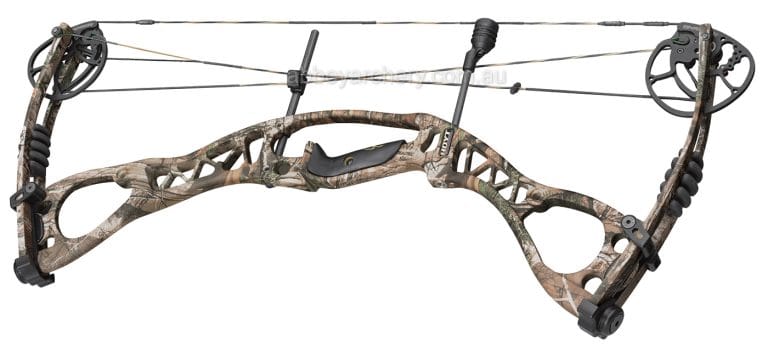
- Compound Bows: These bows use a system of cables and pulleys to reduce the holding weight of the string, making them easier to hold steady for longer periods. They almost always feature sights and other aiming aids.
- Barebow: This category might exist, where archers shoot without any sights or stabilizers attached to the bow.
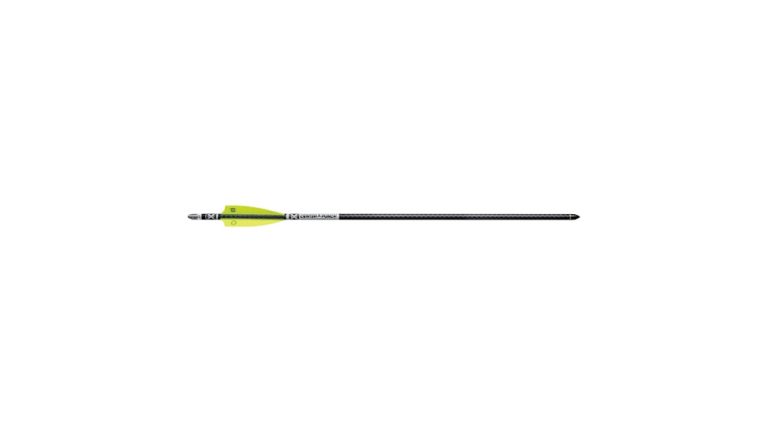
The arrows are generally made of carbon or aluminum and are specialized for target archery. Bows and arrow specifications can vary by division, so it’s always good to check the specific tournament rules.
How a Vegas Archery Competition Day Unfolds
Participating in or even just attending a Vegas archery tournament can be an exciting experience. Here’s a general timeline of what you can expect on competition day:
1. Registration and Check-in
Upon arrival, you’ll need to check in. This usually involves confirming your registration, paying any outstanding fees, and receiving your score card and any specific instructions for the event. It’s a good idea to arrive early to avoid any last-minute rush.
2. Equipment Inspection and Setup
Some tournaments may have an equipment inspection to ensure all bows and arrows adhere to the rules of the specific division you are competing in. Once cleared, you’ll set up your shooting station. This typically includes placing your bow, quiver, and any other necessary gear in your designated area.
3. Practice Rounds (Sighters)
Before the official scoring begins, archers are usually given a chance to shoot “sighters” or practice arrows. This is crucial for getting a feel for the venue, the lighting, and the target. It helps you calibrate your aim and make any necessary adjustments to your sight settings.
4. The Competition Rounds
The tournament proceeds in rounds. Archers will shoot a set number of arrows, typically in ends of three or six arrows. An “end” is simply a set of arrows shot consecutively. For example, a common format is shooting three ends of three arrows each, followed by a scoring period.
Shooting Order: Archers typically shoot in groups or “ends” on assigned lanes. You’ll wait for your turn to shoot or shoot simultaneously in a designated sequence to avoid interference and ensure fair play.
Scoring Process: After each end, a designated official or volunteer will retrieve the arrows. They’ll record the score for each arrow on your score card. This is a critical step, so pay attention to ensure your scores are recorded accurately. You may even be asked to confirm the score before it’s marked.
5. Breaks
Tournaments are usually structured with breaks interspersed between shooting sessions. These breaks allow archers to rest, rehydrate, and maintain their focus. It’s also a good time to interact with fellow archers.
6. Final Scores and Awards
Once all rounds are completed, your total score is calculated. Most tournaments will post the results, and an awards ceremony will often follow to recognize the top archers in each division. Even if you don’t win, the feeling of completing the competition is incredibly rewarding.
Understanding Different Divisions and Formats
Vegas archery tournaments aren’t one-size-fits-all. There are often various divisions and formats to accommodate different skill levels and equipment types. This inclusion makes the sport accessible to a wider range of participants.
Common Divisions
Tournaments typically categorize archers to ensure fair competition. These divisions are usually based on the equipment used and sometimes experience level:
- Recurve Division: For archers using recurve bows, which may or may not include sights and stabilizers depending on the specific division rules.
- Compound Division: For archers using compound bows, which generally allow for sights, scopes, and release aids.
- Barebow Division: For archers shooting recurve bows without any sights or stabilizers. This division relies purely on the archer’s ability to aim without mechanical assistance.
- Traditional/Olympic Recurve (less common in Vegas style): Sometimes, a category for older, more basic recurve bows without modern enhancements might exist.
Tournament Formats
While the core shooting style remains consistent, the overall tournament structure can vary:
- NFAA/Vegas Style (The Classic): This is the most common format, shot indoors at 18 meters. It often involves shooting a specific number of arrows per end, with scoring happening after each end or group of ends. Participants shoot a total of either 30 or 60 arrows.
- Outdoor FITA/World Archery: Although this guide focuses on “Vegas” style (indoor), it’s worth noting that outdoor FITA tournaments use larger targets and different distances (e.g., 70 meters for recurve).
- Other Variations: Some smaller local tournaments might have unique rules or scoring systems, so always read the event details carefully.
The NFAA (National Field Archery Association) has a significant influence on many “Vegas-style” events, so familiarizing yourself with their basic rules can be helpful. You can find their general rules on the NFAA Official Rulebook.
Key Rules and Etiquette for a Smooth Tournament
Archery tournaments, whether large or small, function best when everyone adheres to a common set of rules and shows respect for the sport and fellow competitors. Here’s what you need to know:
General Rules and Safety
- Arrow Safety: Never draw a bow without an arrow nocked and aimed at a target. Never dry fire a bow (draw and release the string without an arrow), as this can damage the bow and be dangerous.
- On the Line: Only step up to the shooting line when instructed to do so.
- Shooting Sequence: Archers typically shoot in a designated order within their group to avoid interfering with each other. Pay attention to the signals or commands given by tournament officials.
- Arrow Retrieval: Arrows are only retrieved after all archers on the line have finished shooting their end and the range is declared safe by the official.
- Equipment Integrity: Ensure your equipment is in good working order. Broken parts or unsafe practices can lead to disqualification.
- No Interference: Avoid distracting other archers, especially when they are on the shooting line or preparing to shoot.
Tournament Etiquette
Good etiquette makes the experience enjoyable for everyone:
- Be Punctual: Arrive early for registration and practice.
- Respect Officials: Listen to and follow instructions from tournament officials and range officers. They are there to ensure safety and fair play.
- Maintain Lanes: Keep your shooting area tidy and free of obstructions.
- Score Card Accuracy: Double-check your scores as they are recorded. If you spot an error, politely bring it to the attention of the scorer immediately.
- Sportsmanship: Congratulate fellow archers on good shots, and be gracious in both victory and defeat. Learning from others is a great part of competitive archery.
- No Coaching During Competition: Unless specifically allowed in a division for very young participants, coaching is generally prohibited during shooting rounds.
Familiarizing yourself with the official rules from governing bodies like World Archery (World Archery Rules) can also provide a deeper understanding, even if local tournaments adapt some specific regulations.
Tips for Your First Vegas Archery Tournament
Stepping into your first Vegas-style archery tournament can be a mix of excitement and nerves. Here are some practical tips to help you feel more prepared and confident:
Before the Tournament:
- Practice Consistently: Spend time at your local range practicing at 18 meters. Focus on form, consistency, and shooting under some time pressure if possible.
- Know Your Equipment: Ensure your bow is properly set up and tuned. Make sure you have spare arrows and any necessary tools for minor adjustments.
- Understand the Rules: Read through the specific rules for the tournament you are entering. Pay close attention to the divisions, scoring, and any unique regulations.
- Pack Smart: Bring water, snacks, comfortable clothing, and anything else you might need for a few hours at the range. Don’t forget your score card if you’ve been given one to fill out beforehand.
- Mental Preparation: Visualize yourself shooting well. Focus on executing each shot with good form, rather than solely on the score.
During the Tournament:
- Arrive Early: Give yourself ample time for check-in, setting up, and the practice rounds (sighters). Rushing can increase anxiety.
- Listen Carefully: Pay close attention to instructions from tournament officials. They will guide you through the process.
- Use Your Sighters Wisely: Treat your practice arrows as an opportunity to dial in your sight settings and get comfortable with the distance and target.
- Focus on One Shot at a Time: Don’t get overwhelmed by the total score. Concentrate on making each individual arrow the best shot you can.
- Breathe and Relax: Archery requires a calm mind. Take deep breaths between shots and try to stay relaxed.
- Be Observant: Watch experienced archers, but don’t get caught up comparing yourself. Learn from their techniques and composure.
- Don’t Be Afraid to Ask: If you’re unsure about something, politely ask a tournament official or an experienced archer. Most people are happy to help beginners.
After the Tournament:
- Review Your Performance: Think about what went well and what you could improve. Did your practice pay off? Were there specific shots you’re proud of?
- Seek Feedback (if appropriate): If you built good rapport with an official or another archer, a polite request for constructive feedback might be beneficial.
- Celebrate Your Participation: You competed! That’s a significant achievement. Be proud of taking the step to participate.
Remember, your first tournament is about learning and experiencing. The scores will improve with practice and experience. The goal is to have fun and enjoy the sport!
FAQ: Your Vegas Archery Tournament Questions Answered
Here are some common questions beginners might have about Vegas archery tournaments:
Q1: What is the main difference between a regular archery competition and a “Vegas” style tournament?
A: The main difference is the environment and distance. “Vegas” style tournaments are typically held indoors at a fixed distance of 18 meters, using a standardized FITA target face. This controlled environment emphasizes accuracy and consistency without external factors like wind.
Q2: How many arrows do you shoot in a Vegas tournament?
A: The exact number can vary by tournament, but a very common format is shooting 30 arrows. These are usually divided into 10 ends of 3 arrows each. Some larger events might involve shooting 60 arrows.
Q3: What is the “X” on the target and why does it matter?
A: The “X” marks the absolute center of the bullseye (the 10-point ring). While an “X” shot scores 10 points just like the rest of the 10-ring, it is used as a tie-breaker. If two archers have the same total score, the archer with more “X” shots wins.
Q4: Do I need a special bow to compete?
A: Not necessarily. Tournaments usually have different divisions for different types of bows, such as recurve, compound, and barebow. You can compete with the equipment you have, just make sure you enter the correct division for your setup.
Q5: How important is the practice/sighter round?
A: The practice round is very important! It’s your opportunity to check your sight settings, get a feel for the lighting, and ensure your arrows are grouping where you expect. It helps you make any necessary adjustments before the scoring begins.
Related pick: Check today's price on Amazon