How to Qualify for Olympic Archery: The Path Explained
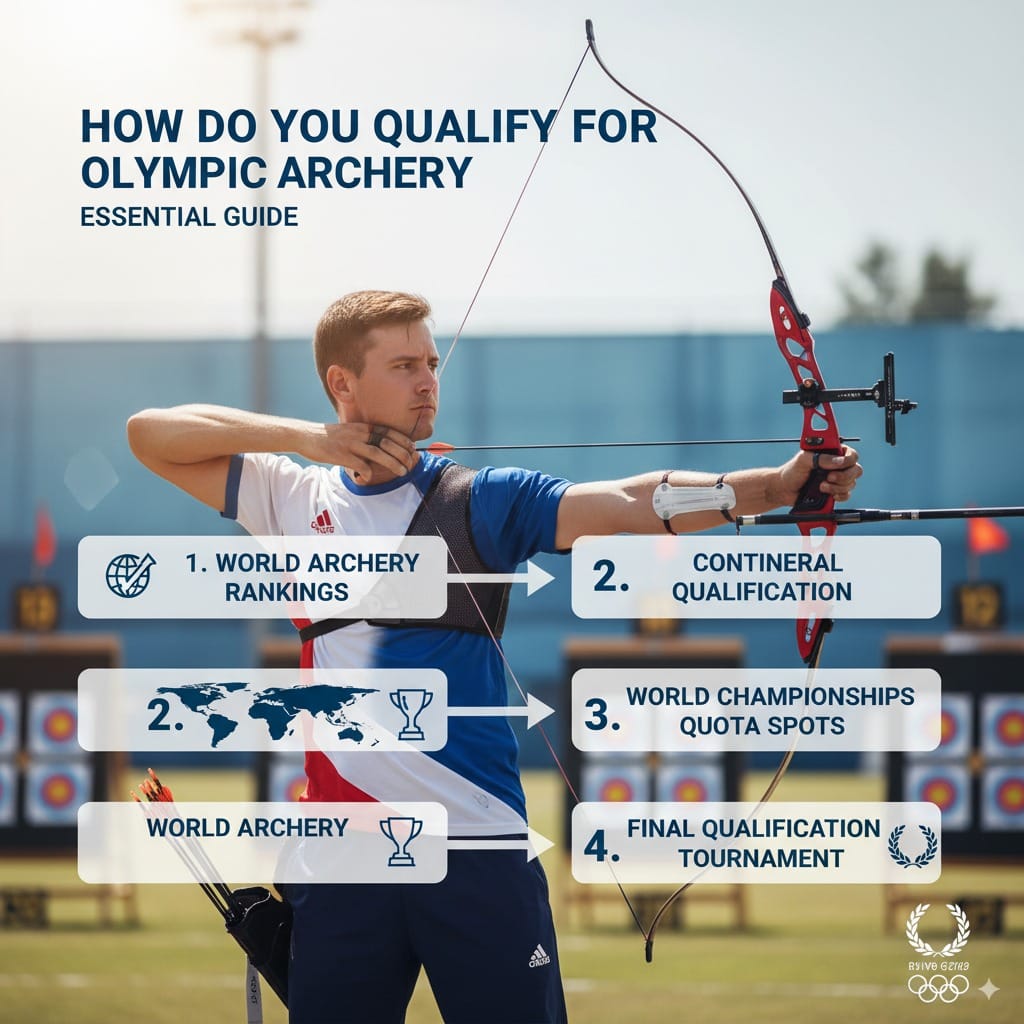
To qualify for Olympic Archery, archers must first achieve national and international ranking through competitive success. This involves rigorous training, participating in sanctioned tournaments, and meeting specific Olympic qualification standards set by World Archery and their respective National Olympic Committees. For more on this, see our guide on Is Bow Fishing Legal in Colorado? Everything You Need to Know. For more on this, see our guide on Are There Trees at Standing Rock? Exploring Nature’s Presence.
Ever watched the Olympics and been mesmerized by the precision and grace of the archers? You might wonder, “How on earth do they get there?” It seems like a world away, a skill reserved for a select few. But what if I told you that the path, while challenging, is incredibly structured and achievable with dedication? Many beginners feel intimidated by the idea of reaching such elite levels. The good news is that understanding the journey is the first step to appreciating the sport and perhaps even setting your own long-term archery goals. This guide will break down exactly what it takes to qualify for Olympic Archery, making it clear and approachable, no matter where you are in your archery journey.
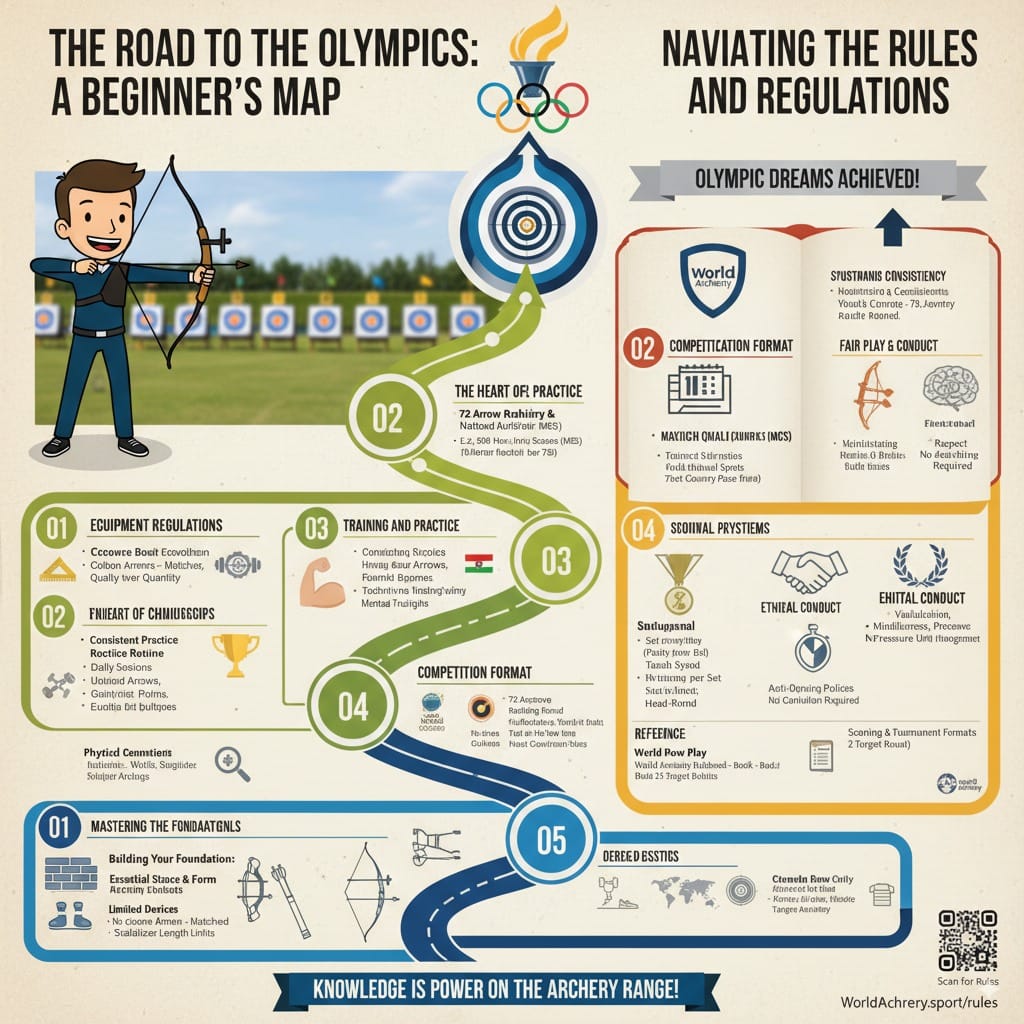
The Road to the Olympics: A Beginner’s Map
Embarking on the journey to Olympic Archery qualification can seem like a huge mountain to climb. But remember, every Olympian started somewhere, often right where you might be now – learning the basics and dreaming big. Think of this guide as your friendly coach, walking you through the essential steps and requirements. We’ll demystify the process, from the fundamental skills needed to the official pathways recognized by the global archery community. Our goal is to make this exciting, albeit lengthy, pursuit feel manageable and inspiring.
Step 1: Mastering the Fundamentals – Building Your Foundation
Before anyone can even think about the Olympics, they need to build a solid foundation. This is where you, as a beginner or hobbyist, focus your energy. Olympic archery relies on incredibly precise technique, consistency, and mental fortitude. Without a strong grasp of the basics, anything built on top will be unstable.
The Essential Archery Stance and Form
Everything starts with how you stand and hold the bow. Olympic archers have perfected their stance for maximum stability and balance. It’s not just about pointing and shooting; it’s a full-body engagement.
- Stance: Usually a square stance, with feet shoulder-width apart and aligned with the target. Weight should be evenly distributed for balance.
- Grip: A relaxed grip on the bow is crucial. Too tight, and you’ll torque the bow; too loose, and it might slip. The grip pressure should be consistent.
- Nocking: The arrow must be placed securely on the arrow rest and string.
- Set-up and Draw: This involves raising the bow arm and drawing the string back smoothly. Key elements include shoulder engagement and back tension.
- Anchor Point: A consistent anchor point – where your drawing hand touches your face – is vital for repeatable shots.
- Aiming: Utilizing a sight and understanding aiming techniques, often involving focus on the front sight pin and aligning it with the target.
- Release: A surprise release, where the drawing hand relaxes smoothly without conscious effort, is critical for accuracy.
- Follow-Through: Maintaining your form and aim after the arrow has left the bow ensures consistency.
Choosing the Right Equipment
For Olympic-style archery, the equipment is highly specialized. Beginners often start with more forgiving setups, but as you progress towards competitive goals, understanding the nuances of Olympic recurve equipment becomes key.
- Recurve Bow: This is the only bow type permitted in Olympic archery. It consists of a riser (the handle), limbs, and a string.
- Arrows: Typically made of carbon, these are matched for weight, spine (stiffness), and length to the archer and bow for optimal flight.
- Sights: Advanced sights allow for precise adjustments for distance.
- Stabilizers: These help reduce vibration and improve balance.
- Clicker: A small device that makes an audible click when the draw length is reached, ensuring consistency.
- Arrow Rest: Supports the arrow as it sits on the bow waiting to be shot.
As you improve, you’ll work with coaches and experienced archers to fine-tune your equipment. For instance, the draw weight of your bow will gradually increase as your strength builds. The World Archery equipment rules provide detailed specifications that Olympic hopefuls must adhere to.
Step 2: Training and Practice – The Heart of Improvement
Achieving Olympic-level accuracy requires thousands of hours of dedicated practice. It’s not just about shooting a lot; it’s about shooting with purpose.
Consistent Practice Routine
Olympic archers train almost daily. This isn’t a casual hobby if you’re aiming for the top.
- Frequency: Multiple shooting sessions per week, often daily.
- Volume: Shooting dozens, even hundreds, of arrows per session.
- Quality over Quantity: While volume is important, each shot should be deliberate, focusing on form and execution.
Physical Conditioning
Archery is more demanding than it looks. Strength, endurance, and flexibility are crucial.
- Upper Body Strength: To draw and hold the bow consistently.
- Core Strength: For stability and balance during the shot.
- Endurance: To maintain form and focus over long tournament days.
- Flexibility: For proper posture and movement.
- Mental Toughness: Handling pressure, focus, and overcoming nerves.
Regular exercise, including specific strength training and conditioning programs, complements shooting practice. Many elite athletes work with sports psychologists to hone their mental game.
Seeking Expert Coaching
You can’t effectively coach yourself to Olympic levels. A qualified coach is invaluable.
- Technical Feedback: Identifying and correcting flaws in form.
- Training Plans: Developing structured programs tailored to your needs and goals.
- Mental Skills: Guidance on focus, stress management, and performance psychology.
- Equipment Tuning: Assistance in selecting and adjusting equipment.
Look for coaches certified by your national archery association or those with proven experience training high-level athletes. For example, USA Archery offers coaching development programs which indicate a commitment to structured training.
Step 3: Entering the Competitive Arena
Once you have a solid technical base and are consistently shooting well, it’s time to test your skills against others. This is where the journey to official qualification truly begins.
Local and Regional Competitions
Start small and build your confidence.
- Understanding Rules: Familiarize yourself with tournament procedures and scoring.
- Gaining Experience: Learn to manage nerves and perform under pressure.
- Networking: Meet other archers and learn from their experiences.
National Championships and Sanctioned Events
To be recognized for Olympic qualification, you must compete in events sanctioned by your National Olympic Committee (NOC) and World Archery.
- Achieving Scores: Aim to shoot official qualification scores at these events to establish your ranking.
- Ranking Points: Performance in these tournaments earns you points that contribute to your national and international standing.
- Exposure: These events are where national coaches and selectors observe potential candidates.
Step 4: The Official Olympic Qualification Pathway
This is where the official requirements and competition structures come into play. It’s a multi-layered process.
World Archery and National Federation Requirements
Each country has its own system, but they all operate under the umbrella of World Archery, the sport’s international governing body. You must be a member of your national federation.
- National Selection Process: Your NOC and its affiliated archery federation (e.g., USA Archery for the United States) will have specific selection criteria and trials.
- World Archery Rankings: While not the sole determinant, maintaining a strong World Archery ranking is typically essential. This is achieved by competing in international tournaments sanctioned by World Archery.
- Olympic Qualification Tournaments: Specific international events serve as direct qualification opportunities for the Olympics. These are often continental championships or dedicated qualification tournaments.
Meeting Minimum Qualification Scores (MQS)
World Archery sets Minimum Qualification Scores (MQS) that archers must achieve in official competitions to be eligible for selection. These scores vary based on the event and gender.
For example, a typical MQS for the Olympic Games target is 630 points for men and 600 points for women out of a possible 720 in a FITA Round (now World Archery 72-arrow round). These scores must be achieved in specific, designated tournaments.
The Continental Quota and Host Country Spot
The International Olympic Committee (IOC) and World Archery allocate a certain number of qualification spots (quota places) to each continent based on participation and performance. Typically, there are:
- Team Spots: Countries qualify teams (usually 3 archers per team) by performing well at World Championships or specific Olympic Qualification Tournaments.
- Individual Spots: If a country doesn’t qualify a full team, they might still earn individual spots through continental events or a World Final Qualifier.
- Host Country Place: The host nation of the Olympic Games is usually guaranteed at least one spot per gender in each sport, which can be awarded to an athlete regardless of whether they met other qualification standards.
Olympic Trials (National Level)
Even if you meet all international requirements, most countries hold their own national Olympic Trials. These are usually highly competitive events where the top-performing archers in the nation earn their place on the Olympic team.
- Selection Criteria: These trials are the final hurdle, where archers compete against their compatriots for a limited number of spots.
- Performance Under Pressure: Trials are designed to simulate Olympic pressure, giving selectors a clear picture of who can perform when it matters most.
Step 5: Sustaining Peak Performance and Mental Game
Qualifying is one thing; performing at the Olympics is another. The journey doesn’t end with earning a spot. It’s a continuous process of refinement.
Maintaining Consistency
The ability to shoot high scores consistently, even when tired or under immense pressure, is what separates the best from the rest. Archers work on drills that simulate fatigue and high-stress scenarios.
Mental Preparation
The mental aspect of archery is paramount. Dealing with nerves, maintaining focus, and bouncing back from bad shots are skills that must be trained just like physical technique.
- Visualization: Mentally rehearsing successful shots and performances.
- Mindfulness: Staying present and focused on the current shot rather than past mistakes or future outcomes.
- Pressure Management: Developing strategies to stay calm and perform under the intense spotlight of international competition.
Understanding Scoring and Tournament Formats
Olympic archery uses a match-play format in addition to the initial ranking rounds. Archers need to be proficient in both.
The ranking rounds involve shooting a World Archery 72-arrow round at a distance of 70 meters. Afterward, archers compete in a series of head-to-head elimination matches. These matches are typically scored using the World Archery Match Play system, where archers shoot in sets, with points awarded for winning each set. This requires different strategies and mental approaches than simply shooting for a high score.
Key Milestones on the Path to Olympic Archery
To give you a clearer picture of the progression, here are some key milestones an aspiring Olympic archer might aim for:
| Stage | Focus | Typical Goals | Key Activities |
|---|---|---|---|
| Beginner | Learning basics, equipment familiarity, safety | Consistent stance, draw, release; hitting the target consistently | Local club practice, beginner courses, casual shoots |
| Intermediate | Improving accuracy, consistency, basic conditioning | Shooting within a specific score range (e.g., 250+ in a 300 round); developing muscle memory | Regular practice, joining a club league, first local tournaments |
| Advanced/Competitive | Refining technique, strength & conditioning, mental skills | Achieving MQS for national events, scoring consistently high in sanctioned tournaments | Intensive coaching, regional and national tournaments, developing competitive strategies |
| Elite/Olympic Hopeful | Mastering technique under pressure, international competition, Olympic qualification | Exceeding MQS, achieving high rankings in international events, winning national trials | World Cup stages, continental championships, world championships, dedicated Olympic trials |
Training with Purpose: Beyond Just Shooting Arrows
It’s crucial to understand that Olympic qualification isn’t just about sending arrows downrange until you hit a certain score. It’s a holistic approach.
The Importance of Data and Analysis
Modern elite sports involve rigorous data tracking. Archers and their coaches analyze every aspect of their performance.
- Shot Groupings: Analyzing where arrows land relative to each other to identify inconsistencies.
- Score Tracking: Monitoring progress over time in various conditions.
- Equipment Tuning: Using data to make precise adjustments to bows and arrows.
- Video Analysis: Breaking down shooting form frame by frame to detect subtle errors.
Nutrition and Recovery
Physical readiness is key. This includes proper nutrition to fuel the body for intense training and adequate recovery to prevent injuries and burnout.
- Balanced Diet: Ensuring intake of proteins, carbohydrates, and healthy fats.
- Hydration: Staying well-hydrated, especially during long training days and competitions.
- Rest: Sufficient sleep is critical for muscle repair and mental restoration.
- Injury Prevention: Incorporating stretching, foam rolling, and rest to maintain physical health.
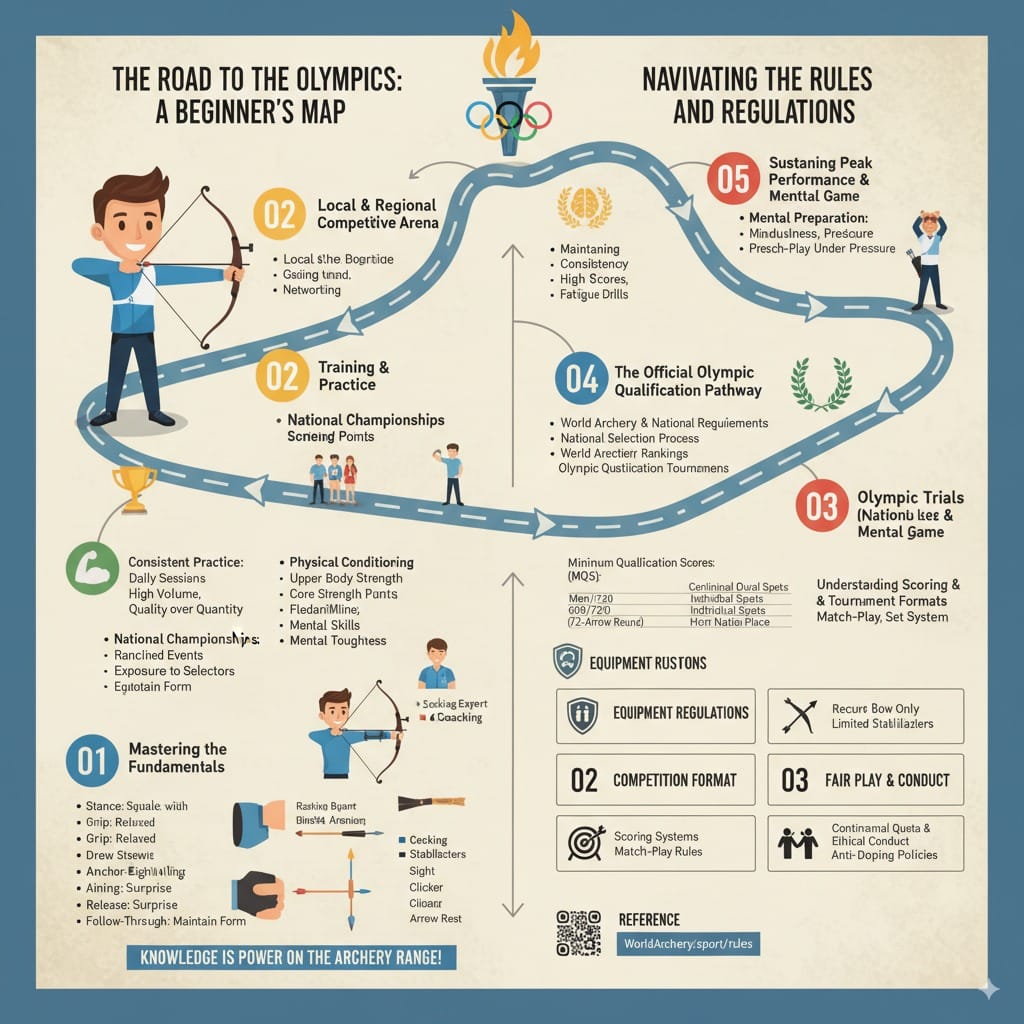
Navigating the Rules and Regulations
The world of competitive archery has a strict set of rules governed by World Archery. Understanding these is part of the qualification process.
- Equipment Regulations: Both the bow and arrow specifications are detailed and must be followed. Devices like compound sights or stabilizers are limited.
- Competition Format: Knowing the scoring systems, match-play rules, and field of play regulations is essential.
- Fair Play: Adhering to rules of sportsmanship and ethical conduct is paramount.
You can find comprehensive rulebooks for international competitions on the World Archery website. For example, the World Archery Constitution and Rules are thoroughly detailed, covering everything from equipment dimensions to competition procedures.
Frequently Asked Questions About Olympic Archery Qualification
Here are some common questions aspiring archers have about making it to the Olympic stage:
Q1: How old do you need to be to compete in Olympic Archery?
There isn’t a strict minimum age set by World Archery for international competition, but archers must generally be mature enough to handle the physical and mental demands. National federations may have their own age-group categories for development. However, for the Olympics themselves, athletes are typically in their late teens to their thirties, as the training and competitive experience required usually takes many years to develop.
Q2: Can I start archery late in life and still qualify for the Olympics?
While most Olympic archers start at a young age, it is technically possible to start later if you possess exceptional talent, dedication, and a structured training plan. The key is rapid development of high-level skills and achieving competitive results quickly. It’s a significant challenge, but not impossible with the right approach and resources.
Q3: What is the difference between Olympic Archery and other forms like Compound Archery?
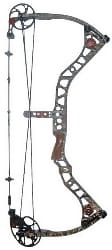
Olympic Archery specifically uses the recurve bow discipline. Compound bows, which use a system of pulleys and cams to reduce the effort needed to hold the string at full draw and often have a mechanical release aid, are not permitted in the Olympic Games. World Archery sanctions both recurve and compound archery in other international events, but only recurve is part of the Olympics.