Is Archery Expensive? Cost Breakdown for Beginners
Archery is often seen as a sport of ancient warriors, Olympic champions, or even fantasy heroes. But for many people today, the real question is much more practical: Is archery expensive? Whether you want to shoot for fun, join a club, or even compete, you may wonder if your budget can handle it. The truth is, the cost of archery can be as flexible as the bowstring itself. Some people start with only a small investment, while others spend thousands on high-end gear and coaching.
In this article, we’ll break down every aspect of archery’s cost, equipment, lessons, club fees, maintenance, and even hidden expenses. By the end, you’ll know what to expect, what to avoid, and how to enjoy archery without breaking the bank.
If you’re thinking about trying this sport, or if you’re a parent considering it for your child, you’ll find clear answers here.
Understanding The Basic Costs Of Archery
When someone first thinks about picking up archery, the main concern is usually the price of equipment. Bows, arrows, safety gear, and targets all have price tags. But unlike many hobbies, archery’s starting costs can vary a lot based on your choices.
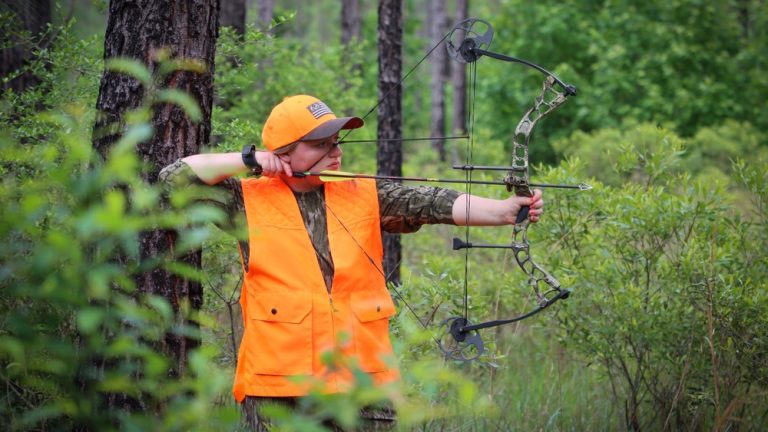
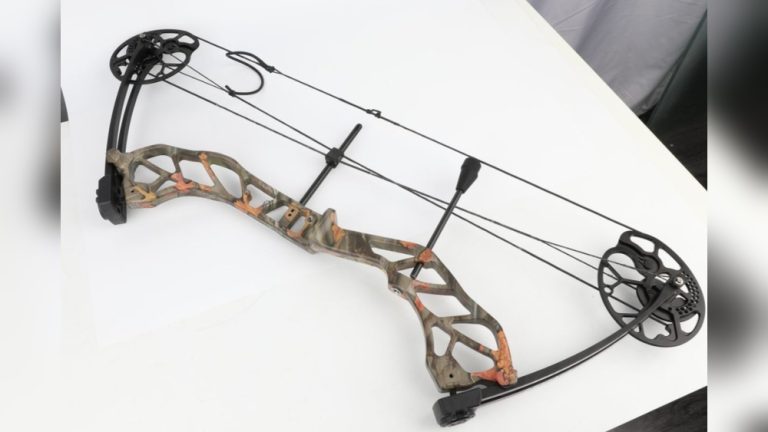
For a beginner, a simple recurve bow set can often be found for around $100, $200. This typically includes the bow, a few arrows, and maybe an arm guard or finger tab. Compound bows, which use pulleys and are more advanced, can start closer to $300, $400, and quickly rise in price with features or brand reputation.
But there’s a catch. While the first purchase feels big, archery gear usually lasts for years if cared for properly. If you buy used equipment, or rent from a club or range, the initial cost goes down further. Renting a bow at a range might cost only $10, $20 per session, letting you try the sport before buying anything.
Comparing The Cost Of Entry-level Vs. Advanced Equipment
To make the difference clear, here is a side-by-side look at typical beginner and advanced setups:
| Item | Beginner Price Range | Advanced Price Range |
|---|---|---|
| Recurve Bow | $100, $200 | $600, $1,500+ |
| Compound Bow | $300, $400 | $800, $2,000+ |
| Arrows (set of 6) | $30, $60 | $100, $300 |
| Accessories (tab, arm guard, quiver) | $20, $50 | $100, $300 |
| Target | $30, $60 | $100, $500 |
As you can see, archery can be affordable if you stick with basic options, but it can become costly if you go for top-tier equipment. The most important thing is that you don’t need the expensive gear to begin or to enjoy the sport.
Ongoing Expenses: What You’ll Pay Over Time
The price of starting archery is only the beginning. To keep shooting, you’ll have ongoing costs. These include maintenance, replacement parts, range fees, and possibly lessons.
Maintenance And Replacement
Bows need occasional care. String replacement is the most common maintenance task, usually needed every 6, 12 months for active shooters. A bowstring for a recurve or compound bow costs around $10, $30. Wax for keeping strings healthy costs just a few dollars and lasts a long time.
Arrows break or get lost. Beginners might lose or damage more arrows, so expect to replace a few each year. Buying arrows in bulk saves money, but you might still spend $30, $60 annually.
If you shoot often, you’ll need to replace fletchings (the feathers or vanes), nocks, or tips. These parts are inexpensive individually, but the cost can add up over time.
Range And Club Fees
If you don’t have space at home, you’ll probably shoot at a range or club. Many ranges charge by the hour or have a day rate, often $10, $20 per visit. Some clubs offer annual memberships, which can range from $100, $300 per year, with discounts for families or juniors.
Joining a club has other benefits: access to coaching, organized events, and a community of fellow archers. For some, the social value is as important as the savings.
Lessons And Coaching
Instruction is optional, but most beginners benefit from a few lessons. Group lessons at community centers or clubs can be very affordable, sometimes as low as $10, $20 per session. Private coaching is more expensive, often $40, $80 per hour.
Pro Tip: Many clubs include beginner lessons in their membership, so ask before paying extra for private coaching.
Regular Expense Breakdown
Here is a sample of what you might pay yearly as a casual archer:
| Expense | Annual Estimate |
|---|---|
| Bowstring Replacement | $20 |
| Arrow Replacement | $50 |
| Club Membership | $150 |
| Lessons (4 group sessions) | $60 |
| Misc. Accessories | $30 |
Total: Around $310 per year for a moderate level of participation, not counting travel or competition.

Credit: www.youtube.com
Cost Of Competing In Archery
If you decide to compete, costs can increase. Tournament fees, travel, and specialized equipment can all add up.
Tournament Fees
Local competitions often charge $10, $30 per entry. Regional or national events can cost $50, $200 or more, especially if you need to travel and stay overnight.
Travel And Accommodation
For bigger tournaments, travel becomes a major expense. Gas, hotels, and meals might double or triple your event costs. Some archers carpool or share rooms to cut down on these costs.
Upgrading Equipment
Serious competitors often upgrade to higher-quality bows, sights, stabilizers, and custom arrows. This can mean spending hundreds or even thousands more. However, many archers work up to these purchases slowly, spreading out the cost over several years.
Example: The Cost Of A Year In Competitive Archery
Let’s estimate expenses for a committed amateur who competes in 5 local and 2 regional events per year:
- Tournament entry fees: $200
- Travel/hotels (regional events): $400
- Upgraded equipment (annualized): $500
- Club membership: $150
- Ongoing maintenance: $100
Total: Around $1,350 per year, not counting personal time.
This is much less than the yearly cost of some sports like golf or equestrian events, but more than sports like running or casual cycling.
Ways To Make Archery More Affordable
Archery doesn’t have to be expensive. Many people enjoy the sport without spending a lot. Here are some practical ways to save money:
- Start with Used Equipment: Many archers upgrade their gear and sell their old bows and arrows at a discount. Look for reputable sellers at clubs or online forums.
- Rent Before You Buy: Most ranges offer rental packages. Try different bows and see what feels right before making a purchase.
- Join a Club: Club memberships often include range access, group lessons, and social events, making them a good value.
- Buy in Bulk: Arrows, fletchings, and nocks are cheaper in larger quantities.
- DIY Targets: Instead of buying expensive targets, many archers make their own from foam blocks, straw bales, or layered cardboard.
- Maintain Your Gear: Clean and inspect your bow and arrows regularly. Replacing a string is cheaper than fixing a damaged bow.
- Share with Family or Friends: Some equipment, like targets and certain accessories, can be shared.
Example: In my experience, buying a used recurve bow and sharing a target with a friend allowed me to practice for months before spending more on upgrades. I learned what mattered most to me and saved money by avoiding unnecessary purchases.

Credit: www.youtube.com
Comparing Archery With Other Sports
To understand if archery is expensive, it helps to compare it with other hobbies. Here’s a quick look at annual costs for some popular activities:
| Sport | Typical Annual Cost | Main Expenses |
|---|---|---|
| Archery | $300, $1,500 | Equipment, range fees, competitions |
| Golf | $1,000, $3,000+ | Clubs, green fees, lessons |
| Tennis | $200, $1,000 | Racquets, court fees, lessons |
| Cycling | $500, $5,000+ | Bikes, gear, race fees |
| Soccer | $100, $500 | Cleats, uniforms, league fees |
Archery can fit nearly any budget, falling between low-cost team sports and expensive hobbies like golf or cycling.
Hidden Costs And Surprises
Even with careful planning, some costs catch beginners off guard. Here are a few you might not expect:
- Travel Time: Ranges aren’t always nearby. Driving to practice can add up in fuel and time.
- Weather Impact: If you shoot outdoors, bad weather means lost practice days. Some archers pay extra for indoor range access.
- Upgrades: As you improve, you may want better sights, stabilizers, or custom grips. These upgrades can be addictive and expensive.
- Accidental Damage: Dropping a bow, breaking arrows, or damaging a string can lead to unexpected costs. Insurance is rare but sometimes available for high-value gear.
Pro Tip: Set aside a small “surprise fund” for archery to cover these unexpected expenses.
Non-obvious Insights That Save You Money
Most beginners focus on the price of the bow itself, but two things can affect your wallet more in the long run:
- Arrow Loss and Breakage: Arrows are often overlooked but are the most frequently replaced item. Practicing in open fields or at home without a proper backstop can quickly lead to lost or damaged arrows. Investing in a good backstop saves money over time.
- Club Connections: Building relationships at your local club can lead to gear swaps, shared travel costs, and even free coaching. Many experienced archers are happy to mentor newcomers, reducing your need for paid lessons.
Another subtle point is that resale value for quality archery gear is quite good. If you buy a well-known bow and keep it in good condition, you can often sell it later for a strong percentage of the original price, something that’s rare in many other sports.
What Really Drives The Cost Of Archery?
The real driver of archery’s expense is your own ambition. If you’re happy shooting for fun at a local club, the costs are modest. If you dream of Olympic competition, expect to spend much more.
Your personal approach determines your expenses:
- Casual backyard shooters can get started for under $200 and spend little each year.
- Club members who shoot regularly might budget $300, $500 annually.
- Competitive archers often invest $1,000 or more per year.
The key is to match your spending to your goals. Don’t be pressured to buy advanced gear unless you need it. Skills matter more than equipment, especially for beginners.

Credit: www.whatconverts.com
Frequently Asked Questions
How Much Does It Cost To Start Archery As A Complete Beginner?
Most beginners can start with a basic recurve bow set for around $100, $200, plus a few simple accessories. Renting equipment at a range is even cheaper at first, usually $10, $20 per session. You don’t need to buy everything at once, start small and add gear as you learn.
Are There Grants Or Financial Help For Young Archers?
Some local clubs, schools, and organizations offer scholarships or loaner equipment for youth programs. The National Archery in the Schools Program (NASP), for example, provides equipment and instruction to students in many US schools. Check with your local range or club for similar opportunities.
Can I Make My Own Archery Gear To Save Money?
Yes, many archers enjoy building DIY targets from foam, straw, or cardboard. Making your own arrows is also possible, but requires tools and patience. However, bows should always be purchased from reliable sources to ensure safety, homemade bows can be risky without proper knowledge.
Is Archery Cheaper If I Practice At Home?
Practicing at home saves on range fees, but only if you have enough safe space and a good backstop for arrows. You’ll still need to buy or build a target, and check local laws about using bows in your area.
Always consider safety for yourself and others.
Does Spending More On Equipment Make You A Better Archer?
Better equipment can help, but skill and practice are far more important. Many top archers started with basic bows and focused on technique. Upgrade your gear only after you outgrow your current setup or have specific needs for competition. For most people, lessons and regular practice are the best investment.
If you want to learn more about the broader impact and growth of archery, you can visit the Wikipedia page on Archery for detailed history and statistics.
Archery’s cost is flexible, and with the right approach, it’s easy to enjoy this sport without spending more than you can afford. Whether you’re aiming for a bullseye in your backyard or preparing for your first tournament, the real value comes from the joy of shooting, and that’s something you can’t always measure in dollars.