How Expensive Is Olympic Archery? Real Cost Breakdown
Olympic archery requires a significant investment, with high-quality equipment costing from $1,000 to over $5,000. While professional gear is pricey, beginners can start affordably for under $500, making the dream accessible with smart choices.
Many aspiring archers look at the precision and power of Olympic athletes and wonder, “Just how expensive is Olympic archery?” It’s a fair question, especially when you see those sleek bows and incredible scores. You might think it’s a sport only the wealthy can afford. But don’t let the perceived cost discourage you! Archery is more accessible than you might imagine. We’re here to break down the costs, from the absolute essentials for a beginner to the top-tier gear used by Olympians.
Understanding the different levels of equipment and their price points will help you make informed decisions. You’ll learn what you really need to get started and how much it costs to reach for the podium. Let’s dive into the essential truths about the expense of Olympic archery.
Deconstructing the Cost: What Makes Olympic Archery Expensive?
The core of the expense in Olympic archery comes down to the specialized, high-performance equipment required to achieve peak accuracy and consistency. Unlike recreational archery, where a basic setup might suffice, Olympic-level archery demands precision engineering and cutting-edge materials. Every component is designed to minimize variables and maximize performance under extreme pressure.
Think of it like comparing a standard bicycle to a professional racing bike. Both have wheels and handlebars, but the racing bike uses lighter, stronger materials, advanced aerodynamics, and a perfect fit for the rider – all contributing to superior performance and a higher price tag. The same principle applies to archery.

The Essential Gear: A Beginner’s Guide to Budget-Friendly Archery
If you’re just starting out, the good news is you don’t need to break the bank to experience the thrill of archery. A well-chosen beginner setup can provide everything you need to learn the fundamentals safely and effectively. The goal here is to get you shooting, learning good form, and having fun without an intimidating price tag.
1. The Bow
For beginners, a recurve bow is the most common and recommended choice. They are simpler than compound bows and are the style used in Olympic competition. You can find excellent starter recurve bows made from durable materials.
- Riser: This is the handle of the bow. For beginners, an aluminum riser is a great choice. It’s durable and often has features to help with stability.
- Limbs: These are the arms of the bow that store and release energy. Entry-level limbs are typically made of fiberglass and wood. They come in different draw weights (how much force it takes to pull the string back), and beginners should start light (e.g., 20-25 lbs).
A complete beginner recurve bow package, often including a sight and stabilizer, can range from $150 to $350.
2. Arrows
Arrows need to be matched to your bow’s draw weight and your draw length. For beginners, aluminum arrows are a good, durable, and cost-effective option. Carbon arrows are lighter and fly straighter but are more expensive and can be fragile if you’re just starting.
A set of 6-12 beginner-friendly arrows (aluminum or basic carbon) typically costs between $50 to $150.
3. Accessories
These small but essential items help you shoot safely and comfortably.
- Finger Tab or Release Aid: Protects your fingers from the bowstring. A simple finger tab is very affordable.
- Armguard: Protects your forearm from “string slap.”
- Quiver: Holds your arrows. A basic hip quiver is sufficient to start.
- Bow Stringer: Essential for safely stringing and unstringing your recurve bow. Never try to string it without one!
- Bow Sight: Helps with aiming. Many beginner bows come with a basic one, or you can add one for around $30-$60.
- Stabilizer: Helps balance the bow and reduce vibration. A short stabilizer is common for recurves.
These essential accessories can often be purchased in a package deal with a beginner bow or added for approximately $50 to $150 when bought separately.
Estimated Cost for a Beginner Setup
To get started with a solid, reliable setup suitable for learning and practice, you can expect to spend:
| Item | Estimated Cost (Beginner) |
|---|---|
| Recurve Bow (Riser + Limbs) | $150 – $350 |
| Arrows (6-12) | $50 – $150 |
| Essential Accessories (Tab, Armguard, Quiver, Stringer, basic Sight/Stabilizer) | $50 – $150 |
| Total Estimated Beginner Cost | $250 – $650 |
This range provides a comfortable entry point, allowing you to learn and enjoy the sport without feeling like you’re compromising on quality. Many archery ranges also offer rental equipment, which can be a very low-cost way to try the sport before committing to any purchases. Check out resources on safe archery practices from organizations like the USA Archery.
Stepping Up: Intermediate Archery Equipment
Once you’ve got a handle on the basics and your passion for archery grows, you might look to upgrade your equipment. Intermediate gear offers better materials, more adjustability, and higher precision, which can help improve your scores and shooting experience.
1. The Bow Upgrade
At this stage, you might consider a higher-quality, but still recurve, setup.
- Riser: An aluminum riser from a reputable brand will offer a more rigid and adjustable platform. These come with features like weight adjustments and better ergonomic grips. Prices can range from $250 to $600.
- Limbs: You’ll likely move to higher-end limbs, often made from carbon and wood laminations. These are lighter, faster, and more forgiving. These can cost between $200 to $500.
2. Arrows
Carbon arrows become a more sensible choice here. They are lighter, straighter, and more durable than aluminum for consistent shooting. You’ll want to get them professionally spined (matched to your bow’s specifications) and fletched for optimal flight.
A dozen good quality carbon arrows can cost $150 to $300.
3. Advanced Accessories
This is where you start fine-tuning your setup.
- More Advanced Sight: With micro-adjustments for precise aiming.
- Stabilization System: A longer main stabilizer and possibly side rods can significantly reduce hand shock and improve stability.
- Arrow Rest: Options like a “plunger” button and a simple arrow rest often work together to guide the arrow just right.
- Clicker: An essential tool for recurve archers. It’s a small device that makes an audible “click” when you reach your full draw length, ensuring consistency.
- High-Quality Finger Protection: A leather shooting glove or a more advanced finger tab.
These intermediate accessories can add another $200 to $500 to your setup.
Estimated Cost for an Intermediate Setup
An intermediate archer’s setup will likely fall into this range:
| Item | Estimated Cost (Intermediate) |
|---|---|
| Recurve Bow (Higher-end Riser + Limbs) | $450 – $1100 |
| Arrows (12 custom carbon) | $150 – $300 |
| Advanced Accessories (Sight, Stabilizers, Clicker, Rest, Glove/Tab) | $200 – $500 |
| Total Estimated Intermediate Cost | $800 – $1900 |
As you can see, the costs begin to climb significantly as you move towards more specialized and performance-oriented gear.
The Olympic Dream: Professional-Grade Equipment
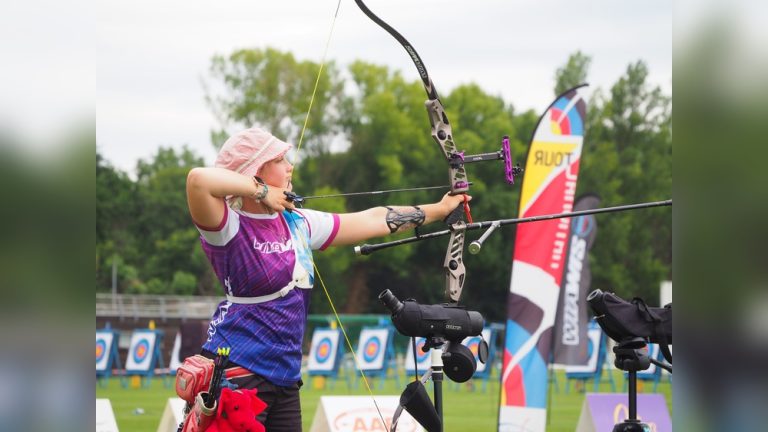
Now, let’s talk about the gear you see on the Olympic podium. This is where the “how expensive is Olympic archery” question really intensifies. Professional archers use the absolute best equipment available, meticulously tuned and chosen for their specific needs and shooting style. Every gram, every millimeter, and every material choice matters at this level.
1. The Elite Bow Setup
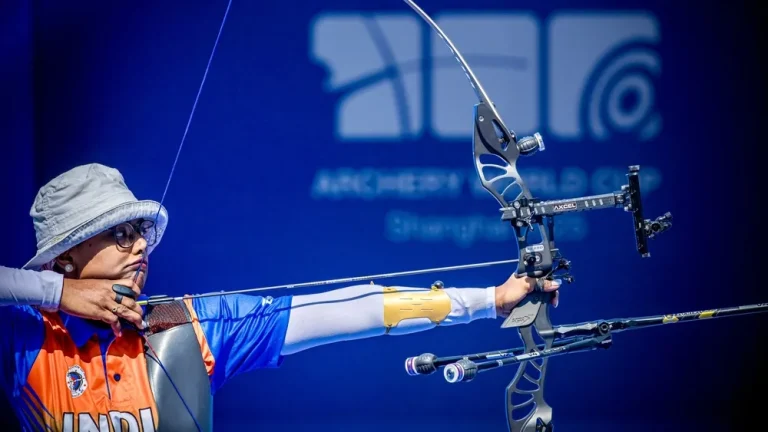
Olympic recurve bows are masterpieces of engineering. They are designed for maximum stability, minimal vibration, and optimal energy transfer.
- Riser: Top-tier Olympic risers are machined from solid blocks of aerospace-grade aluminum or even carbon fiber composites to be incredibly stiff, lightweight, and balanced. They feature extensive adjustability for fine-tuning. These can cost $700 to $1,200+.
- Limbs: Professional limbs are typically high-end carbon construction, meticulously manufactured to provide speed, stability, and a smooth draw cycle. They are often matched precisely to the riser. These are a significant investment, ranging from $500 to $1,000+.
2. Precision Arrows
Arrows for elite competition are usually made of high-modulus carbon, custom-built and spined to exacting standards. They are often weighted and balanced internally to ensure the straightest possible flight path, even in windy conditions. The consistency of these arrows is paramount.
A dozen of these specialized competition arrows can easily cost $300 to $600.
3. Uncompromising Accessories
Every accessory on an Olympic archer’s bow is chosen for its performance and reliability:
- Advanced Sight Systems: Feather-light and incredibly precise, with multi-axis adjustments and specialized pin systems.
- High-Performance Stabilizers: Often including front and back bars with V-bars for maximum stability and vibration dampening.
- Custom Arrow Rests & Plungers: Extremely sensitive and adjustable to fine-tune arrow flight.
- Specialized Clickers, Release Aids (though not for recurve), and Arrow Nocks: Every component is optimized.
- High-Tech Cases & Accessories: Durable and protective cases, often with custom foam inserts to carry and protect all the valuable equipment.
These top-tier accessories can easily add another $400 to $1,000+.
Estimated Cost for an Olympic-Level Setup
This is a significant investment, representing the pinnacle of archery equipment:
| Item | Estimated Cost (Olympic/Pro) |
|---|---|
| Olympic Recurve Bow (Elite Riser + Limbs) | $1200 – $2200+ |
| Arrows (12 custom competition) | $300 – $600 |
| Elite Accessories (Advanced Sight, Stabilizers, Clicker, Rests, etc.) | $400 – $1000+ |
| Total Estimated Olympic-Level Cost | $1900 – $3800+ |
It’s not uncommon for a fully kitted-out Olympic recurve setup to reach well over $5,000 when you factor in the absolute best of everything and potential custom modifications. For compound archery, while not in the Olympics, high-end professional setups can also easily exceed $3,000.
Beyond the Bow: Other Costs to Consider
The cost of the bow and arrows is often the biggest piece of the pie, but it’s not the only one. To participate actively in archery, especially at a competitive level, you’ll have other expenses.
1. Coaching and Training
To truly excel and reach Olympic potential, professional coaching is almost essential. A good coach can help with technique, equipment tuning, and mental preparation. See how to structure your training plan before booking sessions.
- Private Coaching Sessions: Can range from $50 to $150 per hour.
- Training Camps/Clinics: May cost $300 to $1000+ for a weekend or week-long event.
Consistent, high-quality coaching over years can represent a substantial investment, potentially tens of thousands of dollars for aspiring Olympians.
2. Range Fees and Memberships
You need a safe place to shoot! This could be:
- Public Ranges: May have daily fees.
- Private Archery Clubs: Offer access and often host events, with annual memberships ranging from $100 to $500+.
- Indoor Ranges: Essential for year-round practice and competition, especially in colder climates.
3. Competition Entry Fees
If you plan to compete, even at local or regional levels, you’ll encounter entry fees. These can vary widely:
- Sanctioned Local Tournaments: $20 to $75.
- National or International Events: $100 to $300+.
4. Travel Expenses
For serious competitors, travel can be a significant cost. Attending competitions, training camps, or seeking out specialized coaches often means traveling to different cities or even countries.
5. Maintenance and Repairs
Even the best equipment needs care. Strings wear out and need replacing periodically, arrows can get damaged, and sights might need recalibration. Budget a small amount each year for upkeep.
6. Sport-Specific Clothing and Accessories
While not as critical as the equipment, specialized clothing can help. For example, a shooting jacket for recurve archery offers support and consistency. These can range from $100 to $300.
Is Olympic Archery Worth the Investment?
This is a question only you can answer. For many, the answer is a resounding yes. The journey of archery, from learning to shoot your first arrow accurately to achieving competitive success, is incredibly rewarding. The discipline, focus, and precision it cultivates are valuable life skills.
The cost is high at the Olympic level because the demands are incredibly high. Athletes and their support teams invest years and significant resources because archery is their passion, their profession, and for a select few, it’s their path to representing their country on the world stage. For them, the performance edge offered by top-tier equipment is not just desirable – it’s essential.
However, for the hobbyist and the beginner, the barrier to entry is much lower. You can enjoy archery immensely with a modest investment. The core joy of hitting a target, the satisfaction of improving your form, and the camaraderie of the archery community are all accessible without needing to spend thousands of dollars initially. What’s most important is finding equipment that fits your budget and your goals, and most importantly, getting out there and shooting!
Frequently Asked Questions (FAQ)
Q1: How much does a basic beginner archery set cost?
A: A basic beginner archery set, including a recurve bow, arrows, and essential accessories like an armguard and finger tab, typically costs between $250 and $650. This provides a solid foundation for learning the sport safely.
Q2: Do I really need expensive equipment to start archery?
A: No, absolutely not! While Olympic-level gear is very expensive, beginners can start with much more affordable equipment. The focus when starting should be on learning proper form and safety, which can be achieved with a good quality introductory set.