What Distance Are World Cup Archery Events Shot At
World Cup archery events for the Recurve division are consistently shot at the Olympic distance of 70 meters. Compound archers compete at a shorter distance of 50 meters. Knowing these specific distances is crucial for setting up your practice targets correctly and understanding elite competition standards. For more on this, see our guide on Who Won Carp Madness Bow Fishing Tournament 2018.
Welcome, friend! As you start your archery journey, it’s easy to get confused by all the different distances you hear about. Are you wondering just how far those amazing Olympic-level archers are shooting when you watch the World Cup? It’s a very common question, and getting this detail right is the first step toward building good shooting habits.
Don’t worry about feeling lost. We’ll clear up the confusion right now. Archery distances change depending on the type of bow used, but the World Cup has clear rules. This guide will give you the exact numbers you need without any confusing technical talk.
Ready to learn the exact distances for the best archers in the world and how you can start practicing toward that standard? Let’s dive into the details of World Cup archery distances.
Understanding Archery Distance Standards: Why Different Distances?
Before we look specifically at the World Cup, it helps to know why there isn’t just one single distance for every archery event. The distance an archer shoots is usually determined by two main factors: the type of bow being used and the governing body setting the rules (like World Archery).
Different bows have different capabilities, and setting varied distances helps level the playing field and test different skills.
The Key Bow Categories in Competition
In major international events like the World Cup, you will almost always see two primary bow categories competing:
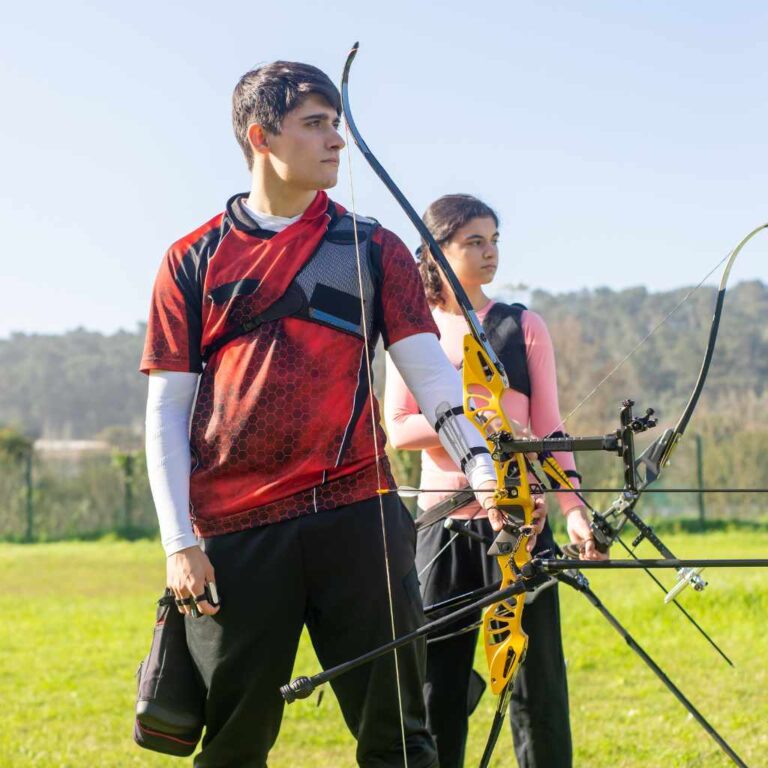
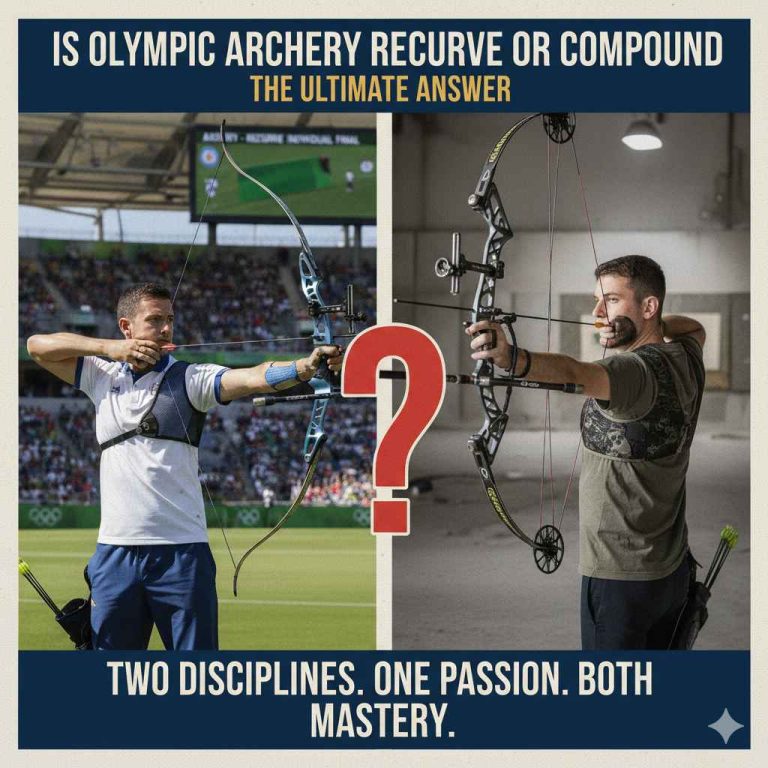
- Recurve Bows: These bows are similar to what you see in the Olympic Games. They rely purely on the archer’s strength to hold and release the arrow.
- Compound Bows: These bows use a system of cables and pulleys (cams) that make holding the bow easier at full draw, allowing for higher speeds and different sight setups.
Because Compound bows are mechanically assisted, they generally shoot arrows with greater speed and flatter trajectories, meaning they are often set back further in many non-Olympic events. However, for World Cup standardization, the distances are set specifically for fairness and prestige.

What Distance Are World Cup Archery Events Shot At? The Official Breakdown
This is the core of what you need to know. When watching the World Archery Cup stage events or the finals, the distances are strictly mandated by World Archery regulations. These distances are based on the specific discipline being shot.
Recurve Distance: The Olympic Standard
For the Recurve division in all World Cup events (Individual, Team, and Mixed Team competitions), the distance is locked in at the standard Olympic range.
The official distance for Recurve archers at a World Cup event is 70 meters.
This is a demanding distance that requires excellent form, consistent anchor points, and careful sight adjustments to account for the slight drop in the arrow over that span. If you ever plan to compete in the Olympics, 70 meters is the goal you must master.
Compound Distance: Precision at 50 Meters
Compound archers shoot at a slightly shorter distance than their Recurve counterparts in World Cup events. This adjustment is made partly due to the difference in equipment capabilities and the scoring zone size used for Compounds.
The official distance for Compound archers at a World Cup event is 50 meters.
Even at 50 meters, hitting the very center requires world-class precision. For Compound archers, the challenge often shifts from managing trajectory over long distances to achieving extreme consistency in their aiming point and release mechanics.
Comparison Table: World Cup Distances
To keep this crystal clear, here is a quick reference table summarizing the distances you will see used for the main target disciplines at any official World Archery World Cup event.
| Bow Category | World Cup Competition Distance | Why This Distance? |
|---|---|---|
| Recurve (Olympic Style) | 70 meters (approx. 76.6 yards) | Matches the official Olympic Games standard. |
| Compound | 50 meters (approx. 54.7 yards) | Standard distance recognized by World Archery for Compound competition. |
Beyond the World Cup: Other Distances You Might Encounter
While the World Cup focuses on 70m (Recurve) and 50m (Compound), as a beginner or hobbyist, you will likely encounter several other common distances during your archery journey. Knowing these helps you understand target setups at local clubs or national tournaments.
Standard Target Face Distances
Target faces in archery are often marked with rings that correspond to specific distances. Here are some common target distances used in various national and local competitions, often referred to as “metric distances”:
- 90 Meters: This distance is sometimes used for a preliminary or qualification round for very experienced Recurve archers in specific national championships, though 70m is the modern standard.
- 50 Meters: Used for Compound at the World Cup, this is also a common distance for junior archers shooting Recurve in some national associations.
- 30 Meters: A very common distance for junior classes and intermediate practice sessions, especially for indoor shooting.
- 20 Meters: The standard for most indoor archery leagues and beginner/novice classes.
- 18 Meters: The absolute standard for nearly all serious indoor target archery competitions, including many Indoor World Series events.
Understanding the progression from 18m indoors up to 70m outdoors shows how the sport scales the challenge based on skill level and equipment.
Field Archery vs. Target Archery
It’s important to note that the distances we discussed above apply to Target Archery—the type seen in World Cups where the target doesn’t move and the ground is flat.
If you venture into Field Archery (shooting targets set up in woods or over hills), the distances change dramatically. Field courses use unmarked distances that can range from as close as 10 meters to over 80 meters, requiring archers to estimate range on the fly—a totally different skill set!
How to Practice for World Cup Distances (Even at Home)
You might not have a 70-meter range available right outside your door, but you can absolutely build the skills needed to shoot those elite distances starting today. The secret is breaking the distance down into manageable steps.
Phase 1: Mastering the Close Game (10–20 Meters)
If you are just starting out, focusing on 70 meters immediately can lead to frustration. You need perfect form first.
- Focus on Form: At 10 or 20 meters, the arrow flight is very forgiving. Use this time to nail your shot sequence: stance, grip, drawing, anchoring, aiming, and releasing.
- Use Small Targets: If you are using a standard 80cm target face (often used indoors), aim for the inner 10-ring. Consistency here builds the muscle memory needed later.
- Drill Breathing: Practice controlling your breath during the aiming process. You want to release the arrow smoothly during the natural pause after exhaling.
Phase 2: Stepping Back to Intermediate (30–50 Meters)
Once your form is solid, you need to start learning how your sight works and how gravity affects the arrow.
For Recurve shooters, 50 meters is an excellent stepping stone toward 70 meters. For Compound shooters, 50 meters is your World Cup distance, so this becomes your focus area.
- Sight Adjustment: You will notice your arrows hitting lower than they did at 20 meters. Learn to “walk back” your sight pin (moving the pin further up the sight scale) until you consistently hit your desired aiming spot.
- Wind Consideration: At 50 meters, wind starts to become a real factor. Pay attention to how the wind pushes your arrow side-to-side and adjust your aim slightly into the wind.
- Anchor Consistency: Small errors in your anchor point (where your drawing hand touches your face/neck) are magnified significantly at 50 meters compared to 20 meters.
Phase 3: Reaching the Elite Standard (70 Meters)
If you are aiming for the Recurve World Cup distance, 70 meters demands precision that feels almost unattainable at first. Here’s how top coaches advise approaching it:
- Perfect Your Aiming Reference: At 70 meters, you are not just aiming at the gold center; you are aiming at a specific point on your sight pin that you have learned corresponds to the gold at that distance.
- Use a Rangefinder (for practice): While pros don’t use them during competition, using a simple rangefinder during practice helps you confirm the exact distance to your target so you can fine-tune your sight marks accurately for that 70m mark.
- Focus on Follow-Through: The shot isn’t over until the arrow hits the target. At 70m, any slight movement during the release or a premature collapse of your bow arm will throw the shot wide. Maintain your anchor and aim until you hear the arrow strike the target.
Equipment Considerations for World Cup Distances
The equipment used by professional archers is finely tuned to handle these long distances efficiently. While you don’t need professional gear, understanding what they use can guide your own equipment choices as you progress.
Recurve Equipment Tuning for Distance
Recurve archers at 70 meters rely heavily on precise limb setup and arrow spine matching.
| Component | Importance at 70m | Beginner Focus |
|---|---|---|
| Arrow Spine | Must perfectly match bow poundage and draw length to ensure the arrow flies straight off the riser. | Ensure your arrows are rated for your current bow’s poundage (e.g., check manufacturer guidelines like those from Easton or Carbon Express). |
| Sight Adjustment | Requires significant elevation adjustment; sights must be rock solid and repeatable. | Learn to use elevation locks and ensure your sight pin doesn’t drift during transport. |
| Stabilization | Long rods are essential to dampen vibration and steady the bow during the aiming process. | Even a simple side rod helps reduce bow movement during the final aim. |
Compound Equipment Tuning for Distance
Compound archers at 50 meters focus heavily on ensuring their sights are perfectly calibrated and that their peep sight aligns flawlessly with their scope housing.
One critical component is the use of high-magnification scopes. While beginners often shoot “bare scope” (just the housing) or with low magnification, pros use high magnification because, at 50 meters, the gold center is tiny relative to the entire target face. This magnification demands incredible stillness from the archer.
Remember, World Archery rules govern the equipment used in their events. For example, scope magnification and size are strictly regulated for Compound archers to maintain fairness. You can find detailed specifications on the official World Archery website, which hosts all rules and equipment regulations for sanctioned events.
The Mental Game: Dealing with the Distance
Shooting at 70 meters feels very different mentally than shooting at 30 meters. The arrow seems to hang in the air forever, giving your brain more time to second-guess your shot!
Trusting Your Sight Mark
The biggest mental hurdle for many archers moving up to World Cup distances is trusting that the spot you are aiming at on the target face is actually where the arrow will land. It often looks too high or too low based on what feels natural.
The key here is routine. If you confirm your sight setting at 70 meters on Monday, and your form is perfect, you must trust that setting on Tuesday, even if the shot feels strange.
Managing Target Panic at Range
Target panic—the urge to punch or jerk the shot just before you are ready—often appears when the distance feels too far away. When you stare at a 70m target, it feels small and far away, causing anxiety.
To combat this, focus only on the process, not the result.
- Focus on the feel of your back muscles engaging.
- Focus on the sight picture remaining perfectly still for one full second after you think you should release.
- Don’t look at the target face until your follow-through is complete.

Frequently Asked Questions (FAQ) for Beginners
Here are some common questions new archers have about competition distances:
Q1: Do all World Archery events use the same distances?
A: Yes, for the main World Cup stages and World Championships, the standard distances apply: 70 meters for Recurve and 50 meters for Compound.
Q2: If I shoot a barebow, what distance do I shoot at the World Cup?
A: Barebow (a division using recurve-style bows without sights or stabilizers) typically follows the Recurve distance rules in international competitions, meaning they usually shoot at 70 meters.
Q3: Is 70 meters the standard for all outdoor tournaments?
A: While 70 meters is the elite standard, many national and local outdoor tournaments use 50 meters for Recurve to ease the transition for newer adult archers or for specific age categories.
Q4: How do I convert meters to yards for a local range?
A: The conversion is roughly 1 meter equals 1.0936 yards. So, 70 meters is about 76.6 yards, and 50 meters is about 54.7 yards. It’s easiest to stick with metric measurements if you plan to compete internationally.
Q5: Are the targets the same size at 70m and 50m?
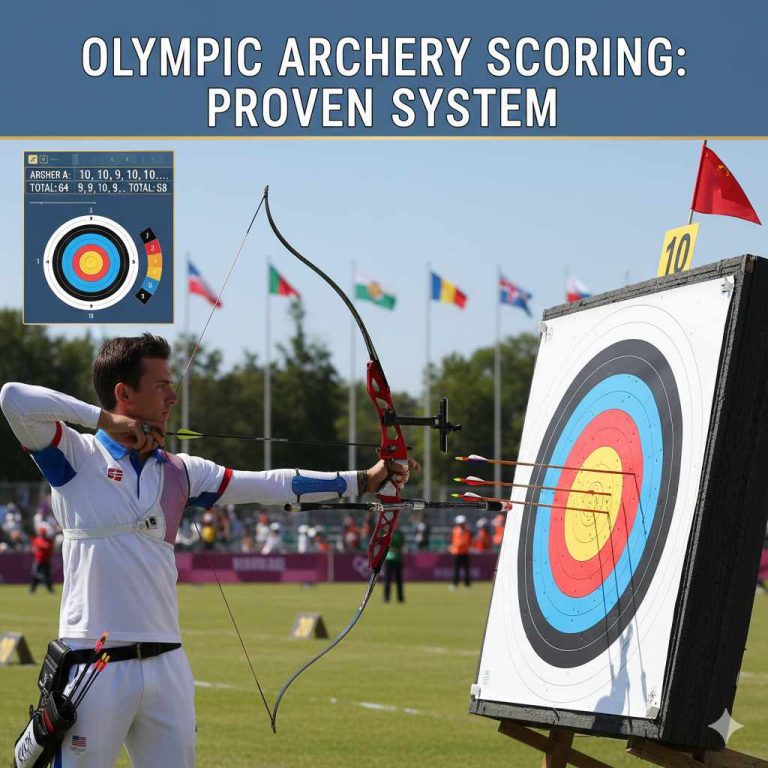
A: No. Recurve archers at 70m shoot the large 122 cm target face (the one with the big yellow center). Compound archers shoot a smaller 80 cm face at 50 meters, making the scoring rings proportionally tighter.
Q6: Which distance is harder to master?
A: Generally, 70 meters is considered the ultimate test of stamina and precision due to the longer required sight radius and greater arrow drop. However, the small scoring zones at 50 meters for Compound require an almost flawless shot process.
Conclusion: Your Path Forward in Archery
We’ve covered the key takeaway: World Cup Recurve events are shot at 70 meters, and Compound events are shot at 50 meters. Now you have the factual foundation you need to follow the sport and set your practice goals.
Remember, knowing the distance is just the first step. The journey from your local range to mastering the 70-meter line is built one consistent practice session at a time. Focus on your form, trust your equipment setup, and celebrate the small victories as you gain confidence stepping back further. Archery is a sport of patience and dedication. Keep practicing safely, stay focused on your process, and you will see your accuracy grow. Happy shooting!