How Many Archery Events? Essential Olympic Insights
The Olympics feature three exciting archery events: Recurve Men’s Individual, Recurve Women’s Individual, and Recurve Team. These events showcase incredible skill, focus, and precision, making them a thrilling part of the Games.

SAS
SAS Archery Essential Accessory Upgrade Combo -…
- Bow sight: 5 pin bow sight, 0.029" fiber, with sight light and level
- Arrow rest: brush capture arrow rest, left and right handed
- Stabilizer: rubber stabilizer, 3.5 inches, 4.6 ounces
As an Amazon Associate I earn from qualifying purchases.
Ever watched the Olympics and marveled at the archers hitting those tiny targets from so far away? It’s truly breathtaking! You might be wondering, with all the different ways people shoot bows, just how many archery contests happen on the Olympic stage. It’s a great question that many beginners have as they get fascinated by this ancient sport. Sometimes, the sheer variety of archery disciplines can make it seem like there might be tons of Olympic events. But don’t worry, I’m here to break it down for you in a clear and simple way. We’ll explore exactly what archery events are featured in the Summer Games, giving you all the essential insights you need to understand and enjoy this sport.
Understanding Olympic Archery: More Than Just a Bullseye
Archery has a long and storied history, dating back thousands of years as a vital tool for hunting and warfare. Today, it’s a celebrated sport that demands incredible physical control, mental fortitude, and pinpoint accuracy. When we talk about Olympic archery, it’s important to know that only one specific type of bow is used: the recurve bow. This is different from other styles like compound archery, which uses a different type of bow with pulleys and cams.
The recurve bow, a classic design, is made of a central riser and two limbs that curve away from the archer. It’s a purer form of archery, relying entirely on the archer’s strength and technique. This focus allows for a standardized competition that truly tests the athlete’s skill without the assistance of modern mechanical aids. It’s this very tradition and simplicity that makes Olympic recurve archery so captivating to watch.
The Core of Olympic Archery: Recurve Bows
So, when you see archery in the Olympics, you’re always seeing the recurve bow in action. Why this specific bow? It’s a blend of tradition and fairness. The recurve bow has been used in archery competitions for a very long time, and its inclusion in the Olympics honors this heritage. It requires archers to draw the string back using their own muscles, holding the tension steady before releasing the arrow. This demands incredible strength, endurance, and a very stable posture.
The design of the recurve bow is key to its performance. The limbs, made of materials like fiberglass and carbon, are shaped to store and release energy efficiently. When the string is drawn, the limbs bend, creating tension. Upon release, this stored energy is transferred to the arrow, propelling it forward at high speed. The archer’s technique in drawing, anchoring, aiming, and releasing is paramount, as even the slightest tremor can send an arrow off course. World Archery, the international governing body for archery, sets the precise standards for equipment and competition rules, ensuring a level playing field for all athletes.
You can learn more about the fascinating history and evolution of archery equipment, including the recurve bow, on the World Archery website. Their resources offer deeper insights into the sport’s development and its place in the modern Olympics.

What Are the Archery Events in the Olympics?
The Olympic archery program is designed to test archers individually and as part of a team, showcasing different aspects of their skill. There are three main events where archers compete for the coveted gold medals. Each event offers a unique challenge and a different way to experience the sport.
1. Recurve Men’s Individual
This is one of the most prestigious individual archery events. Male archers compete head-to-head in a series of elimination rounds. They shoot at targets set at a standardized distance of 70 meters. The competition starts with a ranking round where all participating archers shoot a set number of arrows (typically 72) to determine their seeding for the elimination matches. Higher seeds then face lower seeds in a series of knockout rounds, where the loser of each match is eliminated.
The match format involves shooting a set number of arrows per end (usually three for individual matches). After each end, archers receive scores based on where their arrows land on the target. The archer with the highest score for that end wins a set. The first archer to win a set number of sets (typically six) wins the match. This dynamic format means that consistency and performance under pressure are absolutely key to success. An archer might win one end, but they need to win enough ends to clinch the match.
2. Recurve Women’s Individual
Mirroring the men’s event, the Recurve Women’s Individual competition is equally thrilling. Female archers also compete using recurve bows at the 70-meter distance. The format is identical to the men’s individual event: a ranking round followed by a series of elimination matches using the set system. This event highlights the incredible precision, mental toughness, and refined technique that female athletes bring to the sport.
The pressure in these individual matches can be immense. With only the archer, their bow, and the target, every element relies on their personal performance. The journey through the elimination brackets is a true test of an archer’s ability to perform consistently match after match, often in challenging weather conditions like wind, which can significantly affect an arrow’s flight path. Many athletes train for years, dedicating countless hours to mastering their form and building the mental resilience needed to succeed at this level.
3. Recurve Team
The Recurve Team event adds a layer of strategy and cooperation to the Olympic archery competition. Each team consists of three archers from the same country. Like the individual events, they shoot recurve bows at a 70-meter distance. The team competition also follows a ranking round to establish seeding, followed by elimination matches.
In a team match, each team can shoot a total of 24 arrows (8 arrows per archer). The scoring and match format are similar to the individual event, as teams compete to win sets based on their total scores. The collaborative aspect makes this event unique; teammates often support each other, mentally and physically, sharing the pressure. The synergy between the archers, their ability to perform under the collective weight of expectation, and their synchronized execution are crucial for victory. It’s a dynamic display of teamwork, where one archer’s strong performance can lift the entire team.
Beyond the Three: What About Other Archery Disciplines?
It’s natural to wonder why other popular archery disciplines aren’t part of the Olympics. While recurve archery is the only style featured, other forms like compound archery and field archery are widely practiced and have their own dedicated competitions and championships worldwide. These disciplines offer different experiences and challenges for archers.
Compound Archery
Compound bows use a system of pulleys and cams to make it easier to hold the bowstring at full draw. This technology allows archers to shoot arrows at higher speeds and with less physical strain compared to recurve bows. Compound archery competitions are known for their incredible accuracy, often shooting at shorter distances than Olympic recurve events, but with extremely tight groupings of arrows. While it’s a popular and demanding sport, it’s considered to use too much modern technology to fit the traditional Olympic ethos for archery.
Field Archery
Field archery is an exciting discipline that takes place outdoors in natural terrains, often involving shooting at targets at varying distances and elevations. Archers navigate a course, encountering different shooting positions and challenging environmental factors like uneven ground and wind. It’s a fantastic test of an archer’s adaptability and ability to judge distances and conditions in a less controlled environment than a typical outdoor range. This makes it a popular choice for recreational archers and those who enjoy a more rugged experience.
Indoor Archery
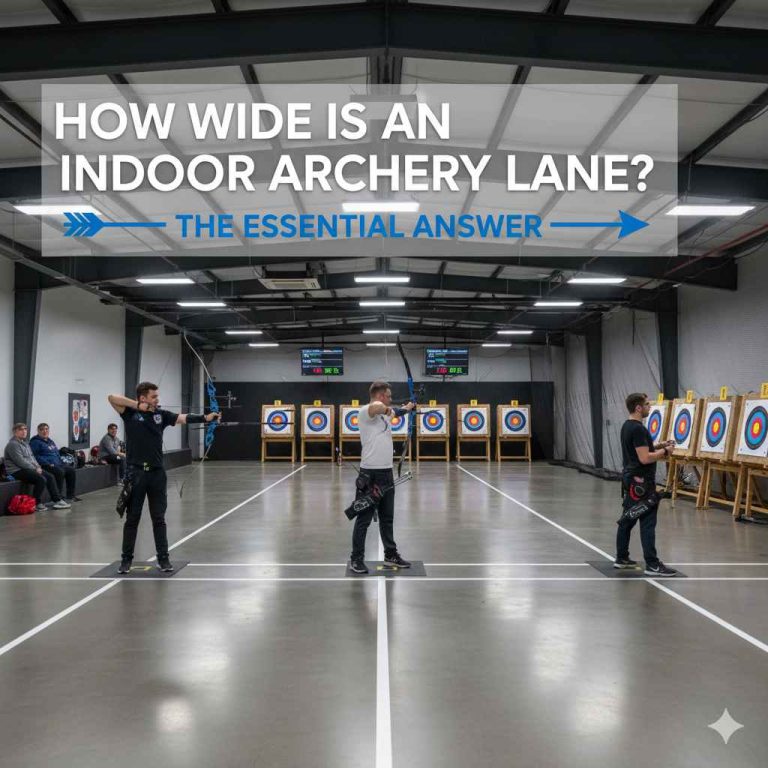
Indoor archery competitions are typically held in controlled environments and often involve shooting at shorter distances than outdoor events. This format is excellent for archers looking to hone their skills during colder months or for those who prefer the consistency of shooting without external weather elements. The focus in indoor archery is often on achieving the highest possible scores by minimizing any variables that could affect an arrow’s flight. It’s a great way to practice and compete year-round.
Olympic Archery Format: How Athletes Compete
The Olympic archery competition follows a structured format designed to identify the best archers and teams. It’s a process that tests skill, consistency, and nerve over multiple stages.
The Ranking Round
Every archer and team begins with a ranking round. This is where all competitors shoot 72 arrows at the designated target – 70 meters away for Olympic recurve events. The score from this round isn’t directly for medals, but it’s crucial for seeding. Archers are ranked from 1st to last based on their total score. This ranking determines who they will face in the subsequent elimination rounds. A higher seeding means facing a lower-ranked opponent, theoretically making the path to the final a bit less challenging.
The Elimination Rounds (Head-to-Head Matches)
After the ranking round, the competition moves into a knockout or elimination format. In individual events, the archer ranked number one plays the archer ranked last (seed #1 vs. #48, for example), number two plays number 47, and so on.
The individual and team matches are decided using a scoring system based on “sets.” Here’s a simplified breakdown:
| Detail | Individual Matches | Team Matches |
|---|---|---|
| Arrows per End | 3 arrows | 8 arrows (2 per archer) |
| Number of Archers per Side | 1 | 3 |
| Winning an End | Highest score in the end wins 2 set points. If tied, both get 1 set point. | Highest score for the team in the end wins 2 set points. If tied, both get 1 set point. |
| Winning a Match | First to 6 set points wins the match. If tied at 5-5, a shoot-off occurs. | First to 5 set points wins the match. If tied at 4-4, a shoot-off occurs. |
| Shoot-off | One arrow each. Closest to the center wins. | One arrow each. Team score from shoot-off arrows decides winner. |
This set system adds an element of strategy, as archers don’t just need the highest total score but must win individual “sets” of arrows. It makes matches more dynamic and exciting, as a competitor can fall behind in total points but still win the match by winning enough sets.
The Finals
The winners of the elimination matches advance through the brackets until only two archers or teams remain for the Gold Medal Match. The losers of the semi-final matches compete in a Bronze Medal Match to determine third place.
Key Factors in Olympic Archery Success
Winning an Olympic medal in archery isn’t just about having a steady hand. It’s a combination of many critical elements, honed over years of dedicated practice.
- Precision and Consistency: Every arrow must be placed with extreme accuracy, and this level of precision must be maintained shot after shot, end after end. Even a millimeter off can mean a missed point or even a miss of the target face altogether at this level.
- Mental Fortitude: Archery is a highly mental sport. Archers must block out distractions, manage pressure, and stay calm and focused, especially during high-stakes situations like shoot-offs. This “mental game” is often as important as physical technique.
- Physical Strength and Endurance: Drawing and holding a recurve bow repeatedly requires significant upper body strength and endurance. Archers must maintain proper form and stability throughout long matches, often in demanding weather.
- Adaptability to Conditions: Olympic archery events are often held outdoors, meaning archers must be able to adapt to changing wind conditions, temperature, and even sunlight. Understanding how these factors affect an arrow’s trajectory is vital.
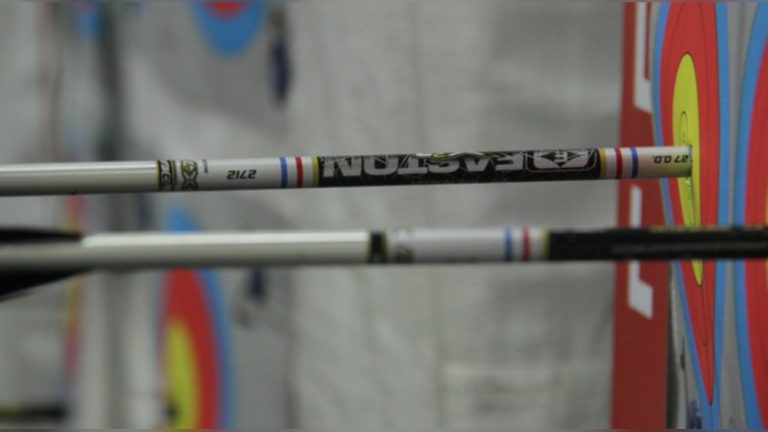
- Equipment Optimization: While strict rules govern equipment, archers and their coaches spend countless hours fine-tuning their bows, arrows, and accessories to achieve the best possible performance. Arrow spine, fletching, and bow tune all play a role.
Archery in Paris 2024: What to Expect
The Paris 2024 Olympic Games will continue the tradition of thrilling archery competitions. The iconic Eiffel Tower will serve as a stunning backdrop for the archery events, adding an extra layer of grandeur to the competition.
You can expect the same three core events: Men’s Individual Recurve, Women’s Individual Recurve, and the Recurve Team event. The format will remain consistent with the ranking rounds followed by head-to-head elimination matches using the set system. The shift to a new host city brings fresh excitement and a chance for new sporting heroes to emerge. The unique setting promises to make the Paris 2024 archery competition a memorable spectacle for athletes and fans alike.
For official schedules and updates on the Paris 2024 Olympics, you can visit the official Olympics website. This is a great resource for event timings and results.

Frequently Asked Questions (FAQ) About Olympic Archery Events
Here are some common questions beginners have about Olympic archery:
Q1: What is the distance for Olympic archery events?
A1: Olympic recurve archery events take place at a standardized distance of 70 meters. This distance requires immense precision and a deep understanding of how wind and other factors can affect the arrow’s flight.
Q2: Can archers use compound bows in the Olympics?
A2: No, only recurve bows are permitted in Olympic archery. This choice is based on tradition and a desire for competition that relies purely on the archer’s physical skill and technique.
Q3: How many arrows do archers shoot in their matches?
A3: In individual matches, archers shoot 3 arrows per “end” (a turn). In team matches, each archer shoots 2 arrows, totaling 8 arrows for the team per “end”. Matches are won by scoring sets based on higher scores per end, with a minimum number of sets needed to win the match.
Q4: What is a “set system” in Olympic archery?
A4: The set system is how matches are won. Instead of just the highest total score, archers or teams win “sets” by having a higher score in a given end. The first to reach a certain number of set points wins the match. This makes matches more dynamic!
Q5: How are the teams formed for the Recurve Team event?
A5: In the Recurve Team event, each team consists of three archers representing the same country. These archers are typically the top three highest-ranked individuals from that country after the initial ranking round.
Q6: Why isn’t compound archery an Olympic sport?
A6: While popular and highly skilled, compound archery uses wheels and cams that significantly enhance arrow speed and ease of draw. The Olympic committee tends to favor disciplines that are more traditional and rely more directly on inherent human physical capabilities, hence the focus on recurve.
Q7: What happens if two archers have the same score in a match?
A7: If a match is tied at the end of the regulation sets, a “shoot-off” occurs. Each archer shoots one crucial arrow. The arrow closest to the center of the target determines the winner of the match.
Conclusion: The Elegance and Challenge of Olympic Archery
So, to recap, the Olympics showcase archery in its purest form with three exciting events: Men’s Individual Recurve, Women’s Individual Recurve, and Recurve Team. These events are a testament to incredible human achievement, blending tradition with elite athletic performance at a challenging 70-meter distance. The recurve bow, with its elegant simplicity, demands unwavering focus, exceptional physical control, and a strong mental game.
While other forms of archery exist and are fantastic in their own right, the Olympic program is a curated selection designed to highlight skills that have been honed over centuries. Watching these athletes compete is an inspiring experience, showcasing what’s possible when dedication, practice, and a passion for precision come together. Whether you’re new to archery or have been shooting for a while, understanding these Olympic events can deepen your appreciation for the sport and perhaps even inspire your own practice sessions. Keep aiming true, and enjoy the journey!
Related pick: Check today's price on Amazon