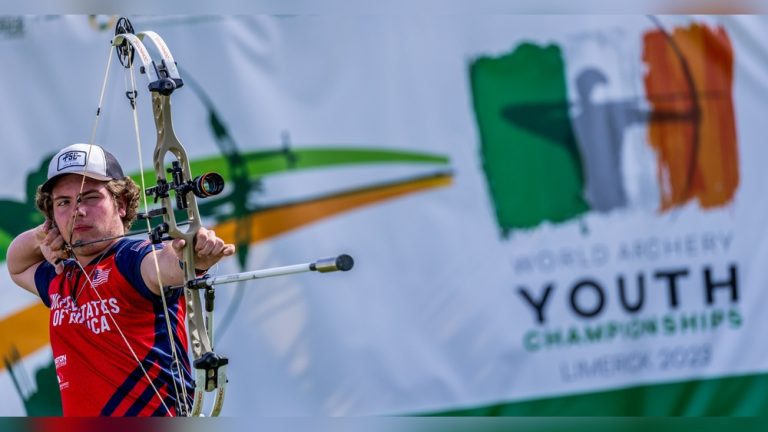
What Do I Need for an Archery Competition: Gear List
What Do I Need For Archery Competition: Essential Gear? You primarily need a competition-legal bow, arrows matched to your draw weight, safety equipment like an armguard and finger tab/glove, and a reliable way to carry your gear, ensuring everything meets the specific rules for your division (e.g., recurve, compound, barebow).
Stepping up to your first archery competition can feel exciting but also a little overwhelming. You might look at seasoned shooters and wonder if you’re missing some secret piece of equipment. Don’t worry! Knowing exactly what equipment is required—and what is optional—makes all the difference. This isn’t about having the fanciest gear; it’s about having the right gear that follows the rules and keeps you safe.
We are going to break down every piece you need for competition day. We’ll keep the jargon simple, just like learning your first draw cycle. By the end of this guide, you will feel totally prepared to show up, set up your gear, and focus on hitting that center gold. Ready to see what’s in the quiver?
The Core Three: Your Essential Competition Kit
Every archer, regardless of their division (Recurve, Compound, or Barebow), needs three main things to even step onto the shooting line legally and safely. Think of these as your non-negotiables.
1. The Bow System (Matched to Your Rules)
Your bow is the heart of your setup. However, what counts as legal gear changes dramatically depending on which class you shoot. Always double-check the specific rules set by the organizing body, such as USA Archery or World Archery, for your exact event division.
Recurve Bow Essentials
Recurve bows used in target archery are highly adjustable but must adhere to specific limits on sights and stabilizers. For beginners, a simple take-down recurve is perfect.
- Riser: The handle section.
- Limbs: The upper and lower parts that store energy.
- String: Must be in good condition and correctly sized.
- Sights (Optional): If used, they must have a single point of aim and cannot be designed to hold distance memory or automatically adjust for windage/elevation during the shot sequence.
- Stabilizers (Optional): Can be used, but must not extend beyond specific allowable lengths, often governed by the bow’s overall length.
Compound Bow Essentials
Compound bows use cams or wheels to let the archer hold less weight at full draw (let-off). These bows are generally allowed more technological assistance than recurves.
- Cams/Wheels: The defining feature of the compound.
- Release Aid (Mandatory for most): Nearly all compound shooters use a mechanical release aid to ensure a clean string departure.
- Peep Sight: A small circle attached to the string that you look through to align with your scope/pin.
- Scope/Magnification: Compound target sights often include magnifying lenses, which are legal in this division.
Barebow Essentials
Barebow shooting is focused purely on the archer’s skill, minimizing external aids. This is often the easiest setup for a beginner transitioning from simple field archery.
- No Sights: You cannot use any form of aiming device attached to the bow other than a simple string marker or brush button.
- No Clicker (Usually): While rules vary slightly, generally, devices that audibly indicate a full draw length are prohibited in traditional barebow classes.
- String Walking/Gap Shooting Allowed: Archers using barebow often rely on advanced anchor points on their face or string to aim.
2. Arrows Matched to Your Setup
Your arrows must be safe and legal. An arrow that is too weak (flexible) for your bow’s draw weight can shatter upon release, causing serious injury. Conversely, an arrow that is too stiff will not fly accurately.
This is where Spine Rating comes in. Spine refers to the stiffness of the arrow shaft. A higher poundage bow requires a stiffer (lower-numbered spine) arrow.
Action Step: Always check the manufacturer’s spine chart for your specific arrows (e.g., Easton, Gold Tip) based on your actual measured draw weight and draw length. Using equipment that adheres to safety standards is critical. You can often find these charts published by reputable archery manufacturers online.
3. Personal Safety and Shooting Aids
These items protect you from the bowstring and help you execute a consistent shot. They are mandatory for safe participation.
Armguard
This protects the inside of your bow arm (usually the left arm for right-handed shooters) from painful slapback from the string. Even experienced archers use these! A stiff, well-fitting armguard is a must.
Finger Protection (The Release Aid vs. Hand Tab Debate)
You need something between your drawing fingers and the bowstring.
- Finger Tab: A flat piece of leather or synthetic material held between your fingers and the string. It spreads the pressure evenly across your fingertips.
- Shooting Glove: Similar to a tab, but worn like a glove with three fingers protected.
- Release Aid: A mechanical device used almost exclusively by compound shooters that hooks onto the string loop and releases with a trigger pull.
Beginner Tip: If you are shooting recurve or barebow, start practicing with a good quality leather finger tab. Consistency in how you hold and release the string is paramount to accuracy.

The Secondary Gear: Enhancing Performance and Comfort
Once the essentials are covered, this next group of items focuses on score improvement, logistics, and endurance during long shooting days.
1. Arrow Tools and Maintenance
Competitions can be long, and equipment can shift slightly. Being able to make minor adjustments on-site is a lifesaver.
Arrow Puller
If you are shooting foam targets, arrows can get stuck very tightly. An arrow puller (a small rubber grip) gives you the leverage needed to pull those arrows out without straining your fingers or ripping your tab.
Fletching/Nock Repair Kit
If an arrow gets dropped or hits another arrow (a ‘Robin Hood’), the fletchings (vanes) might peel off, or the nock might crack. Carry a small tube of super glue and a few spare nocks and fletchings just in case. Never shoot a damaged arrow.
2. Visibility and Aiming Aids
To score well, you need to see your target clearly and ensure your aim is true.
Arrow Rest
This holds the arrow steady on the bow before you draw. While most modern bows come with one, you might upgrade to a high-quality magnetic or blade rest depending on your class and budget. Ensure it’s perfectly tuned for your arrow spine.
Plunger Button (Recurve/Barebow)
This spring-loaded device applies lateral pressure to the arrow shaft, helping it flex correctly around the bow handle during the shot. Proper tuning of the plunger is essential for tight groupings.
Clicker (Recurve/Barebow)
This is a small lever attached to the sight bracket that moves forward as you draw the bow. When it “clicks” against the riser, it tells you that you have reached your perfect, consistent draw length. This is the secret weapon for shot consistency in Olympic-style shooting.
3. Scorekeeping and Time Management
Archery competitions are run on very strict timing. You must keep track of your arrows and your score efficiently.
Scorecard and Pencil/Pen
Always have a dedicated, waterproof scorecard holder and a reliable pencil or pen. You must record your score for every end (group of shots) immediately after shooting.
Shooting Line Marker
Some events require you to physically mark where you stand on the shooting line. A small, brightly colored object placed just behind your feet can help you maintain perfect distance from the line between ends.
Stopwatch or Timing Device
Most competitions use a range official to call out the time for shooting. However, having your own reliable watch helps you prepare mentally for the next end and ensures you don’t rush your setup.
The Logistics: Carrying and Storing Your Gear
Transporting your equipment safely from the car to the firing line, and keeping it organized during the shoot, is crucial for a stress-free experience.
Bow Case (Hard vs. Soft)
This is non-negotiable for travel. Hard cases offer the best protection against crushing, while soft cases are lighter for carrying around the venue.
- Hard Case: Recommended for travel, especially if flying or driving long distances. It keeps your sight, arrows, and bow parts secure.
- Soft Case/Backpack: Ideal for walking from the staging area to the shooting line at the venue. Many modern soft cases double as quiver/storage backpacks.
Quiver System
You need a way to hold your arrows while shooting and while walking.
- Field Quiver (Hip or Back): Worn on your hip or back while shooting. It holds 5–10 arrows upright, making it easy to grab the next one quickly.
- Transport Quiver (Tube Style): Used to carry a full set of arrows (usually 20 or more) safely from your gear bag to the line.
Gear Bag or Cart
For serious target archers, a dedicated gear bag or even a small collapsible cart is essential. You’ll be carrying your bow case, quiver, stool, water, tools, and extra clothes.
Coach Tip: Never leave your bow unattended or lying on the ground where it can be tripped over or stepped on. Always place it safely in your case or resting against your gear bag/stool when not actively shooting.
Equipment Comparison Table: Recurve vs. Compound Competition Needs
While the basics are similar, the specialized gear differs significantly. This table highlights the key distinctions you need to be aware of when deciding what to buy for competition.
| Gear Component | Recurve Competition (Target) | Compound Competition (Target) |
|---|---|---|
| Release Mechanism | Finger Tab or Glove (Finger Release) | Mechanical Release Aid (Mandatory/Standard) |
| Sighting System | Fixed Pin or Multi-Pin Sight (No advanced electronics) | Scope with Magnification and Housing Adjustments |
| Draw Cycle Aid | Plunger Button & Clicker (for consistency) | Let-off allows holding higher poundage more easily. |
| Stabilization | Long rods (V-bar and main rod) common for shock absorption and aiming. | Shorter stabilizer setups often used, prioritizing balance over vibration dampening. |
| Arrow Rest | Requires a rest tuned to flex (e.g., Biscuit or Blade rest). | Blade or drop-away rests are standard. |
The Fine Print: Understanding Competition Rules
The biggest mistake beginners make isn’t bringing the wrong arrow; it’s bringing gear that isn’t legal for the specific tournament they entered. Archery equipment rules are very detailed to ensure fair play across different styles.
Checking Governing Body Rules
Always consult the latest rulebook from the organization running your event. For most international and national US events, this means looking at World Archery (WA) rules or USA Archery (USAA) rules. These resources are authoritative and define what is permissible.
For example, in World Archery Target Round rules, there are strict definitions for what constitutes a “sight.” It cannot electronically calculate distance or trajectory. If you buy a sight that calculates holdover for you, it will likely be illegal for Olympic Recurve divisions, though it might be fine in other classes.
You can find detailed rules on equipment specifications from official sources. For instance, USA Archery provides comprehensive handbooks detailing dimensional limits for bows and stabilizers.
The Importance of Tuning
Even the most expensive gear will shoot poorly if it isn’t tuned to you. Tuning is the process of adjusting your bow setup—arrow rest position, plunger tension, sight height, and sometimes even the tiller (limb alignment)—until the arrow flies perfectly straight off the bow.
Tuning is a continuous process. You must ensure your competition setup is tuned and sighted in well before the day of the event. On competition day, you are only making minor sight adjustments based on the target face distance, not major equipment changes.
Final Competition Day Preparation Checklist
Getting ready for the day before you leave the house is as important as the gear itself. This checklist ensures you aren’t scrambling at the venue.
- Check Registration: Confirm your check-in time and location.
- Inspect All Arrows: Check every single arrow for cracks, loose points, or damaged fletchings. Discard or repair anything questionable.
- Verify Sight Settings: Make sure your sight is snug and you know where your sight marks are set for the distances you will shoot (e.g., 60m, 70m, 90m).
- Charge Electronics (If Applicable): If you use an electronic timer or a compound bow sight that requires batteries, charge or replace them the night before.
- Pack Personal Items: Water, snacks (protein bars!), sunscreen, a hat, and sunglasses are critical for long outdoor shoots.
- Assemble Bow & Attach Accessories: Assemble your bow fully the night before. Do not try to assemble the bow or put on stabilizers for the first time at the range.
- Lay Out Clothing: Wear comfortable, non-snagging clothing. Layering is best for temperature changes throughout the day.
- Check Weather: If rain is forecast, pack a bow cover or large umbrella to protect your equipment and sight window from getting soaked.
This preparation ensures that when you arrive, your focus shifts entirely from “What did I forget?” to “Where is the target?

Frequently Asked Questions (FAQ) for New Competitors
Q1: Do I need a special bow just for competition, or can I use my practice bow?
A: You can absolutely use your practice bow, provided it meets the rules of the specific division you enter (e.g., if it’s a barebow division, your recurve sight must come off). For many beginners, simply ensuring the practice bow is well-tuned is enough to start.
Q2: How many arrows do I need to bring to a competition?
A: Most competitions require you to shoot 6 or 12 arrows per end. You should always bring at least 12 arrows, but bringing 14–18 arrows is safer in case one breaks or gets lost in the target bale.
Q3: Is it okay if my armguard or finger tab doesn’t match my bow color?
A: Yes, absolutely! Functionality matters far more than aesthetics in competition gear. As long as the gear is safe and legal (i.e., not electronic or illegally modified), color coordination is irrelevant to your score.
Q4: What is the most common piece of gear beginners forget on competition day?
A: The most commonly forgotten items are simple logistics: water/snacks, a reliable way to keep score (a dedicated pencil), and an arrow puller. Forgetting an arrow puller can make retrieving arrows frustrating and slow.
Q5: Do I need a bow stand or stool for my first competition?
A: A bow stand is highly recommended, especially for recurve and barebow, to keep the bow off the ground safely. A small, foldable stool is also very helpful for sitting between shooting ends to conserve energy.
Q6: When should I buy a specialized sight or stabilizer system?
A: Purchase specialized accessories only after you have mastered consistent form and are consistently shooting near the center using basic equipment. Focus on mastering your anchor point and release before investing heavily in high-end, adjustable gear.
Q7: Are there special clothing requirements for archery competitions?
A: While you don’t need a uniform for most local events, avoid overly baggy clothing that could catch the string. A snug-fitting shirt or jacket is best. Generally, the rule is modest and non-distracting attire.
Conclusion: Focus on Form, Not Flash
Preparing for an archery competition means gathering reliable, safe equipment that adheres to the rules of your division. We’ve covered the must-haves—your bow, safe arrows, and personal protection gear—and the helpful extras that make a long day more comfortable.
Remember this crucial coaching principle: skill wins tournaments, not flashy gear.
You don’t need the most expensive stabilizer or the newest sight to compete well. What you truly need is equipment that is:
- ✅ Safe
- ✅ Legal for your division
- ✅ Properly tuned
- ✅ Familiar to you
Confidence comes from preparation. When you know your bow is set up correctly, your arrows are matched to your draw weight, and your safety gear fits comfortably, your mind is free to focus on execution — stance, anchor, aim, and a clean release.
Competition day isn’t about proving you have the best equipment. It’s about proving you can repeat a solid shot process under pressure.
Pack smart. Check your gear. Arrive early. Stay hydrated.
Then step up to the line and trust the practice you’ve already put in.
Because in archery, the gold isn’t won in the gear bag — it’s won in the shot cycle. 🏹🎯