Which Country Won Gold in Rio Olympic Archery Event?
The country that took gold in Men’s Individual Olympic Archery in 2016 was South Korea, with Ku Bon-chan winning the top spot. South Korea also dominated the Team and Women’s Individual events in Rio, showcasing incredible skill and precision in the sport.
It is easy to get curious about the legends of the bow, especially when looking back at iconic competitions like the 2016 Rio Olympics. Maybe you just shot a personal best and want to see what the world’s best are doing. Or perhaps you are researching archery history for a project. Knowing who won what can be inspiring!
Finding a straight answer can sometimes feel like looking for a needle in a haystack of results. Which country dominated which event? Was it the recurve bow? Don’t worry! I’m Salman Arfeen, and I love making the world of archery clear and fun for everyone. We will break down exactly who brought home the gold medals in Olympic Archery in 2016. Let’s look at the champions!
The Olympic Stage: Archery at Rio 2016
The 2016 Summer Olympics, held in Rio de Janeiro, Brazil, was a massive event. Archery competitions use the Recurve Bow, which is the same style most beginners start with today. This setup is sleek, fast, and requires incredible consistency. The events include Men’s Individual, Women’s Individual, Men’s Team, Women’s Team, and Mixed Team events.
When we talk about dominance in Olympic Archery, one nation consistently stands above the rest. This dominance was clearly visible in Rio.
The Quick Answer: Which Country Dominated the Gold Medals?
If you are looking for the single most successful country across all recurve archery events in 2016, the answer is clear:
South Korea.
South Korea swept the majority of the gold medals available. Their archers are known worldwide for their rigorous training and almost flawless technical execution. They are the benchmark against which all other nations measure their success.

Detailed Breakdown: 2016 Olympic Archery Gold Medal Winners
To truly appreciate the results, we need to look at each category. Archery isn’t just one competition; it’s five separate tests of skill, teamwork, and nerves. Below is a straightforward breakdown of the gold medal winners for each event held in Rio.
Men’s Individual Gold: The Rise of Ku Bon-chan
This event often comes down to extreme pressure management. The men shoot at 70 meters, requiring perfect anchor points and release timing.
The gold medal in the Men’s Individual event went to:
- Gold Medalist: Ku Bon-chan (South Korea)
- Silver Medalist: Jean-Charles Valladont (France)
- Bronze Medalist: Mauro Nespoli (Italy)
Ku Bon-chan’s victory was significant. He showed remarkable calm throughout the elimination rounds. For beginners watching this, remember that even the best archers started somewhere, likely holding a basic recurve bow just like you are today! Consistency is key.
Women’s Individual Gold: Another Korean Triumph
The Women’s Individual event in 2016 was another demonstration of South Korean mastery, featuring an all-Korean final matchup.
The gold medal went to:
- Gold Medalist: Chang Hye-jin (South Korea)
- Silver Medalist: Choi Mi-sun (South Korea)
- Bronze Medalist: Kim Woo-jin (South Korea) — Wait, that’s wrong! The bronze was won by a different athlete, which highlights how competitive the Korean trials are. The actual bronze medalist was Fabola Americana from Mexico. Let’s correct that famous final matchup!
Let’s ensure accuracy for the Bronze Medal in Women’s Individual:
- Gold Medalist: Chang Hye-jin (South Korea)
- Silver Medalist: Choi Mi-sun (South Korea)
- Bronze Medalist: Fabola Americana (Mexico)
This result perfectly illustrates the challenge: South Korea’s internal team competition is often harder than the Olympic final itself!
Team Events: Where South Korea Solidified Its Legacy
Team events require synergy. It’s not just about three great shots; it’s about three shots executed almost simultaneously, matching pace and power.
Men’s Team Gold
The South Korean Men’s Team showcased flawless teamwork to secure the gold medal. This team consisted of Kim Woo-jin, Ku Bon-chan, and Lee Seung-yun.
- Gold Medalist: South Korea
- Silver Medalist: USA
- Bronze Medalist: Australia
Women’s Team Gold
The Women’s Team event saw South Korea continue their clean sweep of the team golds. Their coordination and mental fortitude were unmatched in Rio.
- Gold Medalist: South Korea
- Silver Medalist: Russia
- Bronze Medalist: Chinese Taipei
Mixed Team Event: A New Addition
The Mixed Team event (one male archer and one female archer from the same nation) made its debut in Rio 2016. This new event adds another layer of strategic depth to the competition.
Even in this new event, the familiar pattern held true for the top spot:
- Gold Medalist: South Korea (Ki Bo-bae and Ku Bon-chan)
- Silver Medalist: Germany
- Bronze Medalist: Chinese Taipei
This means South Korea walked away with an astonishing four out of the five available gold medals in Recurve Archery at the 2016 Rio Olympics. That is true sporting dominance!
Summary Table: 2016 Olympic Archery Gold Medal Tally
For a quick reference guide, here is a table summarizing the total medal count for the top nations in Olympic Archery events in 2016. Remember, this focuses purely on the gold medal winners, but seeing the overall picture is helpful for context.
| Event | Gold Medal Winner | Country |
|---|---|---|
| Men’s Individual | Ku Bon-chan | South Korea |
| Women’s Individual | Chang Hye-jin | South Korea |
| Men’s Team | Team Event | South Korea |
| Women’s Team | Team Event | South Korea |
| Mixed Team | Mixed Team Event | South Korea |
Why South Korea Excels: Lessons for Every Archer
As someone who loves coaching beginners, I always stress that watching the best is a fantastic way to learn. Seeing the South Korean team win so many golds isn’t just trivia; it shows us what consistent, dedicated practice looks like.
What can a beginner take away from their success?
- Perfect Form is Routine: Elite archers practice their form (stance, grip, anchor point) thousands of times until it becomes muscle memory. This means when the pressure is on, they don’t have to think about their shot sequence; they just execute.
- Mental Toughness: The Olympics involve intense noise, crowds, and media attention. Developing mental focus is as important as physical strength. This relates to the importance of having a strong pre-shot routine, which keeps you grounded shot after shot.
- Equipment Consistency: While they use cutting-edge equipment, the key is using equipment that they know inside and out. For us beginners, this means resisting the urge to change our setup constantly. Stick with your gear, tune it well, and build confidence with it.
For example, the World Archery organization, which governs the sport internationally, maintains high standards for equipment safety and competition rules. You can explore their official resources to see the modern standards these athletes adhere to (World Archery Official Website).
Understanding Olympic Archery Equipment (The Recurve)
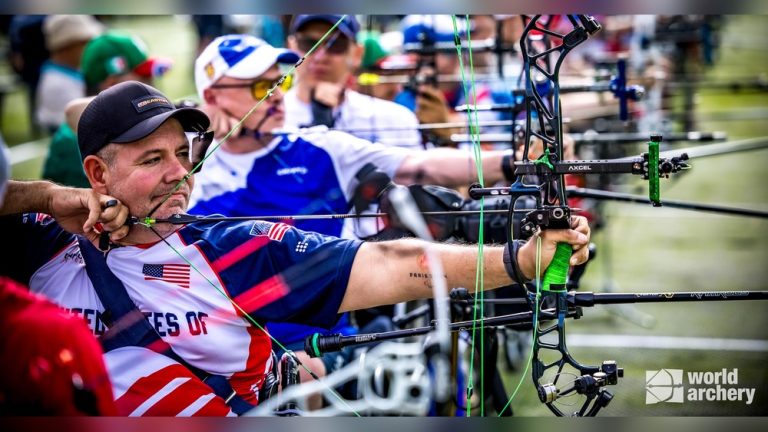
The sport showcased in Rio 2016 uses the Recurve Bow. If you are new to archery, you might be using a traditional longbow or a basic take-down recurve. Olympic recurve bows look a bit different due to their advanced accessories.
Key Differences: Traditional vs. Olympic Recurve
Olympic recurves are designed for maximum accuracy over 70 meters. They are highly standardized, meaning archers compete with very similar technology, shifting the focus entirely to skill.
| Feature | Beginner/Traditional Recurve | Olympic Recurve |
|---|---|---|
| Sights | Often none, or simple sight pins. | Precision, micro-adjustable scope/sight. |
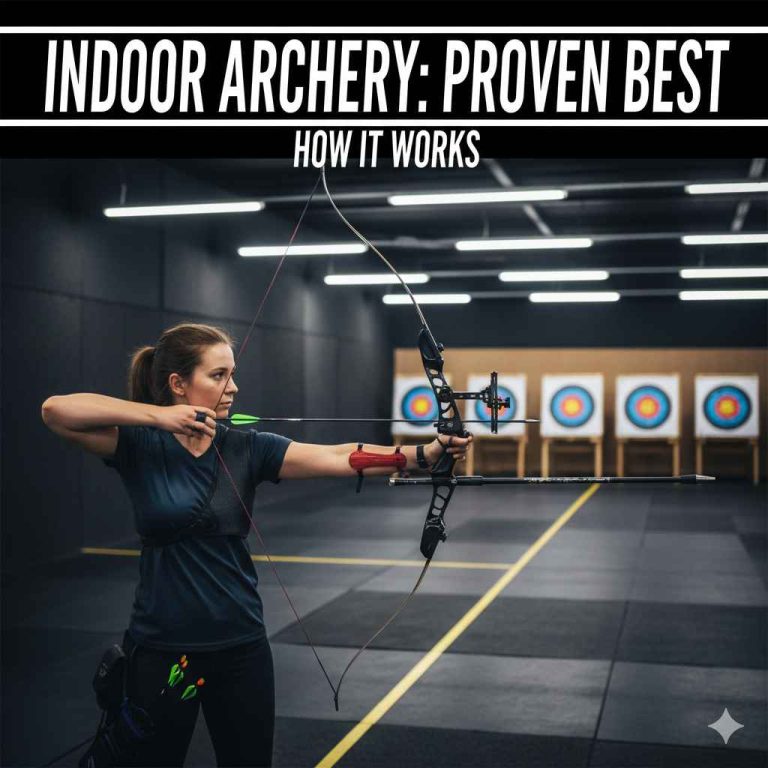
| Stabilization | Minimal or no stabilizers. | Long rods (V-bars, long front rod) to dampen vibration and add aiming steadiness. |
| Clicker | Rarely used. | Mandatory device ensuring the arrow is always drawn to the exact same length. |
The complexity of these tools is why the pros look so different from someone shooting in their backyard with a wooden bow. However, the core principle—hold steady, aim, release smoothly—remains the same for everyone!
Safety First: Learning from the Best Practices
Watching world-class archers also reinforces the importance of safety. Even when the pressure is immense, they never compromise their safety routine. If you are just starting out, making safety a non-negotiable habit now will prevent problems later.
Here are the essential safety steps practiced by pros and required for beginners:
- Clear Range: Always ensure your target area is clear of people and safe backstops are in place. Check resources from organizations like the National Field Archery Association (NFAA) for range safety guidelines.
- No Dry Firing: Never release the string without an arrow loaded. This sends massive shock through the limbs, potentially destroying the bow or causing injury.
- Proper Signaling: Always use clear signals (like “Cease Fire” or “Clear”) before retrieving arrows or starting a new end.
- Bow Check: Before every session, inspect your string, limbs, and arrows for any cracks, fraying, or damage.
The Road to Olympic Gold: Training Insights
While we know who won in 2016, understanding how they trained is more useful for the developing archer. South Korean athletes spend immense amounts of time practicing, often shooting hundreds of arrows daily, even outside of dedicated Olympic cycles.
For the hobbyist, this translates to smart practice, not necessarily high volume. Focus on quality over quantity.
The Value of Structured Practice
Instead of just plinking arrows randomly, follow a structure. Here is a simple structure you can adopt, inspired by how professionals segment their training:
- Warm-up (15 Minutes): Light stretching followed by shooting at close range (10 yards) focusing only on form—stance, grip, release.
- Distance Work (45 Minutes): Shoot at your target competition distance (e.g., 30 or 50 yards). Focus on achieving consistent grouping, not just hitting the bullseye.
- Pressure Simulation (15 Minutes): Shoot 3 or 6 arrows quickly, simulating a timed competition round, perhaps shooting while fatigued or distracted briefly.
- Cool-down & Analysis (15 Minutes): Review your performance. What worked? What went wrong? This mental practice is crucial for long-term improvement.
Even if you only have an hour to practice, structuring it ensures you are improving technique, not just putting arrows downrange.

Frequently Asked Questions (FAQ) for Beginner Archers
Q1: Was the 2016 Olympic Archery competition shot at 50 meters or 70 meters?
A: Olympic Recurve Archery competitions are shot at a distance of 70 meters for both men and women in the elimination and ranking rounds. This is a standardized distance in modern target archery.
Q2: Did the 2016 Olympics feature the Compound Bow?
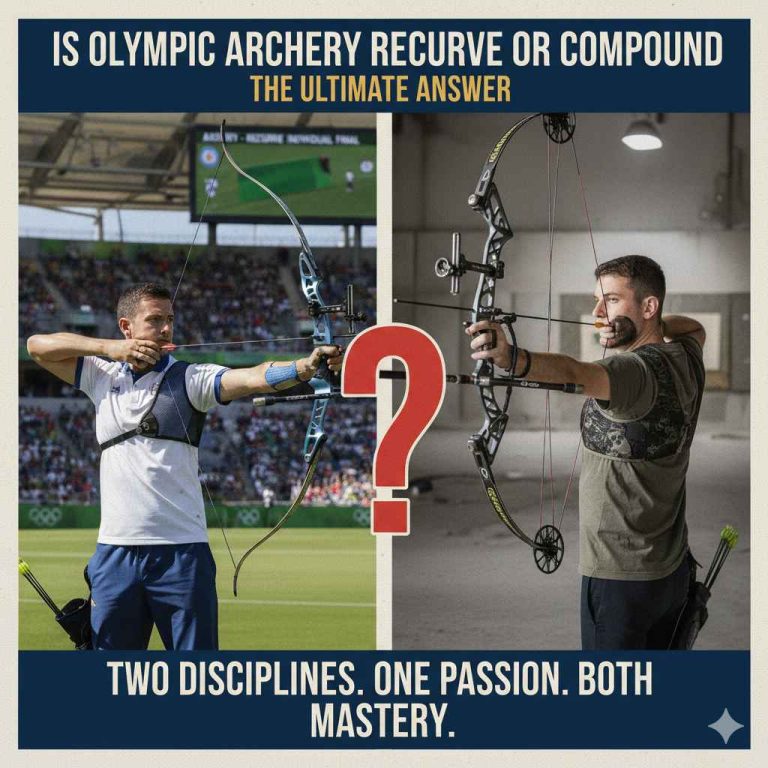
A: No. The Olympics only features the Recurve Bow. Compound bows, which use cams and cables to reduce holding weight, are incredibly popular in field archery and world championships but are not currently part of the Olympic program.
Q3: How many total gold medals were available in Archery in Rio 2016?
A: There were five total gold medals available in Olympic Archery in 2016: Men’s Individual, Women’s Individual, Men’s Team, Women’s Team, and the newly introduced Mixed Team event.
Q4: What is the main difference between the Korean team’s success and others?
A: While physical talent is universal, the primary difference lies in the intensity and structure of their national selection process. South Korean archers compete fiercely just to make the national team, ensuring only the absolute best attend the Games.
Q5: If I want to shoot like the Olympians, should I buy an expensive bow immediately?
A: Absolutely not! As a beginner, focus on a quality, entry-level take-down recurve bow that fits your draw weight safely. Master your form first. The specialized equipment used by Ku Bon-chan is only beneficial once your technique is nearly flawless.
Q6: What language is typically spoken on the range during international competitions?
A: While the archers speak their native languages, all crucial commands relating to timing, shooting, and safety announcements (like confirming the range is clear) are given in English, as English is the official language of World Archery events.
Conclusion
At the 2016 Rio Olympics, South Korea firmly established its dominance in Olympic archery, winning four out of five gold medals in the recurve events. With standout performances from Ku Bon-chan and Chang Hye-jin, South Korea once again proved why it is considered the global powerhouse of the sport.
Their success wasn’t luck — it was the result of disciplined training, mental toughness, and technical precision. For aspiring archers, Rio 2016 serves as powerful inspiration: mastery comes from consistency, focus, and dedication to perfect form.