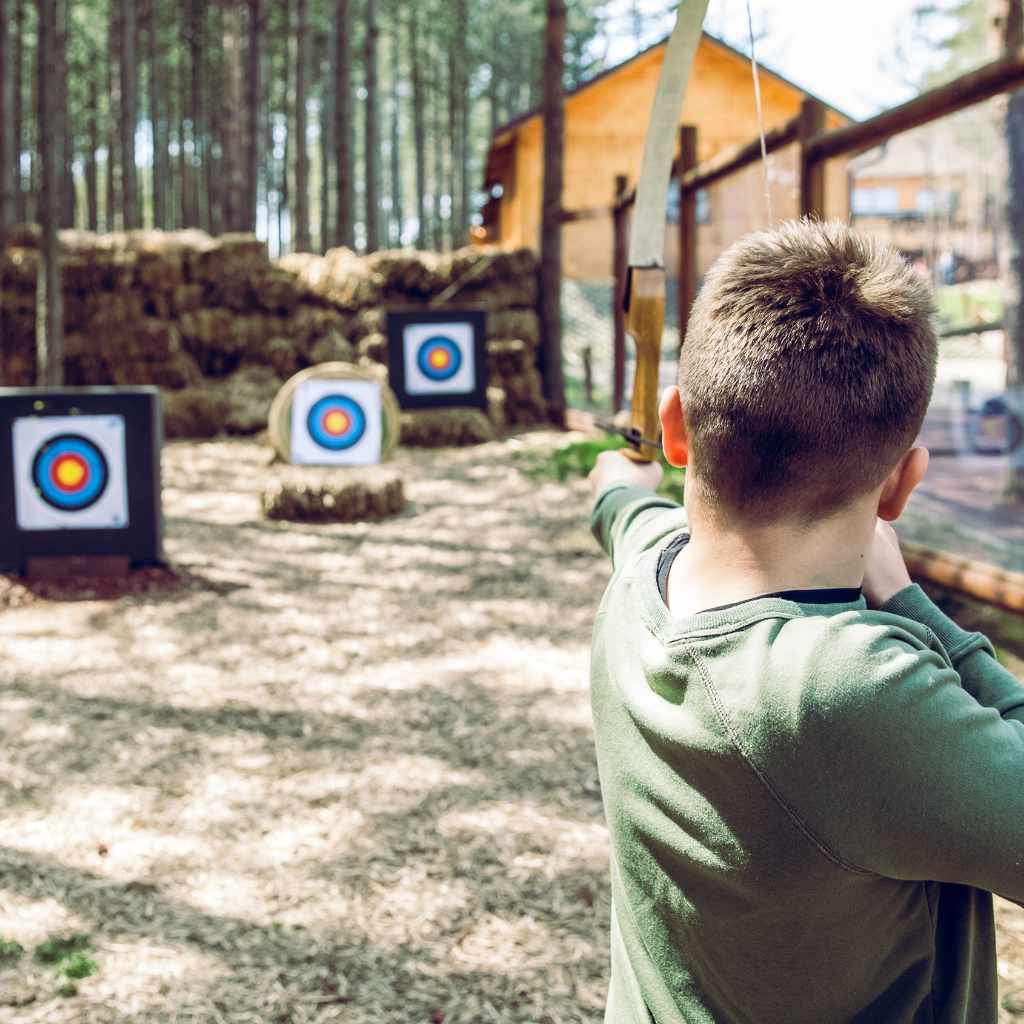
How to Make the Olympic Archery Team: Proven Tips for Success
Are you dreaming of standing on the Olympic archery field, arrow in hand, ready to compete with the best in the world? Making the Olympic archery team isn’t just about talent—it takes focus, dedication, and the right strategy.

SAS
SAS Stainless Steel Mirror Surface Bow Stabilizer…
- Made from high-quality stainless steel, these weights are durable and long-lasting, ensuring that they can withstand even the most…
- The mirror surface finish of these weights not only adds a sleek and stylish touch to your bow, but also makes them easy to clean…
- These bow stabilizer weights are designed to effectively reduce vibration and noise, allowing you to take more accurate shots.
As an Amazon Associate I earn from qualifying purchases.
Whether you’re a beginner or already practicing, this guide will show you exactly what steps you need to take to turn your dream into reality. Keep reading, and discover how you can sharpen your skills, boost your performance, and secure your spot on the team. Elite programs often start young — see how Japan’s school Kyudo system builds competitive archers from high school.
Setting Clear Goals
Setting clear goals is the first step to join the Olympic archery team. Goals guide your focus and measure your progress. Without clear goals, training may feel aimless and confusing.
Clear goals help you stay motivated. They break down big dreams into simple tasks. This way, you know exactly what to work on every day.
Identifying Olympic Standards
Know the official scores and skills needed for Olympic archery. Research the qualifying scores from recent Olympic trials. Understand the rules and equipment standards set by the Olympic committee.
Set a target score based on these standards. This target should push you to improve but remain realistic. Knowing these benchmarks helps you focus your training on what matters most.
Creating A Training Plan
Design a daily schedule that fits your goals and lifestyle. Include practice sessions for shooting technique and physical fitness. Balance your training to avoid burnout or injury.
Track your progress with weekly reviews. Adjust your plan as needed to improve weaknesses. A clear, consistent plan builds the skills needed to reach Olympic level.
Mastering Archery Techniques
Mastering archery techniques is essential to join the Olympic team. Good skills build confidence and improve your scores. Practice daily with focus on key areas. Each step shapes your performance on the field.
Work hard on your stance, grip, aim, and release. Small changes make a big difference. Let’s explore these techniques in detail.
Perfecting Your Stance And Grip
Your stance must be stable and balanced. Feet shoulder-width apart, weight evenly spread. Stand straight but relaxed. A strong stance reduces movement during shooting.
Grip the bow gently. Avoid tight or loose holds. Keep your hand steady to prevent shaking. A consistent grip helps arrow flight stay true.
Improving Aim And Release
Focus on the target, not the bow. Align your sight with the bullseye each time. Take slow, deep breaths to steady your body.
Release the string smoothly. Avoid jerking or sudden movements. A clean release sends the arrow straight and true. Practice the timing until it feels natural.
Enhancing Consistency
Repetition builds muscle memory. Shoot the same way every time. Use a checklist for each shot: stance, grip, aim, release.
Record your sessions to spot mistakes. Adjust your technique based on feedback. Consistency is key to scoring well under pressure.
Physical Conditioning
Physical conditioning is key for any archer aiming for the Olympic team. Strong muscles support steady shots. Good stamina keeps focus during long practice and competition. Proper conditioning reduces injury risks and improves overall performance.
Training the body prepares it for the demands of archery. It builds strength in the arms, shoulders, and core. Endurance helps maintain form through many rounds. Flexibility keeps joints healthy and limits strain. Injury prevention helps athletes stay on track.
Building Strength And Endurance
Strength is vital for pulling the bowstring smoothly and holding steady. Focus on exercises that target the back, shoulders, and arms. Weight training, resistance bands, and bodyweight exercises work well. Core strength also supports balance and posture.
Endurance keeps your energy up during long sessions. Cardiovascular workouts like running, cycling, or swimming improve stamina. Combine strength and endurance training for best results. Train consistently but allow time for recovery.
Flexibility And Injury Prevention
Flexibility helps your body move freely and reduce muscle tightness. Stretch daily, focusing on the shoulders, arms, and back. Yoga and light stretching improve flexibility and balance.
Prevent injuries with proper warm-ups before practice. Use correct form to avoid strain. Rest and recover when muscles feel sore. Stay hydrated and listen to your body’s signals. Healthy habits keep training steady and safe.
Mental Preparation
Mental preparation is key to making the Olympic archery team. Archery demands sharp focus and strong nerves. The mind must stay calm under pressure. Practice helps build mental strength as much as physical skill. This section explores ways to improve focus and handle competition nerves.
Developing Focus And Concentration
Focus is the ability to keep your mind on the target. Distractions can ruin a shot. Training your mind is as important as training your body. Try meditation or breathing exercises to clear your thoughts. Visualize hitting the bullseye before each shot. Practice in different environments to stay focused anywhere. Short, consistent sessions improve concentration over time.
Managing Competition Nerves
Nerves are natural in high-stakes competitions. They can cause shaking hands or loss of focus. Learn to recognize nervous feelings early. Controlled breathing slows the heart and calms the mind. Prepare a simple routine before shooting to build confidence. Stay positive and remind yourself of your training. Accept nerves as part of competing and keep shooting.
Choosing The Right Equipment
Choosing the right equipment is a crucial step in making the Olympic archery team. The gear you use affects your accuracy and comfort. Using the best-suited equipment helps improve your focus and shooting consistency. Every archer needs to select tools that match their style and physical needs.
Selecting Bows And Arrows
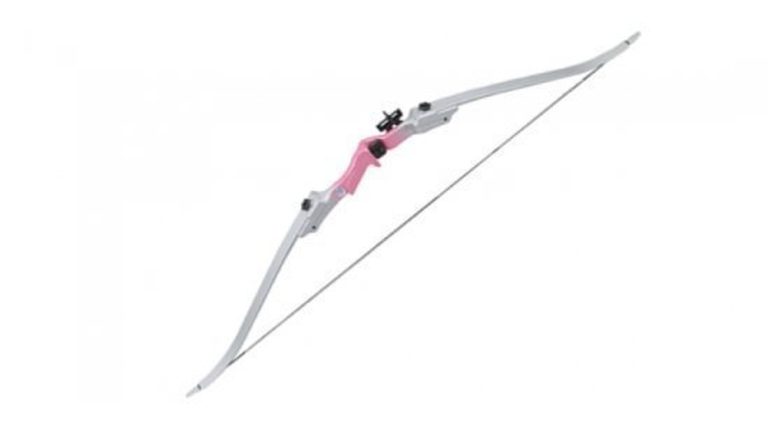
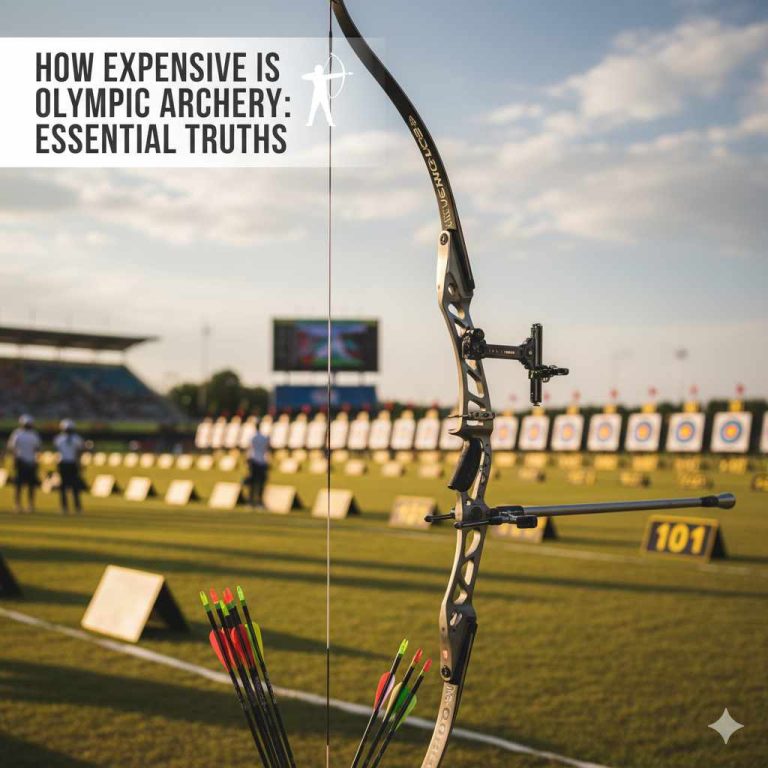
Choosing the right bow is the first task. Recurve bows are the standard for Olympic archery. Pick a bow with the right draw weight. Too heavy can tire your arm, too light may lack power. Arrows must fit your bow and shooting style. Arrow length and weight influence flight and accuracy. Test different arrows to find the best match.
Customizing Gear For Performance
Adjusting your gear ensures better performance. Use stabilizers to balance your bow and reduce vibration. Add sights to improve aiming. Finger tabs protect your fingers and help release the string smoothly. Customize your grip to fit your hand shape. Small changes can make a big difference in comfort and control.
Gaining Competitive Experience
Gaining competitive experience is a crucial step in making the Olympic archery team. It helps you build confidence and improve your skills under pressure. Competing regularly shows where you stand among other archers.
Experience teaches focus and control. It prepares you for the tough moments during big events. The more you compete, the better you understand the sport and yourself.
Participating In Local And National Tournaments
Start by joining local archery tournaments. These events offer a safe place to practice competition skills. Local contests help you get used to the rules and timing.
Next, enter national tournaments. These competitions have stronger archers and tougher challenges. Competing nationally raises your level and exposes you to new styles and techniques.
Each event lets you test your nerves and improve focus. It also builds your reputation and ranking in the archery community.
Learning From Each Competition
Every competition is a chance to learn. Watch your shots and notice what works and what doesn’t. Analyze your mistakes and successes carefully.
Ask for feedback from coaches and experienced archers. Use their advice to make small but important changes. Improving step by step leads to big progress.
Keep a journal of your performances. Write down scores, feelings, and lessons from each event. This record helps track your growth and prepares you for future contests.
Working With Coaches And Mentors
Working with coaches and mentors plays a key role in making the Olympic archery team. These experts offer guidance, support, and advice. They help athletes improve skills and build confidence. Learning from experienced coaches can speed up progress and avoid common mistakes.
Finding Qualified Coaches
Start by searching for coaches with experience in competitive archery. Choose those who have trained athletes at national or international levels. A good coach knows both technique and mental preparation. Check their background and ask for references. Join archery clubs or associations to meet reputable coaches. Personal connection matters. Find someone who understands your goals and style.
Utilizing Feedback And Guidance
Listen carefully to the coach’s advice. Use feedback to adjust your form and technique. Practice regularly based on their instructions. Ask questions when unclear about any tips. Mentors often spot small errors that affect performance. Take notes during sessions to remember key points. Stay open to criticism. This helps you grow stronger and smarter as an archer.
Navigating Olympic Trials
Navigating Olympic Trials is a crucial step for archers aiming for the Olympic team. It tests skill, focus, and mental strength under pressure. Understanding the process helps athletes perform at their best.
Each trial event challenges competitors to show consistency and precision. Success depends on knowing the rules and preparing thoroughly.
Understanding Qualification Criteria
Olympic Trials have clear rules about who can compete. Archers must meet age and performance standards. Past competition results often influence eligibility.
Scoring systems vary but focus on accuracy and timing. Top scorers move forward in the selection process. Knowing these details avoids surprises during trials.
Preparing For Trial Events
Training must target both skill and mental readiness. Practice with similar equipment and conditions as trials. Simulate competition to build confidence and reduce stress.
Rest and nutrition play key roles before the event. A balanced routine helps maintain energy and focus. Arrive early to adjust to the environment and stay calm.
Balancing Life And Training
Balancing life and training is key to making the Olympic archery team. Archers face many demands beyond just practice. Managing personal time, work, and rest can be tough. Without balance, performance may suffer. Finding harmony helps improve focus and strength.
Archery requires steady commitment. Athletes must plan daily routines that include training and life duties. This balance builds resilience and keeps motivation high. Smart strategies help maintain this delicate balance.
Time Management Strategies
Plan each day with clear goals. Break training into short, focused sessions. Use calendars or apps to track practice and rest periods. Prioritize tasks by importance. Avoid distractions during training time. Schedule breaks to prevent burnout. Prepare equipment and clothes the night before. A routine reduces stress and saves time.
Maintaining Motivation And Discipline
Set small, achievable goals regularly. Celebrate progress, even if small. Keep a training journal to track improvements. Surround yourself with supportive people. Visualize success to stay inspired. Accept setbacks as part of growth. Discipline grows with consistent effort. Stay patient and trust the process.
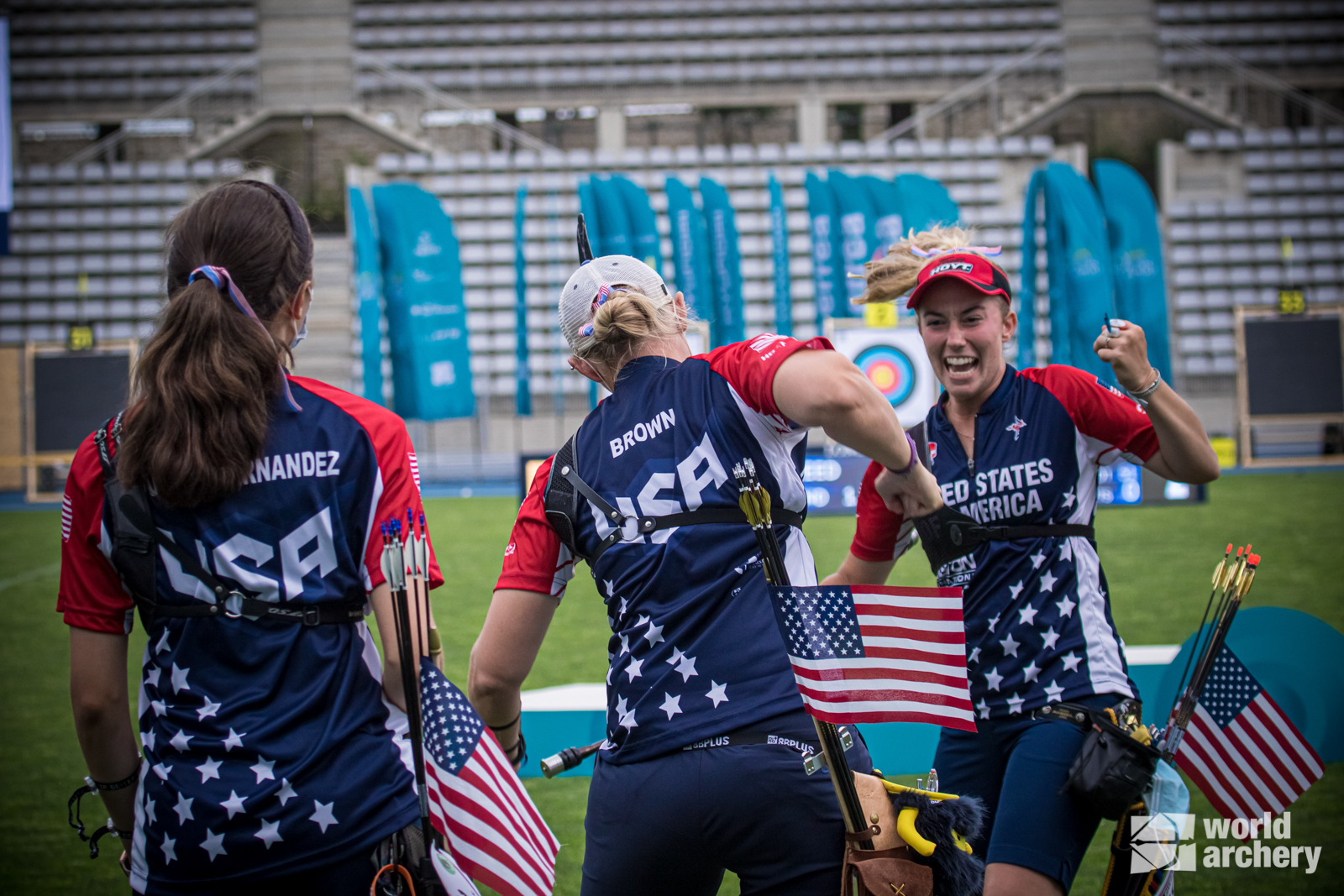
Frequently Asked Questions
How Do I Qualify For The Olympic Archery Team?
To qualify, you must compete in national trials and perform consistently at elite levels. Meeting score standards and demonstrating mental focus is crucial.
What Skills Are Essential For Olympic Archery?
Key skills include precision, steady aim, mental toughness, and physical endurance. Practice and technique refinement are vital to excel.
How Long Does It Take To Make The Olympic Team?
It varies, but most archers train for years. Dedication, coaching, and competition experience speed up progress.
What Equipment Is Best For Olympic Archery?
Use a high-quality recurve bow with proper tuning. Arrow consistency and protective gear also affect performance.
Conclusion
Making the Olympic archery team takes hard work and focus. Practice every day to improve your skills. Stay patient and keep learning from mistakes. Set clear goals and follow a strong training plan. Believe in yourself and stay motivated through challenges.
Remember, success comes from steady effort and passion. Keep aiming high, and your dreams can come true.
Related pick: Check today's price on Amazon