How to Run an Archery League: Ultimate Guide for Success
Are you ready to bring the thrill of archery to your community? Running an archery league is a fantastic way to connect people, improve skills, and create lasting memories.

As an Amazon Associate I earn from qualifying purchases.
But where do you start? How do you keep everyone engaged and eager to come back week after week? In this guide, you’ll discover simple, effective steps to set up and manage an archery league that’s fun, organized, and rewarding for every participant.
Keep reading, and you’ll learn how to turn your passion for archery into an exciting experience that everyone will love.
Setting Up Your League
Setting up an archery league takes planning and clear choices. Each step matters to make the league fun and fair. Start by deciding the format. Then, find the right place. Finally, set the schedule. These steps build a strong base for your league’s success.
Choosing The Right Format
Pick a format that suits your players’ skill levels. Consider single or double elimination for quick play. Round robin works well for longer seasons and fair chances. Decide on team sizes and scoring rules. Keep the rules simple and easy to follow. Clear formats help players enjoy and compete better.
Selecting A Venue
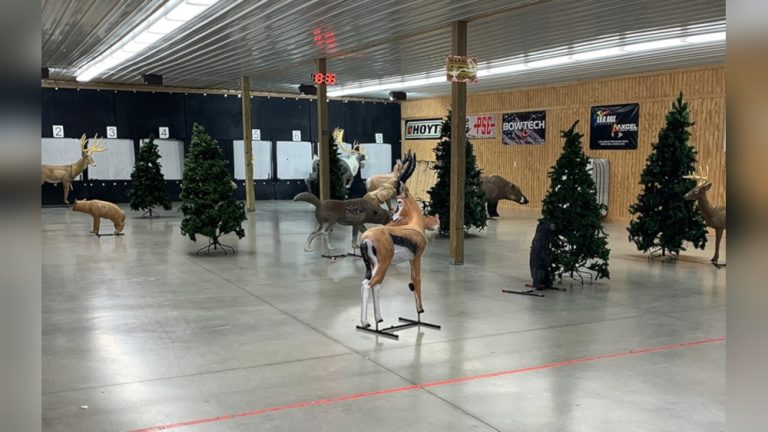
Choose a venue that is safe and spacious. Outdoor ranges offer fresh air and natural light. Indoor ranges protect from weather and offer control. Check for enough targets and shooting lanes. Make sure the place has good lighting and seating. A comfortable venue attracts more players and keeps them coming back.
Scheduling Matches
Set match times that fit most players’ availability. Weekends or weekday evenings often work best. Plan a regular schedule to build routine and commitment. Avoid too many matches in a short time to prevent fatigue. Give clear notice for each match date. A steady schedule helps players stay engaged and prepared.
Recruiting Participants
Recruiting participants is the first step to a successful archery league. Without enough players, the league cannot grow or thrive. Focus on attracting a mix of skill levels to create a balanced and fun competition. Clear and easy registration helps players join quickly. Building a strong community keeps players coming back each season.
Attracting Beginners And Experts
Invite archers of all skill levels. Beginners bring fresh energy and learning opportunities. Experts raise the competition and show new techniques. Advertise your league in local clubs and social media groups. Offer beginner-friendly sessions to ease new players into the sport. Highlight the chance for experts to compete and improve.
Creating Registration Processes
Make registration simple and clear. Use online forms for easy sign-up. Ask for basic details like name, skill level, and contact information. Set a deadline to keep the league organized. Provide payment options if needed. Confirm registrations quickly to build trust and excitement.
Building A Community
Create a welcoming environment for all players. Organize meet-ups and practice sessions. Encourage players to share tips and stories. Use social media or messaging apps to keep everyone connected. Celebrate player achievements and milestones. A strong community helps players feel involved and eager to return.
Equipment And Safety
Running an archery league needs focus on equipment and safety. Both are key for a fun and secure experience. Good gear helps players perform well. Safety rules protect everyone involved. Proper care keeps the equipment working long.
Essential Gear Checklist
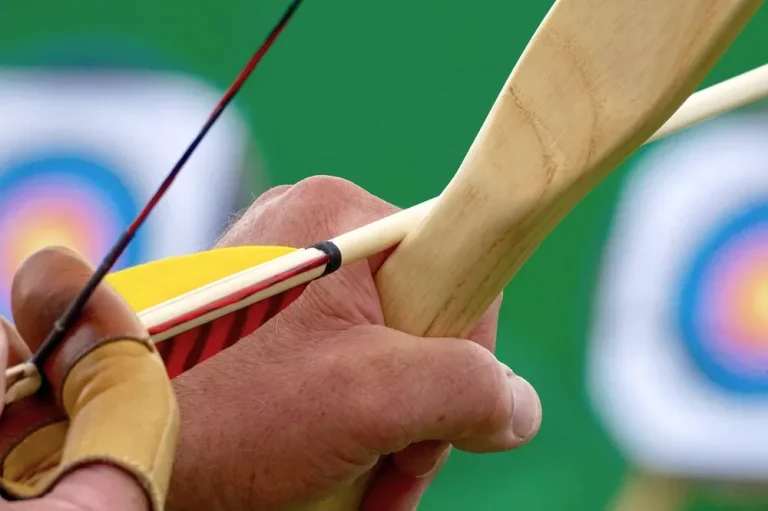
Every archer needs a bow and arrows. Choose arrows that fit the bow’s draw weight. Use arm guards to protect the forearm. Finger tabs or gloves prevent finger pain. Targets must be sturdy and visible from a distance. A quiver keeps arrows organized and easy to reach. Safety glasses add extra eye protection. Have a first aid kit ready for minor injuries.
Safety Rules And Protocols
Set clear rules before each session. Always check that the shooting area is clear. Never shoot if someone is downrange. Keep bows pointed down or at the target. Use a whistle or signal to start and stop shooting. Archers should stand behind the shooting line. Collect arrows only after everyone stops shooting. Teach new players about safe handling and respect.
Maintaining Equipment
Inspect bows and arrows before every use. Look for cracks, splinters, or loose parts. Replace damaged arrows immediately. Keep bowstrings waxed and clean. Store equipment in a dry, cool place. Clean target faces to avoid arrow damage. Regular maintenance extends gear life and safety.

Scoring And Ranking
Scoring and ranking form the heart of any archery league. They keep track of player progress and decide the winners. Clear, simple methods help keep the league fun and fair for all players.
Tracking Scores Efficiently
Use score sheets or digital apps to record each round. Write scores clearly after every turn. Double-check scores to avoid mistakes. Update totals quickly to keep the game moving. Store all scores in one place for easy access.
Ranking Players Fairly
Rank players by total points earned. Use the number of bullseyes as a tiebreaker. Consider average scores if needed. Share rankings regularly to keep players motivated. Keep the system simple so everyone understands.
Handling Ties And Disputes
Plan rules for ties before the league starts. Use extra rounds or sudden death shots to break ties. Listen to players’ concerns calmly and clearly. Review score sheets to resolve disputes. Keep decisions fair and consistent for all.
Promoting The League
Promoting an archery league is key to growing its membership and creating excitement. Good promotion draws attention from archers and the local community. It builds a strong base of regular participants and supporters. Simple, clear methods work best to spread the word. Focus on reaching people where they spend time and enjoy activities. Here are some effective ways to promote your archery league.
Using Social Media
Social media platforms attract many people every day. Create pages or groups for your league on Facebook, Instagram, or Twitter. Post updates about schedules, scores, and special events. Share photos and videos to show the fun and skill involved. Encourage members to share posts to increase reach. Regular posts keep the league visible and interesting. Use simple language and clear images to appeal to all skill levels.
Engaging Local Media
Local newspapers, radio, and TV stations want stories about community activities. Send them press releases about your league’s events and successes. Invite reporters to cover tournaments or special matches. Local media coverage gives the league credibility and wider exposure. It can attract new archers and sponsors. Be friendly and provide all needed details for easy reporting. Highlight the league’s community benefits and fun atmosphere.
Organizing Special Events
Special events create buzz and draw crowds. Host open days where anyone can try archery for free. Organize tournaments with prizes to excite competitive archers. Plan family-friendly activities to attract a wider audience. Promote these events through social media and local media. Special events offer chances to meet new people and enjoy archery together. They help build a loyal and growing league community.
Managing Finances
Managing finances is key to running a successful archery league. Clear money plans help keep everything smooth. Tracking income and expenses avoids surprises. Careful money control ensures the league runs without problems.
Setting Entry Fees
Set entry fees based on costs and player numbers. Fees should cover expenses but stay affordable. Check what other leagues charge for a good guide. Consider discounts for early sign-ups or groups. Clear fee rules make payment easy and fair.
Budgeting For Expenses
Create a budget listing all expected costs. Include venue rental, equipment, prizes, and refreshments. Plan for small unexpected costs to avoid money gaps. Track spending regularly to stay within budget. Good budgeting helps the league last longer.
Sponsorship Opportunities
Find local businesses interested in supporting the league. Sponsorship can cover costs or provide prizes. Offer advertising space or event naming in return. Build good relationships with sponsors for future support. Sponsorships reduce financial pressure on players.
Enhancing Player Experience
Enhancing player experience is key to a successful archery league. Players stay motivated and enjoy their time more. This leads to better attendance and growth of the league.
Creating a welcoming and supportive environment helps players improve. Making the league fun and rewarding keeps everyone engaged.
Providing Coaching And Support
Offer coaching sessions to help players improve their skills. Beginners gain confidence with proper guidance. Experienced archers can refine their techniques. Coaches should be friendly and patient. Support can include feedback after matches and tips for practice. This builds trust and encourages continuous learning.
Hosting Workshops
Workshops bring players together to learn new skills. Topics can include equipment care, aiming techniques, or mental focus. Hands-on activities make workshops interesting and useful. Invite experts or skilled archers to lead sessions. Workshops also create a sense of community among players. Regular events keep the league dynamic and exciting.
Offering Prizes And Recognition
Give prizes to celebrate achievements and progress. Awards can be for top scores or most improved players. Recognizing effort boosts player morale and motivation. Use certificates, medals, or small gifts as prizes. Public recognition during events makes players feel valued. This encourages friendly competition and sportsmanship.
Troubleshooting Common Issues
Running an archery league can bring many challenges. Problems may arise during matches or with players. Knowing how to fix these issues keeps the league fun and fair. The following tips help solve common problems quickly.
Resolving Conflicts
Disagreements happen in every group. Listen to both sides calmly. Find a fair solution that respects all players. Remind everyone about the league rules. Encourage respect and good sportsmanship. Clear communication stops conflicts from growing.
Dealing With No-shows
Players sometimes miss matches without warning. Set a clear rule about no-shows early. Ask players to notify you before missing a match. Have backup players ready to fill spots. Keep track of frequent no-shows. Decide on fair penalties to keep commitment strong.
Adapting To Weather Challenges
Weather can disrupt outdoor matches. Have a backup plan for bad weather days. Move matches indoors if possible. Reschedule matches fairly with all players’ agreement. Keep players informed about any changes quickly. Safety is the top priority for all players.
Frequently Asked Questions
What Equipment Is Needed To Run An Archery League?
Basic archery gear includes bows, arrows, targets, and safety equipment. You also need scoring sheets, range markers, and a secure shooting area. Proper equipment ensures safety and smooth competition for all participants.
How Do You Organize Archery League Matches?
Schedule regular sessions, assign match officials, and set clear rules. Use a consistent scoring system and track participants’ progress. Effective organization keeps the league fair and enjoyable for everyone involved.
What Are Common Scoring Methods In Archery Leagues?
Most leagues use the 10-point scoring system per arrow. Scores are totaled after each round to determine winners. Clear, standardized scoring helps maintain competition integrity and participant motivation.
How Can I Promote My Archery League Effectively?
Use social media, local sports clubs, and community boards for promotion. Offer incentives like prizes or beginner sessions. Engaging marketing attracts more participants and builds a strong league community.
Conclusion
Running an archery league takes careful planning and clear rules. Keep players involved and make matches fair. Track scores well and share updates often. Encourage friendly competition and teamwork among all participants. Regularly check equipment and safety measures. Enjoy the fun and watch skills grow.
With dedication, your league will thrive and bring joy to everyone.
Related pick: Check today's price on Amazon