What to Know About Archery League Before Joining One
Archery leagues are growing in popularity worldwide. People of all ages are discovering the thrill of drawing a bow, aiming with focus, and releasing an arrow toward a target. But joining an archery league is more than just hitting bullseyes.
It’s a blend of community, competition, and personal growth. If you’re curious about joining an archery league, or you want to know what’s really involved, this article will give you a clear, honest look at everything you need to know, from rules and formats to gear, costs, and tips for getting started.
What Is An Archery League?
An archery league is an organized group where archers compete against each other over a series of sessions. Unlike casual shooting, leagues have structured schedules, scoring systems, and often teams. Some leagues focus on fun and learning; others are highly competitive.
Most leagues meet weekly or bi-weekly, running for a set number of weeks, often between 8 and 12. At the end, scores are totaled and awards may be given. Leagues can be for individuals or teams, and they often welcome all skill levels.
You’ll find leagues at local archery clubs, indoor ranges, and even online communities.
Pro Tip: Leagues are not just for experts. Many leagues have divisions for beginners, youth, women, and even families.
Main Types Of Archery Leagues
There isn’t just one kind of archery league. The format depends on the style of archery, the location, and the group’s goals. Here are the main types:
Target Archery Leagues
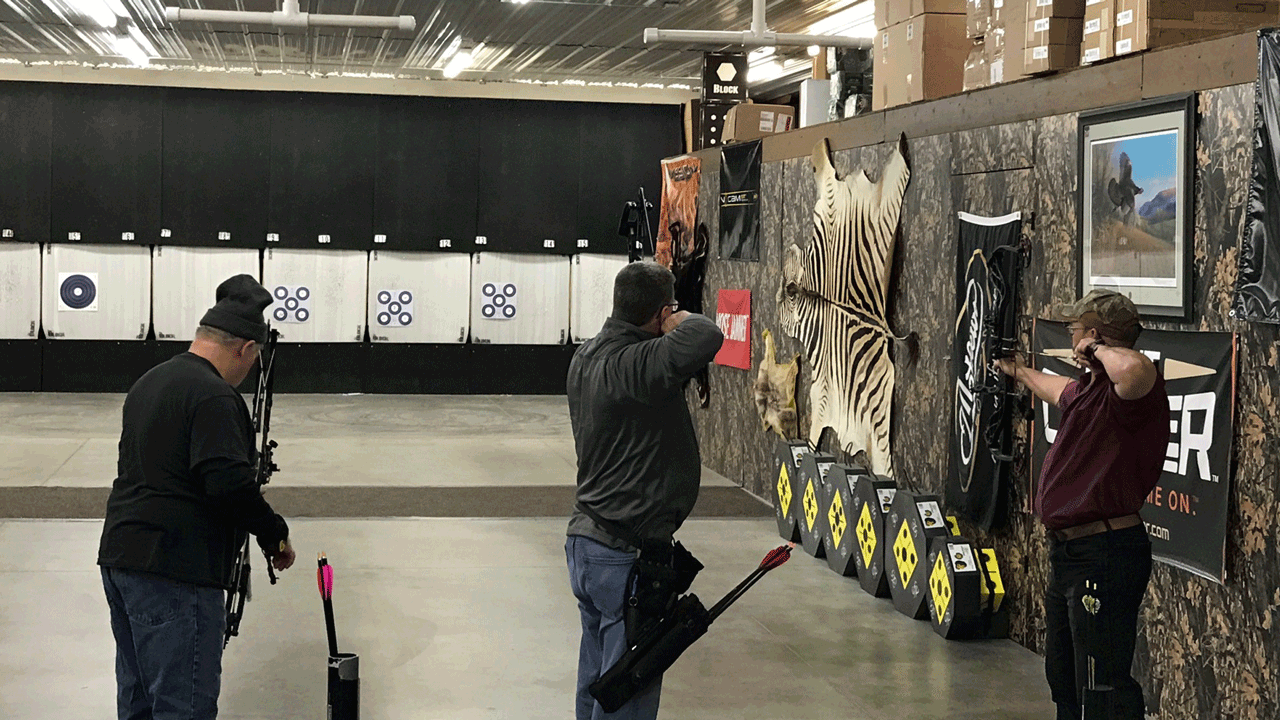
These are the most common, using standard round targets. Shooters stand at set distances and score points for hitting different rings. Indoor leagues often use 18-meter distances; outdoor leagues may be at 30, 50, or 70 meters.
3d Archery Leagues
In these leagues, archers walk a course and shoot at three-dimensional animal-shaped targets placed at various distances. Scoring is based on where the arrow lands, closer to the “vitals” scores higher. This format is popular with hunters and those who prefer a more dynamic challenge.
Field Archery Leagues
Field archery combines elements of hiking and shooting. Archers move through a course in a wooded area, shooting at targets placed at different distances and angles. It’s a good workout and tests a wide range of archery skills.
Virtual Or Online Leagues
Some leagues allow you to compete remotely by submitting scores online. This became especially popular during the pandemic, and it’s useful if you live far from a club or want to compete with friends in other cities.
Youth, Family, And Specialty Leagues
Many clubs offer leagues tailored for kids, families, or certain bow types, such as recurve-only or traditional archery. These leagues are often more relaxed and focus on learning.

Credit: www.pfw.edu
How An Archery League Works
Most archery leagues follow a similar structure, but there can be important differences. Here’s how a typical league operates:
- Registration: Archers sign up individually or as teams. Some leagues limit entries to certain skill levels or ages.
- Scheduling: Leagues usually run for a set season, often weekly matches over 8-12 weeks.
- Rules: Each league has its own rules on equipment, scoring, distances, and conduct.
- Scoring: After each session, scores are recorded. Some leagues track individual scores; others use team totals.
- Standings: Scores are posted so everyone can see their progress.
- Awards: At the end of the season, top performers may win trophies, medals, or prizes.
Pro Tip: Read the league’s rulebook carefully before your first session. Small details, like arrow colors or clothing, can matter.
Common League Formats
Leagues can use different formats to keep things interesting. Here are three of the most popular:
| Format | Description | Best For |
|---|---|---|
| Round Robin | Every archer/team shoots against every other once. | Smaller leagues, balanced competition |
| Handicap System | Weaker shooters get bonus points to keep matches close. | Mixed skill levels, beginners vs. experts |
| Knockout/Elimination | Winners advance; losers are out. Ends with a final match. | Short seasons, tournament feel |
Some leagues mix formats, offering both team and individual awards. Others may use “league nights” as fun, non-competitive practice.
Who Can Join An Archery League?
Almost anyone can join an archery league. Most clubs welcome archers aged 8 and up, and many have adaptive programs for people with disabilities. Some leagues are for adults only, but youth and family options are common.
You don’t need to be an expert to join. Many leagues welcome total beginners and offer coaching. Some even supply equipment, removing a big barrier for newcomers.
Warning: Check if your league requires membership in a national archery organization (like USA Archery) or a local club. This can affect costs and eligibility.
Essential Equipment For League Archery
The right gear can make a big difference in your league experience. Here’s what you’ll need:
- Bow: The type depends on the league, recurve, compound, or traditional. Most leagues allow any legal bow, but some have restrictions.
- Arrows: Bring at least six, all the same length and spine (stiffness). Mark them with your initials.
- Protective Gear: Use an armguard and finger tab or release aid. This prevents injuries.
- Quiver: Holds your arrows during shooting.
- Sight and Stabilizer: Optional, but helpful for accuracy (if allowed by the league).
- Target Face: Sometimes you must bring your own paper target face.
- Other Accessories: A bow stand, arrow puller, and small toolkit can be handy.
Here’s a quick comparison of the most popular bows used in leagues:
| Bow Type | Pros | Cons | Common Uses |
|---|---|---|---|
| Recurve | Simple, Olympic style, easy maintenance | Less power, more physical effort | Target, field, beginners |
| Compound | High accuracy, less holding weight | Heavier, more complex | Target, 3D, advanced |
| Traditional/Longbow | Classic feel, light | No sights, harder to master | Traditional, field, fun leagues |
Pro Tip: Try different bows before buying. Many clubs let you rent or borrow equipment for your first few sessions.

Credit: red.msudenver.edu
Costs Involved In League Archery
Archery can be affordable or expensive, depending on your choices. Here’s what to expect:
- League Fees: Most leagues charge a fee to cover targets, awards, and facility use. This can range from $40 to $200 per season, depending on location and duration.
- Equipment: Beginners can start with basic gear, often $150, $300 for a starter set. Advanced bows and arrows can cost much more.
- Club Membership: Some clubs require annual dues, usually between $50 and $150.
- Extras: Optional items like advanced sights, specialized arrows, or branded clothing can add to costs.
Pro Tip: Ask your club about “loaner” gear or starter packages. Many offer these at a discount for league members.
League Rules And Etiquette
Every league has rules, but good etiquette matters just as much. Here are the basics:
General Rules
- Arrive on time and check in.
- Follow the range officer’s commands.
- Only shoot when it’s safe.
- Do not distract others while shooting.
Scoring And Honesty
Scoring is usually done in pairs or groups, and honesty is key. Most leagues use the “double score” method: two people record scores, and any disputes are checked by a judge. Cheating is rare, but taken seriously.
Dress Code
Some leagues have dress codes, closed-toe shoes, no loose jewelry, sometimes team shirts. This keeps everyone safe and helps with team spirit.
Respect And Sportsmanship
Encourage others, don’t criticize mistakes, and thank your lane-mates. Good sportsmanship is valued more than perfect scores.
Benefits Of Joining An Archery League
Archery leagues offer more than just competition. Here are some real advantages:
Improved Skill
Regular, structured practice leads to measurable progress. You’ll get feedback from others and can track your scores over time.
Motivation And Accountability
Knowing your team or friends are counting on you helps you show up and try your best, even on tough days.
Social Connection
Many people make lifelong friends in leagues. Archery brings together people from all backgrounds, and the shared focus helps build bonds.
Confidence And Focus
Archery teaches patience, concentration, and self-control. These skills often carry over into work, school, and daily life.
Opportunities For Advancement
Leagues are a stepping stone to higher-level competitions, like state or national events. You may discover a new passion or even earn scholarships.
Example: In my experience, joining a league pushed me to practice regularly and introduced me to mentors who helped me fix small technique issues I never noticed shooting alone.
How To Choose The Right League For You
Not all leagues are the same. Here’s how to find the best fit:
- Skill Level: Look for leagues that match your experience. Beginners should choose “novice” or “open” leagues, while experts may prefer competitive divisions.
- Location and Schedule: Make sure you can attend most sessions. Consistency is key for improvement and fun.
- Format: Choose a format that excites you, target, 3D, team, or individual.
- Community: Visit the club or range before signing up. Friendly, supportive groups lead to better experiences.
- Cost: Ask about all fees upfront, including hidden costs like target fees or required uniforms.
Pro Tip: Try a “fun night” or open house before committing to a full season. Most clubs welcome visitors.
Preparing For Your First League Night
Your first night can be nerve-wracking, but preparation makes a big difference.
- Check Your Gear: Make sure your bow, arrows, and accessories are ready. Bring extras in case something breaks.
- Review the Rules: Know the format, distances, and any unique league rules.
- Arrive Early: Give yourself time to warm up and meet other archers.
- Ask Questions: Don’t be afraid to ask for help, most archers are happy to share advice.
- Set Goals: Focus on learning and having fun, not just winning.
Pro Tip: Keep a small notebook to track your scores, notes on technique, and personal goals.
Common Mistakes Beginners Make In Leagues
Archery is easy to start but hard to master. Here are mistakes to avoid:
- Ignoring Technique: Focusing only on hitting the target can lead to sloppy form. Good technique matters more than scores early on.
- Skipping Practice: League nights are fun, but real improvement comes from regular practice between sessions.
- Comparing to Others: Every archer improves at their own pace. Don’t get discouraged if others score higher.
- Neglecting Equipment Maintenance: Check your bow and arrows regularly. Damaged gear can hurt your scores and safety.
- Forgetting Etiquette: Respect the range and your fellow archers. Small courtesies go a long way.
Credit: www.bowhunting.com
How Scores Are Calculated
Different leagues use different scoring systems, but most rely on simple point systems. Here’s a quick overview for the two most common styles:
| Target Type | Scoring Method | Max Points/Arrow | Notes |
|---|---|---|---|
| Standard Target Face | 10 rings, closer to center earns more | 10 | Used in Olympic-style leagues |
| 3D Animal Target | Score by “vital” area (center zone highest) | 10 or 12 | Varies by league rules |
Scores are added up each night. Some leagues let you drop your lowest score; others keep every week’s total.
Pro Tip: Take photos of your scorecards for your own records. It helps you track progress, and you won’t lose your results.
How To Improve Quickly In A League
If you want to get better fast, focus on these proven strategies:
- Take Notes: Write down what works and what doesn’t after each session.
- Ask for Feedback: Coaches and experienced archers can spot issues you might miss.
- Practice with Purpose: Don’t just shoot arrows, work on specific skills like stance, release, or aiming.
- Watch Others: Observe top shooters and learn from their form and routine.
- Set Realistic Goals: Aim to improve your average score, not just win every match.
Pro Tip: Many archers plateau because they stop learning. Stay curious and always look for small changes to test.
Safety In Archery Leagues
Safety is critical in all archery activities. Leagues usually have strict rules to keep everyone safe:
- Never nock an arrow until told to do so.
- Wait for the “clear” command before retrieving arrows.
- Wear proper gear, armguard, finger tab, closed-toe shoes.
- Report any equipment issues to range staff.
Accidents are rare, but always pay attention to your surroundings. If you have children in the league, teach them the importance of following every safety rule.
For more details on archery safety, see the guidelines from USA Archery.
Where To Find An Archery League
Ready to join? Here’s where to start looking:
- Local Archery Clubs: Most cities have at least one. Search online or ask