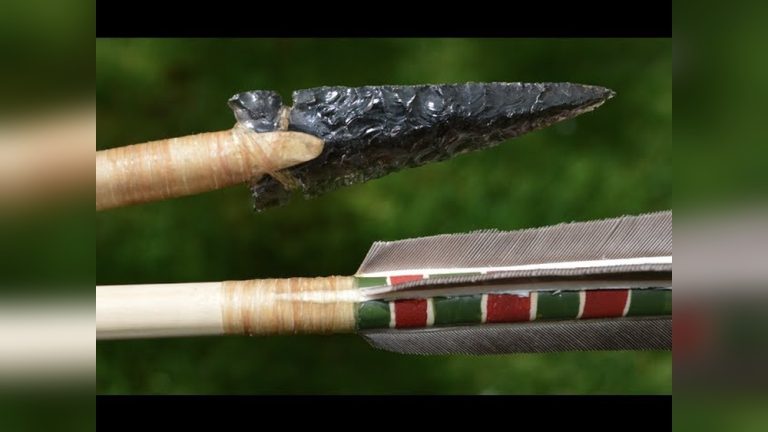
How to Get into Traditional Archery: Where to Start
Traditional archery is more than hitting a target with a bow and arrow. It’s a journey into history, patience, and self-mastery. Many people are drawn to this ancient sport for its simplicity and the deep connection it creates with nature and the past.
If you want to get into traditional archery, you might wonder where to begin, what you’ll need, and how to avoid common mistakes. This guide is designed for newcomers and covers everything you need to know, from choosing your first bow to shooting safely and improving your skills.
Whether you’re inspired by stories of Robin Hood or you just want a new outdoor hobby, traditional archery offers a rewarding path for all ages.
Understanding Traditional Archery
Traditional archery is about using bows and arrows with minimal modern technology. It focuses on instinctive shooting, which means relying more on your body and mind rather than sights or advanced gadgets. Most traditional archers use recurve bows or longbows without stabilizers, sights, or mechanical releases.
The appeal of traditional archery lies in its challenge and simplicity. With every shot, you learn about your own abilities. Unlike compound or Olympic-style archery, there is a strong focus on natural form, consistency, and discipline.
Recurve Bow Vs Longbow
It’s important to know the difference between the two main types of bows used:
| Feature | Recurve Bow | Longbow |
|---|---|---|
| Shape | Curved tips, more compact | Simple, straight, D-shaped |
| Power | More energy for same draw weight | Smoother, less “snap” |
| Learning Curve | Easier for beginners | Requires more skill |
| Size | Usually shorter | Longer (often as tall as shooter) |
Most beginners start with a recurve bow, but if you love the look and feel of a longbow, you can begin with that too.
Why People Choose Traditional Archery
People are drawn to traditional archery for different reasons. For some, it’s a way to connect with history and ancient cultures. Others enjoy the calm and focus it brings. Traditional archery can be practiced almost anywhere, at home, in the backyard, or in the woods. There’s also a strong sense of community among traditional archers, with many clubs and events welcoming newcomers.
Pro Tip: Before you buy any gear, try traditional archery at a local club or range. This lets you test different bows and styles, and you might find a mentor to help you learn faster.
Getting The Right Gear
Choosing your first equipment is a big step. Traditional archery uses less gear than modern styles, but making smart choices at the start will save you money and frustration. Here’s what you need to know.
Selecting Your First Bow
Your first bow should match your body, strength, and skill level. The two key factors are draw weight (how much force is needed to pull the string) and bow length.
| Shooter Height | Recommended Bow Length | Suggested Draw Weight (Adults) |
|---|---|---|
| Under 5’6″ | 62″ or less | 20, 30 lbs |
| 5’6″, 6′ | 66″, 68″ | 25, 35 lbs |
| Over 6′ | 68″+ | 30, 40 lbs |
For most adults, a recurve bow with a draw weight of 25 to 30 pounds is ideal for starting out. Kids or smaller adults may want to start lower. Don’t go too heavy; a lighter draw weight helps you learn proper form and prevents injuries.
Arrows And Accessories
Traditional archers usually shoot wooden, carbon, or aluminum arrows. Wooden arrows feel the most authentic, but carbon arrows are more durable and consistent for beginners. Make sure your arrows match your bow’s draw weight and length.
You’ll also need:
- Arm guard: Protects your forearm from string slap
- Finger tab or glove: Shields your fingers from the string
- Quiver: Holds your arrows for easy access
- Bow stringer: Safely strings and unstrings your bow
Many beginners overlook the importance of a bow stringer, but using one helps prevent twisting or damaging your bow limbs.
Where To Buy
You can find gear at archery shops, online retailers, or sometimes at local sporting goods stores. Visiting a shop in person is best, as you can get expert advice and try different bows. If you buy online, double-check sizing and return policies.
Example: When I started, I bought a used recurve bow from a local club. The bow felt much better in my hands than any I tried from big-box stores, and I got helpful tips from club members.
Learning The Basics: Form And Technique
Good form is the heart of traditional archery. Unlike modern archery, you won’t rely on sights or releases. Everything comes from your body’s alignment and your ability to repeat the same movement every time.
The Shooting Process
A classic shot sequence includes:
- Stance: Stand with your feet shoulder-width apart, perpendicular to the target.
- Nocking the arrow: Place the arrow on the string, making sure it sits under the nocking point.
- Grip: Hold the bow lightly, not too tight.
- Drawing: Pull the string smoothly, keeping your elbow in line.
- Anchor: Touch the string or your hand to a consistent spot on your face (like the corner of your mouth).
- Aiming: Look at the target, instinctive archers focus on the spot they want to hit.
- Release: Relax your fingers to let the string slip away.
- Follow-through: Stay in position and watch where the arrow goes.
It may seem complicated, but each step helps you shoot safely and accurately. Take your time and focus on one part at a time.
Instinctive Shooting
Most traditional archers use instinctive shooting, they don’t use sights. Instead, they learn to judge distance and aim by feel. At first, your shots may be inconsistent, but with practice, your brain and body will adjust.
Pro Tip: Shoot at close targets (10, 15 yards) when starting. This builds confidence and muscle memory without frustration.

Credit: www.youtube.com
Safety First
Archery is very safe when you follow the rules. Even so, accidents can happen if you skip steps or get careless. Always follow basic safety guidelines, especially if you shoot at home.
Essential Safety Rules
- Only point your bow at the target.
- Make sure no one is downrange before shooting.
- Check your arrows and equipment for damage.
- Wear an arm guard and finger protection.
- Never “dry fire” (release the string without an arrow).
If you shoot outdoors, consider your backstop (what’s behind your target). A thick foam target or a hay bale wall helps stop arrows safely.
Finding A Place To Shoot
You don’t need a fancy range to practice traditional archery. Many beginners shoot in their backyard, at a local archery club, or in public parks with permission. Some areas have indoor ranges, which are perfect for bad weather.
Joining A Club
Archery clubs are great for learning and meeting people. Clubs offer:
- Group lessons for beginners
- Range facilities (targets, backstops, safety)
- Access to competitions and social events
- Mentors who help you progress
Search online for clubs in your city or ask at local sporting goods stores. Some clubs even lend equipment for new members.
Home Practice
If you shoot at home, check local laws first. Always use a safe backstop and make sure no one can walk into your shooting lane. Mark your practice area clearly.
Common Mistakes Beginners Make
Everyone makes mistakes when starting, but some are easier to avoid if you know what to watch for.
- Over-bowing: Choosing a bow with too much draw weight. This leads to poor form and injuries.
- Ignoring form: Focusing only on hitting the target, not on body alignment or anchor point.
- Skipping warm-up: Not stretching or warming up before shooting, which risks muscle strain.
- Neglecting safety: Forgetting to check equipment or not watching for people behind the target.
- Impatience: Expecting fast results. Traditional archery takes time and practice.
One insight many beginners miss: Progress comes from shooting *correctly*, not just shooting more arrows. Practice with intention, not just repetition.
Improving Your Skills
Once you’re comfortable with the basics, you can start improving your accuracy and consistency. Here’s how to take your skills to the next level.
Consistent Practice
Aim for short, regular practice sessions rather than long, tiring ones. Ten to twenty minutes a few times a week is better than one long session. Focus on your weakest part, maybe it’s your anchor or your release.
Try Different Distances
After you can hit close targets, move farther away. Varying distances helps your instinctive aiming and teaches you to adjust for arrow drop.
Record Your Progress
Keep a notebook or record video of your shooting. This lets you spot patterns, track your scores, and notice improvements.
Compete Or Set Goals
Friendly competitions, even with yourself, keep things interesting. Try to hit a certain number of bullseyes, or challenge yourself with smaller targets.
Pro Tip: If you get stuck, ask a coach or experienced archer to watch you shoot. They often spot small problems you can’t feel yourself.
Traditional Archery Vs. Modern Archery
It helps to understand how traditional archery differs from modern styles. Here’s a quick side-by-side comparison:
| Aspect | Traditional Archery | Modern Archery (Compound/Olympic) |
|---|---|---|
| Equipment | Simple bows, no sights | Advanced bows, sights, releases |
| Shooting Style | Instinctive, no aiming aids | Mechanical, uses aiming devices |
| Learning Curve | Form-focused, slower progress | Faster early accuracy |
| Maintenance | Low, simple repairs | Higher, more parts |
| Experience | Historic, closer to nature | High-tech, competitive |
Connecting With The Archery Community
Traditional archery is even more fun when you share it. The community is welcoming, with many local clubs, online forums, and national organizations. Some popular groups include the Traditional Archery Society, the National Field Archery Association, and regional Facebook groups.
Events such as 3D shoots or “primitive shoots” are great places to meet others, learn, and test your skills. Don’t hesitate to ask questions, most experienced archers enjoy helping newcomers.
Pro Tip: Attend a local tournament or shoot, even if you’re not competing. You’ll see a wide range of bows, meet friendly people, and pick up tips just by watching.

Credit: www.youtube.com
Caring For Your Equipment
Traditional bows need less maintenance than modern compounds, but care still matters. Here’s how to keep your gear in top shape:
- Always unstring your bow after shooting, unless it’s a fiberglass model.
- Store your bow in a cool, dry place (away from direct sun).
- Wipe your arrows and bow after wet or dusty shoots.
- Check your string for wear; replace it if you see fraying.
- Wax your string regularly to keep it strong and flexible.
Arrow care is also important. Check for cracks or bends in wooden arrows. Spin each arrow on a flat surface, if it wobbles, it may need replacing.
Learning Resources
You don’t need to learn everything by yourself. There are many books, websites, and videos dedicated to traditional archery. Look for:
- Instructional books by experienced archers
- YouTube channels focused on traditional bows
- Forums like Archery Talk and TradTalk
- Local classes or workshops
Some trusted sources include the Archery Trade Association and the World Archery Federation. For a global perspective and more history, check Wikipedia.
Pro Tip: Not every online video is accurate. Stick to resources recommended by clubs or experienced archers.

Credit: www.youtube.com
Physical And Mental Benefits
Traditional archery builds both your body and mind. Physically, it strengthens your shoulders, back, and arms. It also improves balance, hand-eye coordination, and focus.
Mentally, archery is a form of moving meditation. You learn to block out distractions, calm your mind, and repeat a series of actions under pressure. Many people find it helps with stress and builds confidence.
One insight: Archery progress is not always visible. Sometimes your scores don’t go up, but your form and focus get better. Value the small wins, like a smoother release or a better anchor, along with your target scores.
Costs And Budgeting
Traditional archery is often more affordable than modern styles, but costs can add up if you rush into buying gear. A basic starter kit (bow, arrows, arm guard, tab) can range from $100 to $300. Lessons or club fees vary by location.
Ways to save money:
- Buy used equipment from clubs or forums
- Start with fewer arrows (6, 8 is enough to begin)
- Borrow or rent gear from a club before buying
Avoid spending big on accessories until you know what you like. Many beginners buy extra gadgets they don’t use.
Frequently Asked Questions
How Do I Know If Traditional Archery Is Right For Me?
Try shooting at a club or range before buying equipment. Most people enjoy the experience, but it’s best to test it first. If you like activities that mix focus, history, and outdoor time,