How to Get Good at Traditional Archery: Expert Tips and Tricks
Traditional archery is more than just shooting arrows at a target, it’s an ancient skill that connects you with history, nature, and your own body. Many people are drawn to the simplicity and beauty of shooting a recurve bow or a longbow. You don’t have complex sights, releases, or stabilizers. Everything depends on you: your focus, your form, your mind. But how do you get good at traditional archery, especially if you’re starting out or want to move beyond beginner level? The journey is rewarding, but it requires more than just practice. This guide will walk you through everything you need to know, from choosing the right gear to advanced practice techniques and mental strategies. You’ll find practical advice, real examples, and even tips that most beginners miss. If you want to shoot better, feel more confident, and enjoy traditional archery for years to come, you’re in the right place.
Understanding Traditional Archery
Traditional archery uses bows that have no modern aids like sights or release aids. The most popular types are the recurve bow, longbow, and sometimes flatbows. Unlike compound bows, these require you to use your fingers to draw and release the string, and your eyes to aim. This means that everything relies on your technique and consistency.
Traditional archery has a rich history, with roots in hunting, sport, and even warfare. Many cultures have their own bow designs and shooting styles. Today, people practice traditional archery for sport, relaxation, and even as a form of meditation. Understanding this background helps you appreciate the discipline and focus involved.
One thing that surprises beginners is how much traditional archery depends on muscle memory. There’s no “cheating” with gadgets, improvement comes from repetition and mindful practice. That’s why it’s important to develop good habits from the start.
Choosing The Right Equipment
Picking Your First Bow
Selecting the right bow is crucial. For beginners, a recurve bow is often recommended because it’s versatile and widely available. However, some prefer the longbow for its smooth draw and historical feel. When choosing, consider your draw weight, draw length, and the bow’s quality.
Pro Tip: Start with a lower draw weight, even if you’re strong. Most coaches suggest 20, 30 pounds for adults. A too-heavy bow leads to bad habits and injuries.
Arrows Matter
The type of arrows you use affects your accuracy and safety. Arrows come in different materials: wood, carbon, and aluminum. Wood arrows are traditional, but carbon arrows are more durable and consistent.
You also need arrows that match your bow’s draw weight and draw length. Using the wrong spine (stiffness) can cause erratic flight.
Other Essential Gear
- Finger tab or glove: Protects your fingers from string friction.
- Armguard: Shields your forearm from string slap.
- Quiver: Holds your arrows for convenience.
- Stringer: Safely strings and unstrings your bow.
Comparing Bow Types
Here’s a quick look at the main differences between recurve and longbows:
| Bow Type | Pros | Cons |
|---|---|---|
| Recurve Bow | – Easier to find parts – More forgiving – Good for target and hunting | – Slightly heavier – Less “historical” feel |
| Longbow | – Smooth draw – Classic look – Very light | – Harder to master – Less common for beginners |
Credit: www.americasbestbowstrings.com
Building Proper Shooting Form
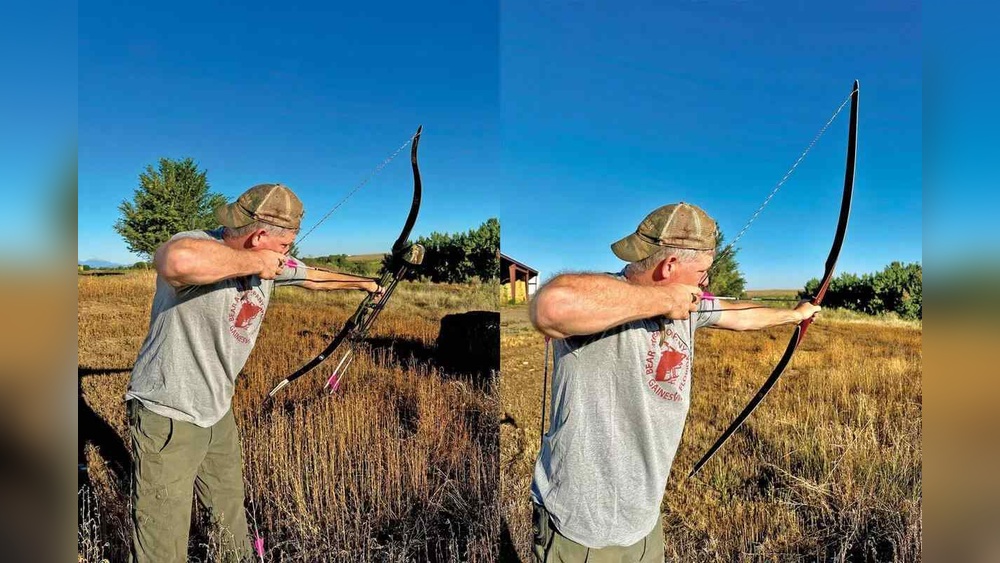
The foundation of traditional archery is good form. Without it, your shots will be inconsistent, and improvement will be slow. Form involves your stance, grip, draw, anchor, aim, release, and follow-through.
The Basic Shooting Steps
- Stance: Stand with your feet shoulder-width apart, perpendicular to the target. Keep your weight balanced.
- Nock the Arrow: Place the arrow on the string, with the odd-colored vane facing away.
- Grip the Bow: Hold the bow lightly, don’t squeeze. The grip should rest in the web between your thumb and index finger.
- Draw: Use your back muscles, not just your arm, to pull the string. Your elbow should point outward, not up.
- Anchor: Bring your hand to a consistent spot on your face, usually the corner of your mouth or chin.
- Aim: With traditional bows, you may use instinctive aiming or gap shooting (more on that later).
- Release: Relax your fingers smoothly. Don’t “pluck” the string.
- Follow-Through: Hold your position until the arrow hits the target.
Example: Instinctive Aiming
Many traditional archers use instinctive aiming. This means focusing on the target, not the arrow tip. With practice, your brain learns how to aim, like throwing a ball. It feels strange at first, but with hundreds of shots, it becomes natural.
Common Form Mistakes
- Gripping the bow too tightly
- Drawing with arm muscles instead of your back
- Inconsistent anchor point
- Dropping the bow arm too soon
Pro Tip: Record yourself shooting from the side. Compare your form to videos of top archers. Small corrections can make a big difference.
Practicing Effectively
Practice doesn’t make perfect, perfect practice makes progress. Shooting hundreds of arrows with bad form will only build bad habits. Focus on quality over quantity.
Setting Goals
Start with clear, small goals. For example:
- Hit a paper plate-sized target at 10 yards
- Keep all arrows on the target at 15 yards
- Shoot 30 arrows with good anchor and follow-through
Tracking progress helps you stay motivated and see real improvement.
Practice Routines
A simple routine for beginners:
- Warm up with stretching (shoulders, arms, back)
- Shoot 3-arrow groups, focusing on one aspect (e.g., anchor point)
- Rest between groups to avoid fatigue
- Finish with a few shots at a longer distance for challenge
Advanced archers may practice with blank bale shooting, shooting at a blank target to focus only on form, not aiming.
Table: Sample Weekly Practice Plan
| Day | Focus | Arrows | Notes |
|---|---|---|---|
| Monday | Form (blank bale) | 60 | No aiming, just release practice |
| Wednesday | Short range accuracy | 45 | 10 yards, focus on grouping |
| Friday | Distance | 40 | Vary target distance each group |
| Saturday | Fun shoot/3D targets | 30 | Try different angles and targets |
Rest And Recovery
Muscles used in archery are often not used in daily life. Give yourself time to recover. Overuse can lead to shoulder pain or even injury.
Mental Focus And Consistency
Traditional archery is as much mental as physical. Success comes from repeating the same process every time, even under pressure.
Building A Shot Sequence
A shot sequence is a mental checklist you follow for each arrow. This might be:
- Stand
- Nock
- Grip
- Draw
- Anchor
- Aim
- Release
- Follow-through
Repeating the same sequence builds consistency and confidence.
Handling Pressure
Shooting well in practice is different from shooting in front of others or in competition. Pressure can make you rush or doubt your form.
Pro Tip: Practice with distractions, play music, have a friend watch, or shoot with a timer. This helps you stay focused no matter the situation.
Visualization
Many top archers use visualization. Before shooting, close your eyes and picture yourself making the perfect shot. This primes your body and mind for success.
Advanced Techniques
Once you have solid basics, you can explore different aiming methods and shooting styles.
Gap Shooting
Gap shooting is a method where you use the tip of your arrow as a reference point, aiming a certain distance below or above your target. This adds some precision compared to pure instinctive aiming.
String Walking
With string walking, you move your fingers up or down the string to change the angle of the arrow. This helps you shoot accurately at different distances without changing your anchor point.
Face Walking
Similar to string walking, face walking changes the position where you anchor on your face. This technique is less common but can be effective for some archers.
Table: Aiming Methods Compared
| Method | How It Works | Best For | Drawbacks |
|---|---|---|---|
| Instinctive | Focus only on target | Hunting, quick shooting | Hard to master consistency |
| Gap Shooting | Use arrow tip as reference | Target shooting | Requires practice at different distances |
| String Walking | Move fingers on string to adjust aim | Field archery, varying ranges | Slower shot cycle |

Credit: www.gameandfishmag.com
Getting Coaching And Feedback
Learning on your own is possible, but a coach can speed up your progress. Even a few lessons can prevent months of frustration. Coaches can spot mistakes you don’t see and suggest drills for improvement.
If a coach isn’t available, try joining a local archery club. Other archers are often happy to help beginners. You can also find quality videos online, but be careful, there’s a lot of bad advice too.
Warning: Don’t try to copy every YouTuber’s style. Find one method, stick to it, and make changes slowly. Too many changes at once can make your progress stall.
Equipment Maintenance
Taking care of your gear is essential for safety and performance.
Bow Care
- Unstring your bow after each session, especially wooden longbows.
- Store your bow in a cool, dry place away from direct sunlight.
- Check for cracks or splinters regularly.
Arrow Maintenance
- Inspect arrows for bends, cracks, or loose fletching.
- Replace damaged nocks or tips.
- Keep arrows clean and dry.
String Care
- Wax your bowstring regularly to prevent fraying.
- Replace strings showing signs of wear.
Well-maintained equipment not only lasts longer but also shoots more consistently.

Credit: www.youtube.com
Competing And Joining The Archery Community
Competing isn’t required, but it’s a great way to improve. Local tournaments are friendly and welcoming, even for beginners. You’ll learn from watching others and get used to shooting under pressure.
Joining a club or online group helps you stay motivated. Sharing your progress, asking questions, and getting feedback from more experienced archers is invaluable. Many clubs organize group shoots, workshops, and even historical reenactments.
Staying Safe
Safety should always come first. Even a light bow can cause injury if used carelessly.
- Always check your shooting area for people, pets, or obstacles.
- Never point your bow at anything you don’t intend to shoot.
- Use a proper backstop behind your target to catch stray arrows.
- Wear your armguard and finger protection at all times.
Pro Tip: If you shoot in the woods or at home, make sure neighbors know and set clear boundaries.
Two Insights Beginners Usually Miss
- Shot rhythm matters more than power. Many new archers try to pull a heavy bow to shoot farther or faster. In reality, a smooth, repeatable rhythm leads to tighter groups and faster improvement. It’s better to shoot a lighter bow well than a heavy bow badly.
- Your dominant eye is crucial. Even if you’re right-handed, your left eye might be dominant. This affects aiming and accuracy. Test your eye dominance early, and if needed, learn to shoot left-handed. This single change can improve your shooting more than any new gear.
Example: My First Year Progress
In my experience, the biggest improvement came when I started focusing on my anchor point and follow-through. Early on, I would change my anchor each shot, chasing accuracy. Once I committed to the same anchor every time, my groups shrank, and shooting felt more natural.
Small details, like standing the same way and breathing before each shot, helped more than any fancy arrow or bow upgrade.
Resources For Further Learning
For those who want to go deeper, there are many reputable sources. The Archery Trade Association and USA Archery offer courses and certifications. You can also find technique guides and historical information on Wikipedia.
Frequently Asked Questions
How Do I Know If My Bow Fits Me Properly?
A bow fits well if you can draw it fully and comfortably to your anchor point without shaking or straining. Your draw length should match the bow, usually measured from the nock point to the front of the bow (plus 1.
75 inches). Most shops can measure your draw length and recommend the right bow size.
What Is The Best Way To Find My Dominant Eye?
To find your dominant eye, make a triangle with your hands and look at a distant object through the opening. Close one eye, then the other. The eye that keeps the object centered is dominant. This is important because it affects which hand you should use to shoot.
How Can I Practice If I Don’t Have Access To A Range?
You can practice form at home using a lightweight training bow or even a stretch band. Focus on your draw, anchor, and release. Blank bale shooting (very close range) is also safe indoors with proper backstops. Dry firing, drawing and releasing without an arrow, should be avoided, as it can damage your bow.