How to String a Traditional Archers Bow: Expert Tips and Tricks
Stringing a traditional archer’s bow is a skill that connects you with centuries of history. It is more than just putting a string on a curved piece of wood; it’s about respect for the craft, safety, and understanding how tension and balance work together.
Many archers find the process calming, almost meditative. But if you don’t do it right, you can damage your bow, hurt yourself, or end up with poor accuracy. This guide breaks down everything you need to know, from choosing the right string to the final safety checks.
Whether you are brand new to archery or looking to refine your technique, you’ll find practical advice, expert tips, and easy-to-follow steps here.
Understanding Your Traditional Bow
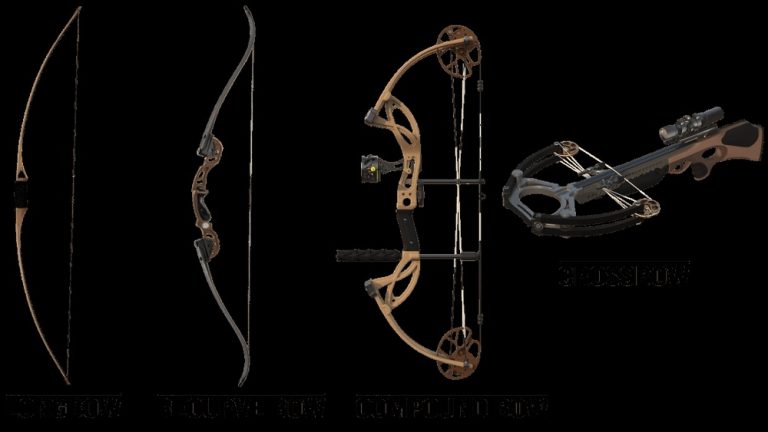
Before stringing, it’s important to know your bow’s type and structure. Traditional bows come in several forms, longbows, recurves, and flatbows are the most common. Each has its own feel and needs when stringing.
Longbows are tall, almost as tall as the archer, with a simple D-shape when unstrung. Recurve bows curve away from the archer at the tips, adding more power. Flatbows have wide, flat limbs and a gentle curve. While the basic stringing method is similar, the force needed and the safety checks vary.
Pro Tip: Always check if your bow is labeled as “take-down.” Take-down bows have limbs you can remove, but they are not strung differently. However, the string length and tension might vary.
Key Parts Of The Bow
Knowing the parts helps you understand where to place the string and avoid mistakes:
- Limbs: The upper and lower arms of the bow.
- Riser: The center part you grip.
- Nocks: Small notches or grooves at each limb’s end where the string attaches.
- String: The cord that propels the arrow.
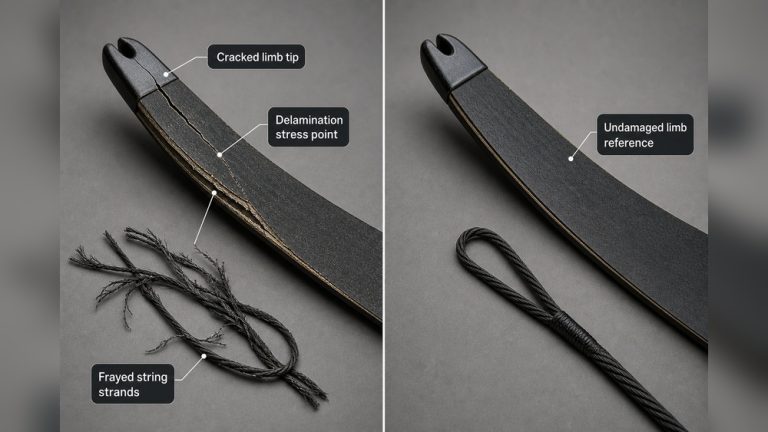
Never string a bow without inspecting each part first. Cracks or splinters can make stringing dangerous.
Choosing The Right Bow String
The bow string is not just a piece of cord; its quality and type affect your shooting and bow’s life. Traditional bow strings are usually made from Dacron (a polyester fiber), Fast Flight (for modern bows), or natural fibers like linen or sinew for historical bows.
Factors To Consider
- String Length: Your string should be about 3, 4 inches shorter than your bow’s total length. For example, a 70-inch longbow typically uses a 66, 67 inch string.
- String Type: Use only strings designed for your bow type. Recurve bows can handle more modern materials, but old wooden longbows require softer, stretchier strings.
- Strand Count: More strands mean a stronger string, but also more weight. For light bows (under 30 lbs draw weight), 12, 14 strands are enough. Heavier bows (40 lbs+) may need 16, 18 strands.
- Loops: Ensure the string has proper loops at both ends. One end (“fixed loop”) is usually smaller for the bottom limb, and the other (“sliding loop” or “adjustable loop”) is larger for the top limb.
Example String Lengths
| Bow Type | Bow Length | String Length | Common Material |
|---|---|---|---|
| Longbow | 70 inches | 67 inches | Dacron |
| Recurve | 62 inches | 59 inches | Fast Flight |
| Flatbow | 68 inches | 65 inches | Dacron |
If you’re unsure, ask your bow’s maker or check the manual. Never guess the string size, too short, and the bow may break; too long, and it won’t hold tension.
Safety First: Inspections And Preparation
Before you attempt to string your bow, do a full inspection. Many beginners skip this step, leading to accidents or broken equipment.
- Check Limbs: Look for cracks, bends, or splinters. Even small cracks can cause the bow to snap under tension.
- Inspect Nocks: Make sure the nocks are not worn out or chipped.
- Test String: If the string is frayed, fuzzy, or has broken strands, replace it.
- Cleanliness: Remove dirt or debris from the limb tips and string loops.
Pro Tip: Always use a bow stringer (a special tool) for safety. Stringing by hand (“step-through” method) is riskier, especially for beginners, and often voids your warranty.
Essential Tools And What They Do
While traditional archery is simple, a few tools make stringing safer and easier.
- Bow Stringer: This is a cord with two pockets or loops that helps apply even pressure when stringing.
- Gloves/Finger Tabs: Not needed for stringing, but protect your fingers when shooting.
- Wax: Used to keep the string fibers together and prevent wear.
Bow Stringer Types
| Stringer Type | Best For | How It Works |
|---|---|---|
| Pocket-and-Saddle | Recurve & Longbow | One end covers the tip, the other is a saddle loop |
| Double Pocket | Longbow | Both ends cover the tips |
| Saddle-and-Loop | Flatbow | One loop and one saddle for different tip shapes |
Choose a stringer that matches your bow’s limb shape and size.
Step-by-step: How To String A Traditional Bow
Let’s walk through the safest and most reliable method, the bow stringer technique. This method works for most traditional bows and is recommended by professionals and manufacturers.
1. Attach The String To The Bottom Nock
- Place the fixed loop (smaller loop) over the bottom limb’s nock. Make sure it sits firmly in the groove.
- Slide the larger loop (sliding loop) up the upper limb, away from the nock.
2. Set Up The Bow Stringer
- Place the bow stringer’s pocket or saddle over the bottom limb tip, covering both the string and the limb end.
- Place the other end (loop or saddle) over the top limb tip, above the sliding loop.
3. Stand On The Cord
- Hold the bow vertically with the back facing you.
- Step on the middle of the stringer cord with both feet, about shoulder-width apart. This creates resistance when you pull up.
4. Pull The Bow Upward
- With both hands, grip the bow by the riser (handle).
- Pull the bow upward, bending both limbs. The stringer ensures the force is even and controlled.
- As you pull, the upper limb flexes, creating space to slide the string loop into the top nock.
5. Secure The Top Loop
- Slide the upper string loop into the nock groove. Check that it sits evenly, off-center strings can twist the limb or slip.
- Release tension slowly. The string should now hold the bow’s natural curve.
6. Remove The Stringer
- Take the stringer off both tips.
- Double-check both string loops are in their grooves.
7. Final Safety Check
- Twist the string gently to ensure both ends are seated.
- Inspect the bow from all sides. The limbs should curve evenly, with the string centered.
Warning: Never dry fire (shoot without an arrow) after stringing. This can break your bow instantly.
Common Methods Compared
There are several ways to string a bow. While the bow stringer is safest, some archers use “step-through” or “push-pull” methods. Here’s how they compare:
| Method | Safety | Difficulty | Best For |
|---|---|---|---|
| Bow Stringer | Very Safe | Easy | All Traditional Bows |
| Step-Through | Moderate Risk | Medium | Experienced Archers |
| Push-Pull | High Risk | Hard | Recurves Only |
In my experience, trying the step-through method without proper practice can lead to twisted limbs. Stick with a stringer, especially if you value your equipment.

Credit: www.youtube.com
Troubleshooting: What If Something Goes Wrong?
Stringing does not always go smoothly. Here are some issues you might face and what to do:
- String Slips Off the Limb: This usually means the loop is not seated or the string is the wrong size. Unstring and start over.
- Limbs Twist: If you notice the limbs are not aligned after stringing, the string loops may be uneven or you may have used a risky method.
- Unusual Noises: Creaking or cracking sounds mean stop immediately, inspect for damage.
- String Too Tight/Loose: If the string is very hard to pull onto the nock or hangs loosely, check your string length.
Pro Tip: After stringing, let the bow sit for 10, 15 minutes at room temperature before shooting. This helps the string and limbs settle.
Caring For Your Bow And String
Proper care extends the life of your equipment and keeps you shooting safely.
String Maintenance
- Wax Regularly: Rub bowstring wax along the string every few weeks. This prevents fraying and water damage.
- Check for Wear: Look for thinning, fuzziness, or broken strands. Replace before it snaps.
Bow Care
- Store Unstrung: When not in use, unstring your bow. This keeps the limbs from warping.
- Avoid Heat and Moisture: Store in a cool, dry place. Avoid leaving your bow in a car or near heaters.
- Inspect Limbs: Every few sessions, check for signs of stress or cracks.

Credit: www.gameandfishmag.com
Mistakes Beginners Often Make
Many new archers make the same errors. Here’s how to avoid them:
- Using the Wrong String: Always match the string to your bow’s length and design.
- Skipping Inspections: Don’t rush. Even small damage can be dangerous.
- Improper Stringing Method: Avoid hand stringing unless you are trained.
- Not Centering the String: An off-center string causes accuracy problems.
- Forgetting to Wax: Neglecting string maintenance shortens its life.
Practical Tips For A Better Experience
- Practice Without Pressure: Try stringing and unstringing several times with an old or practice bow before using your main equipment.
- Use Good Lighting: Small defects and misalignments are hard to see in dim light.
- Mark Your String: Use a colored thread to mark the center, so you can check if the string is centered after stringing.
Example: When I first started, I marked my string with a small dot of paint at the center. This simple step helped me align the string every time.
Advanced Insights: Traditional Vs. Modern Stringing
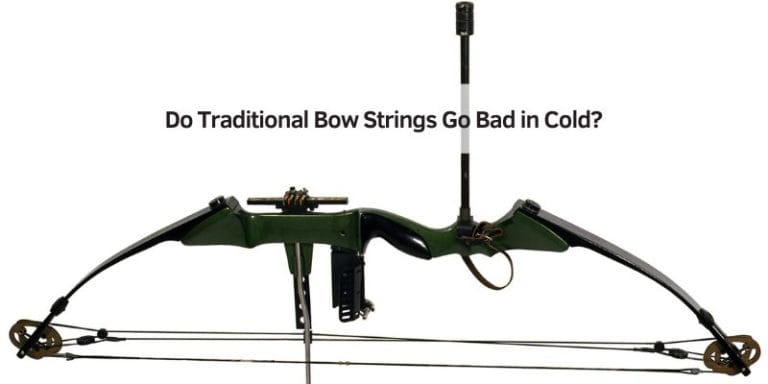
Traditional bows are often more sensitive to stringing method than modern compound bows. Compound bows use cams and require different tools, but traditional bows rely on proper hand technique and care.
Also, natural material strings (like linen or sinew) are more sensitive to humidity and need more frequent waxing. Synthetic strings are more forgiving but may not be allowed in historical reenactment or competition settings.
If you use a bow for historical practice, check event rules for allowed materials. This keeps your technique authentic and your equipment legal.
Staying Safe: Injury Prevention
Archery is low-risk if you follow basic rules, but stringing is the most dangerous part for your hands and face.
- Keep Hands Away from the String Path: Fingers can be pinched if the string snaps into place suddenly.
- Never Rush: Take your time. Most injuries happen when people are careless or in a hurry.
- Teach Others Properly: If you help someone else, demonstrate slowly and supervise their first attempts.

Credit: www.amazon.com
When To Replace Your String Or Bow
Even with good care, bow strings and limbs wear out. Signs you need a new string:
- Visible fraying or broken strands
- String loses tension or stretches too much
- Slipping at the nocks
Replace your bow if you see:
- Deep cracks in limbs or riser
- Warping (bow bends unevenly)
- Sudden loss of power or accuracy
Resources For Further Learning
There are many excellent resources for improving your stringing technique:
- Local archery clubs often offer beginner sessions.
- The Archery Trade Association and United States Archery Association have safety guides.
- For more on traditional equipment, see the Wikipedia article on bowstrings.
Frequently Asked Questions
What If My Bow String Is Too Long Or Too Short?
If your string is too long, the bow won’t hold shape and the arrows will lack power. If it’s too short, you can overstress the limbs and risk breakage. Measure your bow carefully and buy the correct string length. If you’re between sizes, choose the slightly shorter string for recurves, but never force a string onto a wooden longbow.
Can I Use A Modern Synthetic String On An Old Wooden Bow?
Most old wooden bows need softer, stretchier strings like Dacron or linen. Modern strings (like Fast Flight) are very strong and can damage old wood. Only use modern strings if your bow’s maker approves it.
Is It Safe To Leave My Traditional Bow Strung For A Long Time?
No. Leaving a bow strung puts constant pressure on the limbs, which can cause them to warp or lose power over time. Always unstring your bow after shooting, unless you are shooting again within a few hours.