How Do You Shoot A Toy Bow And Arrow
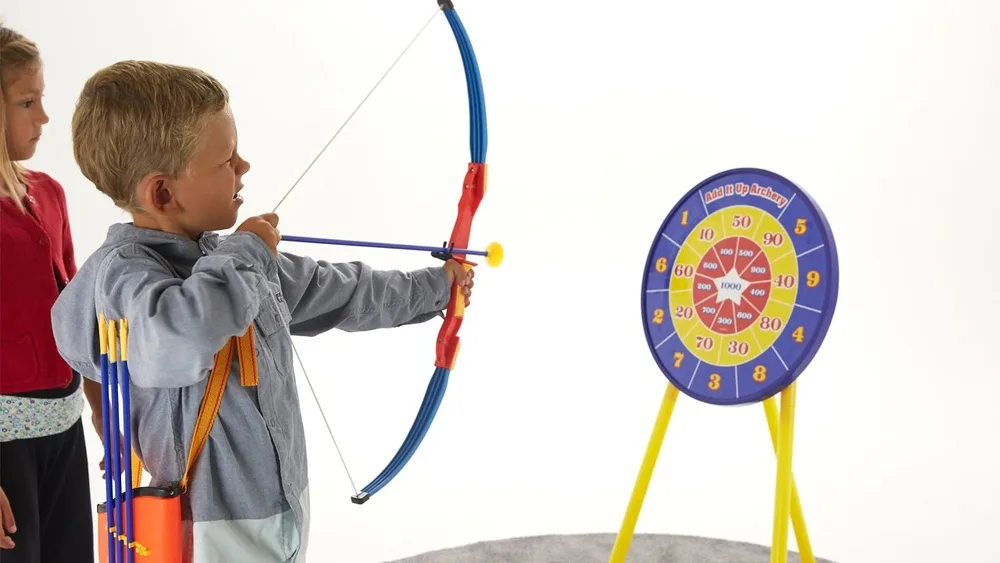
Shooting a toy bow and arrow is more than just a fun backyard pastime, it’s a gateway to learning focus, coordination, and the ancient art of archery in a safe, accessible way. For children, it’s an activity that combines play with skill development, encouraging outdoor movement and imaginative play.
For adults, it can offer a gentle introduction to archery fundamentals or a nostalgic return to childhood games. Whether you’re supervising your child’s first shot or exploring toy archery yourself, understanding proper technique, safety, and equipment is key to an enjoyable and rewarding experience.
But how do you actually shoot a toy bow and arrow effectively? Many first-timers are surprised to find there’s more to it than simply pulling a string and letting go. Proper grip, stance, aiming, and even the choice of toy can all influence your success.
This comprehensive guide will break down every aspect, from selecting the right toy bow and arrow to troubleshooting common issues and maximizing both safety and fun. Along the way, you’ll find real-world examples, data-driven comparisons, and actionable tips to help archers of all ages hit their target, every time.
Key Takeaways
- Proper technique is essential for accuracy and safety, even with toy bows and arrows.
- Choosing the right equipment, size, material, and arrow tips, dramatically impacts user experience.
- Safety precautions are critical for both children and adults; always supervise young archers.
- Practice and adjustments help improve aim, consistency, and shooting distance.
- Troubleshooting common problems like arrow flight and string tension enhances enjoyment.
- Archery as play develops fine motor skills, focus, and confidence.

Credit: www.youtube.com
Understanding Toy Bows And Arrows: Types, Materials, And Features
Choosing the right toy bow and arrow set lays the foundation for a positive experience. Not all toy bows are created equal, and differences in design, material, and intended age group can affect both safety and performance.
Types Of Toy Bows
Toy bows generally fall into three main categories:
- Simple Stick Bows: The classic “bent stick” design, often made of wood or plastic, with a string attached at both ends.
- Compound Toy Bows: Inspired by real compound bows, these feature pulleys or cams for smoother draw and greater power, typically made for older kids.
- Suction Cup and Foam Arrows: Designed for maximum safety, these arrows have soft tips and are often paired with lightweight plastic bows.
Each type serves a different audience. Simple stick bows are ideal for imaginative play, while compound toy bows introduce slightly more complexity and realism. Suction cup and foam arrow sets are best for indoor use and younger children.
Materials And Build Quality
The material impacts both durability and performance:
- Plastic: Lightweight, colorful, and affordable; ideal for younger children but may lack longevity.
- Wood: Offers more realistic feel and sturdiness; often used in traditional designs.
- Composite Materials: Some advanced toy bows use a mix of plastic, foam, and even metal components for improved strength and flexibility.
The arrows themselves are usually made of plastic, foam, or soft-tipped materials to minimize injury risk.
Key Features To Consider
When selecting a toy bow and arrow, pay attention to these features:
- Draw Weight: The amount of force needed to pull the string, lower is safer for young kids.
- Arrow Tip Safety: Look for blunt, padded, or suction cup tips.
- Arrow Rest: A notch or ledge that helps position the arrow correctly.
- Grip Size: Should fit comfortably in the user’s hand.
- String Quality: Durable, elastic string ensures consistent shooting.
Data Comparison: Toy Bow Types
Below is a comparison of three popular toy bow types:
| Feature | Simple Stick Bow | Compound Toy Bow | Suction Cup Bow |
|---|---|---|---|
| Age Recommendation | 4, 8 years | 8, 14 years | 3, 10 years |
| Material | Wood/Plastic | Plastic/Composite | Plastic/Foam |
| Arrow Tip | Blunt/Soft | Blunt/Soft | Suction Cup |
| Indoor/Outdoor | Outdoor | Outdoor | Both |
| Draw Weight | Low | Medium | Very Low |
Setting Up Your Shooting Environment
The right environment is crucial for safety and enjoyment. Toy bows and arrows can be shot indoors or outdoors, but each setting has unique considerations.
Outdoor Setup
Shooting outdoors offers more space and fewer obstacles. Look for:
- Open areas: Lawns, parks, or backyards with a clear shooting lane.
- Safe backstop: A fence, wall, or soft target to catch stray arrows.
- Clear boundaries: Mark off the shooting area and keep bystanders behind the archer.
Outdoor play encourages children to move and explore, but supervision remains essential, especially near roads or other hazards.
Indoor Setup
Indoor shooting requires extra care to protect both people and property:
- Soft-tipped arrows only; avoid any hard or sharp projectiles.
- Short-range targets: Place a foam or cardboard target a few feet away.
- Remove breakables: Clear the area of glass or fragile items.
- Limit participants: One shooter at a time reduces the risk of accidents.
Safety Considerations
Safety should always be the top priority when using toy bows and arrows. According to the American Academy of Pediatrics, the majority of toy-related injuries are preventable with proper supervision and equipment American Academy of Pediatrics. Key rules include:
- Always aim away from people, pets, and breakable objects.
- Never modify arrows or bowstrings.
- Store equipment safely out of reach when not in use.
- Supervise children under age 8 at all times.
Pro Tip:
Set up a brightly colored target or backstop to make arrows easier to find and retrieve, especially outdoors.

Credit: www.daniwinksflexibility.com
Mastering The Basics: Stance, Grip, And Nocking The Arrow
Learning the fundamentals of archery technique, even with toy equipment, leads to better accuracy, consistency, and safety. The following steps break down the essentials for shooters of all ages.
Proper Stance
A stable stance is the foundation of every good shot. Here’s how to position yourself:
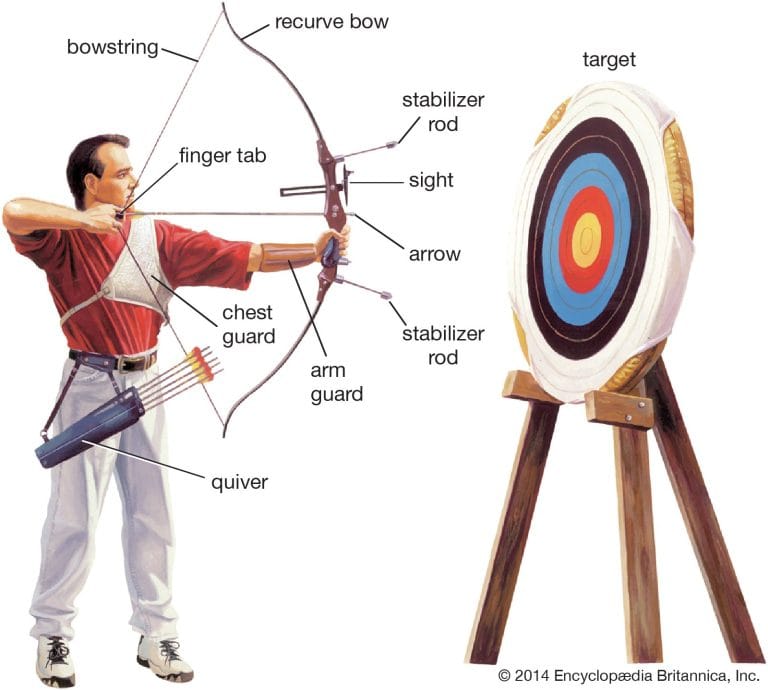
- Feet shoulder-width apart: Stand perpendicular to the target, with your non-dominant side facing it.
- Weight evenly distributed: Balance on both feet, knees slightly bent.
- Relaxed upper body: Keep your shoulders down and back, avoiding tension.
A consistent stance helps develop muscle memory and improves aim over time.
Correct Grip
How you hold the bow affects both comfort and performance:
- Non-dominant hand grips the bow handle firmly but not tightly.
- Fingers wrap around the grip, with knuckles angled at about 45 degrees.
- Bow arm (the arm holding the bow) should be straight but not locked.
Avoid twisting your wrist or clenching; a relaxed grip ensures smoother shooting.
Nocking The Arrow
Nocking refers to placing the arrow onto the string in preparation to shoot:
- Hold the arrow by the shaft, not the fletching (feathers or plastic vanes).
- Position the back end (nock) onto the bowstring at the designated nocking point, usually marked by a small bead or colored section.
- Rest the arrow shaft on the arrow rest or notch on the bow.
Ensure the arrow sits flat and straight, parallel to the ground.
Drawing The Bow
Drawing means pulling the string back to store energy for the shot:
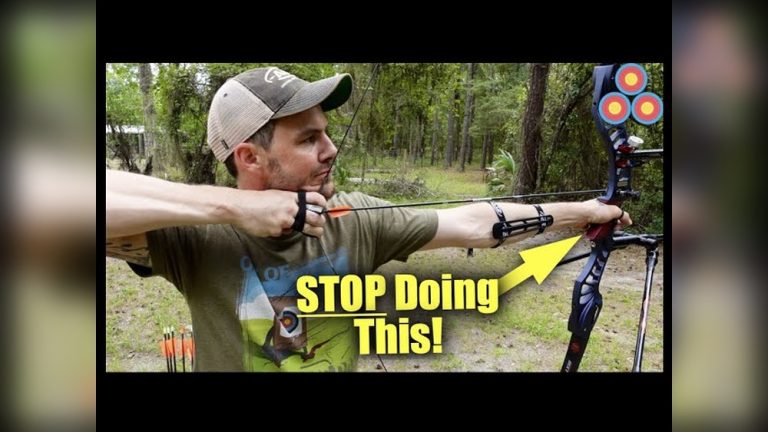
- Use three fingers (index, middle, ring) to hook the string just below the arrow.
- Pull the string smoothly towards your cheek or the corner of your mouth.
- Keep your elbow high and in line with the arrow.
For toy bows, the draw length is usually short, but maintaining proper form builds good habits.

Credit: www.youtube.com
Aiming, Releasing, And Following Through: Technique For Consistent Shots
Once you’ve mastered the setup, it’s time to focus on the mechanics of aiming, releasing, and follow-through. These steps are where even toy archers can practice real archery skills.
Aiming The Bow
There are two primary methods for aiming:
- Instinctive Aiming: Focus on the target, align the bow with your dominant eye, and rely on muscle memory.
- Sight Aiming: Some toy bows include a simple sight or notch; line this up with the target for greater precision.
Regardless of method, keep both eyes open and concentrate on the center of your target.
The Release
A smooth, controlled release is key to accuracy:
- Relax your fingers and let the string slip out without jerking.
- Avoid flinching or moving your bow hand until the arrow is away.
- The string should travel straight forward, not sideways.
Poor release technique is the most common cause of “wild” shots.
Follow-through
Following through, holding your form after the arrow is released, prevents premature movement that can send arrows off course. Remain in your shooting stance, arm extended, until the arrow hits the target or ground.
Example: Improving Accuracy With Consistent Technique
A group of children in a summer camp setting was observed shooting toy bows at targets 10 feet away. Those who were coached on grip, stance, and follow-through improved their hit rate by over 60% compared to those who simply fired at will, demonstrating the impact of proper technique.
Choosing The Right Target And Measuring Progress
A target does more than catch arrows; it provides clear feedback for improvement and makes archery more engaging. Selecting an appropriate target and tracking progress can turn a simple game into a skill-building activity.
Types Of Targets
- Paper Targets: Printed bullseyes attached to cardboard or foam; easy to replace.
- Foam Blocks: Thick, self-healing foam blocks that stop arrows safely.
- Homemade Targets: Stacked boxes, hay bales, or even hanging tin cans for creative play.
The target should be large enough for beginners and placed at an appropriate distance for the strength of your toy bow.
Scoring And Progress Tracking
Scoring systems encourage friendly competition and skill development:
- Assign point values to different areas of the target (e.g., bullseye = 10 points).
- Track scores over multiple rounds to measure improvement.
- Celebrate milestones, such as first bullseye or a new personal best.
Data Table: Target Types And Suitability
| Target Type | Durability | Cost | Safety | Recommended For |
|---|---|---|---|---|
| Paper Bullseye | Low | Very Low | High | Beginners, Indoors |
| Foam Block | High | Medium | Very High | All Ages, Outdoors |
| Hay Bale | Medium | Low | High | Outdoor, Larger Groups |
| Homemade (Boxes, Cans) | Varies | Low | Medium | Creative Play |
Example: Family Archery Challenge
A family set up a weekend archery challenge using a foam block target and scoring system. Over several weeks, both children and adults tracked their scores, with each member improving their accuracy and consistency. The activity became a fun tradition and a way to monitor skill growth.
Advanced Tips: Troubleshooting, Adjustments, And Customization
Even with toy bows and arrows, you may encounter challenges or want to push your skills further. This section addresses common issues and offers ways to enhance the experience for both kids and adults.
Troubleshooting Common Problems
- Arrows not flying straight: Check for bent arrows, ensure proper nocking, and maintain a consistent release.
- String too loose or tight: If the string is slack, try retying or replacing it; too tight can make drawing difficult.
- Grip discomfort: Add a soft wrap or tape to the handle for comfort.
Adjusting For Different Skill Levels
- Younger children: Use larger, softer targets and shorter shooting distances (5, 10 feet).
- Older children/adults: Increase distance, use smaller targets, or try scoring challenges.
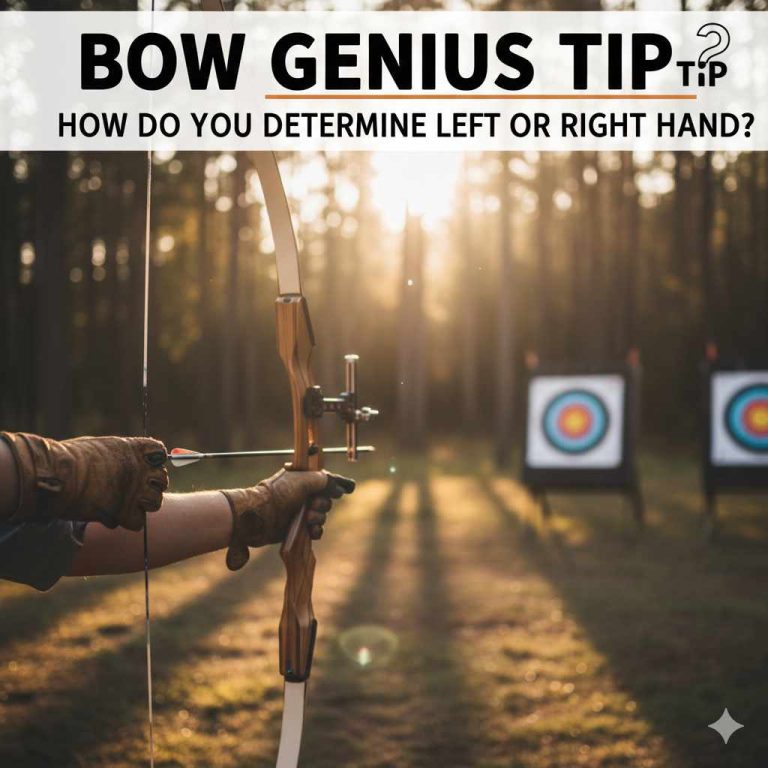
- Left-handed shooters: Ensure the bow is comfortable for either hand, or purchase an ambidextrous model.
Customizing Your Setup
Personalization makes archery more engaging:
- Decorate bows and arrows with stickers, paint, or colored tape.
- Create themed targets (e.g., superheroes, animals) for imaginative play.
- Use lightweight add-ons like foam arrow quivers for realism.
Pro Tip:
If arrows consistently fall short, try lighter arrows or adjust your draw technique to maximize distance.
Real-world Examples: Toy Bow And Arrow In Education And Recreation
The toy bow and arrow is more than a plaything, it’s used in educational programs, therapy, and even team-building exercises. Here are three real-world examples illustrating its versatility.
Example 1: Physical Education In Schools
Elementary schools often use toy archery as part of their physical education curriculum. The activity helps children develop hand-eye coordination, focus, and self-discipline. Teachers report that students who struggle in traditional sports often excel in archery, boosting their confidence.
Example 2: Occupational Therapy For Children
Pediatric occupational therapists use toy bows to help children improve fine motor skills and muscle tone. The repetitive action of drawing and releasing the bowstring strengthens hands and arms, while aiming challenges spatial awareness.
Example 3: Corporate Team-building
Some companies incorporate toy archery into team-building retreats, using friendly competitions to foster collaboration and communication. The low risk and playful nature make it accessible to all participants, regardless of athletic ability.
Health And Safety: Preventing Injuries And Encouraging Positive Play
Toy bows and arrows are designed for safety, but accidents can still happen if guidelines aren’t followed. According to the Consumer Product Safety Commission, improper use of toy projectiles contributes to thousands of minor injuries annually in the US Consumer Product Safety Commission.
Supervision And Age Appropriateness
- Always supervise children under age 8.
- Choose age-appropriate sets with soft-tipped arrows for the youngest users.
- Teach children to never aim at people, animals, or breakables.
Safe Storage And Maintenance
- Store bows and arrows in a designated area out of reach of unsupervised children.
- Regularly inspect for damage, replace worn strings, cracked bows, or bent arrows.
- Clean equipment with a damp cloth; avoid harsh chemicals that can weaken materials.
Encouraging Sportsmanship And Respect
- Emphasize turn-taking and fair play during group activities.
- Use positive reinforcement to reward safe behavior and skill improvement.
- Encourage children to help set up and clean up, reinforcing responsibility.
Pro Tip:
Establish simple safety rules and review them before each session, children are more likely to remember and follow guidelines if they’re part of the process.
Frequently Asked Questions
What Is The Best Age To Introduce A Toy Bow And Arrow To A Child?
Most manufacturers recommend toy bow and arrow sets for children aged 3 years and up, but the ideal age depends on the child’s maturity and coordination. For children under 6, choose sets with very soft, large-tipped arrows and always supervise use closely. As children develop better motor skills and understanding of safety rules, they can progress to more realistic or complex sets.
How Can I Help My Child Improve Their Aim With A Toy Bow And Arrow?
Encourage your child to practice consistent stance and grip, and to focus on the target rather than the arrow tip. You can set up larger targets at close range to build confidence, then gradually increase the distance or make the target smaller. Offering positive feedback and making practice sessions fun keeps children motivated and engaged.
Are There Any Specific Brands Or Models That Are Particularly Safe Or Effective?
While there are many reputable brands, look for those with third-party safety certifications and positive reviews from parents and educators. Sets with foam or suction cup arrows, sturdy construction, and clear age recommendations tend to be both safe and effective. Visiting a specialty toy store or reading online reviews can help you choose the best fit for your needs.
Can Toy Bows And Arrows Be Used Indoors Without Risk Of Damage?
Yes, but with precautions. Use only soft-tipped arrows and shoot at targets placed against a wall or soft backstop. Remove any fragile or valuable items from the area, and limit shooting range to a few feet. Many families find that a hallway or playroom works well for indoor archery with proper setup.
What Should I Do If A Toy Bow Or Arrow Becomes Damaged?
If you notice a cracked bow, frayed string, or bent arrow, discontinue use immediately. Most toy bows can be repaired with replacement parts from the manufacturer, or you can purchase a new set if needed. Never attempt to fix broken equipment with tape or glue, as this may compromise safety.
Shooting a toy bow and arrow is a rewarding activity that blends skill, focus, and fun. By choosing the right equipment, mastering the basics, and prioritizing safety, archers of all ages can enjoy hours of healthy, imaginative play. In my experience, the moments spent together learning and improving offer lasting memories and valuable life lessons.
Whether you’re aiming for the bullseye or simply enjoying the thrill of the shot, the journey is as important as the target.