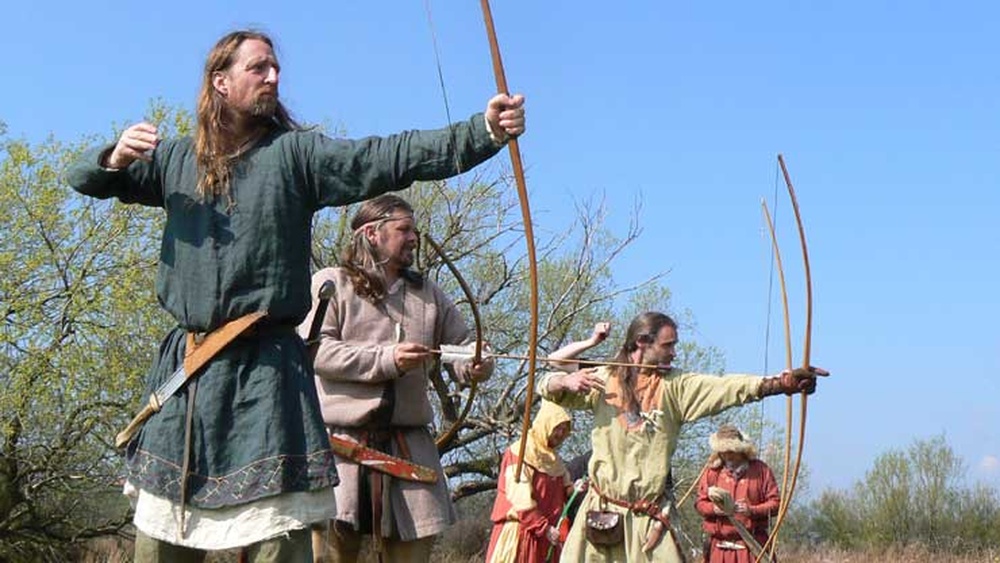
Did Vikings Use Bows? Unveiling the Archery Secrets
The image of the Viking warrior is often shaped by movies and books, huge men with axes, swords, and shields, charging into battle. But did Vikings use bows? This question is not just about weapons. It is about understanding how Vikings fought, hunted, and survived. The bow was a simple yet powerful tool in history, and for the Vikings, its role is more complex than most people realize. With clear facts, practical comparisons, and real archaeological evidence, this article will help you see the Viking bow in a new way. Whether you are curious, studying history, or just love Viking stories, you will find answers here that go beyond the usual myths.
The Place Of The Bow In Viking Culture
Vikings lived between the late 8th and early 11th centuries in Scandinavia. Their culture was tough, shaped by cold climates, wild landscapes, and frequent wars. Survival meant using every tool wisely, and the bow was one of these tools.
Archaeological finds show that bows and arrows were common in Viking settlements. In graves from Denmark, Norway, and Sweden, bows and arrowheads have been discovered alongside axes and swords. This means the bow was not just a hunting tool; it was respected as a weapon.
For the Vikings, the bow gave them a way to hunt quietly and fight at a distance. This was useful for both food and defense. The Viking sagas, old stories written down centuries later, often mention archers and bowmen in battles. The bow was not the main weapon for all Vikings, but it was important for many.
Types Of Bows Used By Vikings
The bows used by Vikings were mostly self bows, bows made from a single piece of wood. They did not use the more advanced composite bows seen in other cultures like the Mongols or Turks. The main woods used were yew, ash, and elm.
Self Bow Construction
A self bow is simple. It is carved from one piece of wood, shaped carefully for balance and strength. Viking bows were usually about 1. 5 to 2 meters long (5 to 6. 5 feet). This size gave them good power and range.
Arrow shafts were made from birch, pine, or hazel. Arrowheads were often iron, shaped for different uses, some for hunting, some for war.
Comparison Of Viking Bow Types
To understand Viking bows better, here is a comparison with other bow types from history:
| Bow Type | Material | Length | Draw Weight | Main Use |
|---|---|---|---|---|
| Viking Self Bow | Yew, Ash, Elm | 1.5, 2 m | 30, 60 lbs | Hunting, Warfare |
| English Longbow | Yew | 1.8, 2 m | 70, 100 lbs | Warfare |
| Mongol Composite Bow | Wood, Horn, Sinew | 1, 1.2 m | 60, 90 lbs | Mounted Warfare |
Viking bows were longer and simpler than Mongol bows. They were less powerful than the English longbow but easier to make and repair.
Bows In Viking Warfare
Many people think Vikings only fought with swords and axes. But bows were used in raids, battles, and sieges.
Battle Tactics
Viking armies were small compared to modern armies, often 50 to 300 men. They used bows to start battles from a distance. Archers could weaken enemy forces before the main attack.
In my experience reading Norse sagas, archers are mentioned in battles like the attack on Paris in 845 AD. They shot arrows from boats and behind walls, showing how bows helped in both attack and defense.
Arrow Types And Their Uses
Vikings used different arrows depending on their goal:
- Broadhead arrows: Wide, sharp heads for hunting large animals like deer.
- Bodkin arrows: Thin, pointed heads for piercing armor in battle.
- Barbed arrows: Hooks to cause more injury or stop prey from escaping.
This variety shows Vikings were smart about their tools. They adapted their arrows for both war and hunting.
Hunting And Everyday Life
The bow was essential for hunting and survival. Vikings relied on wild animals for food, furs, and bones. Bows allowed them to hunt quietly, not scaring animals away.
Hunting Techniques
Viking hunters used bows to hunt deer, elk, wild boar, and birds. They often hid in the woods or used blinds (cover) to get close to prey. The bow let them strike from a distance, which was safer and more effective.
Evidence From Archaeology
In the Haithabu settlement (near modern Germany), archaeologists found arrowheads and animal bones together. This is clear proof of hunting with bows. Arrowheads found in graves often match hunting types, not just battle types.

Credit: thevikingherald.com
Bows In Viking Ship Raids
Viking raids across Europe were famous for their speed and surprise. Bows played a role here too.
Attacking From Ships
Viking ships were fast, light, and could move up rivers. Archers stood in the front (bow) of the ship and shot arrows at enemies on the shore. This made landing safer. It also caused confusion among defenders.
Defending Settlements
When Vikings settled in new lands, they used bows to defend their homes. Archers could shoot from behind wooden fences or walls. This was important in places like Ireland and England, where Vikings built towns and forts.
The Bow In Viking Myth And Legend
The Viking sagas and myths often include bows. While swords and axes are more famous, the bow appears in important stories.
Sagas And Historical Records
In the Saga of the Icelanders, archers play key roles in battles and duels. The Anglo-Saxon Chronicle (an English record) mentions Vikings using bows in battles against English armies.
Viking gods and heroes sometimes use bows. For example, the god Ullr is called a master of archery. This shows the bow was respected, not just a tool for ordinary people.
Symbolism
The bow was a symbol of skill and patience. Unlike axes, which were about strength, the bow required careful aim and steady hands. This idea appears in Viking art and poetry.
Comparing Viking Weapons: Bow Vs Sword And Axe
To see why bows mattered, it helps to compare them with other Viking weapons.
| Weapon | Range | Weight | Skill Needed | Main Use |
|---|---|---|---|---|
| Bow | 30, 100 m | Light | High | Hunting, Warfare |
| Sword | 0, 1 m | Medium | Medium | Warfare |
| Axe | 0, 1 m | Heavy | Low | Warfare, Farming |
The bow gave Vikings a way to fight without getting close. It needed more training than the axe. Swords were expensive and often owned by rich warriors. Bows were easier to make and allowed more Vikings to take part in battles.
Non-obvious Insights About Viking Bows
Most beginners miss these facts about Viking bows:
- Bows were used in duels and law disputes: In some sagas, disputes were settled with archery contests. This shows the bow was respected in Viking law, not just warfare.
- Women used bows: Archaeological finds show female graves with bows and arrows. Viking women sometimes hunted and defended their homes.
- Bows were hidden in grave goods: Some Viking graves had bows broken into pieces. This was a ritual, showing the bow was important in the afterlife.
Making And Maintaining A Viking Bow
Crafting a bow was a skilled job. Viking bow makers (called bowyers) had to choose the right wood, shape it, and test its strength.
Steps To Make A Viking Bow
- Select the wood: Yew or ash were best. The wood needed to be straight and strong.
- Shape the bow: Carve it to the right thickness and curve.
- Attach the string: Made from animal sinew or plant fibers.
- Test and adjust: Shoot arrows to check balance and power.
Maintenance
Bows needed care. Wet weather could damage wood. Vikings stored bows in dry places and sometimes applied oils to protect them. Strings were replaced often, especially after heavy use.
Pro Tip: If you ever try making a self bow, start with simple wood and practice shaping. It is harder than it looks but rewarding.
The Bow In Viking Trade
Vikings were traders as well as warriors. They traded bows, arrows, and furs across Europe.
Trading Partners
Viking bows were found in trade centers like Birka and Haithabu. They traded with the Franks, Slavs, and English. Bows and arrows were valuable because not all cultures had access to good wood or skilled bowyers.
Evidence From Finds
Archaeologists have found bows in Viking ships and marketplaces. Some bows were made locally; others were imported. This shows the bow was both a tool and a product for trade.
Modern Research And Testing
Historians and archaeologists test Viking bows today to learn about their power and accuracy.
Experimental Archaeology
Researchers build replica Viking bows using old methods. They test how far and fast arrows can fly. Results show Viking bows could shoot accurately up to 50, 70 meters. This is enough for hunting and battle.
Differences From Modern Bows
Modern bows are lighter and stronger thanks to new materials. But Viking bows were reliable for their time. They were easy to repair and worked well in cold, wet climates.
Viking Bow Myths And Misconceptions
Many myths surround Viking bows:
- Vikings did not use bows: This is false. Evidence shows bows were used for both hunting and war.
- Viking bows were weak: Compared to English longbows, Viking bows had lower draw weight. But they were strong enough for their needs.
- Only men used bows: Archaeology shows women also used bows, especially in hunting.
These facts are backed by finds and records, not just stories.
Bows In Viking Festivals And Rituals
Vikings celebrated with games and contests. Archery was a popular skill.
Archery Contests
Viking festivals sometimes included archery competitions. Winners gained respect and prizes. This helped keep archery skills strong in the community.
Ritual Use
In some funerals, bows were placed with the dead. Sometimes they were broken as a sign of release from life. This ritual meant the bow was more than just a weapon, it was part of the Viking spirit.
Key Archaeological Sites With Viking Bows
Certain sites are famous for Viking bow finds:
- Haithabu (Germany): Arrowheads, bow fragments, hunting tools.
- Birka (Sweden): Grave goods including bows, arrows, and archery gear.
- Gokstad (Norway): Ship burial with archery equipment.
These finds prove the bow was part of Viking daily life.

Credit: www.combataustralia.com.au
The Legacy Of The Viking Bow
The Viking bow influenced later cultures. In England, archery became a key military skill after Viking attacks. Scandinavian countries kept archery as a tradition for centuries.
Modern Viking Archery
Today, Viking bow replicas are used in historical reenactments and sports. People study old methods to understand Viking life. The bow remains a symbol of skill, patience, and survival.
Frequently Asked Questions
Did Vikings Use Bows Mainly For Hunting Or Warfare?
Vikings used bows for both hunting and warfare, but hunting was more common in daily life. Bows helped provide food and furs, while in battle, archers weakened enemy forces before close combat.
What Kind Of Arrows Did Vikings Use?
Vikings used different arrows for different purposes. Broadhead arrows were for hunting large animals, bodkin arrows pierced armor, and barbed arrows helped catch fish or stop prey from escaping. The choice depended on the task.
Were Viking Bows As Powerful As English Longbows?
Viking bows were strong, but not as powerful as English longbows. English longbows had higher draw weights, sometimes over 100 pounds, while Viking bows were usually around 30, 60 pounds. This made them easier to use but less effective against heavy armor.
Did Viking Women Use Bows?
Yes, some Viking women used bows, especially for hunting and defending homes. Archaeological finds show female graves with bows and arrows, proving women took part in archery.
How Do We Know Vikings Used Bows?
Archaeological evidence, such as bows and arrowheads in graves and settlements, written records like sagas, and experimental archaeology with replica bows, all show Vikings used bows. Sites like Haithabu and Birka provide clear proof.
If you want to dive deeper into Viking bows, check this Viking Age overview from Wikipedia for more historical context.
The Viking bow was much more than a simple tool. It was part of daily life, battle, trade, and ritual. With real evidence and careful study, we see the bow as a symbol of Viking skill and adaptability. Whether hunting in the cold woods or fighting in distant lands, the bow helped Vikings survive and shape their world.