Did Knights Use Bows
Throughout history, the image of the medieval knight has captivated imaginations: armored warriors charging into battle with lance and sword, symbols of chivalry and martial prowess. Yet beneath the legends lies a far more nuanced reality. Did knights use bows? This question challenges common assumptions, revealing the complexity of medieval warfare, social hierarchy, and the evolution of military tactics. Far from being mere swordsmen, knights often adapted their weaponry and skills to the demands of the battlefield, including the use of ranged weapons such as bows.
Understanding how, when, and why knights used bows opens a window into broader themes: the interplay between tradition and practicality, the shifting roles of military elites, and the surprising flexibility of medieval warriors. This article explores the evidence, context, and implications of knightly archery, tracing its roots from early medieval Europe to the late Middle Ages, and examining how the bow featured in knightly training, combat, and culture. Whether you’re a history enthusiast, a student, or simply curious about the facts behind popular myths, this comprehensive analysis will challenge your assumptions and provide authoritative answers.
Key Takeaways
- Knights were not strictly limited to swords and lances; they sometimes used bows, especially in specific contexts and regions.
- Archery was generally associated with lower classes, but exceptions existed, particularly during sieges and hunting.
- Social and military norms evolved over centuries, leading to varying attitudes toward knightly use of bows.
- Historical records and archaeological evidence show knights occasionally wielded bows, though rarely as their primary battlefield weapon.
- Cultural perceptions and myths about knightly weaponry often obscure the practical realities of medieval warfare.

Credit: www.historiascripta.org
The Medieval Knight: Roles And Weaponry
The Social Status Of Knights
Knights occupied a privileged position within medieval society, defined by their noble lineage, land ownership, and military service. The ethos of knighthood emphasized personal combat, honor, and service to a lord or king. This status shaped the weapons they wielded: the sword, lance, and shield became symbols of their station, setting them apart from common soldiers.
Standard Knightly Weapons
The primary weapons associated with knights included:
- Sword: A mark of nobility and personal valor.
- Lance: Used for cavalry charges, especially in tournaments and pitched battles.
- Mace/Axe: Employed in close combat, particularly against armored foes.
- Shield: Provided protection and bore heraldic symbols.
These weapons were often crafted with superior materials and workmanship, reflecting the knight’s status.
Knights And Ranged Weaponry
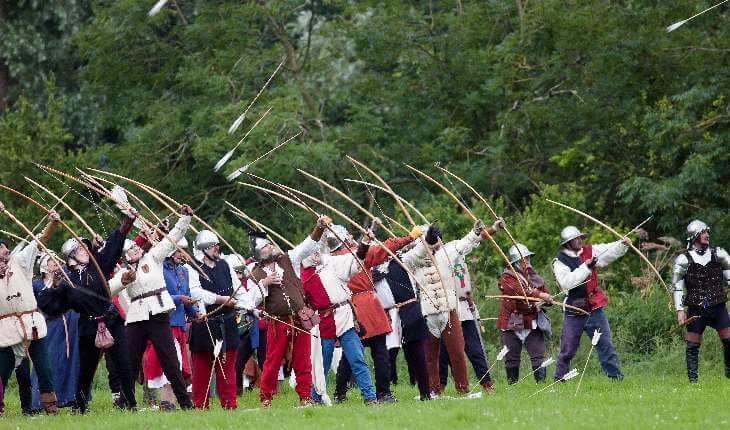
Although knights preferred melee weapons, they were not entirely barred from using ranged arms. The crossbow and bow occasionally appeared in knightly hands, particularly during sieges or hunting. Nonetheless, archery remained largely the domain of the lower classes, especially in England and France, where the longbow and crossbow were wielded by specialized troops.
Example: The Siege Of Orleans (1428, 1429)
During the Siege of Orleans, historical accounts note that some French knights used crossbows and bows to defend the city. The urgency and nature of siege warfare forced even elite soldiers to adapt, demonstrating the flexibility of medieval military roles.
Credit: www.historic-uk.com
The Evolution Of Archery In Medieval Warfare
Early Medieval Attitudes Toward Bows
In early medieval Europe, archery was often viewed as unmanly or even dishonorable for knights. The Norman Conquest (1066) showcased archers as vital components of William the Conqueror’s army, but Norman knights themselves rarely used bows. Chroniclers such as Orderic Vitalis emphasized the distinction between noble cavalry and common archers.
Regional Differences In Knightly Archery
Attitudes toward archery varied across regions:
- England: The longbow became a national weapon, but knights typically led and fought as cavalry or heavy infantry.
- France: Knights scorned archery, associating it with peasants and mercenaries.
- Holy Roman Empire: Some German knights used crossbows, especially in urban warfare.
Bow Types In Knightly Use
| Weapon | Typical Users | Used by Knights? | Notes |
|---|---|---|---|
| Longbow | English yeomen, archers | Rarely | Favored for massed archery; knights usually commanded archers. |
| Crossbow | Mercenaries, urban soldiers | Occasionally | Used by knights in sieges and defensive warfare. |
| Hunting Bow | Nobles, knights | Yes | Common in hunting; seen as a noble pursuit. |
Example: The Battle Of Agincourt (1415)
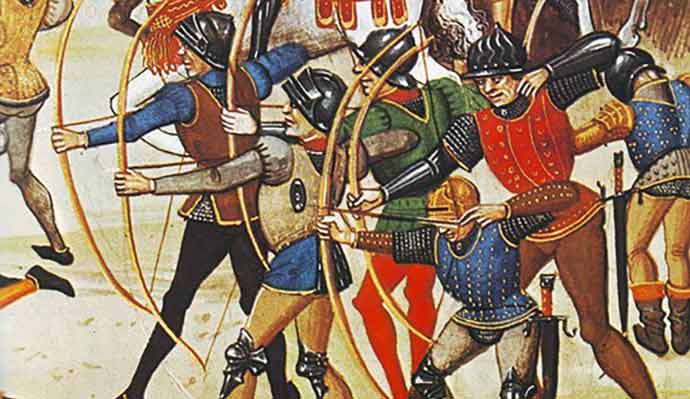
At Agincourt, English knights fought alongside archers but did not themselves wield longbows. The devastating power of the English archers was crucial, but their deployment was strictly separate from the knightly ranks.
Pro Tip:
When researching medieval warfare, it’s essential to distinguish between battlefield roles and off-duty activities, such as hunting or training.
Credit: www.historyhit.com
Hunting, Training, And The Bow
Knightly Archery In Hunting
Medieval hunting was a ritualized activity for nobles and knights. Using bows for hunting, especially deer and boar, was considered both a skill and a privilege. The hunting bow featured prominently in noble households, and proficiency in archery was valued as part of a knight’s broader education.
Training And Martial Skill
Knights underwent rigorous training, including archery practice. Manuals such as Livre de chasse by Gaston Phoebus (1387) detailed the importance of archery in hunting and self-defense. While not central to battlefield tactics, archery contributed to a knight’s versatility.
Example: The Tournament Of Chauvency (1285)
Records from the Tournament of Chauvency reveal that archery contests were part of knightly tournaments, though far less prestigious than jousts or melees. These contests underscored the secondary role of archery in knightly culture.
Social Perceptions Of Archery
Despite practical uses, archery was rarely celebrated as a knightly virtue. Chroniclers sometimes criticized knights who relied on bows, viewing them as less honorable than those who fought hand-to-hand.
Comparison Table: Knightly Activities And Weapon Use
| Activity | Primary Weapons Used | Archery Involved? | Status Symbol? |
|---|---|---|---|
| Battlefield Combat | Sword, lance, mace | Rarely | High |
| Siege Defense | Crossbow, bow, polearms | Sometimes | Medium |
| Hunting | Bow, spear, knife | Frequently | High |
| Tournament | Lance, sword | Occasionally | Very High |
Sieges And Defensive Warfare: Knights With Bows
The Necessity Of Adaptation
Sieges were a defining feature of medieval warfare. Knights defending castles or towns often faced prolonged assaults, requiring them to use whatever weapons were at hand, including bows and crossbows. In these contexts, practicality trumped tradition.
Knights As Archers In Sieges
Historical sources such as the Chronicle of Froissart describe knights using crossbows during the Siege of Calais (1346, 1347). Defensive positions allowed knights to supplement their usual tactics with ranged attacks, targeting enemy siege engineers or repelling assaults.
Defensive Equipment And Tactics
Knights defending fortifications employed:
- Crossbows: Favored for their power and ease of use.
- Bows: Used to harass attackers from walls and towers.
- Missiles (rocks, boiling oil): Supplemented archery.
These adaptations reflected the reality that survival and victory often depended on versatility.
Example: The Siege Of Kenilworth (1266)
During the Siege of Kenilworth, knights inside the castle reportedly used bows and crossbows to fend off attackers, demonstrating that elite soldiers were not above ranged combat when circumstances demanded.
Warning:
Don’t assume all knights shunned bows; historical context and necessity often dictated their actions, overriding social norms.
Knights, Bows, And The Law
Legal Restrictions On Archery
Medieval laws sometimes regulated who could own or use bows. In England, the Assize of Arms (1181) mandated that freemen possess arms, including bows, for defense. However, later statutes, such as the Statute of Winchester (1285), emphasized archery training for commoners, not nobles.
Social And Legal Boundaries
Certain legal codes reinforced the class distinction between knightly and common archers:
- French ordinances often restricted archery to villeins and mercenaries.
- English mandates required archery practice among yeomen, shaping the emergence of the famous longbowmen.
Despite these boundaries, exceptions occurred during emergencies, sieges, and hunting.
Knightly Participation In Archery Guilds
Some urban knights joined archery guilds, especially in German cities. These guilds sponsored tournaments and civic defense, blurring the line between noble and common archers.
Example: The Marksmen Of Lübeck
In the city of Lübeck, records from the 14th century show knights participating in archery guilds and civic defense, using crossbows to protect the city walls. This demonstrates the practical integration of archery into knightly life in urban contexts.
The Decline Of Knightly Archery And Rise Of Professional Archers
The Emergence Of Specialized Archers
By the late Middle Ages, armies increasingly relied on professional archers and mercenary crossbowmen. The English longbowmen at Crécy and Agincourt became legendary, overshadowing the role of knights as ranged combatants.
Changes In Military Organization
Military reforms, such as those instituted by Edward III of England, separated knights from archers, assigning specific roles:
- Knights: Commanders and heavy cavalry.
- Archers: Massed infantry, providing ranged support.
This division became more pronounced as gunpowder weapons emerged, further marginalizing the bow in knightly warfare.
Technological Advancements
The introduction of firearms and cannon in the 15th century accelerated the decline of archery among knights. Armor-piercing bullets rendered bows and crossbows less effective, prompting knights to focus on other weapons and tactics.
Example: The Battle Of Crécy (1346)
At Crécy, English archers dominated the battlefield, while French knights suffered heavy losses. This battle marked a turning point, highlighting the superiority of professional archers and diminishing the prestige of knightly archery.
Pro Tip:
When analyzing medieval battles, consider the impact of technological change on military roles and weapon preferences.
Real-world Examples And Case Studies
The Knights Hospitaller
The Knights Hospitaller defended fortresses across the Mediterranean, notably at Rhodes and Malta. During sieges, they used crossbows and bows alongside swords and firearms, integrating archery into their defensive arsenal.
The Teutonic Knights
In the Baltic, the Teutonic Knights employed bows and crossbows during campaigns against pagan tribes. Their use of ranged weapons was pragmatic, reflecting the challenges of forest warfare and siege operations.
The Burgundian Knights
The Duchy of Burgundy fielded knights who, during urban conflicts and sieges, used crossbows as part of their defensive tactics. Burgundian chronicles detail the involvement of knights in archery guilds and civic defense.
Personal Experience: Reenactment And Knightly Archery
In my experience participating in medieval reenactment events, I’ve observed that modern interpretations often highlight knightly skills with the bow, especially in hunting or siege scenarios. While this reflects historical reality to some extent, it is important to distinguish between ceremonial, recreational, and battlefield use.
Myths, Misconceptions, And Modern Representations
Popular Myths About Knights And Bows
The notion that knights never used bows is widespread, but oversimplified. Modern films and literature often depict knights exclusively as swordsmen, ignoring historical evidence of archery use in specific contexts.
The Reality Behind The Myth
Historical records, illuminated manuscripts, and archaeological finds suggest that knights occasionally used bows, particularly in:
- Sieges
- Hunting
- Training and tournaments
However, their primary battlefield role centered on melee combat and leadership.
Modern Reenactment And Education
Museums, reenactment groups, and educational programs increasingly emphasize the diversity of medieval weaponry, correcting misconceptions about knightly archery. For instance, the Royal Armouries Museum in Leeds displays knightly bows and crossbows, illustrating their practical and ceremonial use.
Example: The Royal Armouries Exhibition
The Royal Armouries Museum features displays of knightly hunting bows and crossbows, accompanied by historical explanations. This approach helps visitors understand the nuanced relationship between knights and archery.
External Reference
For further reading on the subject, consult Wikipedia’s Knight page, which provides detailed background and references.
Comparing Knightly And Common Archers
Military Organization And Roles
| Role | Typical Weapon | Training | Battlefield Function |
|---|---|---|---|
| Knight | Sword, lance, occasionally bow/crossbow | Extensive (martial, chivalric, hunting) | Cavalry charge, command, melee |
| Common Archer | Longbow, crossbow | Specialized (archery practice, guilds) | Ranged support, skirmish |
| Mercenary Crossbowman | Crossbow | Professional (urban, military) | Siege, defensive, ranged attack |
Social Status Comparison
Knights retained higher social status, but common archers gained respect and reward through military success, especially in England. This shift influenced recruitment and battlefield tactics, laying the groundwork for changes in early modern armies.
Example: The English Yeoman
The rise of the English yeoman as a skilled longbowman challenged the monopoly of knights over martial prestige. Yeomen received rewards, land grants, and recognition for their battlefield contributions, as documented in Edward III’s military records.
External Reference
For more on medieval archery, see Britannica’s Archery article, which covers historical and technical aspects.
Legacy And Influence Of Knightly Archery
Cultural Impact
The legacy of knightly archery persists in heraldry, literature, and popular culture. Medieval romances occasionally featured knights using bows, though this was not the norm. The symbolism of the bow in hunting and tournaments continues to influence modern reenactment and storytelling.
Influence On Later Military Traditions
The adaptability of knights, including their occasional use of bows, influenced later military traditions:
- Renaissance armies: Integrated noble officers with professional infantry and archers.
- Hunting traditions: Passed down archery skills as part of noble education.
- Civic defense: Knights participated in urban archery guilds, shaping city militias.
Example: The Order Of The Golden Fleece
The Order of the Golden Fleece, founded in 1430, included archery contests as part of its ceremonial activities. This highlights the ongoing association between nobility and archery, even as battlefield roles shifted.
Modern Interpretations
Contemporary historians and reenactors increasingly recognize the multifaceted role of knights, including their relationship to archery. This nuanced understanding enriches both academic research and popular media.
Frequently Asked Questions
Did Knights Ever Use Longbows In Battle?
While knights rarely used longbows in battle, there are isolated cases, particularly in emergencies or sieges, where they employed whatever weapons were available, including longbows. However, the longbow was predominantly wielded by trained yeomen and archers. Knights typically commanded these troops rather than joining their ranks as archers.
Were Knights Trained In Archery As Part Of Their Education?
Yes, archery was included in knightly training, especially for hunting and self-defense. Manuals from the late Middle Ages detail archery skills as part of noble education, though battlefield archery was not emphasized. Knights practiced archery to maintain versatility and prepare for situations like sieges or hunting.
Did Knights Use Crossbows More Than Regular Bows?
Knights were more likely to use crossbows than regular bows, especially during sieges and urban defense. The crossbow’s ease of use and power made it suitable for armored soldiers defending fortifications. Crossbows also appeared in hunting, tournaments, and urban archery guilds, where knights sometimes participated.
How Did Social Status Affect The Use Of Bows By Knights?
Social status played a significant role in weapon choice. Bows were generally considered appropriate for commoners, while knights preferred melee weapons for battlefield prestige. However, hunting bows were seen as noble instruments, and necessity sometimes forced knights to use bows in combat. Legal codes and military reforms reinforced these distinctions but allowed for exceptions.
Are There Any Famous Knights Known For Their Archery Skills?
While most famous knights were celebrated for swordsmanship or leadership, a few are noted for their archery skills in hunting or siege defense. The Teutonic Knights and Knights Hospitaller, for example, used bows and crossbows in military campaigns. Urban knights in German cities also gained recognition as skilled archers within civic defense and archery guilds.
The relationship between knights and bows is more complex than legend suggests. While social norms and battlefield roles favored melee combat, knights adapted to the demands of warfare, employing bows in hunting, training, and defensive scenarios. Understanding these nuances sheds light on the evolving nature of medieval military elites and their lasting influence on history and culture.