Did Assyrians Make Composite Bows in Ancient Warfare?
Yes, historical evidence strongly suggests that the Assyrians were skilled makers and users of composite bows, a significant advancement in archery technology during their era.
Ever stumbled upon ancient texts or seen depictions of mighty warriors and wondered about their gear? The composite bow is a fascinating piece of history, and its connection to the Assyrians is a common question for history buffs and archery enthusiasts alike. It’s easy to get lost in details when researching ancient military tactics or technologies. This guide will make it super clear and simple for you.
We’ll explore what a composite bow is, how it was made, and most importantly, if the Assyrians played a part in its story. Get ready to uncover some amazing insights into this powerful ancient weapon. Let’s dive in and learn together!
Decoding the Composite Bow: What Makes It Special?
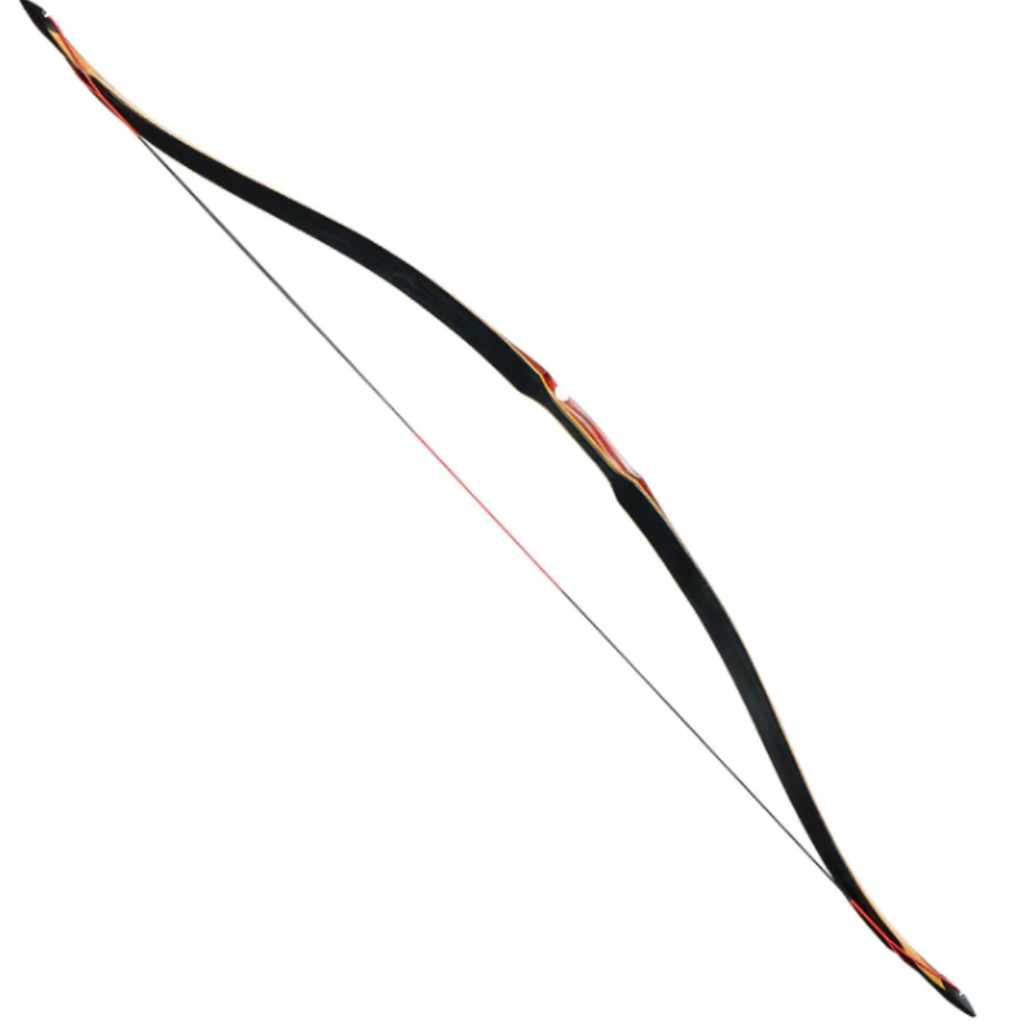
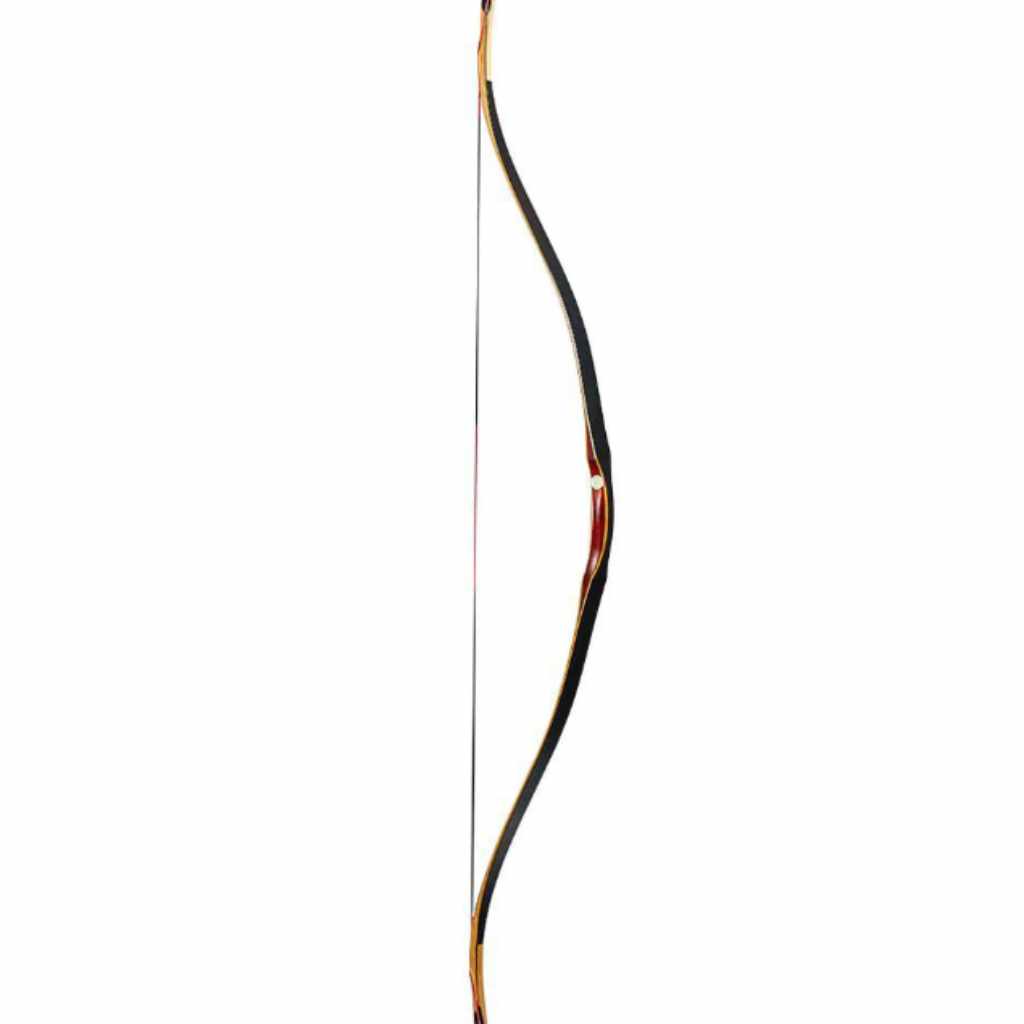
Before we talk about the Assyrians, let’s understand what this “composite bow” is all about. Think of it as a high-performance sports car compared to a regular car when it comes to bows. It’s not made of just one piece of wood. Instead, it cleverly combines different materials to create something far more powerful and efficient than a simple wooden bow.
This ancient innovation allowed archers to shoot further, faster, and with more force. It was a game-changer for warfare and hunting.
Materials of Mastery: The Building Blocks
The magic of a composite bow comes from its layers. Imagine building a strong cake with multiple, different fillings. Similarly, a composite bow has several distinct parts:
- Wood Core: This is usually a relatively lightweight hardwood. It forms the gentle curve (limb) of the bow when unstrung.
- Horn Lamina: On the belly (the side facing the archer), strips of animal horn, like ox or buffalo horn, are carefully glued. Horn is incredibly strong under compression, meaning it resists being squashed.
- Sinew Backing: On the back (the side away from the archer), layers of animal sinew (tendons from animals, like deer or cattle) are applied. Sinew is very strong when stretched.
- Glue: A strong, flexible animal-based glue is used to bind all these layers together.
The combination of materials working against each other is what gives the composite bow its incredible power. The wood allows it to flex, the horn resists being compressed on the inside of the curve, and the sinew resists being stretched on the outside. This synergy creates a bow that stores and releases a lot of energy, resulting in a much faster and harder-hitting arrow.
Why the Composite Design? The Advantages
Why go through all this trouble to build a composite bow? Because the benefits were huge:
- Increased Power and Range: They could shoot arrows much further and with greater impact than simple wooden bows.
- Compact Size: Despite their power, composite bows could often be shorter than traditional self-bows of similar strength. This made them easier to use from horseback or in confined spaces.
- Durability: When made correctly, they were surprisingly durable and could withstand repeated use.
- Adaptability: They could be designed for various purposes, from hunting small game to piercing enemy armor.
The development of the composite bow was a major step in projectile weapon technology. It required sophisticated knowledge of materials science and craftsmanship. And this is where ancient civilizations like the Assyrians come into the picture.
The Rise of the Assyrian Empire and Their Military Might
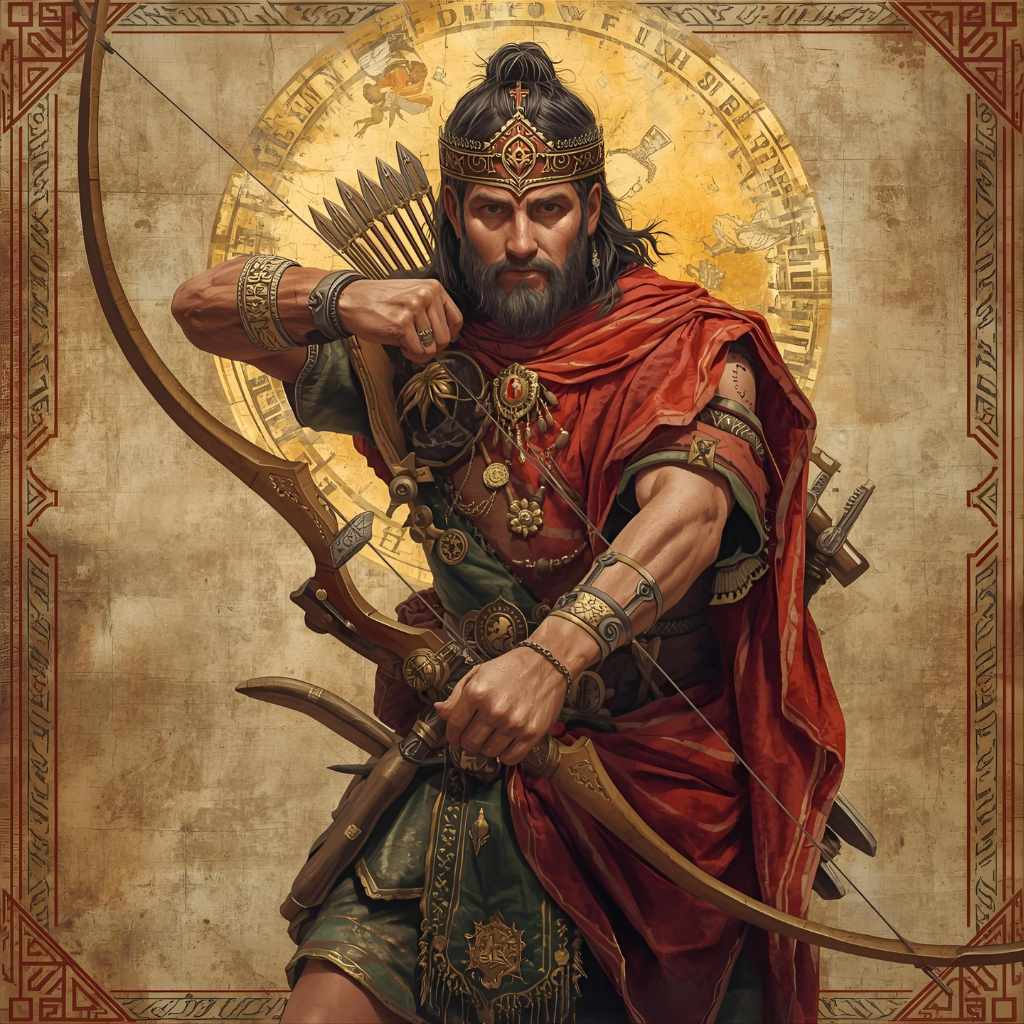
The Assyrians were a civilization that flourished in Mesopotamia (modern-day Iraq) for many centuries, reaching their peak between the 9th and 7th centuries BCE. They are often remembered for their formidable military machine, which allowed them to conquer vast territories and build one of the largest empires of the ancient world.
What made their army so effective? A combination of brilliant organization, effective siege warfare, iron weaponry, and, crucially, highly skilled archers. These archers were the backbone of many Assyrian military campaigns, softening up enemy formations before infantry closed in.
Assyrian Warfare: A Symphony of Steel and Arrows
Assyrian reliefs and texts paint a vivid picture of their military prowess. We see chariots thundering across battlefields, infantry marching in disciplined formations, and engineers relentlessly laying siege to enemy cities. Archery played a pivotal role in all these operations.
Assyrian archers were not just untrained individuals. They formed specialized units, often fighting from the protection of chariots or battlements. Their arrows rained down on opponents, disrupting formations, inflicting casualties, and creating chaos before close combat even began. This organized use of archery was a key element of their military dominance.
Iconography and Evidence: What Do the Ancient Records Say?
One of the best ways to understand if the Assyrians used composite bows is to look at the evidence they left behind. The Assyrians were prolific artists, and their palaces were adorned with carved stone reliefs depicting scenes of warfare, royal hunts, and daily life. Happily for us, these carvings often include detailed depictions of weapons.
Many of these reliefs show Assyrian archers wielding bows that appear distinctly non-simple. They are often depicted with a shape that suggests a recurved design and sometimes show a hand position or draw style consistent with a more powerful, segmented bow. While the carvings can’t show the internal construction, the shape and proportions of the bows depicted are highly indicative of composite construction.
Key Visual Clues from Assyrian Art:
- Bows are frequently shown with sharp curves, especially when unstrung, suggesting they are not made from a single piece of wood.
- The bows often appear relatively short, even for archers on foot, which is a characteristic of powerful composite bows designed for efficiency.
- Depictions of archers, particularly those on chariots, using these bows highlight their effectiveness and the advanced archery tactics employed by the Assyrians.
Beyond art, archaeological finds of ancient arrowheads discovered in Assyrian-controlled territories also hint at the effectiveness of their archery. These arrowheads are often well-crafted and designed for penetration, suggesting they were fired from powerful bows capable of achieving significant velocity.
Did Assyrians Make Composite Bows? The Verdict
Putting all the pieces together, the answer is a resounding yes. The evidence from Assyrian art, military history, and archaeological findings strongly supports the conclusion that the Assyrians were not only users but also skilled makers of composite bows.
Archaeological excavations in Mesopotamia have uncovered remnants and precursors of composite bow construction in regions that were part of or heavily influenced by the Assyrian empire. While intact composite bows from that specific period are exceedingly rare due to the perishable nature of horn, sinew, and glue, the visual and contextual evidence is compelling.
Expert Insights on Assyrian Archery
Many historians and archaeologists who specialize in ancient Near Eastern warfare concur on the use of composite bows by the Assyrians. For instance, the Metropolitan Museum of Art, when discussing Assyrian reliefs, often highlights the military technology of the period, including archery. They note the advanced tactics and weaponry that contributed to Assyrian military success. While the Met might not explicitly detail the “recipe” for Assyrian composite bows, their broader discussions of military equipment and tactics imply the use of sophisticated weapons of the era.
Scholars like Paul E. Pedro less frequently discuss the specifics of bow construction, but more broadly acknowledge the presence and importance of composite bows in the Assyrian arsenal and the broader ancient world which the Assyrians were a major part of. The general understanding among specialists in ancient weaponry is that composite bows were the standard for major military powers of the time, and the Assyrians were certainly one of the most prominent.
The creation of these bows required a deep understanding of woodworking, animal husbandry (for materials), and advanced gluing techniques. It’s unlikely that such a sophisticated weapon would be adopted without the culture also developing the means to produce it.
A Timeline of Bow Technology
The composite bow wasn’t invented by the Assyrians, nor did they stop its evolution. Its origins can be traced back much further, to cultures in Central Asia, the Eurasian Steppe, and the Near East, possibly as early as the 3rd millennium BCE. However, the Assyrians were masters at adopting and perfecting existing technologies and integrating them into their warfare.
Here’s a simplified look at the evolution:
| Era/Culture | Bow Type | Key Characteristics |
|---|---|---|
| Prehistoric/Early Civilizations | Simple Wood (Self-bow) | Made from a single piece of wood. Limited power and range. |
| Early Mesopotamia (e.g., Sumerians) | Early Composite Bows | Beginning to use layered materials. Often recurved. |
| Assyrian Empire (c. 900-600 BCE) | Advanced Composite Bows | Highly developed recurved design. Efficient use of horn and sinew for maximum power and range. Used extensively in warfare. |
| Later Empires (Persian, Greek, Roman) | Highly Refined Composite Bows | Continued use and improvement. Variations in size and design, often adapted for cavalry (e.g., Parthians, Scythians). |
The table shows that by the time the Assyrian Empire was at its height, the composite bow was a well-established and highly effective weapon. The Assyrians capitalized on this technology, refining it and integrating it into their formidable military strategy.
Crafting a Composite Bow (Theoretically): A Glimpse into the Process
While you wouldn’t be making a historical Assyrian composite bow in your backyard today (it’s complex!), understanding the process gives you a real appreciation for their skill. It involved considerable time, patience, and specific techniques.
Here’s a conceptual breakdown of how such a bow might have been made:
- Material Selection: Archery-quality hardwood for the core, fresh animal horn (preferably from young animals for better flexibility), and strong animal sinew (typically from the leg or back of large mammals).
- Preparing the Core: The wooden core would be carefully shaped and smoothed. It often had a distinct ‘D’ shape in cross-section, but crucially, it was designed to store energy when bent.
- Attaching the Horn: Pieces of horn were hammered or pressed into strips. These strips were then meticulously glued to the belly of the wood core. The entire structure would be bound tightly (e.g., with linen thread) while the glue dried under pressure to conform to the wood’s curve.
- Applying the Sinew: Once the horn layer was secure, wet sinew was carefully cleaned and separated into fine fibers. These fibers were then glued onto the back of the wooden core. As the sinew dried, it would shrink, creating immense tension that made the bow powerful.
- Adding Recurves (if applicable): Many composite bows, including those likely used by the Assyrians, featured recurved tips. These sections, often made of wood, horn, or a combination, would be attached, and the entire bow painstakingly heated and bent into its final, powerful shape.
- Finishing and Tillering: The bow would be “tillered” – a process of carefully stringing and unstringing the bow, gradually bending it to ensure even stress distribution and a smooth draw. This is a critical stage that determines the bow’s performance and prevents it from breaking.
- Sealing: The finished bow would be sealed, often with animal fat, beeswax, or pitch, to protect the materials from moisture.
Modern Replicas and Their Challenges
Today, skilled bowyers (bow makers) around the world can craft historically accurate composite bows. It’s an incredibly difficult and time-consuming skill to master, requiring deep knowledge of ancient techniques and materials. The process can take months and is fraught with potential failures at every step!
Modern tools and glues can simplify some aspects, but replicating the exact feel and performance of an ancient artifact remains a testament to the ingenuity of our ancestors. If you’re interested in seeing this art firsthand, searching for “historical archery” or “composite bow making” online can reveal some amazing artisans.
The Legacy of Assyrian Composite Bows
The Assyrians, with their advanced military and sophisticated understanding of materials, certainly played a significant role in the story of the composite bow. They weren’t necessarily its inventors, but they were certainly among its most effective users and likely contributors to its development and widespread adoption.
Their mastery of this weapon allowed them to project power across a vast empire, making them a force to be reckoned with for centuries. The legacy of their composite bows is etched into the historical records and the very fabric of ancient warfare. It’s a testament to human innovation and the power of combining different elements to create something truly remarkable.
Impact on Archery Today
While modern archery equipment has evolved dramatically with materials like fiberglass, carbon fiber, and advanced riser designs, the fundamental principles of the composite bow live on. The idea of using different materials to enhance performance is still very much at the heart of modern bow design. Many traditional archers also choose to shoot modern interpretations of recurve bows, which draw inspiration from the efficiency and power of historical composite designs.
For beginners interested in archery, understanding the history of weapons like the composite bow can deepen your appreciation for the sport. It reminds us that the pursuit of accuracy, power, and efficient design has been a human endeavor for millennia.
Frequently Asked Questions (FAQ)
Did the Assyrians invent the composite bow?
No, the composite bow generally predates the Assyrian Empire. Its origins are believed to be in Central Asia or the Near East, possibly as early as the 3rd millennium BCE. The Assyrians, however, were highly skilled users and likely made significant advancements in its design and production during their era.
What were the main materials used in an Assyrian composite bow?
The primary materials were a wooden core, animal horn (for the belly, which compresses), and animal sinew (for the back, which stretches). These were all bound together with strong animal-based glues.
How was the composite bow better than a simple wooden bow?
Composite bows were significantly more powerful, had greater range, and could be made more compact for their strength compared to simple wooden bows (self-bows). This was due to the combined properties of wood, horn, and sinew, which allowed them to store and release energy more efficiently.
Where can I see evidence of Assyrian composite bows?
Primary evidence comes from Assyrian stone reliefs found in palaces, which depict archers with bows shaped in ways indicative of composite construction. While intact bows are rare due to the perishable materials, these artistic and textual records are highly informative. You can often find scholarly articles and museum exhibits discussing Assyrian military technology.
Why are composite bows hard to make?
Making a good composite bow requires a deep understanding of materials, precise shaping, expert gluing techniques, and a delicate process called tillering to ensure the bow bends evenly. The assembly process is lengthy, and each step must be perfect to prevent failure. The materials themselves also need to be sourced and prepared correctly.
Did only the Assyrians use composite bows?
No, composite bows were used by many ancient civilizations across Asia, Europe, and North Africa. Peoples like the Scythians, Parthians, Huns, Mongols, and inhabitants of the Near East all employed composite bows effectively. The Assyrians were a prominent militaristic society that notably incorporated them into their effective fighting force.
Can I shoot a composite bow as a beginner?
While shooting a historically accurate composite bow is possible, it’s often very challenging for beginners due to their high draw weights, stiff draw, and unique feel. Many beginners start with simpler recurve or longbows to learn the fundamentals of archery safely before moving on to more complex historical designs. If you are interested in composite bows, it is recommended to seek out a qualified instructor.
Conclusion: The Enduring Power of Ancient Design
As we’ve explored, the question isn’t just if the Assyrians made composite bows, but rather how integral they were to their very identity as a dominant empire. The visual evidence, combined with our understanding of ancient metallurgy and weaponry, paints a clear picture: the Assyrians were masters of the composite bow.
They harnessed the incredible potential of layering wood, horn, and sinew to create a weapon that was both devastatingly effective in combat and a testament to their sophisticated craftsmanship. These bows allowed their archers to dominate battlefields, secure their empire, and leave a lasting mark on military history.
For anyone interested in archery, from the absolute beginner to the seasoned enthusiast, understanding the history of tools like the composite bow offers an invaluable perspective. It reminds us that innovation often comes from combining the wisdom of the past with the