Did the Mongols Create Composite Bows? A Brief History
Did the Mongols Create Composite Bows? The Proven Essential Truth: While the Mongols didn’t invent the composite bow, they were absolute masters of its design and use. Their innovations and widespread employment of these powerful weapons were crucial to their unparalleled military success and significantly influenced archery’s history.
Ever wondered about the incredible success of the Mongol Empire? A huge part of their story lies in a sophisticated weapon: the composite bow. Many people hear about the Mongols and immediately think of their amazing archery skills, but they might also wonder if these incredible bows were something the Mongols specifically invented. It’s a common question, and the answer is a bit more nuanced than a simple yes or no. Don’t worry if it feels a little confusing – that’s perfectly normal! Today, we’re going to break down the history and genius behind the composite bow and the Mongols’ vital role in its legacy. Get ready to discover why this weapon was so special and how it helped shape history.
The Mystery of Invention: Did the Mongols Create Composite Bows?
Let’s get straight to the heart of the matter. Did the Mongols invent the composite bow? The short answer is no, they did not invent it. The concept of combining different materials to make a stronger, more efficient bow existed long before the rise of Genghis Khan. Think of it like this: people had been building shelters for ages, but then someone invented the skyscraper. The skyscraper wasn’t the first shelter, but it was a revolutionary advancement in shelter-building.
Similarly, composite bows were around for millennia before the Mongol Empire rose to prominence. Evidence suggests that composite bow technology was being developed in various cultures across Asia and the Near East for thousands of years prior. These early bows aimed to overcome the limitations of simple wooden bows by using layers of different materials. The genius of the composite bow lies in its ability to store and release more energy than a bow made from a single piece of wood, leading to greater power, range, and speed.
What Exactly IS a Composite Bow?
Before we dive deeper into the Mongol connection, it’s essential to understand what makes a composite bow so special. Unlike a simple “self-bow” (a bow made from a single piece of wood), a composite bow is constructed from multiple distinct materials laminated together — see this composite bow vs normal bow comparison for a full breakdown of the tradeoffs.
The core components typically include:
- Wood Core: This forms the basic structure and provides a stable base.
- Animal Sinew: Strands of dried animal tendon are glued to the back (outside) of the bow. When the bow is flexed, the sinew stretches and stores a lot of energy, acting like a spring.
- Animal Horn or Bone: Thin layers of horn or bone are glued to the belly (inside) of the bow. This material is excellent in compression, preventing the wood core from buckling when the bow is drawn.
- Glue: Historically, animal-based glues (like hide glue) were used to bind these layers together.
This layering technique creates a bow that is:
- More Powerful: It can propel an arrow at higher speeds and with more force.
- More Efficient: It stores more energy relative to its size and weight.
- More Durable: The combination of materials helps the bow withstand stress better than a simple wooden bow of similar size.
- Compact: Often, composite bows were significantly shorter than traditional longbows, making them ideal for use on horseback or in confined spaces.
To get a sense of the sophisticated engineering involved, consider the principles of materials science, even if ancient artisans didn’t use those exact terms. They understood that different materials behave differently under tension and compression. By strategically layering them, they created a synergistic effect, resulting in a bow far superior to its individual parts.
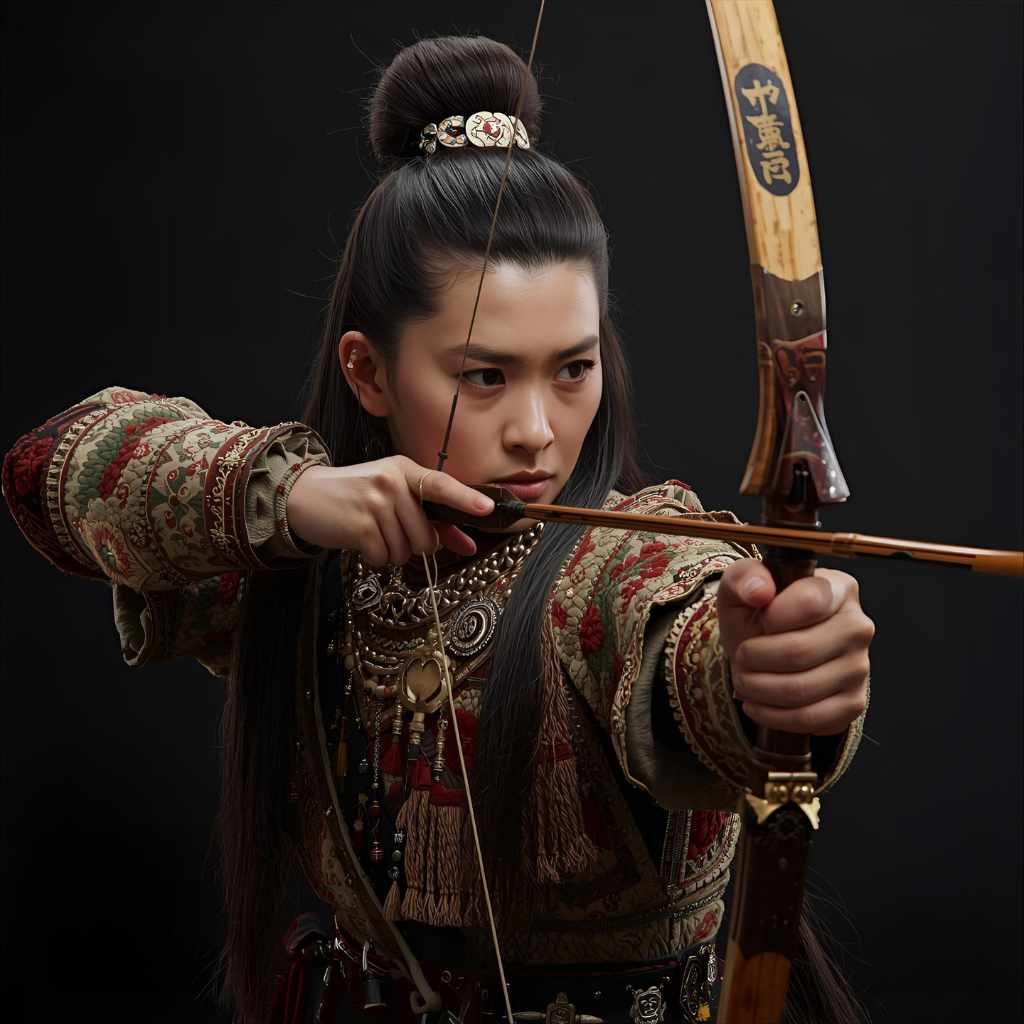
The Mongol Mastery: Genius in Application, Not Invention
So, if the Mongols didn’t invent the composite bow, why is their name so closely associated with it? The answer is their unparalleled mastery in its design, production, and tactical deployment. The Mongols took an existing technology and perfected it to an extent that revolutionized warfare.
Key Mongol Innovations and Contributions:
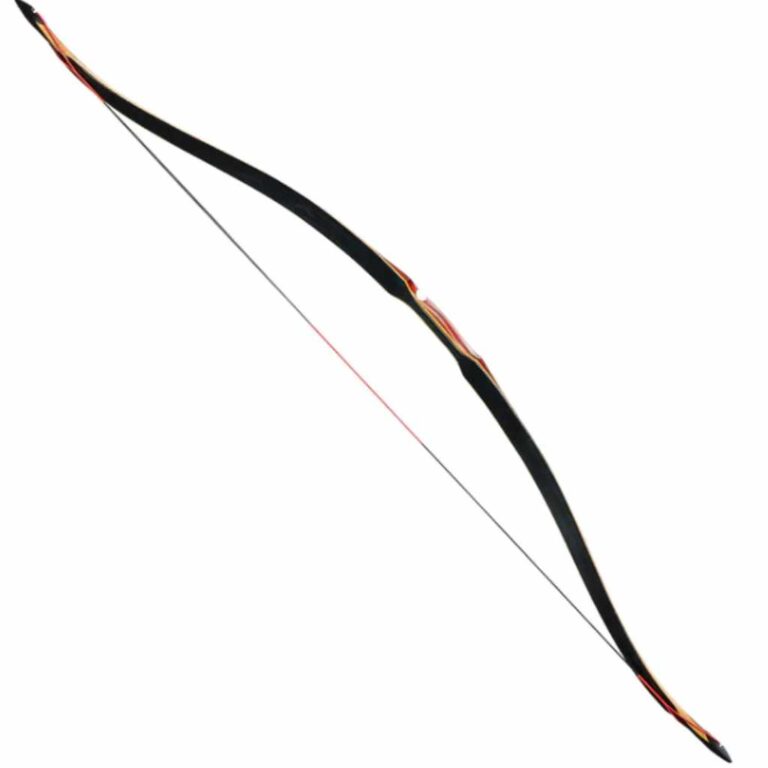
Sophisticated Design: Mongol composite bows were often of the “recurve” design. This means the tips of the bow curve away from the archer when unstrung. When drawn, these limbs store even more energy, resulting in extreme power for their size. They were typically short, making them perfect for mounted archery.
Mass Production and Standardization: The scale of the Mongol Empire allowed for efficient organization of skilled bowyers (bow makers). They achieved a high level of standardization, meaning they could produce vast quantities of high-quality bows. This logistical feat was critical for equipping their enormous armies.
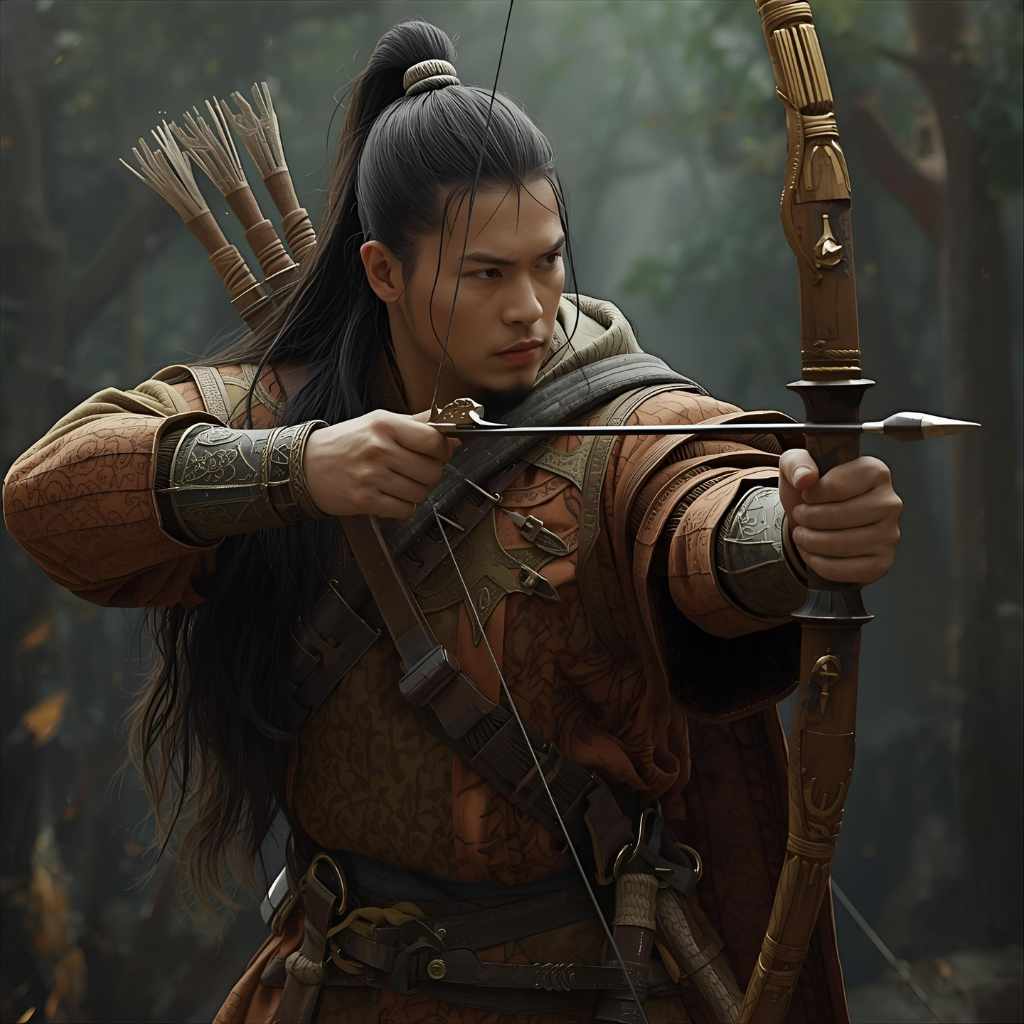
Tactical Brilliance: The Mongols didn’t just use composite bows; they integrated them into every aspect of their military strategy. Their famed cavalry archers were deadly accurate while riding at full gallop, demonstrating incredible skill honed through rigorous training from a young age. This flexibility allowed them to outmaneuver and overwhelm less mobile enemies.
Arrow Variety: They also developed a range of arrow types suited for different purposes – armor-piercing bodkin points, broadheads for hunting or softer targets, and even incendiary or explosive arrows.
The archetypal Mongol bow was the “lama bow,” a powerful recurve design that was short enough to be used comfortably from a horse. These bows were incredibly efficient, capable of shooting arrows comparable in speed and distance to much larger, simpler bows. The effectiveness of this weapon system, wielded by highly disciplined and skilled archers, was a cornerstone of the Mongol military machine.
Historical Precedents and Contemporaries
It’s important to acknowledge that the Mongols weren’t alone in using composite bows. Civilizations like the Scythians, Parthians, Huns, and Turks had been using sophisticated composite bows for centuries. The empires of China also developed advanced composite bows. The Mongols inherited this rich tradition and brought it to new heights.
To really appreciate the evolution, consider this timeline:
| Era | Cultures Known for Composite Bows | Key Developments/Impact |
|---|---|---|
| Ancient Times (e.g., ~2000 BCE onwards) | Mesopotamia, Egypt, Assyria, Huns | Early forms of composite bows, showing understanding of laminating strategies. |
| Classical Antiquity (e.g., ~500 BCE – 500 CE) | Parthians, Scythians, Sarmatians, Han Dynasty China | Highly developed composite bows, crucial for cavalry warfare. Parthians famously defeated Romans with their archery. |
| Medieval Period (e.g., ~500 CE – 1500 CE) | Turkic peoples, Khazars, Kievan Rus’, Seljuks, Mongols, Mamluks | Peak of composite bow effectiveness and widespread use as the primary battlefield weapon. Mongols brought widespread adoption and military dominance. |
The Mongols didn’t invent the materials or the fundamental concept, but their period saw the composite bow reach its zenith in terms of military impact and widespread diffusion across Eurasia. They effectively weaponized centuries of accumulated archery knowledge. The sheer scale and success of their campaigns made the composite bow synonymous with the ultimate archer, leading many today to believe they were its originators.
Why Composite Bows Were “Essential” for the Mongols
The term “proven essential” is indeed accurate when applied to composite bows within the context of the Mongol Empire. These bows weren’t just a piece of equipment; they were a fundamental element that enabled their existence and dominance.
Enabling Horse Archery
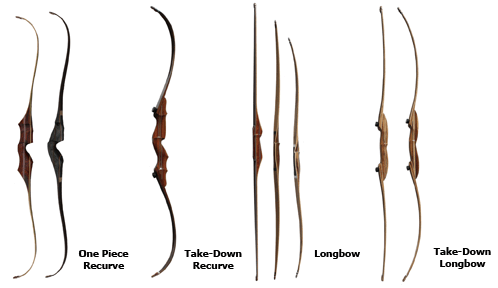
The key advantage of the Mongol composite bow was its combination of power and compactness. Traditional, large longbows are difficult to use effectively from horseback. They are too long, require significant space, and are generally too unwieldy for a rider moving at speed. The short, powerful recurve composite bow, however, was tailor-made for mounted warfare:
- Agility: Its small size allowed archers to maneuver easily in the saddle, turning and shooting with precision.
- Speed: The ability to draw and shoot quickly was paramount. Mongol tactics often involved volleys of arrows fired while riding at the enemy, disrupting formations and causing casualties before closing in or retreating.
- Reach: Despite its size, a well-made composite bow could shoot an arrow farther and faster than many simpler bows, giving Mongol archers a significant tactical advantage over infantry archers and even many contemporary cavalry units.
It’s challenging to find a better example of a weapon system being perfectly suited to a military doctrine. The Mongol horse archer, armed with his composite bow, was arguably the most formidable soldier of his time.
Psychological Warfare and Disruption
The sheer volume of arrows that skilled Mongol archers could unleash was terrifying. Imagine facing an unleashed storm of projectiles from all directions by an enemy that could appear and disappear like the wind. This psychological impact alone could demoralize opponents and break enemy formations.
Furthermore, the arrows themselves could be customized:
- Armor-Piercing: Bodkin-point arrows were designed to penetrate mail and even some plate armor, rendering defensive measures less effective.
- Incendiary: Arrows tipped with burning materials could set siege engines, wooden structures, or even enemy formations alight, causing chaos and panic.
- Signaling: Whistling arrows were sometimes used for signaling across vast distances on the battlefield, a crucial coordination tool for a mobile army.
The versatility and power of the composite bow made it an essential tool for the Mongols’ multifaceted battlefield approach, encompassing direct engagement, harassment, siege warfare, and psychological dominance.
Construction and Materials: A Look Inside
Understanding how these bows were made gives us even more appreciation for the skill involved. While modern composite bows use synthetic materials and advanced adhesives, historical Mongol bows were works of art and engineering made entirely of natural substances.
The Bowyer’s Art
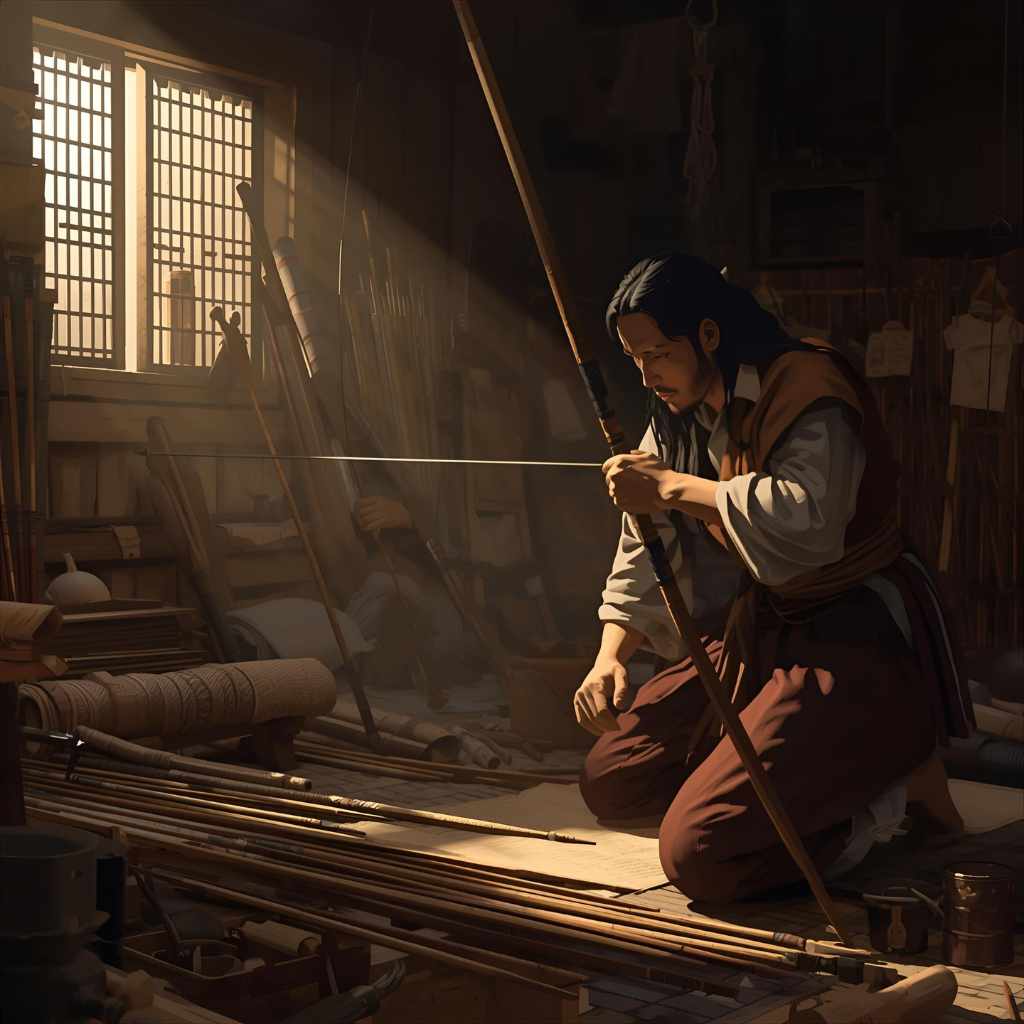
The process of making a composite bow was lengthy, complex, and required immense skill and knowledge passed down through generations.
A simplified overview of the construction process:
Selecting Wood: A suitable wood core, often maple or birch, was carefully chosen and seasoned for years. It needed to be strong, flexible, and free of imperfections.
Shaping the Core: The wooden core was then carefully shaped into the basic form of the bow. The limbs were thinned and tapered precisely.
Preparing Sinew: Animal tendons (usually from the legs and backs of deer, horses, or cattle) were pounded and separated into individual fibers. These fibers were then soaked and cleaned.
Preparing Horn: Water buffalo horn, or sometimes goat or sheep horn, was prized for its strength in compression. It was carefully shaped into thin strips.
Lamination: This was the most critical step. The prepared sinew fibers were meticulously laid onto the back of the wooden core, often in layers. They were then coated with a strong animal-based glue (like hide or fish glue) and compressed tightly. On the belly side, the horn strips were glued on, also under pressure. The entire assembly had to dry thoroughly, often taking months in specific environmental conditions.
Forming the Recurve: Once glued, the bow’s characteristic recurve shape would be encouraged as it dried, or it would be carefully pressed into shape using heat and forms before final curing.
Stringing and Tillering: Finally, a bowstring was added, and the bow was “tillered” – a process of carefully drawing it back incrementally and shaving wood or adjusting the string pressure to ensure the limbs bent evenly. This is crucial for durability and performance.
The entire process could take years from start to finish, from harvesting and curing wood and sinew to the final tillering. This is why composite bows were valuable, prized possessions, and a product of specialized and dedicated craftsmanship.
Testing the Quality
Ensuring the durability and performance of these bows was paramount for military effectiveness. A bow that failed in battle could be catastrophic. While specific testing protocols are not always detailed in historical records, we can infer rigorous standards based on the success of the Mongol armies.
A functional test for a historical composite bow might have looked something like this:
| Test | Purpose | Criteria (Inferred) |
|---|---|---|
| Draw Weight Check | Verify the bow meets specified draw weight for consistent performance. | Must achieve a target draw weight at a specific draw length (e.g., 28 inches). |
| Limb Flex Test (Incremental Draw) | Assess the evenness of limb bend and identify structural weak points. | Limbs must flex symmetrically without creaking, twisting, or showing visible signs of stress (cracks, delamination). |
| Full Draw Hold | Test structural integrity under sustained tension. | Hold at full draw for a set time (e.g., 30 seconds to 1 minute) without deformation or damage. |
| Arrow Speed/Range Test | Confirm expected projectile performance. | Achieve a minimum arrow velocity and effective range with standard arrows. |
| Durability Test (Simulated Combat) | Ensure the bow can withstand repeated use. | Fire a set number of arrows (e.g., 50-100) in a simulated combat scenario. |
These weren’t just theoretical tests. A bow that performed poorly was a liability the Mongols simply could not afford, especially given the vast distances they traveled and the harsh conditions their armies endured. Reliability was key.
The Legacy of Mongol Composite Bow Mastery
The Mongols’ profound impact on the use and reputation of the composite bow cannot be overstated. They didn’t invent it, but they certainly perfected and popularized it on a scale never seen before.
Enduring Influence
The military tactics, composite bow designs, and archery skills honed and employed by the Mongols influenced warfare and archery across the Eurasian continent for centuries. Many cultures adopted or adapted Mongol archery techniques and bow designs.
The technology of the composite bow continued to evolve after the Mongol era, with later variations incorporating improvements and adaptations. However, the foundational principles and the peak of its military application are inextricably linked to the Mongol Empire.
You can see the echoes of this technological trajectory in later developments, even up to the present day for traditional archery enthusiasts. For instance, understanding the materials science of traditional bows is a fascination for many hobbyists. Resources like the U.S. Fish and Wildlife Service acknowledge the historical significance of archery and its evolution, which includes the composite bow.
Modern Archery and the Composite Bow
While modern compound bows, with their pulleys and cams, offer incredible performance, and recurve and longbows are popular for traditional sports, the spirit of the composite bow lives on. Many traditional archery enthusiasts and historical reenactors seek out handcrafted composite bows that emulate the designs of the past. These bows are not just weapons but pieces of living history, carrying the legacy of ancient craftsmanship and tactical genius.
Learning about these historical weapons can provide a deeper appreciation for the skills and knowledge of past cultures and the ingenious ways they used the resources available to them. It highlights how innovation often comes from refining and expertly applying existing technologies, not just from entirely new inventions.
Frequently Asked Questions About Mongol Composite Bows
Here are some common questions beginners and hobbyists often have:
Q1: Were Mongol bows the strongest bows ever made?
Mongol composite bows were among the most powerful bows relative to their size and weight, especially for their era, excelling in power-to-size ratio. However, some later or much larger bows (like certain specialized Asian or European longbows designed for infantry use) might have had higher absolute draw weights. The genius of the Mongol bow was its balance of power, compactness, and usability for mounted archers.
Q2: How long did it take to make a Mongol composite bow?
The entire process, from gathering and preparing materials to the final tillering and finishing, could take several years. This was due to the need for wood to season properly, sinew and horn to be prepared, and the multi-stage gluing and drying process, which required specific environmental conditions.