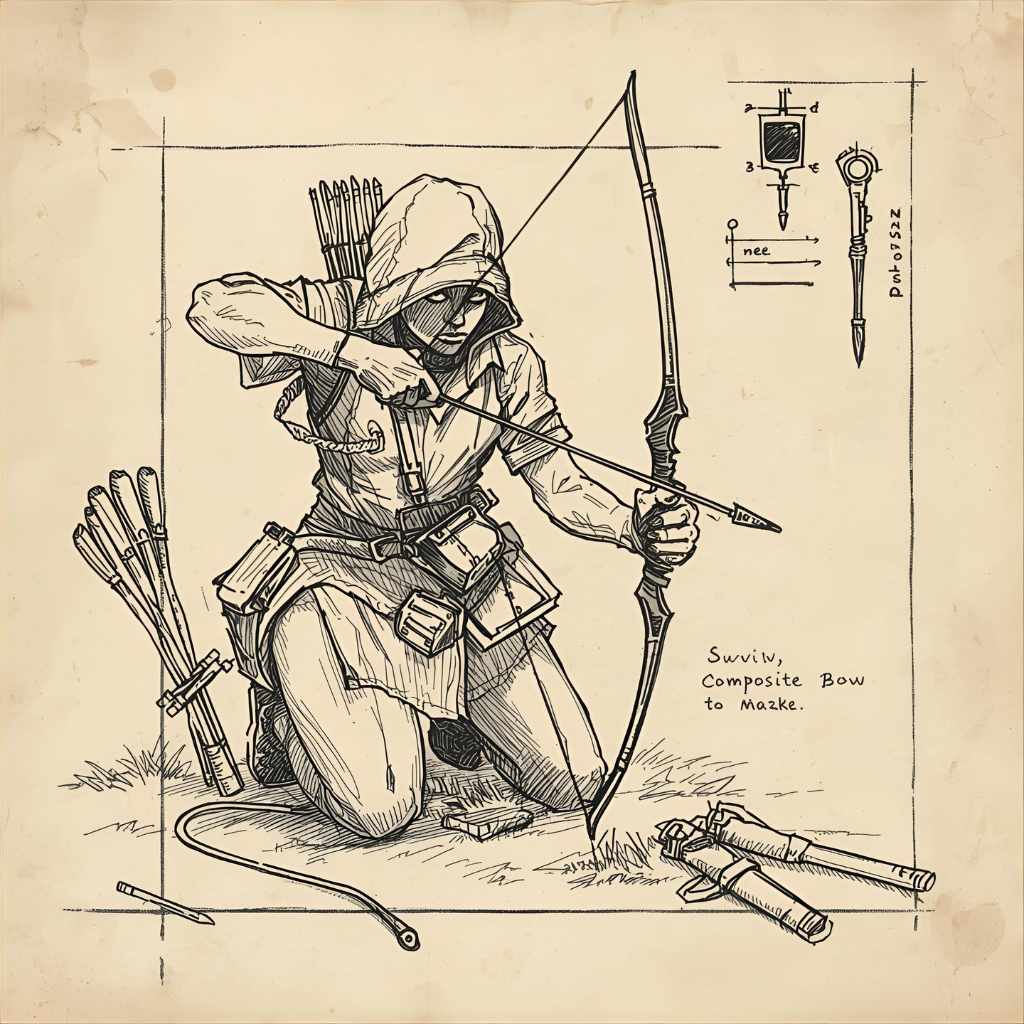
How to Survive 2 Composite Bow: Crafting and Stats
Simply put, surviving encounters with hostile composite bows in “How to Survive 2” means understanding their threat, using cover effectively, and employing smart tactics to overcome them. Focus on ranged attacks, prioritizing swift elimination, and always being aware of your surroundings to stay alive.
Welcome, fellow adventurers, to the often-treacherous world of “How to Survive 2”! If you’ve found yourself on the wrong end of a well-aimed arrow from a distance, you’re not alone. The composite bow, wielded by many cunning survivors and mutated creatures, can be a real challenge, especially when you’re just starting out. Its range and damage can turn a stroll into a serious fight in seconds. But don’t worry! With the right knowledge and a few smart moves, you can turn the tables and make these ranged threats a lot less scary. This guide will walk you through everything you need to be prepared and come out on top.
Understanding the Composite Bow Threat
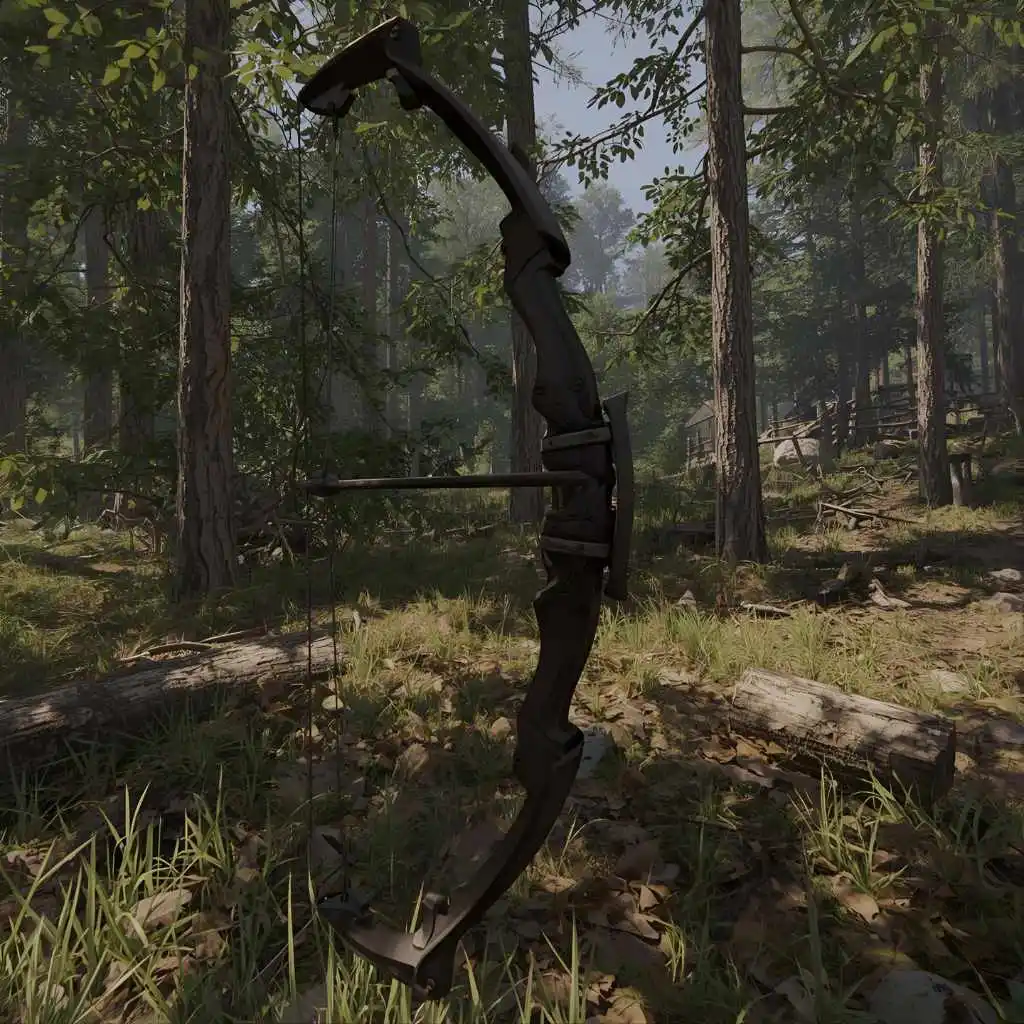
In “How to Survive 2,” the composite bow isn’t just another weapon; it’s a symbol of range and precision that can quickly put you in danger. These bows are wielded by a variety of enemies, from desperate human survivors to relentless mutated adversaries. Their primary advantage is their ability to strike you from a safe distance, often before you even see them. This means you can be engaged in combat with one enemy only to suddenly find yourself taking damage from another off-screen. Understanding their capabilities is the first step to survival.
Range and Accuracy
Composite bows boast a significant effective range. Enemies using them will try to keep you at arm’s length, making it difficult for you to close the gap and engage them in melee combat, which is often your preferred method against slower, weaker foes. Their arrows fly relatively straight for a good distance, meaning hitting a stationary target is quite accurate. Even against moving targets, a skilled archer (or a well-programmed AI) can lead their shots effectively. This makes standing still an invitation for trouble.
Damage Output
Don’t underestimate the damage a composite bow can inflict. Early game, especially, a few well-placed shots can deplete your health bar alarmingly fast. As you progress and encounter tougher enemies, the damage can become even more substantial, potentially overwhelming you if you aren’t properly armored or if you allow them to pepper you with arrows unchecked. This emphasizes the importance of not letting them maintain their optimal firing distance.
Enemy Archetypes Using Composite Bows
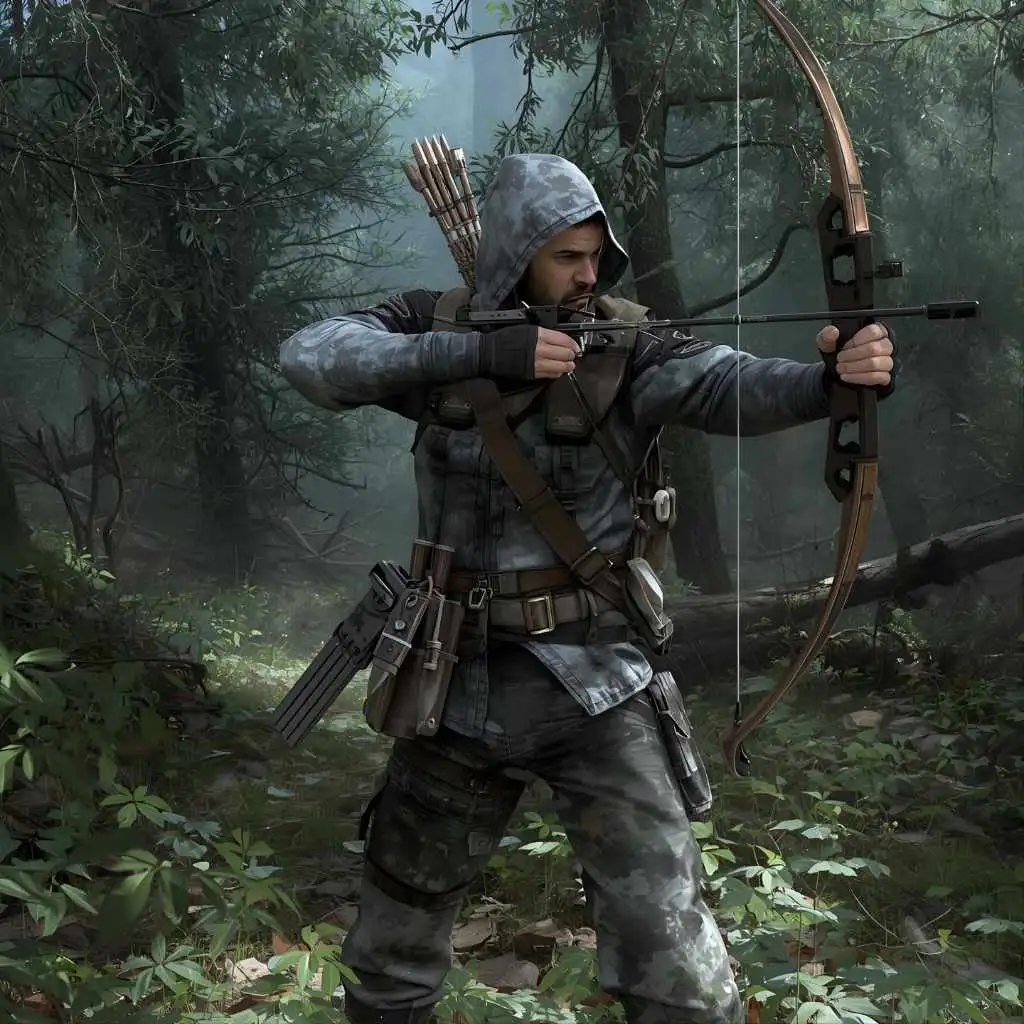
You’ll encounter composite bows in various forms. Some might be lone wolf survivors who have mastered ranged combat to defend their territory. Others might be part of organized bandit groups, acting as skirmishers to soften up your approach. Then there are the mutated horrors, whose primal instincts might have led them to utilize such effective hunting tools. Each enemy type might have slightly different behaviors, but the core threat of their ranged attack remains consistent.
Essential Survival Strategies
Surviving encounters with composite bow users boils down to intelligent engagement and smart movement. You can’t simply rush in blindly and expect to win. A tactical approach is key. We’ll break down the most effective strategies below, from immediate battlefield awareness to long-term preparedness.
1. Prioritize Ranged Threats
When you spot an enemy with a composite bow, they should immediately become a high-priority target. If you’re fighting multiple enemies, and one has a bow, try to eliminate the archer as quickly as possible before they inflict too much damage from afar. This might mean disengaging from a melee combatant briefly to deal with the ranged threat, or using environmental cover to close the distance safely.
2. Utilize Cover Relentlessly
Cover is your best friend against any ranged enemy, and composite bow users are no exception. Look for anything that can block line of sight and absorb arrows. This includes:
- Large rocks and boulders
- Trees and thick foliage
- Buildings and their various structures
- Crates, barrels, and other debris
Never stay exposed in the open for long when archers are around. Pop out from cover just long enough to take a shot or two, then duck back. Their arrows will typically hit the cover instead of you, buying you precious time to plan your next move or recover health.
3. Master Evasive Maneuvers
While cover is ideal, sometimes you won’t have it, or the archer will reposition to flank you. In these situations, movement is key. Learn to:
- Dodge and Weave: Don’t run in straight lines. Zigzag, change direction unpredictably. This makes it much harder for the archer to lead their shots effectively.
- Sprint and Slide: Utilize sprint mechanics to quickly move between pieces of cover. If the game has a slide mechanic, use it to rapidly change your profile and make yourself a harder target.
- Roll or Dodge: If you have a dedicated dodge or roll button, use it right before an arrow is about to hit you. Timing is crucial, but a successful dodge negates incoming damage entirely.
Practice these movements even when not in combat. The better you are at moving evasively, the less you’ll rely on just cover.
4. Close the Distance Smartly
While archers prefer range, you often need to close the distance to eliminate them efficiently. The trick is to do it without taking a barrage of arrows to the face.
- Use Stealth: If you have stealth capabilities, try to sneak up on them. Enemies with bows are often less vigilant when they think they aren’t being directly threatened.
- Flank from Cover: Use multiple pieces of cover to approach from the side or rear, minimizing the time you are exposed to their direct line of sight.
- Distract and Attack: If possible, throw a noise-making item or attract another enemy to engage the archer, then use the distraction to move in.
Once you are within melee range, most composite bow users are relatively vulnerable, making the initial engagement phase the most critical.
5. Equip the Right Gear
Your gear plays a significant role in your ability to survive ranged attacks. Consider the following:
- Armor: Prioritize armor that offers good ballistic or general damage resistance. While no armor will make you immune, better armor significantly reduces the impact of each arrow. Refer to in-game descriptions for resistances.
- Shields: If available, a shield can be incredibly useful for blocking arrows when cover isn’t an option. Learn to use it effectively, but remember that it might not block all damage from a well-aimed shot or special arrow types. A sturdy shield can be a lifesaver.
- Ranged Weapons of Your Own: The best defense is a good offense. Carrying a bow, crossbow, or even a firearm allows you to engage and eliminate enemy archers from a distance yourself. Practicing with your own ranged weapons will make you more adept at identifying and countering enemy archers.
The official “How to Survive 2” wiki or reputable fan guides often detail the specific stats of armor and shields, which can be invaluable for making informed gear choices.
Combat Scenarios and Tactics
Different situations call for different approaches. Let’s look at common scenarios where you’ll face composite bows and how to best tackle them.
Scenario 1: Multiple Enemies, Including Archers
This is a common and dangerous situation. You might be fighting a group of melee brutes when suddenly, arrows start flying. Your priority needs to shift. The archer will likely stay at a distance, peppering you while you’re engaged. Your best bet is usually:
- Identify the Archer: Quickly scan the area for the source of the ranged attacks.
- Create Separation: If possible, try to draw the melee enemies away from the archer or disengage from them temporarily. Use cover to break line of sight.
- Eliminate the Archer First: Once the archer is isolated or if you have a clear shot, deal with them swiftly. A suppressed archer is a neutralized threat.
- Re-engage Melee: With the ranged threat gone, you can focus your attention back on the remaining melee opponents.
Scenario 2: Defending a Location
When defending a base or a specific point, archers can be positioned in advantageous spots, like on elevated platforms or behind barricades. In these cases:
- Scout and Clear: Before enemies reach your position, scout the approach and try to eliminate any archers spotted from a distance.
- Utilize Fortifications: Use your own defensive structures (barricades, walls) for cover.
- Employ Your Own Ranged Defenses: If you have turrets, traps, or defensive emplacements, set them up to cover common approach vectors.
- Counter-Sniping: If you have a good long-range weapon, try to engage the enemy archers directly from your defensive position.
Scenario 3: Open Field Encounters
In open fields, cover is scarce, making these encounters particularly brutal. Here, evasion and careful advancement are paramount.
- Immediate Cover: As soon as you notice archers, sprint for the nearest available cover.
- Observe Patterns: Try to understand their firing patterns and the timing of their shots.
- Strategic Movement: Move from cover to cover, using the environment as much as possible. If there are no natural cover points, use the terrain’s undulations.
- Close the Gap Boldly (When Appropriate): If there’s a clear path and you’ve managed to draw their fire onto cover, a rapid sprint to close distance might be your best option.
Crafting and Upgrading for Bow Defense
Beyond immediate tactics, preparing your arsenal and defenses through crafting can drastically improve your odds against composite bow-wielding enemies. Focus on items that offer protection or offensive capabilities against ranged threats.
Armor Sets and Resistances
Different armor sets offer varied protection. While specific resistances might not always be explicitly “anti-arrow,” general damage reduction and ballistic resistance are your allies. Always examine the stats from a crafting bench.
| Armor Type | Typical Resistance Focus | Benefit Against Bows |
|---|---|---|
| Light Armor (e.g., Leather) | Mobility, basic protection | Low damage reduction, but allows for quick evasion. |
| Medium Armor (e.g., Scout Gear) | Balanced protection and mobility | Moderate damage reduction, good all-around choice. |
| Heavy Armor (e.g., Plate) | High damage reduction, slower movement | Significant damage reduction, ideal if you can weather the fight. |
| Specialized Gear | Specific resistances (e.g., ballistic) | Potentially very effective if found or crafted. |
Always check the in-game descriptions and consider the trade-offs between protection and mobility. For composite bow users, a slightly lighter armor that allows for better dodging can sometimes be more effective than heavy armor that slows you down.
Weaponry for Counter-Attacks
Your own ranged weapons are crucial. Having a reliable bow or firearm allows you to engage enemy archers before they can effectively engage you. Learning to aim and shoot accurately is a vital skill.
- Bows: Excellent for silent takedowns or engaging from similar ranges. Upgrades can increase damage and range.
- Crossbows: Slower to reload but often hit harder, making them good for breaking enemy formations or taking down tough targets quickly.
- Firearms: Offer high damage and range but are loud, potentially attracting more enemies. They are often the quickest way to eliminate a dangerous archer.
Consider the ammunition available and associated crafting costs when choosing your ranged weapon.
Traps and Gadgets
Traps can be deployed to deter or eliminate enemies, including archers. Spike traps, proximity mines, or even simple noise makers can be used to your advantage.
- Noise Makers: Throw near archers to draw their attention or make them move, potentially exposing them.
- Proximity Mines: Place on common pathways to catch unsuspecting enemies.
- Spike Traps: Can inflict significant damage and potentially incapacitate enemies.
Use these tools strategically, especially when defending or trying to funnel enemies into kill zones.
Skill Development for Ranged Combat
Beyond immediate tactics and gear, developing your character’s skills is essential for long-term survival against all threats, including composite bow users. Focus on skills that enhance your:
- Accuracy: Improving your aim with ranged weapons.
- Evasion: Making your dodges and movements more effective.
- Crafting: Allowing you to create better armor, weapons, and traps.
- Stealth: Enabling you to approach enemies undetected.
- Endurance/Stamina: Allowing for longer sprints and more evasive maneuvers.
Invest your skill points wisely. For dealing with archers, skills that improve your ranged combat proficiency, movement speed, or defensive capabilities are generally high priorities. Resources like the official “How to Survive 2” game forums can offer player-driven insights into optimal skill builds.
A Note on Environmental Hazards
Remember that the world of “How to Survive 2” is dangerous in more ways than one. While you’re busy dodging arrows, don’t forget about other hazards like traps set by intelligent enemies, dangerous wildlife, or even environmental conditions. Sometimes, forcing an archer into a hazardous area can be as effective as fighting them directly.
FAQ: Your Composite Bow Questions Answered
Q1: What is the best way to deal with an archer when I have no cover?
If you have no cover, your best bet is immediate evasion. Sprinting in a zig-zag pattern, using any dodge or roll mechanics you have, and trying to quickly find any form of cover are your primary concerns. Don’t stand still; make yourself a hard target.
Q2: Should I always prioritize killing archers before other enemies?
Generally, yes. Archers apply consistent damage from a distance, which can be devastating over time, especially if you’re engaged with melee enemies. Eliminating the ranged threat first often simplifies the rest of the encounter, but use your judgment based on the immediate danger.
Q3: Are there specific types of arrows I should worry about from composite bows?
In “How to Survive 2,” enemy AI might use different arrow types or special effects depending on the enemy and their progression. Standard arrows are common, but be aware of potential for damage-over-time (poison) or armor-piercing effects if they are described or demonstrated by higher-tier enemies. Always check the enemy’s equipment if possible.
Q4: How can I improve my own archery skills in the game?
Practice is key! Use your own bow or crossbow frequently during less dangerous encounters. Aim for the head for critical hits. Invest skill points into accuracy and related ranged combat abilities. Experiment with different bow types to find one that suits your playstyle and upgrade it.
Q5: What is the most effective melee weapon against an archer once I close the distance?
Once you’re in melee range, most archers are vulnerable. Fast-hitting weapons like knives or short swords can be effective for quick burst damage, while heavier weapons can potentially take them down in one or two hits if you land a critical strike. The best weapon is often the one you are most proficient with and is fully upgraded.
Q6: Can I craft specific armor that resists arrows better?
Yes, crafting is your best bet for specialized resistance. Look for armor schematics that offer “Ballistic Resistance” or high general damage reduction. Upgrading existing armor pieces at a crafting station can also significantly boost their protective capabilities against all forms of damage, including arrows.
Conclusion
Facing down enemies armed with composite bows in “How to Survive 2” can be daunting, especially when you’re first venturing into this harsh world. However, by understanding their strengths—namely range and accuracy—and employing smart strategies, you can effectively neutralize this threat. Always remember to prioritize cover, master evasive movement, and consider bringing the fight to them on your terms by closing the distance strategically. Equipping the right gear, investing in relevant skills, and practicing with your own ranged weaponry will further enhance your survivability. The key is proactive engagement and a keen awareness of your surroundings. With these tips, you’ll be better prepared to face any archer and continue your journey towards survival. Stay vigilant, stay smart, and keep pushing forward!