Will Composite Bows Go Up in Price Rs: What Buyers Should Know
The price of composite bows is a topic that often sparks debate among archers, collectors, and sporting goods enthusiasts. Whether you shoot as a hobby, hunt, or compete, understanding what affects the cost of these bows is important. Many people wonder: Will composite bows go up in price in the near future, especially in rupees (Rs)? While it’s impossible to predict the future with certainty, there are clear factors driving prices both up and down. This article takes a close look at what shapes the cost of composite bows, what trends to watch, and what you can do to make smart buying decisions. If you’re considering a purchase, or just curious about the market, you’ll find clear answers here, without confusing jargon or empty promises.
Understanding Composite Bows
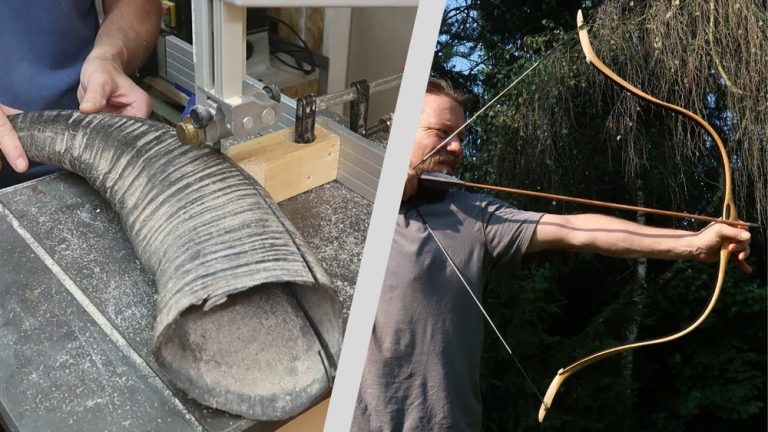
A composite bow is a type of bow made from more than one material. Traditionally, they combine wood, horn, and sinew. Modern versions often use fiberglass, carbon, and aluminum. The reason for using multiple materials is simple: it creates a bow that is strong, flexible, and lighter than a bow made from a single material.
What makes composite bows special is their power-to-size ratio. They can deliver more force from a shorter frame compared to simple wooden bows. Historically, they were favored by horse archers in Asia and the Middle East. Today, composite bows are popular in both traditional and modern archery because of their balance and performance.
Key Factors Affecting Composite Bow Prices
Many elements work together to set the price of a composite bow. If you want to know whether prices might increase, it helps to look at these factors.
1. Cost Of Materials
Modern composite bows often use advanced materials like carbon fiber, high-grade aluminum, and specialized woods. When the cost of these raw materials goes up, bow prices usually follow. For example, a rise in global carbon fiber prices can directly impact the price you see in stores, especially when imported to countries like India.
2. Manufacturing And Labor
Creating a composite bow is skill-intensive. Skilled labor is essential to achieve the right balance and durability. If wages rise or skilled workers become scarce, labor costs increase. This can make new bows more expensive, especially for brands that rely on handcrafting.
3. Import Duties And Taxes
Most high-end composite bows are made in Europe, the US, or East Asia. Importing these into India or other countries means paying customs duties, import taxes, and shipping costs. If government policies change, or if the Indian rupee weakens against the dollar, prices in Rs can jump sharply.
4. Supply Chain Issues
Global events, like the COVID-19 pandemic, wars, or shipping bottlenecks, can disrupt the supply of parts or finished bows. When supply is limited but demand stays the same or grows, prices almost always rise.
5. Brand And Model
Premium brands command higher prices due to their reputation and technology. Limited edition models, or those with special features, may cost more. Sometimes, older models drop in price as new versions are released, but not always.
6. Exchange Rates
If you’re buying a bow that’s priced in US dollars or euros, a drop in the value of the rupee means you pay more Rs for the same product, even if the foreign price stays unchanged.
Example: In 2026, the rupee weakened by about 8% against the dollar. If a bow cost $500, it went from roughly Rs 37,500 to Rs 40,500, without any change in the dollar price.
7. Demand And Trends
If archery grows more popular (for example, after Indian athletes win medals), demand can rise quickly. When more people want a product than there are bows available, sellers may raise prices.
Price Trends: Past And Present
To understand if composite bows might get more expensive, it helps to look at recent price movements and market patterns.
Recent Price Movements
In the last five years, composite bow prices in India have generally increased, with some periods of stability. Between 2018 and 2026, average prices for mid-range imported composite bows rose by about 15, 20%, based on market listings from major sporting goods retailers. The main causes were:
- Higher import duties (increased by 5% in 2026)
- Rising shipping costs during the pandemic
- A weaker rupee against the US dollar
Entry-level composite bows made domestically have seen smaller price increases, mainly because local manufacturing costs have not jumped as much.
Comparing Price Ranges
Below is a comparison of typical prices for composite bows in India over the last three years:
| Year | Entry-Level (Rs) | Mid-Range (Rs) | Premium Imported (Rs) |
|---|---|---|---|
| 2026 | 7,500, 12,000 | 18,000, 28,000 | 40,000, 80,000 |
| 2026 | 8,000, 13,000 | 20,000, 32,000 | 44,000, 90,000 |
| 2026 | 8,500, 14,500 | 22,000, 36,000 | 47,000, 98,000 |
These figures represent general trends and may differ by brand or model. Prices often jump after major international events or new government policies.
How Composite Bow Prices Compare To Other Types
To understand if composite bows are likely to go up in price more than other bows, let’s look at how they compare to recurve and longbows.
| Bow Type | Average Price Range (Rs) | Price Change (2026, 2026) | Import Dependency |
|---|---|---|---|
| Composite | 8,500, 98,000 | ↑ 15, 20% | High |
| Recurve | 6,000, 60,000 | ↑ 10, 14% | Medium |
| Longbow | 4,000, 30,000 | ↑ 6, 10% | Low |
Insight: Composite bows are more affected by global market changes and import costs than other types. This means their prices are more likely to rise sharply if there is a supply shock.
What Could Make Composite Bows More Expensive?
Understanding what could trigger a price rise helps you plan purchases and avoid surprises.
Fluctuating Material Costs
If the price of raw materials like carbon fiber, high-grade wood, and adhesives rises, manufacturers will pass those costs on to customers. For example, if oil prices increase, synthetic materials become more expensive to produce.
Changes In Import Policy
A small change in import duty (even 2, 3%) can mean a big jump in the final price for buyers in India, as the cost multiplies through the supply chain. If the government raises taxes on sporting goods, composite bows will likely cost more.
Weakening Rupee
If the rupee continues to weaken against the dollar or euro, expect imported bows to cost more Rs, even if prices in their home countries stay stable.
Supply Shortages
Shipping delays or global crises (like another pandemic or major conflict) can reduce the number of bows available. In my experience, local shops sometimes run out of stock for months, causing prices for remaining bows to climb.
Increased Popularity
If archery becomes a major trend or more schools and clubs add archery programs, demand will rise. With more buyers and limited supply, prices could increase quickly.
Technology And Features
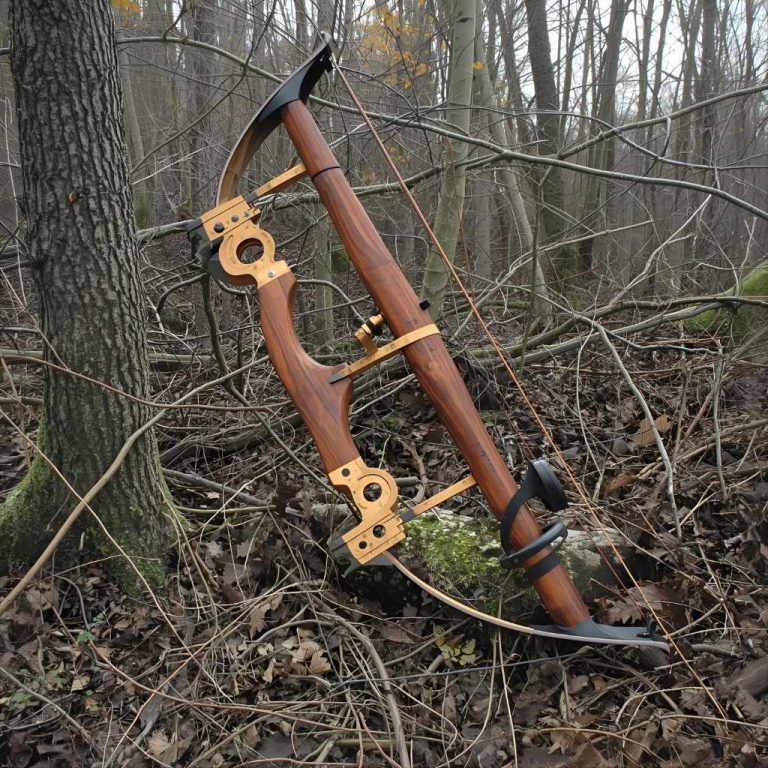
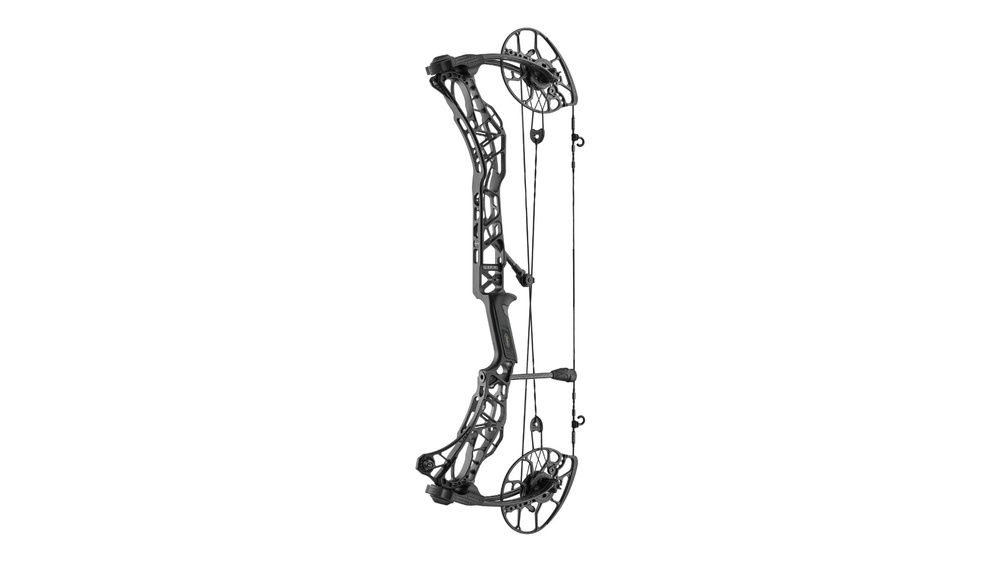
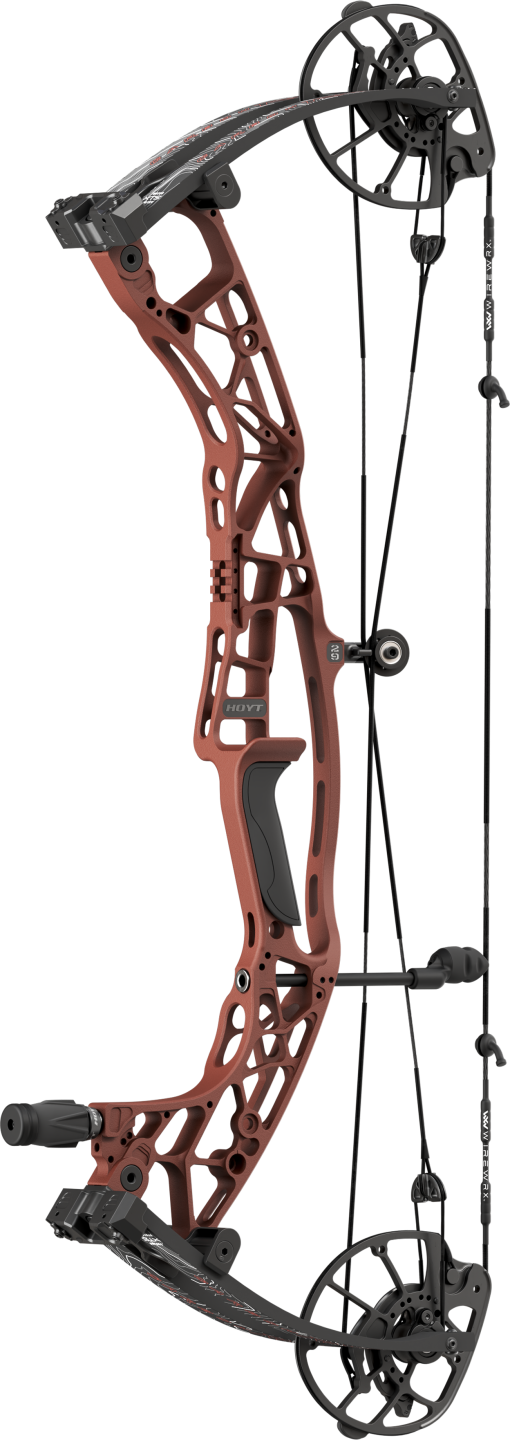
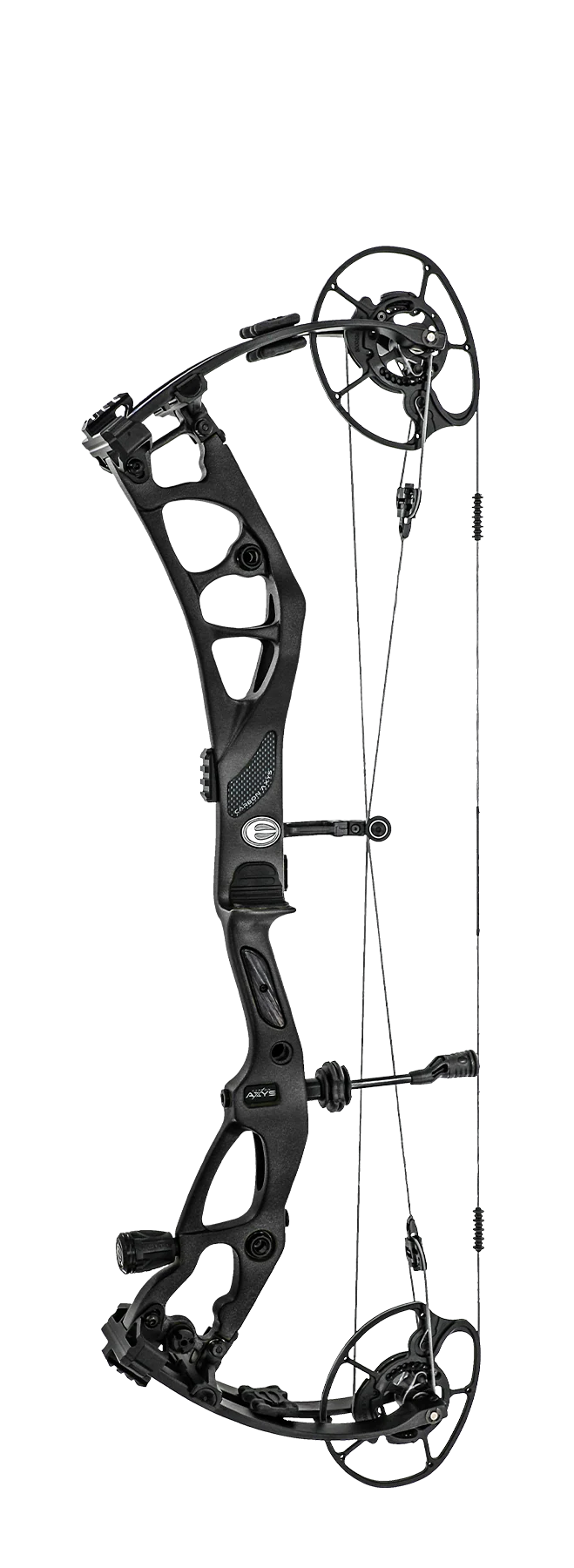
New features, like improved cams, lighter risers, or advanced sight systems, can push up prices. When top brands release new models, older versions might become cheaper, but flagship models often get more expensive each year.
Credit: www.podiumarcher.com
Could Prices Ever Go Down?
While many factors push prices up, some can bring them down or keep them stable.
Local Manufacturing
If more Indian companies begin to produce quality composite bows, prices could drop for local buyers. Domestic production avoids import duties and shipping costs, which make up a large part of the price.
Bulk Purchases By Clubs
If archery clubs or schools buy in bulk, they often get lower prices. This can help keep the average price from rising too fast, especially for entry-level and mid-range models.
Used Market
Second-hand composite bows are often much cheaper than new ones. As more people buy and sell used bows online, it becomes easier to find bargains.
Technology Becoming Cheaper
As manufacturing technology improves, some advanced features become standard, and older technology gets less expensive. This can push down the cost of mid-range and budget models.
Warning: Used bows can have hidden defects or wear. Always check for cracks, limb twist, or worn strings before buying second-hand.
How To Avoid Overpaying For A Composite Bow
Whether prices are rising or not, you can take steps to get the best value for your money.
1. Compare Prices From Multiple Sellers
Check several shops and online stores before buying. Prices can vary widely, especially for imported models.
2. Watch Exchange Rates
If you are buying from an international website, check the current exchange rate. A small change can add thousands of rupees to the price.
3. Buy Out Of Season
Demand peaks before major tournaments or during festival seasons. Buying during off-peak months can help you get a better deal.
4. Consider Last Year’s Models
When brands release new models, older ones often go on sale. The differences in performance are sometimes small, but the price drop can be large.
5. Negotiate, Especially For High-end Bows
Retailers may offer discounts on premium bows, especially if you are buying accessories or multiple items.
6. Join A Club Or Group Purchase
Archery clubs sometimes arrange bulk orders, getting members better prices than individuals can find.
7. Watch For Government Subsidies Or Sports Programs
Sometimes, government programs offer discounts or support for sports equipment. Check with local sports authorities to see if you qualify.
Credit: www.podiumarcher.com
Real-world Example: Buying A Composite Bow In India
Let’s say you want a mid-range imported composite bow. The listed price on a US website is $550. Here’s how the final price in Rs could break down:
| Component | Estimated Cost (Rs) |
|---|---|
| Base Price ($550 x 83 Rs/$) | 45,650 |
| Import Duty (10%) | 4,565 |
| Shipping | 2,000 |
| Retail Markup | 6,000 |
| Total | 58,215 |
Even if the base price remains the same, a change in the exchange rate or import duty can change the final price by thousands of rupees.
Non-obvious Insights Most Beginners Miss
Many newcomers to archery overlook some key points about pricing:
- Accessories Add Up: The bow itself is just the start. Arrows, sights, rests, and cases can add 20, 40% to your total cost. If these accessories are also imported, you face the same price pressures.
- Resale Value Matters: High-end composite bows from well-known brands tend to hold their value better. If you might upgrade later, consider a popular model so you can resell more easily.
- Local vs Imported Warranty: Imported bows may not come with a local warranty. If something breaks, repair costs can be very high, making a cheaper local model a better long-term value.
What Should You Do Now?
If you are thinking of buying a composite bow soon, here are steps to take:
- Monitor exchange rates and news on import duties. Even small changes can have a big effect.
- Check if local brands have released new models. You might find a similar quality bow at a lower price.
- Ask archery clubs for recommendations. They often know which sellers offer the best deals or have upcoming group buys.
- Don’t rush. If prices are rising quickly, avoid panic buying. Sometimes a new supply shipment or a currency rebound can bring prices back down.
Where To Find Reliable Price Data
To stay updated on bow prices, use these sources:
- Sporting goods retailers (both online and local shops)
- Archery clubs and federations (they often post price updates for members)
- Websites like Wikipedia for technical details and history

Credit: lancasterarchery.com
The Bottom Line: Will Composite Bows Go Up In Price Rs?
With all these factors in mind, are composite bows likely to get more expensive in India and other rupee markets? The answer is: very likely, but not guaranteed. If the rupee stays weak, import duties rise, or demand grows faster than supply, prices will almost certainly go up. However, if local manufacturing expands, or global supply chains recover, prices could stabilize or even drop for some models.
What matters most is being informed. Watch the trends, compare options, and don’t be afraid to ask experienced archers or shop owners for advice. In my experience, those who plan ahead almost always get a better deal, no matter what happens to prices.
Frequently Asked Questions
What Is The Difference Between A Composite Bow And A Compound Bow?
A composite bow is made from multiple materials (like wood, horn, and sinew, or modern synthetics) for improved flexibility and strength. A compound bow uses a system of pulleys and cables to make drawing easier and shooting more powerful. The two terms sound similar but describe very different technologies.
How Often Do Composite Bow Prices Change In India?
Prices can change several times a year, especially when there are shifts in the exchange rate, government policies, or after new models launch. It’s common to see small price adjustments every 3