Who Developed the Composite Bow Post Classical: Unveiling the Innovators
For thousands of years, the composite bow shaped the fate of empires and warriors. Its unique power and flexibility made it one of the most important weapons in history. But who developed the composite bow after the classical period? The answer is not simple. Multiple cultures shaped and improved the composite bow after the fall of ancient civilizations. From the Mongols of the Asian steppes to the Ottoman Turks, these developments influenced warfare, technology, and even art. Understanding who created, refined, and spread the composite bow after the classical age reveals a story of innovation, adaptation, and cultural exchange. Let’s explore how the composite bow traveled across continents, who developed it, and why it mattered for centuries.
The Roots Of The Composite Bow
The composite bow is made from layers of different materials, usually wood, horn, and sinew. This design makes it powerful and compact. Classical civilizations like the Scythians, Persians, and Huns already used composite bows before the medieval period. But the post-classical era (roughly 500, 1500 CE) saw new cultures take this technology further.
After the fall of Rome and the Han dynasty, the world entered a time of change. New societies rose, each bringing their own ideas to bow-making. The composite bow did not disappear. Instead, it became the main weapon in many regions, especially across Central Asia, the Middle East, and Eastern Europe.
Who Developed The Composite Bow Post-classical?
Several groups played key roles in developing the composite bow after the classical period. They did not just copy old designs, they improved them, adapted them to their needs, and spread them to new lands.
1. The Turks
The Turkic peoples of Central Asia were among the first to refine the composite bow after the classical age. Between the 6th and 10th centuries, Turkish tribes like the Göktürks and Uighurs were famous for their archery. They made bows that were shorter, more curved, and even more powerful. These bows could shoot arrows accurately from horseback, which was a big advantage in open steppe battles.
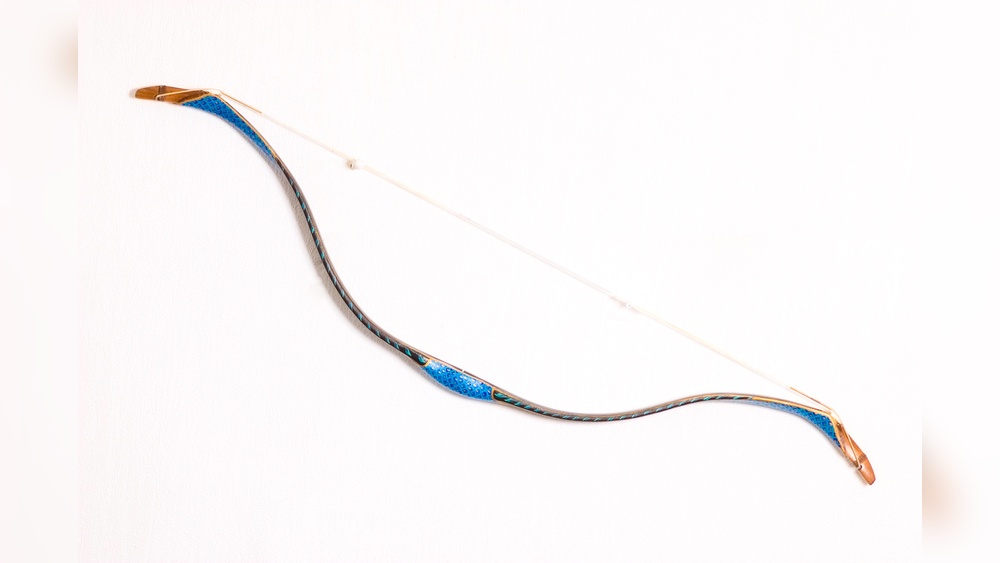
One change the Turks made was the “recurve” design. This means the bow’s limbs curve away from the archer when unstrung, storing more energy. The Turkish composite bow became the model for later designs in the Islamic world.
2. The Mongols
No discussion of the composite bow is complete without the Mongols. Led by Genghis Khan in the 13th century, the Mongols built the largest land empire in history. Their secret weapon was the Mongol composite bow. Unlike longer European bows, Mongol bows were short, light, and could be used easily on horseback.
The Mongols improved the bow’s materials, using ibex horn and special glues. They also made the tips of their bows more angular, called “Siyahs,” which helped with power and speed. Mongol archers could shoot from either side of the horse, firing quickly and accurately.
Example: During the Mongol invasion of Eastern Europe, their archers could shoot up to 300 meters, easily outranging many European longbows.
3. The Persians
The Persian Empire continued to use and develop the composite bow in the post-classical period, especially under the Seljuks and later the Safavids. Persian bowyers made bows with long, graceful curves and decorative designs. They valued both function and beauty.
Persian composite bows were famous for their smooth draw and strong power. These bows often featured in Persian poetry and art, showing their deep cultural importance.
4. The Arabs
After the rise of Islam, Arab armies adopted and spread the composite bow. They learned from their Persian and Turkic neighbors, then added their own touches. Arab bow-makers in cities like Damascus became known for their craftsmanship. In the hands of skilled archers, these bows played a key role in the early Islamic conquests.
The Arab composite bow was often lighter and easier to carry, well-suited for cavalry. Over time, it spread across North Africa, Spain, and even parts of India.
5. The Byzantines
The Byzantine Empire (Eastern Roman Empire) survived long after the Western Roman Empire fell. The Byzantines kept using composite bows, learning from their enemies and allies. Byzantine archers used the bow both on foot and horseback. They sometimes hired Turkish and other foreign bowmen to serve in their armies.
Byzantine bows combined Roman design with new influences from Asia. They were reliable and deadly, helping the empire survive for centuries.
6. The Hungarians
The Magyars (ancestors of modern Hungarians) migrated to Europe from the Eurasian steppes. They brought the composite bow with them and became famous for their horse archery. Hungarian bows were similar to Turkic models, short and sharply curved.
Hungarian horse archers raided across Europe in the 9th and 10th centuries, often surprising heavier-armed enemies. Their skill with the composite bow became legendary.
7. The Ottomans
Perhaps the most famous post-classical composite bow is the Ottoman Turkish bow. The Ottomans ruled much of Southeast Europe, the Middle East, and North Africa from the 14th to 20th centuries. Their composite bows were highly advanced, short, with extreme recurves, and very powerful.
Ottoman bowyers used careful crafting methods. The bows were made from maple wood, ox horn, and animal sinew, glued together with special fish glue. Ottoman archers set world records for distance shooting, some arrows flew over 800 meters.
Pro Tip: The Ottomans had special archery schools in Istanbul, where archers trained for years to master these powerful bows.
How The Composite Bow Changed Warfare
The composite bow was more than just a weapon. It changed how wars were fought.
Speed And Mobility
Because the composite bow was small and light, it was perfect for mounted archers. Armies could move quickly, attack, and retreat before enemies could respond. This was a big advantage over foot soldiers using heavier bows or crossbows.
Penetrating Power
The special construction of the composite bow gave it great power for its size. Arrows could pierce armor and shields at medium range. This made cavalry archers deadly against less mobile armies.
Psychological Impact
The sight of thousands of horse archers, all firing rapidly, could break enemy morale. Many battles were won before swords were even drawn.
Comparing Composite Bows: Post-classical Variations
Different cultures created unique versions of the composite bow. Here’s a look at some key differences:
| Culture | Bow Length | Materials | Design Features |
|---|---|---|---|
| Mongol | 90, 110 cm | Wood, horn, sinew, ibex horn | Short, strong, pronounced siyahs |
| Ottoman | 100, 110 cm | Maple, ox horn, animal sinew | Extreme recurves, light weight |
| Persian | 110, 120 cm | Wood, horn, sinew | Elegant curves, decorative |
| Hungarian | 100, 120 cm | Wood, horn, sinew | Deep curve, short limbs |
Key Innovations In Composite Bow Design
Recurve Shape
The “recurve” design lets the bow store more energy. When the bow is unstrung, the limbs curve away from the archer. This feature, perfected by Turkic and Mongol bowyers, gives the arrow more speed.
Laminated Structure
By layering horn (for compression), sinew (for tension), and wood (as the core), the bow becomes both flexible and strong. This design was improved by many cultures, with each choosing their preferred materials.
Advanced Glues
The glue used to hold the composite bow together was often made from fish or animal parts. This glue needed to be strong and flexible but also resist humidity. Ottomans and Mongols both developed special recipes that made their bows last longer.
Arrow Technology
Bows were only as good as their arrows. Innovations included:
- Different arrowheads for armor-piercing or hunting
- Lighter shafts for faster shooting
- Feather fletching for greater accuracy
The Art And Culture Of The Composite Bow
The composite bow was not just a tool of war. It became a symbol of skill, honor, and status.
Archery In Society
In many Islamic and Asian societies, archery was a respected art. Ottoman sultans and Persian shahs often practiced archery. Great archers were celebrated in poems and stories.
Bow-making As A Craft
Making a composite bow required years of training. Bowyers passed down their secrets from master to apprentice. In some cities, bowmakers had their own guilds and special workshops.
Example: In Istanbul, the Okmeydanı archery field was the center of Ottoman bow-making and training for centuries.
Bows In Art And Literature
The composite bow appears in many works of art, from Persian miniatures to Mongol carvings. It often stands for heroism, discipline, and spiritual strength.
Why The Composite Bow Was So Effective
The composite bow’s power came from more than just materials or design. It fit perfectly with the needs of fast-moving, horse-based armies.
Portability
Soldiers could carry the bow on their saddle, ready to use at any moment. It was easy to draw and shoot, even while riding a galloping horse.
Rapid Fire
Experienced archers could shoot several arrows in just a few seconds. This rate of fire was hard for crossbowmen or longbowmen to match.
Adaptability
The composite bow worked well in many climates, from the cold steppes of Mongolia to the hot deserts of Arabia. This made it valuable for many different armies.
Versatility In Battle
Composite bows could be used for:
- Skirmishing: Firing arrows from a distance, harassing the enemy
- Full-scale charges: Shooting while advancing on horseback
- Sieges: Firing from behind walls or into fortified positions
Decline Of The Composite Bow
Despite its long success, the composite bow eventually faded from the battlefield.
Rise Of Firearms
By the 16th and 17th centuries, gunpowder weapons became more common. Muskets and cannons could do more damage and required less training than archery. Armies slowly replaced bows with guns.
Changing Warfare
As battles involved bigger armies and more complex tactics, the need for skilled archers decreased. Cavalry itself became less important, replaced by massed infantry and artillery.
Survival In Sports And Tradition
Even after disappearing from war, the composite bow remained important in sport and tradition. In Turkey, Iran, and Mongolia, traditional archery is still practiced today.
Composite Bow Vs. Other Bows
How did the composite bow compare to other famous bows of history? Let’s see some key differences:
| Bow Type | Length | Draw Weight | Range | Main Users |
|---|---|---|---|---|
| Composite Bow | 90, 120 cm | 35, 160 lbs | 250, 500+ meters | Mongols, Turks, Persians |
| English Longbow | 180, 200 cm | 80, 180 lbs | 200, 300 meters | English, Welsh |
| Chinese Recurve Bow | 120, 140 cm | 40, 130 lbs | 200, 400 meters | Chinese dynasties |
| Japanese Yumi | 210, 240 cm | 30, 90 lbs | 100, 200 meters | Samurai, ashigaru |
Insight: The composite bow’s compact size made it perfect for mounted use, while the English longbow was better for foot soldiers and large open battles.
Common Misconceptions About The Composite Bow
Many people believe the composite bow was only used by Mongols or that it was always superior to all other bows. Both ideas are not fully accurate.
- The composite bow spread far beyond Mongolia, shaping armies from Hungary to Egypt.
- While powerful, the composite bow required careful maintenance. Humidity could damage the glue, which is why some European armies preferred the self bow or longbow.
What Beginners Often Miss
When I first started learning about historic archery, I underestimated two things:
- The time and skill needed to make a composite bow. Unlike a simple wooden bow, each composite bow took months to craft and needed regular maintenance.
- The importance of culture. Archery with the composite bow was not just about fighting. It was part of identity, religion, and even law, some societies required young men to train with the bow.
Legacy Of The Composite Bow
The story of the composite bow after the classical age is one of adaptation and innovation. From the steppes of Central Asia to the palaces of Istanbul, the composite bow helped shape the world’s history. It bridged cultures, inspired art, and influenced warfare for centuries.
Today, traditional composite bows are still made by skilled artisans. Archers around the world study old techniques and keep the legacy alive. Whether in sport or ceremony, the composite bow remains a symbol of human creativity and skill.
If you want to read more about the history and science of archery, check out this Wikipedia article on the composite bow.

Credit: www.usarchery.org
Frequently Asked Questions
What Makes A Composite Bow Different From A Regular Bow?
A composite bow is made from several materials, typically wood, horn, and sinew, glued together. This gives it more power and flexibility compared