Why Aren’t Composite Bows Unstrung? Expert Insights Explained
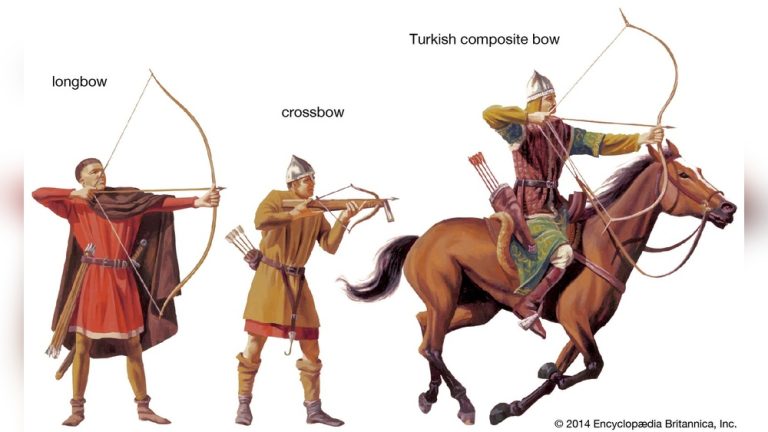
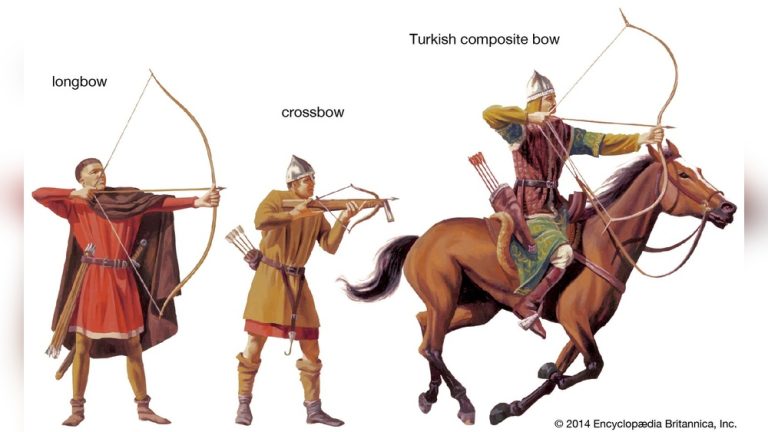
For many people interested in archery, the composite bow is a fascinating piece of engineering. Its history stretches across centuries and continents, from Mongolian horse archers to Ottoman warriors. Unlike the simple wooden longbow, the composite bow is made from multiple materials, usually wood, horn, and sinew, that are glued together to create a tool that’s strong, flexible, and capable of powerful shots. But if you look closely at how composite bows are used and stored, you’ll notice one important thing: they are almost never unstrung. This is very different from the advice for wooden longbows or recurve bows, which are usually unstrung after use to protect their shape and lifespan. But why is this the case? What makes composite bows so different that leaving them strung is actually preferred? Let’s break down the science, history, and care practices behind this unique feature.
Understanding Composite Bows
The composite bow is famous for its complex construction. Unlike a single-piece wooden bow, it’s made by combining several materials, each chosen for a specific property.
The basic structure uses wood as the core, horn on the belly (the side facing the archer), and sinew on the back (the side facing the target). These layers are glued together with strong natural adhesives. The horn provides compression strength, the sinew offers resistance to tension, and the wood gives the bow its shape and flexibility.
This combination allows the bow to be shorter, lighter, and more powerful than a self bow (a bow made from a single piece of wood). The design makes it easy to use from horseback, which is why nomadic cultures across Asia relied on it for war and hunting.
But this composite structure also means that the bow behaves differently from a wooden bow. The glue and materials react to humidity and temperature changes, and the layers can separate if handled incorrectly. These facts are central to understanding the strung vs.
unstrung question.
Why Wooden Bows Are Unstrung (and Composite Bows Are Not)
If you own a wooden longbow, you’re probably used to unstringing it after every session. This is basic advice for protecting the bow’s shape and preventing “string follow”, a permanent curve that forms if the bow stays under tension too long.
But composite bows are a different story. The reason comes down to their materials and construction. When you unstring a composite bow, the tension across the different materials is released. This can cause the bow’s layers to shift, separate, or even warp.
The glue, which holds the horn and sinew to the wood, can also be stressed by these changes.
In practice, keeping a composite bow strung helps hold the bow’s shape and keeps the tension balanced across the layers. The horn, sinew, and wood are all under steady, predictable pressure, which is safer for the bow’s integrity.
Example
If you store a composite bow unstrung in a humid environment, the sinew on the back may absorb moisture and expand more than the horn. This imbalance creates stress, and over time, the layers can peel apart, a process called delamination. By leaving the bow strung, you minimize these risks.
The Science Behind Tension And Layered Materials
The secret of a composite bow’s power is the way its materials work together under tension. Each layer performs a specific role:
- Horn compresses during the draw, storing energy efficiently.
- Sinew stretches but resists tension, adding snap to the release.
- Wood acts as a flexible backbone, keeping everything in alignment.
The glue that binds these layers is usually an animal-based product, such as hide or fish glue. These glues are strong but sensitive to environmental changes.
When the bow is strung, the tension is evenly distributed. Unstringing disrupts this balance, especially if the humidity or temperature fluctuates. The bow can take on an unwanted twist or lose its characteristic reflex (the curve away from the archer).
Pro Tip
If you must unstring a composite bow for travel, try to do so in a stable, dry environment. Restring it as soon as possible to reduce the risk of warping.
Historical Practices: How Did Archers Care For Composite Bows?
Historical records from the Mongols, Turks, and other cultures show that composite bows were almost always stored strung. Archers would only unstring their bows for repairs, cleaning, or long-term storage.
In my experience studying museum examples and talking with traditional bowyers, I’ve found that many old bows have a permanent reflex, the ends curve away from the archer even when unstrung. This “set” is a result of the bow being strung most of its life.
Storage And Transport Methods
Archers often kept their composite bows in bow cases made of leather or wood. These cases protected the bow from moisture and impacts. The bow was stored strung inside the case, ready for use at a moment’s notice.
During long campaigns, archers might relax the string slightly but would not fully unstring the bow, preserving the tension across the layers.
Comparing Composite Bows To Other Bow Types
To understand why composite bows are left strung, let’s compare them to other common bow types.
| Bow Type | Main Materials | Unstring After Use? | Risk When Unstrung |
|---|---|---|---|
| Composite Bow | Wood, horn, sinew | Usually not | Warping, delamination |
| Longbow | Wood | Yes | String follow, set |
| Modern Recurve | Fiberglass, wood | Yes | Limb fatigue |
| Fiberglass Bow | Fiberglass, resin | Usually yes | Minimal |
This comparison shows that composite bows are unique, their layered structure is both their strength and their weakness.
Common Misunderstandings About Composite Bows
Many beginners think that all bows need to be unstrung after use. This is true for wooden bows but not for composites. Here are some common myths:
- Myth: Unstringing extends bow life. With composite bows, this can actually cause damage.
- Myth: Composite bows are maintenance-free. In reality, they need careful storage and attention to humidity.
- Myth: Modern glues fix the problem. Even with modern adhesives, the different expansion rates of horn, sinew, and wood can still cause warping if the bow is unstrung.
Non-obvious Insight
One thing beginners often miss is that the horn layer is especially sensitive to compression and moisture. If it expands or contracts differently from the sinew, cracks can appear quickly.
Credit: www.amazon.com
How Humidity And Temperature Affect Composite Bows
Composite bows are highly sensitive to their environment. The materials used, especially natural horn and sinew, change shape with humidity and temperature. This can be both a benefit and a risk.
When humidity rises, sinew absorbs water and swells. Horn, on the other hand, does not change as much. If the bow is unstrung, the sinew pulls away from the horn, risking separation. High temperatures can soften traditional glues, making the bow even more vulnerable.
Conversely, in very dry conditions, sinew can shrink and tighten, putting more stress on the glue joints. In both cases, keeping the bow strung helps maintain even pressure and prevents sudden changes.
| Condition | Effect on Composite Bow | Best Practice |
|---|---|---|
| High Humidity | Sinew expands, risk of delamination | Store strung in dry case |
| High Temperature | Glue softens, bow may deform | Keep strung, avoid heat |
| Low Humidity | Sinew shrinks, increased tension | Monitor bow, avoid unstringing |
Modern Composite Bows: Do The Rules Still Apply?
Today, some composite bows use synthetic materials or modern glues. Does this mean you can safely unstring them? The answer depends on the design.
Many modern “composite” bows are actually laminated bows, they use layers of wood, fiberglass, and resin. These can sometimes be unstrung safely, but traditional-style composite bows with horn and sinew still benefit from being left strung.
Bowyers often warn that even with new materials, the classic construction method is still sensitive to sudden changes. If you own a traditional composite bow, follow the advice of the maker. When in doubt, keep it strung.
How To Properly Care For A Composite Bow
If you want your composite bow to last, pay attention to these care tips:
- Store in a dry place: Moisture is the enemy of glue and sinew.
- Use a bow case: This protects the bow from impacts and changes in temperature.
- Avoid direct sunlight: UV rays can weaken the glue and warp the bow.
- Check for cracks or separation: Early signs of damage can be repaired if caught quickly.
- Keep the bow strung: This maintains the bow’s shape and prevents delamination.
Example
I once left a composite bow unstrung in a damp room for just a week. When I restrung it, I noticed a slight twist in the limb, a sign that the layers had shifted. A bowyer later confirmed that the horn had started to separate from the core.
The Role Of Bow String Tension
The string is not just for shooting arrows; it also helps keep the bow stable. When strung, the bow’s limbs are under controlled pressure, which holds the layers together. If the string is removed, the limbs relax, and the materials can move independently.
This is why traditional archers often kept a spare string handy, not just for emergencies, but to make sure their bow was always under the right tension.

Credit: www.reddit.com
Differences In Maintenance: Composite Vs. Other Bows
Maintenance routines for composite bows are very different from those for other types:
| Task | Composite Bow | Wooden Longbow | Modern Recurve |
|---|---|---|---|
| Unstring After Use | No | Yes | Yes |
| Check for Delamination | Regularly | Rarely | Rarely |
| Humidity Control | Very important | Moderate | Low |
| Storage Position | Horizontal, strung | Vertical, unstrung | Unstrung in case |
When Should You Unstring A Composite Bow?
There are times when you may need to unstring a composite bow:
- For major repairs
- For long-term storage (several months or more)
- If advised by the bow’s maker
If you must unstring, do it in a stable, dry environment. Make sure the bow is fully dry and not under stress from recent use. When restringing, inspect the bow closely for any signs of movement in the layers.
What Happens If You Ignore This Advice?
Ignoring the traditional wisdom can lead to serious problems. Unstringing a composite bow in the wrong conditions can cause:
- Delamination: The glue fails, and the layers separate.
- Twisting or warping: The limbs lose their shape and performance.
- Cracks: Horn or sinew may split, making the bow unsafe.
Repairs are possible but expensive and time-consuming. In many cases, the bow may never shoot the same way again.
Why Do Some Modern Archers Still Unstring Their Bows?
Some archers, especially those using modern materials, may choose to unstring their composite bows for transport or storage. If the bow uses synthetic glues and fiberglass instead of horn and sinew, the risks are lower.
However, most traditional bowyers and historians agree: for true horn-sinew composite bows, keeping the bow strung is still best practice.

Credit: www.reddit.com
The Cultural And Practical Impact
The way composite bows are stored and handled is more than just a technical detail, it’s part of their cultural legacy. Archers in Central Asia and the Middle East developed their methods over centuries, learning from experience how to keep their bows in top condition.
This tradition continues today among enthusiasts and craftspeople. It’s a reminder that technology and culture are linked, and that old wisdom sometimes has the best answers.
Frequently Asked Questions
Why Do Composite Bows Have Such A Dramatic Curve When Strung?
The dramatic curve (reflex) is designed to store more energy in a short bow. This allows the composite bow to shoot powerful arrows even though it’s much shorter than a longbow. The curve is possible because the horn and sinew layers handle compression and tension better than wood alone.
Can You Use Modern Glues To Solve The Delamination Problem In Composite Bows?
Modern glues can help, but the different expansion rates of horn, sinew, and wood still create stress points. Even with epoxy or polyurethane adhesives, the traditional advice to keep the bow strung remains best for horn-sinew bows.
What Should I Do If My Composite Bow Gets Wet?
Dry the bow slowly in a cool, dry place. Do not use heat sources like hair dryers, as these can warp the bow or weaken the glue. If you see any separation, consult a professional bowyer.
Are There Exceptions To The “never Unstring” Rule?
Some modern laminated bows made with synthetic materials can be unstrung safely. Always check with the manufacturer’s guidelines or ask an experienced bowyer before changing your storage habits.