Why Are Yew Composite Bows So Expensive? Unveiling the Secrets
Yew composite bows have long stood as prized treasures among archers, collectors, and historians. Their high cost often surprises newcomers, who may wonder why these bows are so much more expensive than other types. The answer lies in a mix of history, craftsmanship, rare materials, and performance that is hard to match.
Understanding what makes a yew composite bow so special can help you appreciate why enthusiasts are willing to invest so much in owning one.
The Unique Legacy Of Yew Composite Bows
Yew composite bows are not just sports equipment, they are pieces of history. These bows trace back centuries and have played important roles in many cultures, especially in Europe and Asia. The famous English longbow, made mainly from yew, changed the course of battles like Agincourt.
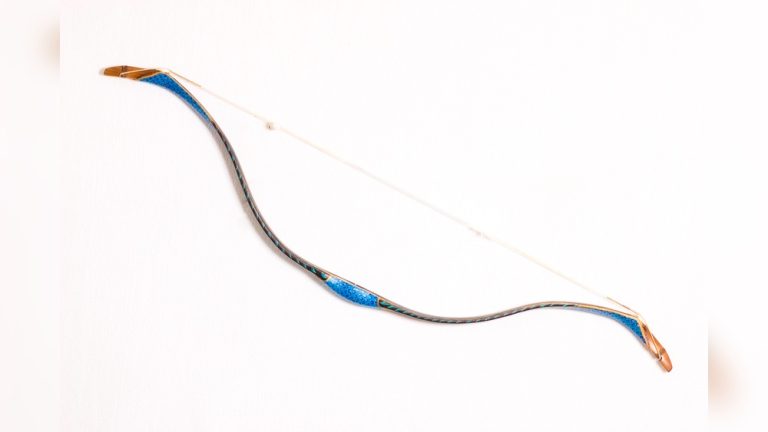
In Asia, composite bows built with yew, horn, and sinew were used by Mongol warriors who conquered vast territories.
The yew tree itself adds to this legacy. Yew wood has been a preferred material for bowyers (bow makers) for over a thousand years. The tree grows slowly and is rare in many regions. These factors have created a sense of mystery and value around yew bows, making them sought after by archers who value tradition.
Why Yew Wood Is So Special
The heart of a yew composite bow is, of course, the yew wood. Not all woods are suitable for high-performance bows. Yew stands out for several reasons:
- Elasticity and Strength: Yew wood combines a soft sapwood with a hard heartwood. This gives the bow both flexibility and power. The sapwood resists tension, while the heartwood handles compression.
- Lightweight: Despite its strength, yew is not heavy. This lets archers hold and aim for longer.
- Rare Growth Patterns: Only yew from certain climates (like the slow-growing yew in the UK or the Pacific Northwest) has the ideal density and grain needed for bows.
Finding the right yew tree is a challenge. Bowyers must search for trees with straight, knot-free wood and the right balance of sapwood and heartwood. This search alone adds to the cost.

Credit: gearjunkie.com
Crafting A Yew Composite Bow: A Demanding Art
Building a yew composite bow is much more than shaping a piece of wood. It’s a complex, time-consuming process that requires skill, patience, and experience. Here’s what goes into it:
- Material Selection: The best yew comes from trees that are decades, even centuries, old. Only a small part of the tree is usable.
- Seasoning: The wood must be carefully seasoned (dried) for up to three years to prevent warping or cracking.
- Lamination: A composite bow uses layers of yew, horn, and sinew. Each layer is chosen, prepared, and glued with natural adhesives.
- Shaping and Finishing: Bowyers use hand tools to shape the bow, test its bend, and adjust it for power and accuracy.
- Decoration: Many yew bows are finished with beautiful carvings or painted designs, adding to their value.
This process can take weeks or months. Mistakes can ruin the bow at any stage, so only skilled craftsmen succeed. The time and expertise required mean that each bow is an individual work of art.
Material Costs: More Than Just Wood
While yew is the core, a composite bow brings together several materials:
- Horn: Usually from water buffalo or cattle, horn provides extra power and resilience.
- Sinew: Animal tendons are dried, separated, and glued to the bow’s back for flexibility.
- Natural Adhesives: Traditional bows use glues made from animal hides or fish bladders, which are hard to produce and apply.
- Finishing Materials: Shellac, oils, and sometimes precious metals or stones are used to seal and decorate the bow.
Each material adds to the cost. High-quality horn and sinew are expensive and must be prepared by hand. Natural adhesives are labor-intensive to make and use. The use of these rare materials, combined with the time to prepare them, pushes prices higher.

Credit: runescape.wiki
Comparison: Yew Composite Bows Vs. Other Bows
To see why yew composite bows are so expensive, let’s compare them with other types:
| Bow Type | Main Material | Build Time | Average Price Range | Performance |
|---|---|---|---|---|
| Yew Composite Bow | Yew, horn, sinew | Weeks to months | Very high | Top-tier speed and power |
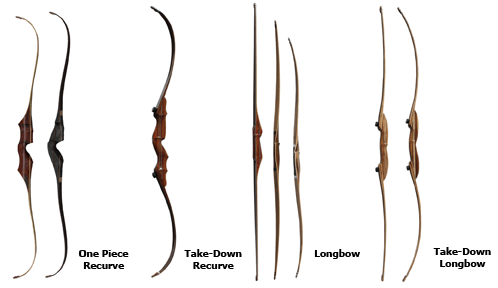
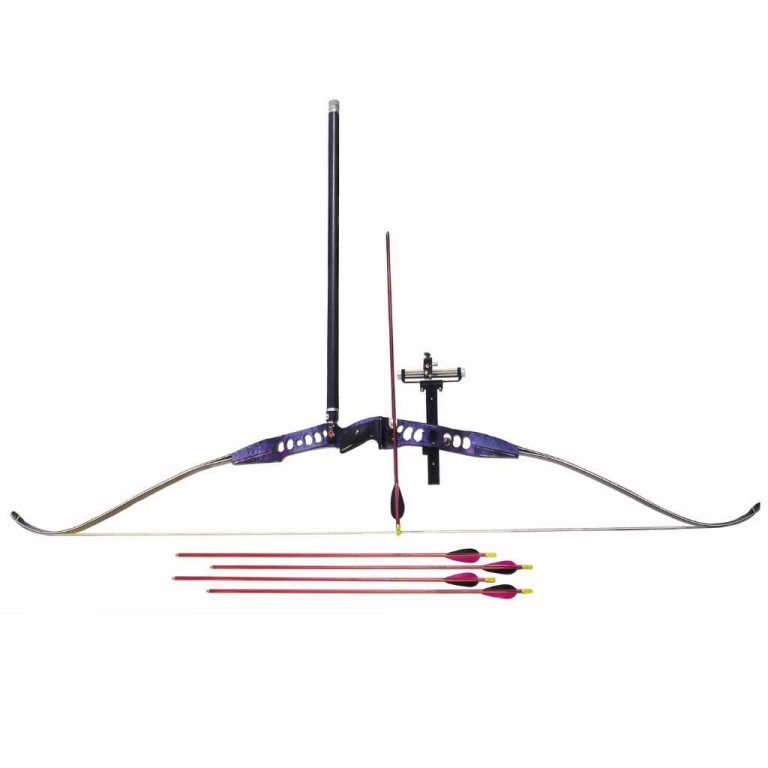
| Fiberglass Recurve | Fiberglass, wood | Days | Moderate | Good, consistent |
| Simple Wooden Longbow | Maple, oak, ash | Days to weeks | Moderate to high | Strong, but less efficient |
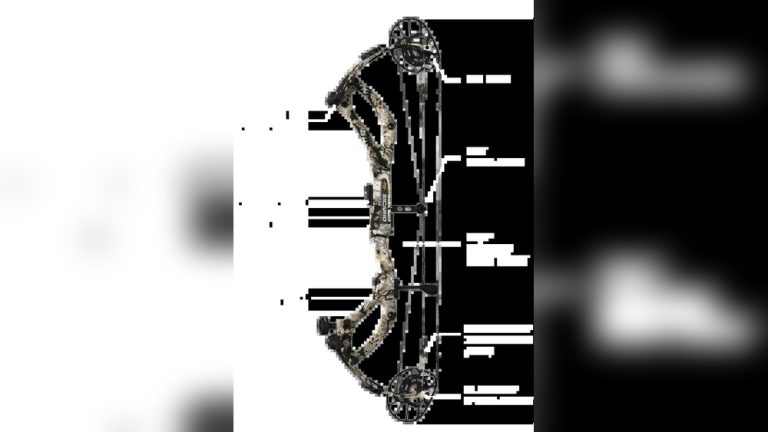
| Modern Compound | Aluminum, carbon fiber | Factory-made | Moderate to high | Very high (mechanical aid) |
Yew composite bows cost more due to the time, materials, and skill involved. While modern bows can be mass-produced, each yew composite bow is handcrafted.
The Role Of Handcraftsmanship
Machine-made bows are common today. However, a yew composite bow cannot be mass-produced. Each is the result of a skilled artisan’s work. This handcraftsmanship brings:
- Attention to Detail: Every curve, joint, and finish is checked by hand.
- Customization: Many bows are tailored to the archer’s body and shooting style.
- Unique Features: No two bows are exactly alike.
Testing a handmade yew composite bow reveals the difference clearly. The balance, feel, and shot quality were unlike any factory-made bow I’d used before. This level of quality is only possible through human skill, which drives up the price.
Yew Tree Scarcity And Harvesting Challenges
Yew trees are rare, slow-growing, and protected in many areas. Harvesting yew for bows is tightly controlled:
- Growth Rate: Yew trees can take 80-150 years to reach the size needed for bows.
- Legal Restrictions: In countries like the UK, wild yew is protected and can only be harvested under strict rules.
- Limited Supply: Most suitable yew comes from a few regions, creating competition among bowyers.
This scarcity means yew wood can cost much more than common woods. If the bowyer cannot find a good piece, the entire project can be delayed for months or years.
The Science Of Performance
Yew composite bows are not just beautiful, they are designed for top performance. Here’s what makes them stand out:
- Energy Storage: Yew’s combination of sapwood and heartwood stores more energy than most woods, transferring it efficiently to the arrow.
- Snap-Back Speed: The bow returns to its original shape quickly, sending arrows farther and faster.
- Durability: A well-made yew composite bow can last for generations with proper care.
These performance advantages make the bow valuable to serious archers and collectors. In competitions or historical reenactments, a yew composite bow is often the top choice for those who want authenticity and power.
Market Demand And Collector Value
Collectors and archery fans drive up the price of yew composite bows. Some reasons:
- Historical Significance: Bows made with traditional methods are in high demand.
- Limited Production: Only a few skilled bowyers make these bows each year.
- Aging and Provenance: Older bows or those made by famous craftsmen fetch even higher prices.
Some yew composite bows are seen as investment pieces. Their value can increase over time, especially if they are well-documented and maintained. For many buyers, owning such a bow is a point of pride.
Maintenance And Longevity
A yew composite bow is built to last, but maintaining it takes knowledge and care. Owners must:
- Protect from Moisture: Yew and sinew can be damaged by water.
- Store Properly: Bows must be kept in controlled conditions to avoid warping.
- Regular Inspections: Cracks or loose fittings must be fixed right away.
Pro Tip: A bow stringer should always be used when stringing a yew composite bow to prevent twisting or cracking. Neglecting this step can ruin the investment in seconds.
Proper care means that some yew bows survive for centuries. This longevity adds to their appeal, and their price.
Real-world Pricing Factors
While it’s hard to give an exact price, here’s what goes into the final cost:
| Cost Factor | Impact on Price | Notes |
|---|---|---|
| Yew Wood | High | Rare, difficult to source |
| Horn & Sinew | Moderate to High | Quality and preparation matter |
| Bowyer Skill | Very High | Expertise is essential |
| Handcrafting Time | High | Weeks or months of labor |
| Historical Value | Variable | For antique or famous bows |
| Import/Export Laws | Moderate | Shipping rare woods increases costs |
As you can see, each factor contributes to the high price. Even small changes in yew supply, demand, or legal rules can affect the market.
Common Myths About Yew Composite Bows
Many people think the cost is just about the wood. In reality, several myths exist:
1. Myth: “it’s Just Fancy Wood.”
The materials and craftsmanship are just as important as the yew itself.
2. Myth: “modern Materials Are Always Better.”
While carbon fiber and aluminum have benefits, they cannot match the unique feel and historical value of yew composite bows.
3. Myth: “a Yew Bow Is Only For Collectors.”
Serious archers still use yew bows for target shooting and traditional events.
4. Myth: “any Yew Tree Will Do.”
Only select yew trees with the right growth patterns are suitable.
Knowing these facts can help buyers make smarter choices and avoid disappointment.
Practical Tips For Buying A Yew Composite Bow
If you’re considering buying a yew composite bow, here’s what matters most:
- Check the Source: Ask where the yew came from. Is it legally and sustainably harvested?
- Meet the Bowyer: Buy directly from skilled craftsmen if possible. This ensures quality and authenticity.
- Inspect the Bow: Look for straight grain, smooth joints, and balanced limbs.
- Ask About Care: Get advice on maintaining the bow for years to come.
- Try Before You Buy: If possible, shoot a few arrows with the bow. The feel should be smooth, and the draw weight comfortable.
Ignoring these steps can lead to costly mistakes. Some buyers end up with fakes or low-quality bows that don’t perform as expected.
The Influence Of Archery Traditions
Cultural traditions keep the craft of yew composite bows alive. For example:
- In England, longbow societies hold competitions using yew bows.
- In Turkey and Korea, archers use composite bows in ceremonies and festivals.
- Museums and reenactment groups seek authentic yew bows for displays and events.
These traditions encourage bowyers to keep making high-quality yew composite bows. The demand from these groups helps support the craft, but also limits the number of bows available for casual buyers.
Environmental And Ethical Considerations
Modern buyers are more aware of sustainability. Here’s what to watch for:
- Sustainable Harvesting: Ask if the yew was cut under legal and ethical guidelines.
- Animal Welfare: Horn and sinew should be sourced from animals raised for meat, not just for bow materials.
- Non-toxic Finishes: Traditional oils and shellacs are safer for both the archer and the environment.
Buying from makers who follow these practices is not only ethical, it helps preserve the craft for future generations.
Yew Composite Bows In Popular Culture
Yew bows have appeared in movies, books, and video games. The “yew bow” is often used as a symbol of skill and power. For example:
- The English longbow in “Braveheart” and “Robin Hood” movies.
- Asian composite bows in films about Mongol or Turkish warriors.
- References in games like “The Witcher” and “Skyrim.”
This cultural presence increases interest in yew composite bows, which can push prices even higher.

Credit: fairbowusa.com
Yew Composite Bow Market: Global Trends
Interest in traditional archery is rising in the US, Europe, and Asia. As more people look for authentic equipment, demand for yew composite bows grows. However, supply remains limited because:
- Few bowyers have the skills to make these bows.
- Legal and environmental restrictions reduce available yew wood.
- The process cannot be rushed without sacrificing quality.
This balance of high demand and limited supply keeps prices high.
Frequently Asked Questions
Why Do Some Yew Bows Cost More Than Others, Even If They Look Similar?
The price of a yew composite bow depends on the quality of materials, the reputation of the bowyer, and the amount of handwork involved. Bows made by famous craftsmen or using exceptionally old yew can cost much more than those made with common materials or by less experienced makers. Small details like custom carvings, historical designs, or unique performance features also raise the price.
Are There Modern Alternatives That Perform Like Yew Composite Bows?
Yes, some modern materials such as carbon fiber and fiberglass can match or exceed the speed and power of a yew composite bow. However, they lack the historical feel and cultural value of traditional yew bows. For archers interested only in performance, modern recurve or compound