Is It Easier To Draw A Composite Bow: Effortless Guide
Yes, drawing a composite bow can feel significantly easier than drawing a traditional recurve or longbow of similar draw weight. This is primarily due to the mechanical advantage provided by the limbs and cams. Our guide will walk you through why, and what to expect, making your archery journey smoother.
GQT
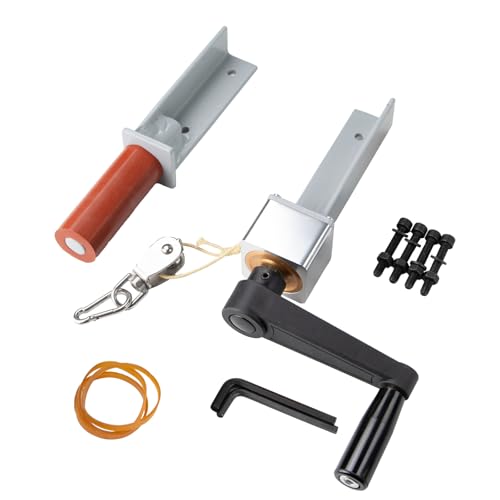
GQT Archery Draw Board for Compound Bow…
- 【PREMIUM MATERIAL】: The bow press for compound bows is made of high-strength steel, equipped with heavy-duty metal hooks and polye…
- 【ERGONOMIC DESIGN】: The bow press used for composite bows is equipped with a composite ergonomic crank handle, and the composite b…
- 【DURABLE & CORROSION RESISTANT】: Bow press for compound bows is made of high-quality metal and professionally galvanized for excel…
As an Amazon Associate I earn from qualifying purchases.
Ever felt like you’re wrestling with your bow instead of dancing with it? Many new archers wonder if certain bow designs make the draw smoother. You might be curious about composite bows and if they live up to the hype. Drawing a bow should feel controlled and powerful, not a battle of pure strength. We’re here to demystify composite bows and show you how drawing them can be a surprisingly effortless and enjoyable experience, especially for beginners.
Understanding Composite Bows: What Makes Them Different?
Before we dive into the “easier” part, let’s get to know what a composite bow actually is. The term “composite” in archery usually refers to modern compound bows. These aren’t your historical depictions of bows made from multiple materials like wood and horn glued together, though those are also historically “composite” in a different sense. When we talk about modern composite bows, we’re talking about the compound bow, a marvel of engineering designed to make drawing and holding easier while maximizing arrow speed and accuracy.
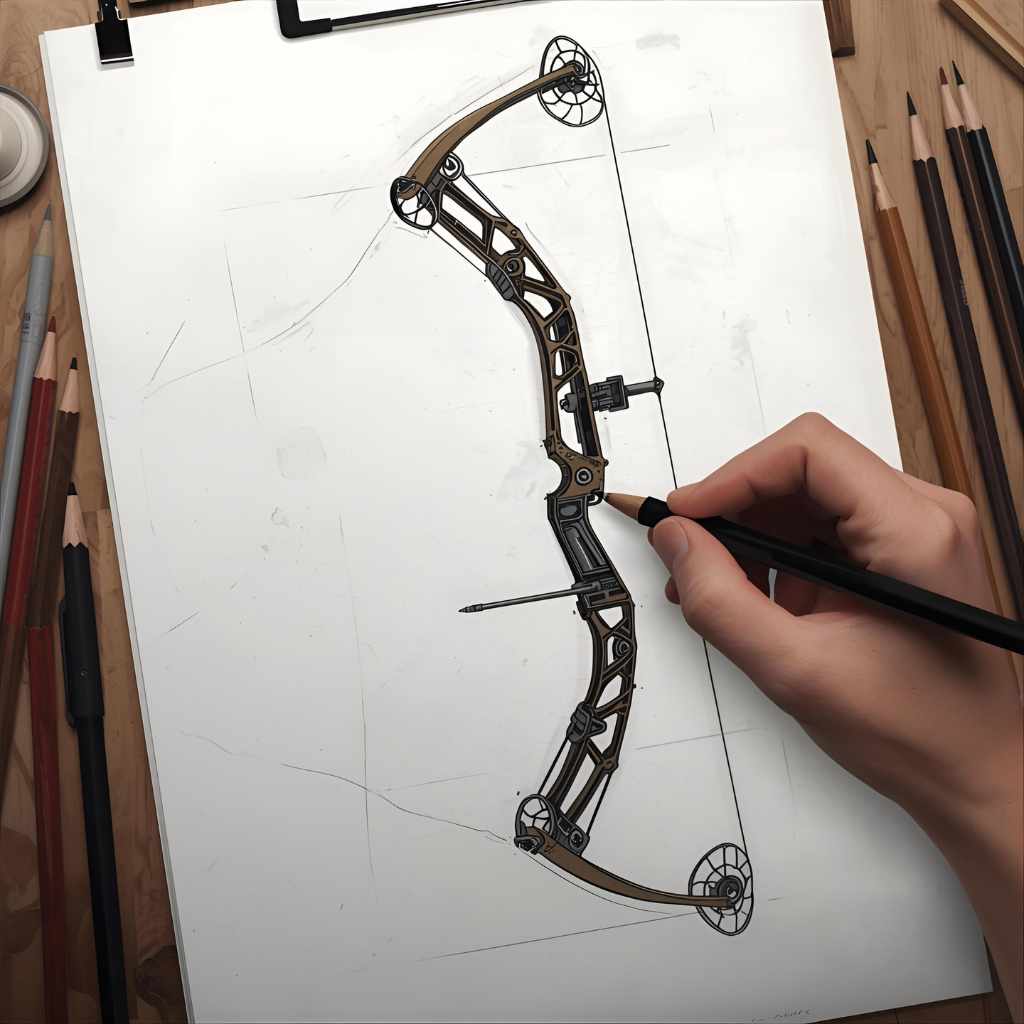
The magic of the compound bow lies in its system of cables, pulleys (called cams or wheels), and limbs. These components work together to create a mechanical advantage. This means that as you pull the string back, the cams rotate, and the resistance you feel doesn’t increase linearly. Instead, it typically (but not always) reaches a peak and then decreases, especially near the end of the draw cycle. This is a game-changer for archers.
The Role of Cams and Pulleys
The heart of the compound bow’s ease of draw lies in its cams. These are mounted at the ends of the bow’s limbs. They are typically not perfectly round; they often have an elliptical shape. When you start to pull the string, the cam begins to rotate. As it rotates, the point where the string is attached effectively moves closer to the pivot point of the cam. This is where the mechanical advantage comes in. The further the string is from the center of rotation, the more leverage you have. As the cam continues to turn, its shape guides the string in a way that reduces the force needed to continue drawing. This phenomenon is often referred to as a “let-off,” and it’s one of the key reasons why compound bows feel easier to draw.
Think of it like using tools. A lever makes it easier to lift a heavy object. The cams on a compound bow act like a complex lever system, allowing you to generate significant power without needing superhuman strength at the peak of the draw. The cables connect the cams, ensuring they work in sync. When one cam rotates forward, the other rotates backward, pulling the string along its path.
Is It Easier to Draw a Composite (Compound) Bow? The Mechanics Explained
So, to directly answer the question: Yes, in most cases, it is easier to draw a composite (compound) bow compared to a traditional recurve or longbow of the same draw weight. Let’s break down why this is the case.
Traditional bows (recurve and longbows) store energy by bending their limbs directly. The resistance you feel increases steadily as you draw the string back. The maximum force you need to exert is at the very end of the draw, just before you’re ready to release. If you can only comfortably draw 50 pounds of force, you’ll feel that 50 pounds of resistance at the peak of your draw. This can be challenging, especially for beginners or smaller-framed individuals.
Compound bows, with their cam systems, change this dynamic significantly. Here’s how:
- Reduced Peak Draw Weight: While you might need to pull a certain amount of force to get the string moving initially, the cams quickly begin to reduce the required effort. The peak draw weight you experience, especially at full draw, is much lower than the initial pull.
- Let-Off: This is the crucial feature. Most compound bows offer a “let-off” percentage, typically ranging from 65% to 90%. This means that at full draw, the average force you need to hold back is only 10% to 35% of the peak draw weight. For example, if a bow has a peak draw weight of 60 lbs and a 75% let-off, you might only need to hold about 15 lbs of force at full draw. This makes holding the bow at full draw much more manageable and allows for greater accuracy because you’re not fighting the draw weight as much.
- Smoother Draw Cycle: The transition from the initial pull to the peak and then to the let-off point is usually very smooth. This controlled draw cycle helps archers maintain consistent form, which is vital for accuracy.
- Holding Power: The ability to “sit” at full draw for a moment without significant fatigue allows archers to properly aim and make a precise shot. This is a stark contrast to traditional bows, where you often want to release the arrow almost immediately after reaching full draw to avoid muscle strain.
Comparing Draw Weight and Feel
It’s important to understand “draw weight” on a compound bow versus a traditional bow. A 50-pound compound bow will feel very different at full draw compared to literally pulling 50 pounds of force. For a traditional bow, 50 pounds means you must exert 50 pounds of force to draw it. For a compound bow with a 50-pound peak draw weight and 75% let-off, the holding weight at full draw is only 12.5 pounds (50 lbs 0.25 = 12.5 lbs). The initial pull to get to that point will be higher than 12.5 lbs, but the point where your muscles are stressed the most is significantly reduced.
This difference is why many archers, especially those who may have physical limitations or are just starting, find compound bows more accessible and less intimidating.
Components of Ease: What Contributes to a Smooth Draw?
Beyond the cams, several other factors contribute to the overall “easier” feel of drawing a composite bow:
- Bow Design and Geometry: Modern compound bows are engineered with specific riser lengths, limb angles, and cam synchronization in mind. This meticulous design ensures a balanced draw cycle and optimal energy transfer.
- Bowstring and Cables: The materials used for modern bowstrings and cables are incredibly strong and durable, yet often have low stretch. This contributes to a clean and precise release once the arrow is shot.
- Axle-to-Axle Length: Longer axle-to-axle (ATA) bows generally offer a more stable and comfortable draw cycle compared to shorter ATA bows. However, advancements in cam technology have made even shorter bows remarkably smooth to draw.
- Ergonomics: The grip on compound bows is designed for comfort and consistency, helping archers maintain a relaxed hand during the draw and hold.
Is It Always Easier? Potential Considerations
While generally easier, there are a few nuances to consider:
- Initial Pull: The initial pull to start the draw cycle on a compound bow can sometimes feel heavier than the first few inches of a traditional bow. This is because you’re overcoming static friction and getting the cams to rotate.
- Peak Draw Weight vs. Holding Weight: Beginners sometimes get confused by draw weight ratings. A bow might say “60 lbs draw weight,” which refers to the peak force, not the holding weight. It’s vital to understand the let-off percentage.
- Requires Accessories: Compound bows require more accessories to function and shoot safely, such as a release aid. This is different from traditional bows where you can often just nock an arrow and shoot (though accessories can improve traditional archery too).
- Tuning: Compound bows are mechanical devices that require precise tuning to perform their best. If a compound bow is out of tune, it can feel awkward or perform poorly.
The Role of a Release Aid
A significant factor contributing to the ease and accuracy of drawing a compound bow is the use of a mechanical release aid. Instead of drawing the string directly with your fingers, a release aid (like a thumb release or a hinge release) attaches to the string and is triggered by a small lever or mechanism. This:
- Eliminates Finger Pinch: Traditional archery using fingers can sometimes lead to “finger pinch” at full draw, where the string presses uncomfortably into your fingers, affecting consistency.
- Facilitates a Smoother Anchor: A release aid allows you to anchor more consistently and draw the bow more cleanly.
- Promotes a Surprise Release: The trigger mechanism of a release aid is designed to provide a surprise release, meaning you’re not consciously deciding when to let go. This helps prevent target panic and improves shot consistency.
- Works with Let-Off: Combined with the let-off of the cams, a release aid allows you to hold at full draw comfortably, select your aim point, and then trigger the shot smoothly.
You can explore various types of release aids at reputable archery retailers. Shops like Lancaster Archery Supply offer a wide selection and are a great resource for understanding their different functions.
How to Draw a Compound Bow Correctly and Safely
Drawing a compound bow safely and effectively is crucial. Here’s a step-by-step guide:
- Safety First: Ensure your bow is properly strung if you’re setting it up. Never dry-fire a bow (draw and release without an arrow), as this can severely damage the bow.
- Nock Your Arrow: Place an arrow on the arrow rest and ensure it’s securely nocked onto the string.
- Attach Release Aid: Connect your mechanical release aid to the d-loop (a small string tied onto the main bowstring).
- Begin the Draw: With the bow held comfortably, begin to pull the string back using your back tension. Your drawing arm should move forward smoothly, and your shoulder muscles should engage. Avoid pulling with only your arm muscles; think about drawing with your back.
- Engage the Cams: As you draw, you’ll feel the resistance increase. Continue drawing until the cams “roll over” and you reach the let-off point.
- Achieve Full Draw: Once the cams have rolled over, you’ll feel the resistance drop significantly. This is your full draw position.
- Anchor and Aim: Bring your drawing hand to your anchor point (a consistent spot on your face, often your jawline or cheek). While holding at full draw (which should feel much lighter due to let-off), aim at your target.
- Release: Once your aim is steady, actuate the trigger of your release aid. The release should be smooth and deliberate, not jerky.
- Follow Through: After the shot, maintain your form for a moment as if you were still holding the bow. This “follow-through” helps ensure a clean release and consistent shooting.
Common Mistakes to Avoid
Even with the ease of a compound bow, beginners can fall into common traps:
- Torquing the Grip: Holding the bow grip too tightly or inconsistently can cause the arrow to fly off course. Aim for a relaxed grip on the handle.
- Plucking the String: Releasing the string with your fingers or using a jerky trigger pull on your release aid disrupts the arrow’s flight.
- Dropping Your Bow Arm: Bending your drawing arm or letting your bow arm drop significantly during or after the shot introduces inconsistency.
- Not Using Back Tension: Relying solely on arm strength to draw and hold the bow leads to fatigue and shakiness. Engage your larger back muscles for a smoother, more powerful draw.
- Ignoring Let-Off: Trying to pull the full peak draw weight instead of letting the cams do their work is a common mistake that leads to unnecessary strain.
Benefits of a Compound Bow for Beginners
The ease of drawing is just one of many reasons compound bows are popular, especially for newcomers to archery:
| Benefit | Explanation |
|---|---|
| Reduced Physical Strain | The let-off system significantly reduces the holding weight, making it easier to hold the bow steady for aiming without tiring quickly. |
| Improved Accuracy | The stable hold, smoother draw cycle, and consistent release (often facilitated by a release aid) lead to tighter groups and better accuracy. |
| Forgiving Nature | Compound bows are generally more forgiving of minor errors in form compared to traditional bows, which helps build confidence. |
| Faster Arrow Speeds | The mechanical advantage allows compound bows to propel arrows at much higher speeds, resulting in a flatter trajectory and less need for archers to compensate for arrow drop at various distances. |
| Higher Draw Weights Achievable | Archers who might struggle with a 50 lb recurve could comfortably shoot a 70 lb compound bow due to the let-off. This allows for greater power and range. |
| Confidence Building | The combination of ease, accuracy, and speed helps beginners feel successful early on, encouraging continued practice and skill development. |
Tips for Transitioning to a Compound Bow
If you’re accustomed to traditional archery or are entirely new, here are some tips for getting started with a compound bow:
- Get Professionally Fitted: Visit a reputable archery shop. An experienced technician can help you choose a bow with the correct draw weight, draw length, and cam system for your physical build and goals. The USA Archery website can help you find local clubs and shops.
- Start Conservatively: Don’t go for the heaviest draw weight you can find. Choose a weight that you can draw and hold comfortably for several seconds with good form. You can always increase it later. Remember that a 50lb compound bow does not feel like 50lbs of holding weight.
- Practice with a Release Aid: Get comfortable with your release aid. Learn how to attach it, trigger it smoothly, and ensure it fits your hand well.
- Focus on Form: Even with a forgiving bow, proper form is paramount. Pay attention to your stance, grip, draw cycle, anchor, and follow-through.
- Learn About Tuning: Understand that compound bows might need occasional tuning. Minor adjustments can make a big difference in arrow flight and accuracy.
- Consider Lessons: Taking lessons from a certified instructor can accelerate your learning curve and ensure you develop good habits from the start.
FAQ: Your Composite Bow Questions Answered
Q1: Can a beginner really draw a compound bow easily?
A1: Yes, for most beginners, a compound bow is designed to be easier to draw and hold than a traditional bow of the same stated draw weight. The cam system provides a mechanical advantage, significantly reducing the holding weight at full draw, which is typically the hardest part of drawing a traditional bow.
Q2: What is “let-off” on a compound bow?
A2: Let-off is the percentage of the peak draw weight that is reduced once the bow is drawn to its maximum point. For example, a bow with 75% let-off means that if its peak draw weight is 60 lbs, you will only need to hold about 15 lbs of force at full draw, making it much easier to maintain a steady aim.
Q3: Do I need a release aid to shoot a compound bow?
A3: While technically you can* shoot a compound bow with your fingers, it is strongly recommended for beginners (and most experienced archers) to use a mechanical release aid. It provides a smoother draw and release, greatly improves accuracy, and is essential for efficiently utilizing the bow’s let-off.
Q4: How do I know the right draw weight for me on a compound bow?
A4: It’s not just about the number. A good archery shop technician can help you select a draw weight where you can comfortably draw the bow, achieve full draw, hold it steady for several seconds, and release without significant strain or shaking. It’s better to start lower and build strength and confidence.
Q5: Is a compound bow easier to aim than a recurve?
A5: Many archers find compound bows easier to aim due to the stable hold they can maintain at full draw thanks to the let-off. Additionally, most compound bows are equipped with sights, which are precision aiming devices that make it easier to hit the target consistently, whereas many traditional archers shoot instinctively or with very simple sights.
Related pick: Check today's price on Amazon