Bow vs Composite Bow: Traditional vs Layered Design
Note: “composite” and “compound” bows are different things. A composite bow is a traditional laminate design (wood, horn, and sinew layered together), while a compound bow is a modern design using cams and pulleys. This article compares a simple traditional bow to a composite bow — both hand-drawn, pre-modern designs.
Origins And History
Bows are ancient tools. People have used them for thousands of years. Early bows were simple. Just a stick and a string. They were made from wood. People used them for hunting and war. The composite bow came later. It is more advanced.
Made from different materials. Wood, horn, and sinew. This made it stronger. (See what composite bows are made of for the full material breakdown.) It could shoot arrows faster and further. Warriors loved the composite bow. It helped them in battles. Both bows have rich histories. They tell stories of old times. They show human creativity.

Credit: odinsonarchery.com
Design Differences
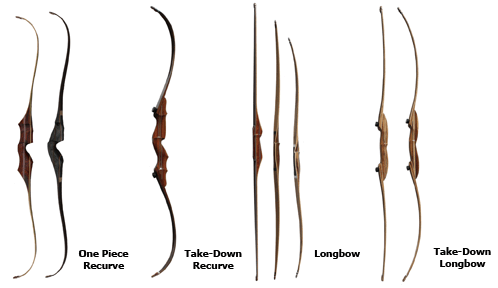
Explore the contrasting designs of bows. The traditional bow boasts a simple, curved structure. The composite bow, meanwhile, features layered materials for enhanced strength and flexibility. Each design serves distinct purposes in archery, highlighting unique advantages.
Materials Used
The bow is often made from a single type of wood. Traditional materials include yew, maple, or oak. These woods provide strength and flexibility. Composite bows use many materials. They include wood, horn, and sinew. This mix makes composite bows strong and durable. Each material serves a purpose. Wood gives shape. Horn adds power. Sinew offers elasticity.
Construction Techniques
Bows are usually carved from a single piece of wood. The process is simple but requires skill. Composite bows are crafted using layers. Each layer is glued together. Precision is key. Craftsmen must balance the materials. They must ensure a smooth curve. This technique creates a bow that is powerful and resilient.
Best Pick to Try This Style
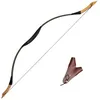
54in Traditional Recurve Horsebow, 20-50lb
A modern recurve horsebow that echoes the composite-bow tradition this guide describes, without needing a museum reproduction’s price tag.
- Best for: trying a composite-style bow’s feel at a modern price point
- Why we picked it: 20-50lb adjustable range, similar profile to historical horsebows
- Main drawback: not a true wood/horn/sinew composite, a modern equivalent
Compare more options
 Option 1 Hungarian Style Handmade Longbow/Horsebow, 35lb
|  Option 2 Ringsun Leather Archery Finger Tab
|  Option 3 SAS Traditional Leather Arm Guard
|
As an Amazon Associate we earn from qualifying purchases.
Performance Comparison
The bow has a simple design. It usually has a good range. But the composite bow often shoots further. It uses mixed materials. This makes it more powerful. Speed is important too. The composite bow can shoot arrows faster. This is helpful in many situations.
Accuracy is key in archery. The bow is easy to aim with. It is a good choice for beginners. The composite bow is different. It takes time to master its accuracy. This bow is for experienced archers. They find its precision rewarding. Practice makes perfect with both bows.
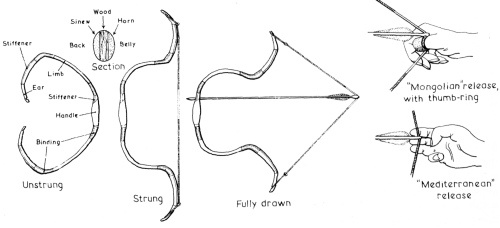
Credit: silkroadbows.com
Durability And Maintenance
A regular bow is often made of wood. It can last a long time if taken care of. Wood bows need to be kept dry. Too much water can damage them. Composite bows are different. They are made of wood, horn, and sinew. These materials make them strong. But, they need special care. They should not get too hot or wet. This can cause damage.
Regular bows are easier to fix. You can replace parts if they break. Composite bows are harder to fix. They need a skilled person for repairs. Check your bow often. Look for cracks or wear. Clean it after use. This helps it last longer.
Cultural Significance
Bows have been used for a very long time. They were important in many ancient cultures. People used them to hunt and in wars. Different groups made different types of bows. Some made simple longbows, while others made complex composite bows. These bows were made from wood, horn, and sinew. Each type had its own benefits. Bows were important in stories and legends too.
Today, bows are still popular. People use them in sports like archery. Archery is a fun and challenging sport. Many people also use bows for hunting. Some like traditional bows, while others prefer modern composite bows. Modern bows are often more durable and efficient. They are made with new materials. This makes them strong and light. Many people enjoy archery competitions. These events bring people together.
Choosing The Right Bow
Beginner archers may find a simple bow easier to use. They are light and easy to handle. Composite bows can be harder for new users. These bows need more skill and practice. Experienced archers might enjoy the challenge. They can handle the power of a composite bow.
For casual archery, a regular bow is a good choice. It is great for learning and having fun. Composite bows are ideal for hunting or competitive shooting. They offer more power and accuracy. The bow you choose depends on your goal. Always pick a bow that fits your needs.

Credit: odinsonarchery.com
Frequently Asked Questions
What Are The Main Differences Between Bow And Composite Bow?
The main differences lie in materials and construction. A traditional bow is made from a single piece of wood. A composite bow is crafted from multiple materials like wood, horn, and sinew, offering more power and flexibility. Composite bows are typically more durable and efficient in performance.
Which Is More Powerful: Bow Or Composite Bow?
A composite bow is generally more powerful than a traditional bow. Its multi-material construction allows for greater flexibility and strength. This results in higher speed and impact. Traditional bows, while effective, don’t match the performance efficiency of composite bows in most cases.
How Does The Construction Affect Bow Performance?
Construction directly impacts a bow’s performance. A traditional bow’s single-material build limits its power and flexibility. Composite bows, with their layered materials, provide enhanced strength and elasticity. This leads to better power, speed, and accuracy, making them superior for various shooting needs.
Is A Composite Bow More Expensive Than A Traditional Bow?
Yes, composite bows are usually more expensive than traditional bows. The cost reflects the complexity and materials used in construction. High-quality composite materials like horn and sinew add to the price. Traditional bows are simpler, making them generally more affordable for most archers.
Conclusion
Choosing between a bow and composite bow depends on your needs. Bows are simple and reliable. Composite bows offer more power and speed. Consider your skill level and purpose. Traditional bows suit beginners well. Composite bows are great for skilled archers.
Think about the materials and cost. Both have unique features and advantages. Try different options to find your fit. Practice and enjoy your archery journey. Remember, both can enhance your skills. Archery is about precision and fun. Choose wisely and improve your aim.