What’S a Good Core Wood for a Composite Bow? Expert Guide
Choosing the right core wood for a composite bow is a decision that can define the bow’s performance, durability, and character. For archers, bowyers, and enthusiasts, the wood inside the bow is more than just a hidden layer, it’s the heart of the weapon. This core must handle stress, store energy, and return to shape again and again. But not every wood is up to the task. Some are too brittle, others too heavy, and a few are perfect if you know what to look for.
If you’re thinking about building a composite bow, or simply want to understand why certain bows shoot better than others, it’s important to know what makes a good core wood. There’s science, tradition, and a touch of art behind each choice. Let’s explore which woods stand out, why they work, and how to avoid common mistakes, so you can make confident decisions, whether you’re a beginner or a seasoned bowyer.
What Is A Composite Bow Core?
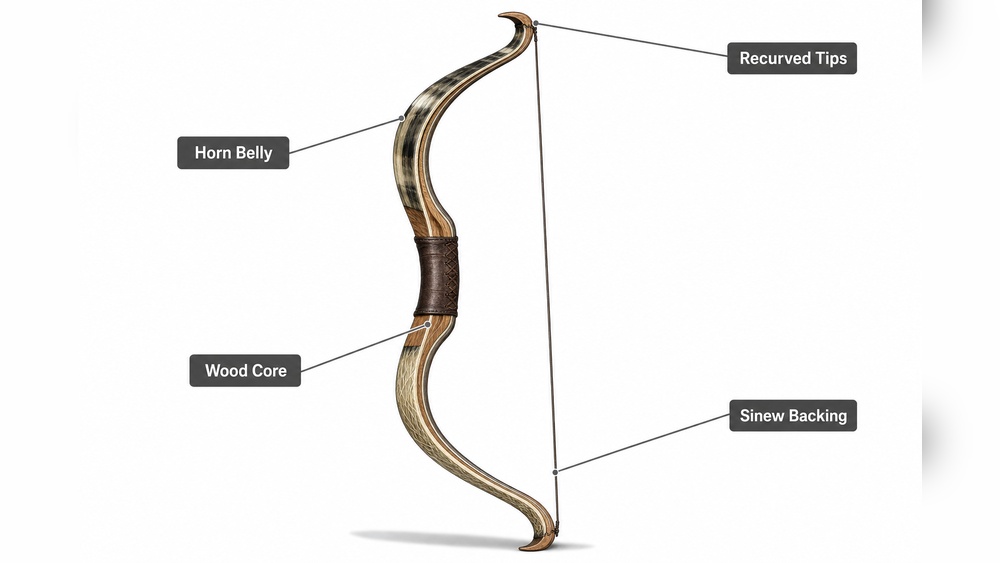
A composite bow is made by combining several materials, each with a specific job. The core is the wooden center, sandwiched between layers like horn on the belly (the side facing the archer) and sinew on the back (the side facing the target). The core shapes the bow’s profile and manages most of the tension and compression when you draw and release the string.
Unlike simple self-bows (made from a single piece of wood), composite bows rely on the unique properties of different materials. The core wood must be strong, flexible, and stable, offering a foundation for the other materials to perform their roles.
Key Qualities Of Good Core Wood
Not all wood works for a composite bow. Here’s what matters most:
- Elasticity: The core must flex but not break. This property is often called resilience.
- Weight: Lighter woods are better for fast arrows, but too light and the bow loses strength.
- Consistency: Even, straight grain reduces weak points and ensures predictable performance.
- Stability: The wood should resist warping from humidity or temperature changes.
- Workability: Some woods are hard to shape or glue, which can cause problems during bow making.
When choosing wood for your bow core, balancing these qualities is more important than focusing on just one. For example, a very elastic wood might be too heavy, slowing arrow speed. A super-light wood might crack easily.
Traditional Core Woods: What History Teaches Us
Composite bows have a long history, especially in Central Asia, the Middle East, and Eastern Europe. Bowyers in these regions selected woods based on local availability and centuries of trial and error.
Maple
Maple is one of the most widely used core woods for composite bows, especially in modern builds. It offers a balance of strength, flexibility, and weight. Maple’s grain is usually straight and fine, which makes it predictable under stress. Many top-performing bows today use hard maple as the core, especially when paired with modern adhesives and laminates.
Mulberry
In traditional Turkish and Persian bows, mulberry was a common choice. It’s light and elastic, and it glues well with horn and sinew. Mulberry is less available in North America and Europe, but where it grows, it remains a classic pick for traditionalists.
Ash
Ash has been used in both Eastern and Western bows. It’s strong, with good shock resistance, and can handle high draw weights. Ash cores are often found in larger, longer bows, where their resilience really shines.
Poplar
Poplar is another light, flexible core wood. It’s easy to shape and work with, though it’s softer than maple or ash. For bows that won’t see heavy use, or for beginners, poplar can be a forgiving material.
Bamboo
Although technically a grass, bamboo acts as a wood in bow cores. It’s extremely strong for its weight, flexible, and has a natural spring. In East Asian bows, especially Japanese and Korean styles, bamboo is often the top choice, sometimes laminated in thin strips.
Comparing Popular Core Woods
To make the differences clearer, here’s a side-by-side look at how popular core woods stack up in composite bow making:
| Wood Type | Elasticity | Weight | Workability | Common Use |
|---|---|---|---|---|
| Maple | High | Medium | Good | Modern, Traditional |
| Mulberry | High | Low | Fair | Traditional Turkish/Persian |
| Ash | Medium | Medium-High | Good | Eastern/Western |
| Poplar | Medium | Low | Excellent | Beginner/Light Duty |
| Bamboo | Very High | Very Low | Fair | East Asian |
Modern Alternatives And Engineered Woods
With advances in technology, bowyers have access to materials that traditional craftsmen never dreamed of. These options can sometimes outperform natural wood in specific areas.
Laminated Wood
Laminated wood is made by gluing thin strips of wood together, often with grains oriented in different directions. This can make a core stronger, more stable, and less likely to warp. Many high-end composite bows use laminated maple or bamboo for this reason.
Synthetic Cores
Some modern bows use synthetic materials like fiberglass, carbon, or foam for the core. While these are not traditional woods, they sometimes appear in hybrid bows for added performance or weight reduction. However, most traditionalists prefer the feel and behavior of natural woods.
Engineered Bamboo
Engineered or “power-lam” bamboo combines thin bamboo veneers with special adhesives. The result is a core that’s both springy and incredibly strong for its weight, perfect for fast, light bows.
How Core Wood Affects Bow Performance
The core is not just a passive layer, it actively shapes how a bow feels and shoots.
- Draw weight: Heavier, stiffer woods raise the draw weight, while lighter, more flexible woods reduce it.
- Arrow speed: Lighter core woods (like bamboo) tend to make faster bows, since they store and return energy efficiently.
- Hand shock: Softer, more elastic woods can absorb vibration, making the bow feel smoother.
- Longevity: Stable, strong woods resist cracking and warping, which extends the bow’s life.
Example: When I tested bows with maple versus bamboo cores, the bamboo bows shot noticeably faster arrows with a lighter feel in the hand. However, the maple core provided a steadier draw and slightly more durability over time.
Common Mistakes When Selecting Core Wood
Choosing the wrong core wood can ruin a bow before it’s even finished. Here are mistakes to avoid:
- Ignoring grain direction: Always select wood with straight, even grain running the length of the core. Twisted or uneven grain is a weak spot.
- Choosing overly dry or wet wood: Wood that’s too dry can crack; too wet will shrink and warp later.
- Picking wood with knots or defects: Even small flaws can cause the bow to fail under tension.
- Overvaluing hardness: Harder doesn’t always mean better. Some hardwoods (like oak) are too stiff and brittle for bow cores.
- Not matching wood to bow style: Some woods suit short, reflexed bows; others work better in long, gentle curves.
Sourcing And Preparing Core Wood
Finding the right wood is only part of the process. Preparation is just as important.
- Seasoning: Let fresh wood dry slowly to the right moisture content (usually 8-12% for bow making). Rushing this step can ruin the wood.
- Cutting: Use quarter-sawn wood for maximum strength along the grain.
- Storage: Keep core wood in a stable, dry place before working it.
Pro Tip: Always test a small piece of your chosen wood by bending it. If it creaks, cracks, or feels spongy, it’s not suitable for a bow core.

Credit: exarc.net
How Bow Design Influences Core Wood Choice
Not every bow style demands the same core. The design often dictates which wood is best.
Short, Highly-reflexed Bows
Bows with sharp curves or “reflex” shapes, like Mongolian or Turkish bows, need a very flexible, light core. Bamboo and mulberry are top choices here, as they can handle tight bends without breaking.
Long, Flat Bows
Longer bows, like those from Hungary or Scythian designs, can use heavier woods like ash or maple. Their length spreads out the stress, so the wood doesn’t need to be quite as elastic.
Modern Target Bows
For Olympic-style or target bows, consistency is everything. Laminated maple or engineered bamboo cores are popular because they provide reliable, repeatable performance.
Core Wood And Bowyer Skill Level
Your experience as a bowyer should also guide your wood choice.
- Beginners: Poplar or ash are easier to work, forgiving of small mistakes, and less expensive.
- Intermediate: Maple and bamboo require more careful shaping and gluing, but reward you with better performance.
- Advanced: Mulberry or custom laminates demand precision and experience, but deliver unique shooting qualities.

Credit: www.youtube.com
Environmental Impact And Sustainability
As awareness of environmental issues grows, it’s worth considering the sustainability of your chosen core wood.
- Bamboo: Grows quickly, making it a renewable resource.
- Maple and Ash: Widely available but check for responsible sourcing.
- Exotic woods: Some, like mulberry, are rare outside their home regions. Avoid over-harvesting or illegal logging.
For more on sustainable wood sourcing, the Forest Stewardship Council offers guidelines and certifications.
Data On Core Wood Performance
While much of bow making is craft, some data helps compare woods. Here’s how different core woods stack up on common measures for composite bows:
| Wood | Typical Modulus of Elasticity (GPa) | Average Density (kg/m³) | Suitability for Composite Bows |
|---|---|---|---|
| Maple | 12.6 | 705 | Excellent |
| Mulberry | 9.3 | 560 | Very Good |
| Ash | 12.0 | 670 | Good |
| Poplar | 10.3 | 450 | Fair |
| Bamboo | 12.0 | 350 | Excellent |
*Note: GPa = Gigapascals, a measure of stiffness. Data compiled from woodworking databases and bow making references.*
Tips For Testing And Evaluating Core Wood
Before you commit to a whole bow, test your chosen wood with small samples:
- Flex Test: Cut a thin strip and bend it slowly. Good wood bends smoothly without cracking.
- Weight Test: Compare the weight to other woods of the same size. If it feels heavy, expect a slower bow.
- Adhesion Test: Glue a small piece with your chosen adhesive. If it bonds well and doesn’t delaminate, it’s a good sign.
Pro Tip: Sometimes, two woods with similar numbers feel very different in the hand. Always trust your own tests and experience over charts.
Maintenance And Care Of Composite Bow Cores
Even the best wood needs care to last:
- Avoid moisture: Water can weaken glue joints and warp the core.
- Store properly: Keep bows in a cool, dry place, away from direct sunlight or heat.
- Inspect regularly: Check for cracks or signs of delamination, especially after heavy use.
A well-made core, cared for properly, can last for decades.
Frequently Asked Questions
What Makes A Wood Species Unsuitable For Composite Bow Cores?
Some woods are too brittle, heavy, or have inconsistent grain. For example, oak can be tempting due to its strength, but it tends to crack under repeated bending. Also, woods with high oil content (like some tropical hardwoods) may not bond well with adhesives, causing layers to separate.

Credit: www.northamericanwhitetail.com
Can Reclaimed Or Recycled Wood Be Used For Bow Cores?
Reclaimed wood can work if it’s free from rot, cracks, and old nail holes. However, the history of stress on recycled wood can lead to hidden weaknesses. Always test reclaimed wood thoroughly before using it in a bow core.
Is It Possible To Mix Different Woods In A Single Bow Core?
Yes, some bowyers laminate two or more woods to combine their strengths. For example, a stiff wood like maple can be paired with a lighter, more elastic wood like poplar. This approach, however, requires experience to balance the properties and ensure good glue bonds.
How Does Climate Affect Core Wood Choice?
In humid climates, woods that resist swelling and warping are best. Maple and bamboo both handle moisture changes better than some softer woods. Always seal the finished bow to protect it from the environment.
What’s The Risk Of Using Green (unseasoned) Wood?
Green wood still contains moisture, which will eventually dry out and shrink. This can cause the bow to warp, crack, or lose its lamination. Only use wood that has been properly seasoned to the correct moisture content for bow making.
A great composite bow starts with the right core wood, matched to your design, skill, and environment. By understanding the science and tradition behind each option, you can build or choose a bow that’s strong, fast, and reliable, ready to perform for years