What Are Composite Bows Made Of? Wood, Horn & Sinew
Composite bows are made by layering three core materials: a wood (or bamboo) core, a horn belly (the side facing the archer, which resists compression), and a sinew back (which resists stretching), all bonded together with animal-hide glue. This layered construction lets a shorter bow store more energy than a simple wood self-bow. Here’s how each material contributes.
Origins Of Composite Bows
Composite bows combine wood, horn, and sinew to create strong, flexible weapons. Layers of these materials work together to store energy and release powerful shots. This mix allowed ancient archers to shoot farther and with more force.
Early History Of Composite Bows
Composite bows first appeared thousands of years ago. Ancient people needed strong, flexible bows for hunting and war. They combined different materials to make bows that could bend and store energy better than wood alone. These bows allowed hunters and warriors to shoot arrows farther and faster.
Early composite bows were used in Central Asia and the Middle East. Nomadic tribes, like the Scythians and Mongols, relied on these bows for survival. Their design helped riders shoot accurately from horseback, changing how battles were fought.
Materials Used In Ancient Composite Bows
Ancient makers used layers of wood, horn, and sinew. Wood formed the core because it was light and strong. Horn was glued on the belly side to resist compression. Sinew, made from animal tendons, was placed on the back to handle tension. These materials worked together to give the bow extra power and flexibility.
Spread And Influence Of Composite Bows
Composite bow technology spread across Asia, Europe, and Africa. Different cultures adapted the design to their needs. The bow shaped military tactics and hunting methods worldwide. Its impact lasted for centuries, influencing bow-making even today.

Core Materials
The core of a composite bow is its heart. It shapes the bow’s strength and flexibility. Core materials need to be strong, light, and durable. They form the base on which other layers are added. These materials help the bow store energy and release it smoothly. The choice of core material changes how the bow feels and performs.
Wood Types
Wood is a common core material for composite bows. Different woods offer different benefits. Yew is popular for its strength and elasticity. It bends well without breaking. Other woods like elm and maple also work well. They provide a solid, flexible base. Wood must be carefully selected and treated. It helps the bow last longer and perform better.
Bamboo And Alternatives
Bamboo is another popular core material. It is strong and very flexible. Bamboo bends easily, which helps with smooth shooting. It is also lightweight and easy to shape. Some bows use reeds or other hollow plants as alternatives. These materials offer similar flexibility and strength. They help keep the bow light and fast. Bamboo and its alternatives add unique qualities to the bow’s core.
Best Pick to Try This Style
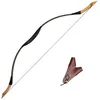
54in Traditional Recurve Horsebow, 20-50lb
A modern recurve horsebow that captures the composite-bow profile this guide describes, at a fraction of a museum-grade reproduction’s cost.
- Best for: trying the composite-bow horsebow silhouette and feel
- Why we picked it: 20-50lb adjustable range, similar profile to historical horn-and-sinew bows
- Main drawback: not a true horn/sinew composite, a modern equivalent
Compare more options
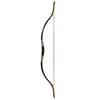 Option 1 Hungarian Style Handmade Longbow/Horsebow, 35lb
| 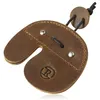 Option 2 Ringsun Leather Archery Finger Tab
| 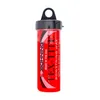 Option 3 Bohning Tex-Tite Bowstring Wax
|
As an Amazon Associate we earn from qualifying purchases.
Outer Layers
The outer layers of composite bows play a key role in their strength and flexibility. These layers protect the bow and help it store energy for powerful shots. Craftsmen use natural materials that work well together. The right combination makes the bow both strong and light.
These outer layers also resist wear and damage from weather. The materials are carefully chosen and applied with skill. This process gives composite bows their unique look and function.
Animal Horns
Animal horns are a main material for the outer layers of composite bows. Horns come from animals like water buffalo or ibex. They are hard and bend slightly without breaking. This makes them perfect for the front of the bow.
The horn layer helps the bow resist compression when the string is pulled. It adds strength and keeps the bow from cracking. Horn pieces are shaved thin and glued in layers. This creates a smooth, tough surface that lasts a long time.
Sinew Applications
Sinew is a strong, flexible tissue from animal tendons. It is used on the back of composite bows. The sinew layer pulls tight as the bow bends. This helps the bow store energy for a fast release.
Sinew is soaked, stretched, and glued in thin strips. The layers build up to form a tough, elastic surface. This makes the bow flexible but hard to break. The sinew also helps the bow resist twisting during use.
Adhesives And Binders
Adhesives and binders play a key role in making composite bows strong and flexible. They hold different materials together, such as wood, horn, and sinew. Without these glues, the bow would not work well or last long. The choice of adhesive affects the bow’s performance and durability.
Traditional Glues
Ancient bowyers used natural glues made from animals and plants. Hide glue, made from boiled animal hides, was common. It creates a strong bond but needs time to dry. Fish glue, made from fish skins and bones, also worked well. These glues were water-resistant and flexible. They helped layers stick tightly without breaking.
Modern Adhesives
Today, synthetic glues replace traditional ones in many bows. Epoxy resins are very strong and dry fast. They resist moisture and heat better than natural glues. Polyurethane glue is another option. It expands slightly to fill gaps and bonds many materials. Modern adhesives make composite bows easier to build and more durable, though today’s compound bows use very different technology altogether.
Decorative Elements
Composite bows are not only strong and flexible but also beautiful. Craftsmen often add decorative elements to make each bow unique. These decorations show skill and culture. They also make the bow more personal and special.
Inlays And Paint
Inlays are small pieces of materials set into the bow’s surface. Common inlays include wood, bone, or metal. These create patterns or pictures on the bow.
Paint adds color and detail. Natural pigments give the bow bright and lasting colors. Patterns might tell stories or show symbols.
Protective Coatings
Protective coatings cover the bow to keep it safe from water and wear. These coatings also give a smooth, shiny finish. Natural resins or oils often serve as coatings.
They help the bow last longer. Coatings also keep the decorative elements bright and clear.
Material Selection Impact
The materials used to make composite bows greatly influence their quality and use. Different materials offer unique traits that affect the bow’s strength, flexibility, and weight. Choosing the right materials is key to making a bow that lasts long and performs well.
Durability Factors
Composite bows combine wood, horn, and sinew. Each material adds strength and durability. Wood forms the core, giving the bow shape and support. Horn adds compression strength, helping the bow bend without breaking. Sinew, made from animal tendons, provides tension and elasticity.
These materials work together to resist wear and tear. Properly chosen materials resist cracking and warping. They also stand up to changes in temperature and moisture. The quality of each part affects the bow’s lifespan.
Performance Effects
Material choices impact how the bow shoots arrows. Horn and sinew improve the bow’s power and speed. They store and release energy efficiently. This makes the bow faster and more accurate.
Weight matters too. Lightweight materials allow easier handling and quicker shots. Stiffness affects how much the bow bends and how smooth the draw feels. Balanced materials create a bow that is both strong and easy to use.
Frequently Asked Questions
What Materials Are Used In Composite Bows?
Composite bows are made from wood, horn, and sinew. Wood forms the core, horn adds compression strength, and sinew provides tensile strength. These materials combine to make a powerful, flexible bow.
Why Are Composite Bows Stronger Than Wooden Bows?
Composite bows use layers of materials, enhancing strength and flexibility. The horn resists compression, sinew handles tension, and wood provides structure. This layered design makes them more durable and efficient.
How Does Sinew Improve Composite Bow Performance?
Sinew is a tough, fibrous tissue from animals. It adds tensile strength to the bow’s back, allowing it to store more energy. This results in faster arrow speeds and greater power.
What Role Does Horn Play In Composite Bows?
Horn is placed on the bow’s belly, where it resists compression forces during drawing. It prevents the bow from breaking and improves energy storage, contributing to the bow’s overall power.
Conclusion
Composite bows combine wood, horn, and sinew for strength and flexibility. These materials work together to create a powerful and durable bow. The design allows archers to shoot accurately and with more force. Understanding what composite bows are made of helps appreciate their craftsmanship.
They show how ancient people used natural resources wisely. These bows remain important in history and archery today. Their unique build makes them stand out from simple wooden bows. Knowing this makes the art of archery more interesting and clear.