Do Composite Bows Add Strength? Here’s the Real Answer
Yes, composite bows can significantly enhance attack path strength in games like Pathfinder by offering better damage, attack bonuses, and special properties compared to simpler bows. They are engineered for superior performance and can make a noticeable difference in your character’s combat effectiveness. For more on this, see our guide on Will Composite Bows Go Up in Price Rs.
Welcome, aspiring archers and tabletop adventurers! Today, we’re diving into a question that pops up often when building characters or selecting gear: “Do composite bows add strength?” It’s a common point of confusion, especially when you’re new to the world of archery, whether it’s for real-life practice or for enhancing your character’s prowess in games like Pathfinder. You might be wondering if a composite bow is just a fancier name for a regular bow, or if it truly offers a tangible benefit.
The good news is, understanding this is simpler than you think, and once you grasp it, you’ll be making informed decisions that boost your success. We’re going to break down exactly what makes a composite bow different and how it can make a real impact. Let’s get started on this exciting journey and discover the power behind these fantastic pieces of equipment!
Understanding Bows: The Basics
Before we jump into the specifics of composite bows, it’s helpful to have a basic understanding of how bows work and what factors influence their performance. At its core, a bow is a tool that stores energy from a user’s pull (draw weight) and then transfers that energy to an arrow, propelling it forward.
The Anatomy of a Simple Bow
A simple or “longbow” style bow typically consists of a single piece of material (like wood) that bends when drawn. When you pull the string back, the limbs of the bow store potential energy. As you release the string, this energy is converted into kinetic energy, launching the arrow. The strength of a simple bow is largely determined by:
Draw Weight: This is the force required to pull the bowstring back to a full draw. Higher draw weight generally means more power.
Draw Length: This is how far back the string can be pulled. A longer draw length can also increase the arrow’s speed.
Material: The type and quality of the material used significantly affect the bow’s performance, durability, and efficiency.
What is “Strength” in Archery?
When we talk about “strength” in archery, it can mean a few things:
Physical Strength needed to operate: This refers to the draw weight. Can you physically pull the bowstring back?
Bow’s Power/Performance: This relates to how much force the bow can impart to an arrow. A “stronger” bow will shoot an arrow faster and farther.
Character Stat Bonus (in games): In role-playing games like Pathfinder, “strength” is a character attribute. The game mechanics sometimes link bow performance to a character’s physical strength attribute.
This distinction is crucial, especially when we discuss composite bows and how they interact with game systems.

The Rise of Composite Bows: What Makes Them Different?
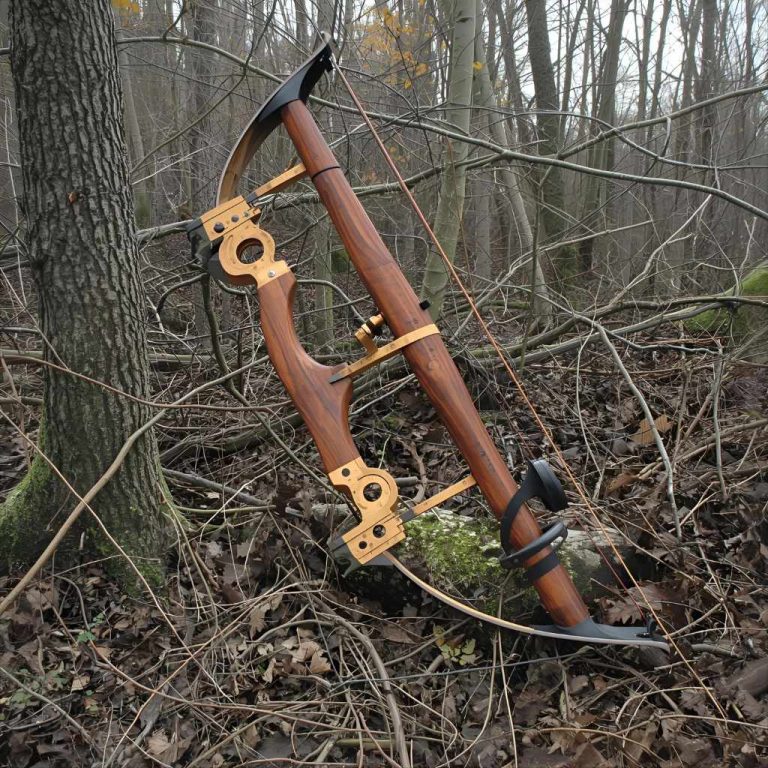
Now, let’s tackle the star of our show: the composite bow. The term “composite” means made from multiple different materials. This is the key difference. Unlike a simple wooden bow, a composite bow is constructed from layers of different substances, carefully engineered to work together.
A Brief History of Composite Bows
The concept of composite bows is ancient. Many nomadic cultures of Eurasia, like the Scythians, Huns, and Mongols, were masters of composite bow construction. They understood that by combining materials like wood, horn, and sinew, they could create bows that were far more powerful, compact, and efficient than simple wooden bows of similar draw weight. These bows were revolutionary for their time, allowing riders to deliver devastating volleys of arrows.
Materials and Construction
Modern composite bows, especially in the context of games, often refer to a specific type of design that leverages advanced materials. In reality, this can involve a mix of:
Wood: Often used as a core or base.
Fiberglass/Carbon Fiber: These modern materials provide incredible strength, flexibility, and durability. They are lightweight yet strong, allowing for high energy storage.
Epoxy/Resins: Used to bind the layers together and provide a smooth, weather-resistant finish.
The layered construction allows bowyers (bow makers) to precisely control the way the bow flexes and stores energy. Different materials are placed in specific areas to optimize performance. For example, materials with high tensile strength might be used on the back of the bow’s limbs, while materials with good compression strength might be used on the belly.
How Composite Construction Enhances Performance
This sophisticated construction leads to several key advantages over traditional single-material bows:
Higher Energy Storage: The layered design allows the limbs to store more potential energy for a given draw weight and draw length.
Greater Efficiency: More of the stored energy is transferred to the arrow, resulting in higher arrow speeds.
Increased Durability: Modern composite materials are often more resistant to environmental factors (like moisture and temperature changes) and physical stress, making them less prone to breakage.
More Compact Design: The ability to achieve higher performance with potentially shorter limbs means composite bows can sometimes be more compact, which is advantageous in certain situations (like archery from horseback or in confined spaces).
Composite Bows in Pathfinder and Other Games: Adding “Strength” to Your Attack
Now, let’s translate this to the world of role-playing games, specifically Pathfinder, where the concept of “strength” for bows is most commonly encountered by beginners. In games, a “composite bow” is a special type of bow that is often modified to account for a character’s physical strength.
The Composite Longbow and Composite Shortbow
In Pathfinder, you’ll find two primary types of composite bows:
Composite Longbow: A more powerful bow that typically requires a higher Strength score to wield effectively.
Composite Shortbow: A slightly less powerful but more maneuverable bow, often used by characters who prioritize speed or concealability.
The key mechanic that makes composite bows add “strength” to your attacks is the Strength Bonus.
The Strength Bonus Explained
Here’s how it works:
1. Base Bow Stats: A composite bow has a base damage and range, similar to its non-composite counterpart (a longbow or shortbow).
2. Strength Modifier: Your character has a Strength score, which translates into a Strength modifier. For every 2 points above 10 in Strength, you gain a +1 modifier. So, a Strength of 12 gives a +1 modifier, a Strength of 14 gives a +2 modifier, and so on.
3. Applying the Bonus: When you use a composite bow, you add a portion of your Strength modifier to your damage rolls with that bow. This is the core way composite bows “add strength” to your attacks in the game.
Composite Longbow: You add your full Strength modifier to the damage.
Composite Shortbow: You add 1/2 your Strength modifier (rounded down) to the damage.
This is why a character with high Strength using a composite bow can deal significantly more damage than a character with lower Strength using a regular longbow or shortbow.
Strength Rating (Enabling Usage)
Another aspect of “strength” related to composite bows in games is the Strength Rating. Composite bows often have a minimum Strength Rating required to use them effectively without penalty.
Using a Bow Below its Strength Rating: If your Strength score is lower than the bow’s Strength Rating, you suffer a penalty to both your attack rolls and damage rolls. For example, a composite longbow with a Strength Rating of 14 might require a character to have at least 14 Strength to use it without penalty. If a character with only 12 Strength uses it, they might incur a penalty.
The Game Designer’s Intent: This mechanic simulates the physical effort needed to draw and accurately shoot a powerful bow. It encourages characters to invest in Strength if they want to be effective archers with these types of weapons.
Let’s look at a quick comparison table to illustrate this:
| Bow Type | Assumed Strength Modifier Added to Damage | Strength Requirement (Example) | Typical Damage |
|---|---|---|---|
| Longbow (Standard) | None | No specific requirement (uses character’s base modifier for all attacks) | 1d8 |
| Composite Longbow (Strength 16, Mod +3) | +3 (full Str mod) | Strength Rating 16 | 1d8 + 3 |
| Shortbow (Standard) | None | No specific requirement | 1d6 |
| Composite Shortbow (Strength 14, Mod +2) | +1 (half Str mod, rounded down) | Strength Rating 14 | 1d6 + 1 |
Note: The Strength Rating and exact modifiers can vary slightly depending on the specific game edition or ruleset. Always check your game’s Player’s Handbook or Core Rulebook for precise details.
Why This Matters for Your Character
Choosing a composite bow in Pathfinder isn’t just about picking a different weapon; it’s about tailoring your character’s loadout to their strengths.
For a Strength-focused Character: If your character has a high Strength score, a composite bow is a must-have. It amplifies their natural power, turning them into a formidable ranged damage dealer. They can accurately hit targets at range and pack a serious punch with every arrow.
For a Dexterity-focused Character: A Dexterity-focused character might prefer regular bows or lighter ranged weapons, as their primary bonus comes from Dexterity for attack rolls, not Strength for damage. However, even a Dexterity character might consider a composite shortbow if they have a decent Strength score, as it offers a bit more damage oomph.
Strategic Choices: The choice of using a composite bow versus a standard bow (or even other ranged weapons) becomes a strategic decision based on your character’s core stats and combat role.
Real-World Composite Bows: Performance Enhancements
While our primary focus might be on game mechanics, it’s worth noting how “composite” translates to real-world archery. The principles are fundamentally the same: enhanced performance through advanced materials and design.
Advantages in Modern Archery
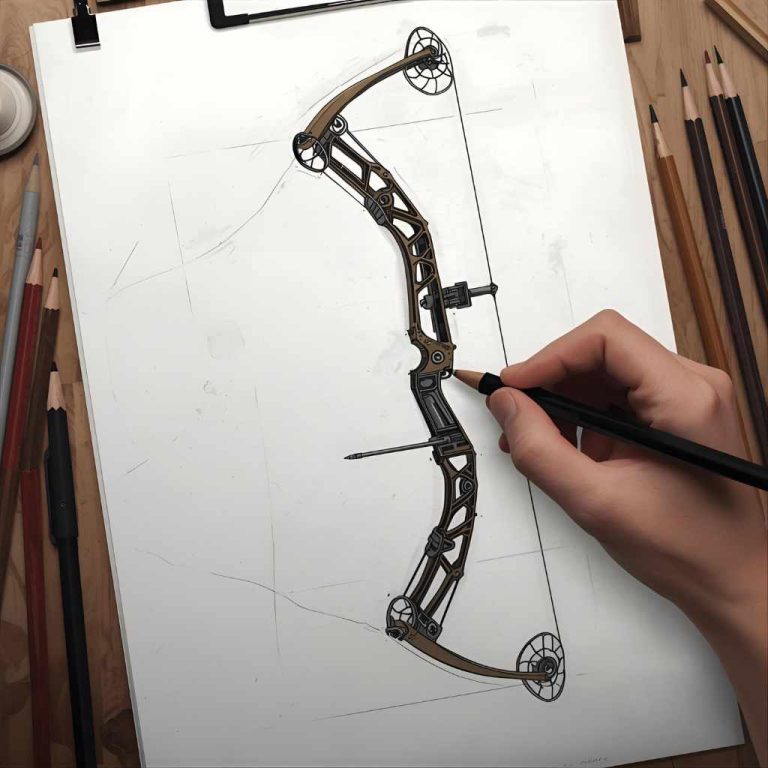
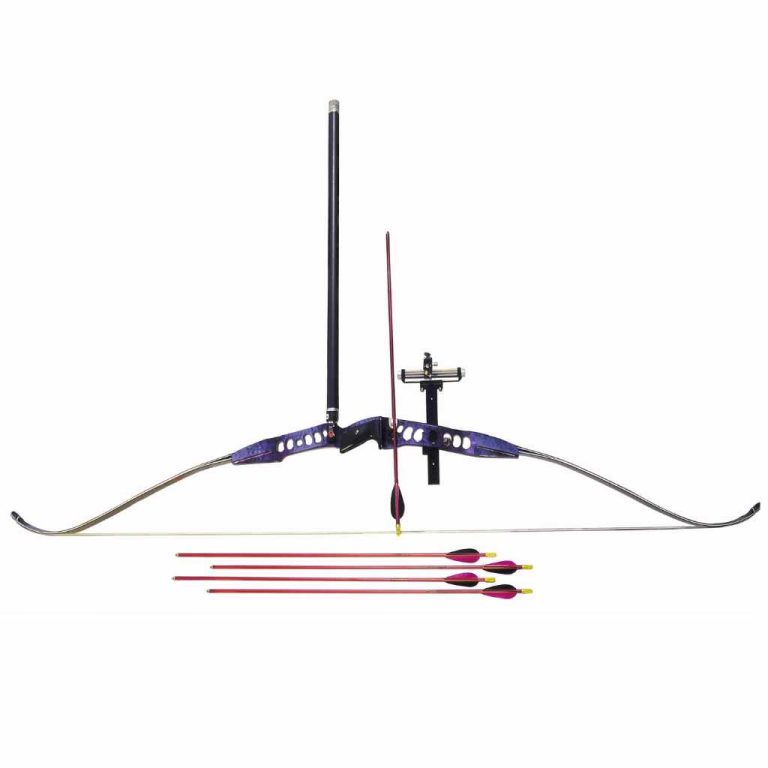
In real-world archery, modern composite bows (often referred to as recurve bows or compound bows, though “composite” is a broader term) offer significant performance boosts:
Higher Arrow Speed: Materials like carbon fiber and advanced polymers allow limbs to bend more efficiently, launching arrows with greater velocity.
Increased Power: For a given draw weight, a composite bow can often propel an arrow with more kinetic energy.
Reduced Aiming Fatigue: Compound bows, a specific type of high-performance composite bow, use a system of cams and pulleys to dramatically reduce the holding weight at full draw. This means an archer can hold the bow at full draw for longer with less effort, improving accuracy and reducing fatigue, even though the initial draw weight might be very high. This is different from the game mechanic of adding statistical “strength” to damage, but it’s the real-world equivalent of making the bow easier to manage for its power.
Durability and Consistency: Modern materials are often more resistant to warping, cracking, and deformation than traditional wood, leading to a more durable and consistent shooting experience.
When Might You Choose a Composite Bow?
For Maximum Arrow Velocity: If you want the fastest arrows possible, a modern composite design is usually the way to go.
For Long-Range Accuracy: Higher arrow speed and a more stable shooting platform (especially with compound bows) contribute to better long-range accuracy.
For Hunting: The increased power and speed can be crucial for ethical hunting, ensuring a quick and humane takedown.
For Competitive Shooting: Many competitive archers use high-performance composite bows to achieve their best scores.
What About “Strength” in the Sense of Physical Power?
Let’s clarify the common misconception or overlap in the term “strength.”
Physical Strength vs. Bow Strength
When a character in Pathfinder has a high Strength score, it directly impacts their ability to use composite bows to their full potential in terms of damage.
A character who is physically strong can draw and hold a powerful bow.
The game mechanics of composite bows then translate this physical strength into increased damage output.
This is a clever way for game designers to simulate the real-world advantage that physical power gives to an archer using a high-performance weapon. Think of it this way:
Regular Bows: You need sufficient physical strength to draw them, but their power is relatively fixed by their design and draw weight.
Composite Bows (Game Mechanic): These bows are designed to benefit from a character’s physical strength, adding a bonus to damage when wielded by someone strong enough.
The Role of Dexterity in Archery (In Games and Reality)
It’s important to remember that archery isn’t just about strength. In both reality and most game systems, Dexterity plays a crucial role.
In Games (Pathfinder): Dexterity typically governs your attack bonus with ranged weapons like bows. This means a character with high Dexterity is more likely to hit their target, regardless of the bow type. Some systems also allow Dexterity to be added to damage for certain ranged weapons (like hand crossbows or when using the “Archery Style” feat line), but for composite bows, Strength is the primary damage enhancer.
In Reality: Dexterity contributes to fine motor control, steady hands, aiming, and drawing the bow smoothly. Many champion archers are highly flexible and coordinated, exhibiting great dexterity.
So, while composite bows add “strength” to your damage, Dexterity helps you actually hit the target. A balanced character often needs both!
Choosing the Right Composite Bow (for Your Character)
When you’re building a character or deciding on an upgrade in a game like Pathfinder, here’s how to think about composite bows:
Step 1: Assess Your Character’s Strength
What is your character’s primary combat focus? Are they built for melee with high Strength, or ranged combat with high Dexterity?
What is your Strength score? Look at your character sheet. If your Strength modifier is +2 or higher, a composite bow starts to become very attractive. If it’s +4 or more, it’s almost certainly your best option for ranged damage.
What is the Strength Rating of the composite bow? Ensure your Strength score meets or exceeds the bow’s Strength Rating to avoid penalties.
Step 2: Consider the Type of Composite Bow
Composite Longbow: Offers the highest potential damage due to adding your full Strength modifier. It typically has a higher Strength Rating requirement. This is for characters prioritizing raw damage output.
Composite Shortbow: Offers a smaller damage bonus (half your Strength modifier) but often has a lower Strength Rating. It can be a good option for characters with moderate Strength who still want a little extra punch, or for characters who might need to use it with a limb injury or during certain game mechanics. It’s also generally lighter and easier to handle.
Step 3: Evaluate Your Budget and Availability
Cost: Composite bows are usually more expensive than their non-composite counterparts due to their more complex construction and materials.
Availability: Depending on the game world and your character’s level, these might be available from most weapon merchants, or they might be rarer, higher-level gear.
Step 4: Synergize with Feats and Abilities
Many game systems have feats or character abilities that further enhance archery. Consider if your choice of composite bow works well with your character’s current or planned feats (e.g., feats that increase bonus damage, improve critical hits, or affect ranged attacks). For instance, if you’re focusing on an archery combat style, feats that boost your damage with composite bows would be paramount.
Let’s illustrate this with a specific playstyle example:
The Strength-Focused Warrior: This character has high Strength and decent Dexterity. They might use a composite longbow. Their Strength modifier is +5. Their composite longbow has a Strength Rating of 16 and a base damage of 1d8. With a +3 Dexterity modifier for hit chance, they’ll be hitting often and dealing: 1d8 (base damage) + 5 (full Strength modifier) + potentially other bonuses = massive damage. They are the archer equivalent of a heavy hitter.
The Nimble Hunter: This character has high Dexterity and moderate Strength (say, +2 modifier). They might opt for a composite shortbow. Its base damage is 1d6. They’ll have a high hit chance due to Dexterity. Their damage will be: 1d6 (base damage) + 1 (half Strength modifier, +2 / 2 = 1) + potentially other bonuses. This is still better than a standard shortbow dealing only 1d6 damage if their Strength score is decent, offering a nice compromise between accuracy and power for a character not specializing in Strength.

Frequently Asked Questions (FAQs)
Here are some common questions beginners have about composite bows and their “strength.”
Q1: Does a composite bow automatically make my character stronger?
Not directly. A composite bow doesn’t increase your character’s Strength score. Instead, it allows your character to apply their existing Strength score to deal more damage with their arrows. Think of it as a tool that channels your character’s physical power more effectively.