How Much Are Composite Bows? Price Ranges to Expect
Composite bows can range from a few hundred dollars for basic starter models to over $1,500 for high-performance, feature-rich options. The price depends heavily on brand reputation, materials, included accessories, and intended use (e.g., hunting, target shooting, or recreational). Budget-friendly options are around $300-$600, while mid-range bows fall between $700-$1,200. Premium models often exceed $1,500.
So, you’re stepping into the exciting world of archery and wondering about the cost of a composite bow. It’s a question many beginners ask, and for good reason! The price tag can seem a bit confusing at first, with options ranging from surprisingly affordable to quite an investment. But don’t let that discourage you. Understanding what influences the cost will help you find the perfect bow that fits your budget and your archery goals.
Think of it like choosing a bicycle or a musical instrument; there are great entry-level choices and professional-grade models. We’re here to break down the factors that determine the price of a composite bow, from the basic components to the advanced technologies, so you can make an informed decision. Get ready to learn what makes a composite bow tick and how much you can expect to spend!
What Exactly is a Composite Bow?
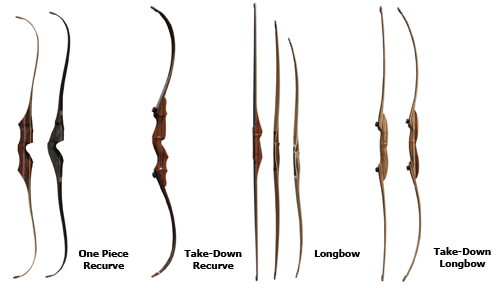
Before we dive into the costs, let’s quickly understand what makes a bow a “composite” bow. In modern archery, this term usually refers to a compound bow. Unlike traditional recurve or longbows made from a single piece of wood, a compound bow uses a system of pulleys (called cams or wheels) and cables to multiply the archer’s force. This system makes the bow easier to draw and hold at full draw, significantly reducing the effort needed to aim steady.
These bows are constructed from advanced materials like aircraft-grade aluminum, carbon fiber, and high-strength polymers. This combination allows for lightweight designs that are both durable and incredibly powerful. The complexity of their design, featuring rotating cams, strong limbs, and precise engineering, is a big reason for their price point compared to simpler bows.

Factors Influencing Composite (Compound) Bow Prices
The price of a composite bow isn’t just about a name; it’s about the quality of its components, the technology packed into it, and its intended performance. Here are the key factors that play a role:
- Brand Reputation and Quality: Established brands that have been in the archery industry for years often command higher prices. They’re known for consistent quality, innovation, and reliable performance. Think of companies like Hoyt, Mathews, PSE, and Bowtech – they invest heavily in research and development.
- Materials Used: The type and quality of materials significantly impact cost.
- Technology and Features: Advanced cam systems, vibration dampening technologies, adjustable draw lengths, and built-in string silencers add to the price.
- Performance Metrics: Higher arrow speeds (FPS – feet per second) and smoother draw cycles often come with a higher price tag, reflecting superior engineering.
- Included Accessories: Many bows are sold as “packages” which include essential accessories bundled together. The quality and quantity of these accessories can affect the overall price.
- Intended Use: Bows designed for specific purposes, like professional 3D archery or serious big-game hunting, often have more specialized features and higher price points than general recreational or beginner bows.
Composite Bow Price Ranges Explained
To give you a clearer picture, let’s break down the typical price ranges for composite bows:
Entry-Level / Beginner Composite Bows ($300 – $600)
These bows are perfect for newcomers to archery or those looking for a reliable option for occasional recreational shooting. They offer a solid introduction to compound archery without breaking the bank.
- What to Expect:
- Simpler cam systems, often with less adjustability.
- Durable, but often heavier riser and limb construction (usually aluminum or strong composites).
- Basic, but functional, sight and arrow rest.
- Potentially lower arrow speeds compared to higher-end models.
- Focus on reliability and ease of use.
- Pros:
- Affordable entry point.
- Great for learning the basics.
- Often available in beginner-friendly packages.
- Cons:
- May lack advanced adjustability for fine-tuning.
- Lower speeds and potentially less forgiving of form errors.
- Can be heavier.
Mid-Range Composite Bows ($700 – $1,200)
This is often considered the sweet spot for many archers. Mid-range bows offer a significant upgrade in performance, features, and materials. They provide excellent value for serious hobbyists, hunters, and those looking to take their archery skills to the next level.
- What to Expect:
- More advanced dual-cam or hybrid-cam systems for a smoother draw and better speed.
- Lighter riser construction, often with more advanced aluminum alloys or carbon composites.
- Improved vibration dampening for a quieter, more stable shot.
- Greater adjustability in draw length and poundage.
- Often capable of higher arrow speeds.
- Better quality sights, arrow rests, and stabilizers may be included or are easy upgrades.
- Pros:
- Excellent balance of performance and price.
- Smoother draw cycle and better accuracy potential.
- More durable and refined designs.
- Greater personalization and tuning options.
- Cons:
- Still may lack the absolute top-tier features of premium bows.
- Can be a significant jump in price from entry-level.
High-End / Premium Composite Bows ($1,200+)
These bows represent the pinnacle of compound bow technology and performance. Designed for competitive shooters, serious hunters, and archers who demand the absolute best, they incorporate cutting-edge materials and engineering.
- What to Expect:
- Top-of-the-line cam systems offering incredible speed and efficiency.
- Lightweight and extremely rigid risers made from advanced aluminum alloys or carbon fiber.
- Advanced limb technology for maximum energy transfer.
- Superior vibration and noise reduction systems.
- Extensive adjustability and precision tuning capabilities.
- Often sold as bare-bows, requiring the purchase of high-end accessories separately.
- Pros:
- Unmatched speed, accuracy, and shootability.
- Lightweight and incredibly durable construction.
- The most forgiving shooting experience.
- Cutting-edge technology and design.
- Cons:
- The most expensive option.
- Often require significant investment in high-quality accessories to match the bow’s performance.
- Features may be overkill for beginners.
Bow Packages vs. Bare Bows
When shopping for a composite bow, you’ll often encounter two main purchase options: a bow package and a bare bow.
Bow Packages
These are designed for convenience, especially for beginners and intermediate archers. A package typically includes the bow itself along with essential accessories to get you started shooting right away.
- Common Accessories in Packages:
- Sight: Helps you aim by providing pins or a scope.
- Arrow Rest: Supports the arrow before and during the shot.
- Stabilizer: Reduces vibration and improves balance.
- Quiver: A holder for your arrows.
- Peep Sight and D-Loop: Essential for aligning your shot through the bow sight.
- Release Aid: A trigger mechanism to draw and release the string (often sold separately but sometimes included in premium packages).
- Pricing: Packages generally offer better value than buying each component separately. Beginner packages can be bundled within the entry-level price range, while mid-range packages might fall into the $700-$1,000+ category.
Bare Bows
A bare bow is exactly that – just the bow itself, without any added accessories. This option is typically for experienced archers who have specific preferences for their sights, rests, stabilizers, and quivers and want to build a custom setup.
- When to Choose a Bare Bow:
- You have existing accessories you love.
- You want to hand-pick every component for optimal performance and feel.
- You are building a bow for a specific discipline (e.g., competitive target archery).
- Pricing: The bare bow price can range from a few hundred dollars for an entry-level model to well over $1,000 for the highest-end models. Remember to factor in the significant cost of purchasing high-quality accessories separately.
Cost Comparison: New vs. Used Composite Bows
Just like with many purchases, buying a used composite bow can offer significant savings. However, it comes with its own set of considerations.
New Composite Bows
- Pros:
- Comes with a manufacturer’s warranty.
- All components are new and in perfect condition.
- You get the latest technology and features.
- The full customization experience is available from day one.
- Cons:
- Higher initial cost.
- Depreciates in value quickly.
Used Composite Bows
- Pros:
- Significant cost savings.
- Can potentially get a higher-end bow for the price of a new mid-range one.
- Cons:
- No warranty.
- Risk of hidden damage or wear and tear.
- May not have the latest technology.
- Accessories might be outdated or worn.
- Crucially, strings and cables may need immediate replacement, which can be costly.
If you consider a used bow, always inspect it thoroughly. Check the limbs for cracks, the cams for damage, the cables and strings for fraying or wear, and the riser for any dents or bends. It’s highly recommended to have a knowledgeable archery shop inspect any used bow before purchase. Often, replacing worn strings and cables on a used compound bow can cost anywhere from $100 to $250+, so factor this into your savings. For resources on bow maintenance, organizations like the USA Archery website offer general guidance.
Essential Accessories and Their Costs
Even if you buy a bow package, there are essential accessories that you might need to purchase separately, or you might want to upgrade later. For bare bow buyers, these are all mandatory purchases.
Here’s a breakdown of common accessories and their typical price ranges:
| Accessory | Beginner Cost | Mid-Range Cost | High-End Cost |
|---|---|---|---|
| Sight | $30 – $70 | $80 – $200 | $200 – $500+ |
| Arrow Rest | $25 – $60 | $70 – $150 | $150 – $300+ |
| Stabilizer | $20 – $50 | $60 – $120 | $120 – $300+ |
| Quiver | $30 – $60 | $70 – $150 | $100 – $250+ |
| Release Aid (Handheld) | $40 – $80 | $100 – $200 | $200 – $400+ |
| Bow Case | $40 – $80 | $90 – $200 | $200 – $500+ |
| Arrows (per dozen) | $60 – $120 | $150 – $250 | $250 – $500+ |
| Bow String/Cable Set (Replacement) | $100 – $250+ (Usually not needed for new bows within warranty) | ||
As you can see, the cost of accessories can add up quickly. A complete setup for a beginner, even if their bow is $400, could easily reach $600-$800 once accessories are included. For a mid-range bow at $900, the total cost with accessories could be upwards of $1,500 or more. This is why understanding packages is so helpful for newcomers.
Tips for Buying Your First Composite Bow
Navigating the world of composite bows can seem daunting, but here are some tips to make your first purchase a success:
- Determine Your Budget: Decide how much you’re willing to spend not just on the bow, but also on necessary accessories if you’re buying a bare bow.
- Identify Your Primary Use: Will you be hunting, target shooting, or just enjoying recreational shooting? This will influence the type of bow and features you need.
- Visit a Local Pro Shop: This is arguably the most important tip. Knowledgeable staff can let you handle different bows, answer your specific questions, and help you find a bow that fits your draw length and draw weight comfortably. Many shops offer beginner lessons and practice ranges.
- Try Before You Buy: If possible, test-shoot different bows. The feel of the draw cycle and how securely you hold the bow at full draw is very personal.
- Consider Your Draw Length and Weight: These are critical for safety and accuracy. A pro shop can measure your draw length. For beginners, it’s often recommended to start with a lower draw weight (e.g., 50-60 lbs for adults) and increase it as you build strength. Organizations like the National Field Archery Association (NFAA) and The Archery Shooters Association (ASA) provide information on safe archery practices and equipment selection.
- Don’t Obsess Over Speed Initially: While high FPS is exciting, a forgiving, accurate, and comfortable bow is more important for a beginner than the fastest arrow speed.
- Read Reviews, But Trust Your Gut: Online reviews can be helpful, but what works for one archer might not work for you.
The Long-Term Value of a Composite Bow
While the initial cost of a composite bow can be a significant purchase, it’s important to consider the long-term value. A well-chosen bow, especially if you opt for a mid-range or high-end model, can last for many years with proper care and maintenance.
Investing in a quality bow means investing in a hobby that can offer:
- Skill Development: The challenge of archery promotes focus, patience, and precision.
- Physical Fitness: Drawing a bow engages multiple muscle groups, providing a good upper body workout.
- Stress Relief: The meditative nature of shooting can be incredibly relaxing and rewarding.
- Community: Archery clubs and ranges are great places to meet like-minded individuals.
- Versatility: You can participate in various disciplines, from backyard fun to competitive leagues and hunting.
Compared to the recurring costs of some other hobbies, a composite bow, with an occasional string/cable replacement down the line, can be a very cost-effective pursuit over time.

Frequently Asked Questions (FAQ)
Q1: What is the cheapest composite bow I can buy?
You can find very basic entry-level composite bows and packages starting around $300. These are functional options for beginners but may lack advanced features and performance.