How Long Are Composite Bows: Essential Guide
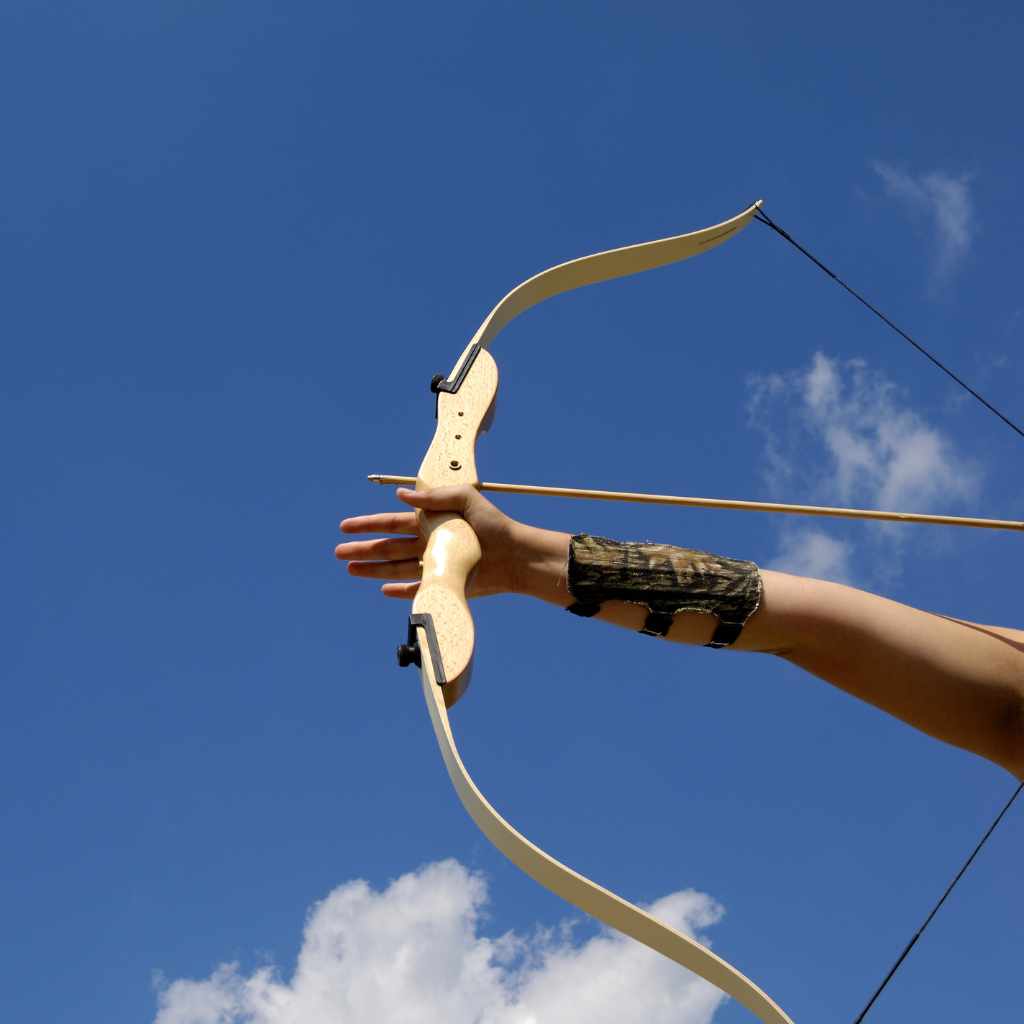
How long are composite bows? Typically, modern composite bows, often referred to as compound bows, range from 28 to 36 inches in axle-to-axle length. This measurement is crucial for stability and maneuverability. Shorter bows are nimbler but can be trickier to hold steady, while longer bows offer more stability for easier aiming.

YTgilo
YTgilo 2PCS Draw String Peep Hole Holder…
- Durable Construction: Made of lightweight, high-impact rubber tubing for long-lasting durability and reliable performance
- Easy Installation: Basic peep sight with tube, uniquely angled to provide a clearer view, conveniently inserted between bowstrings…
- Self-Aligning Design: Self-aligning and reliable mechanism that easily aligns with pin protectors for hunting or target shooting a…
As an Amazon Associate I earn from qualifying purchases.
Welcome, fellow archery enthusiast! Ever stood at the archery range, marveling at the sleek lines of a compound bow and wondered, “Just how long is that thing, anyway?” It’s a common question, and understanding bow length is more important than you might think. Different lengths suit different archers and shooting styles. Don’t worry if it seems a bit technical; I’m here to break it all down for you in a way that makes perfect sense. We’ll explore bow lengths, what they mean for your shooting, and how to pick the right one for you. Get ready to discover the sweet spot in bow size!
Understanding Composite Bow Length: More Than Just a Number
When we talk about composite bows, we’re usually referring to compound bows. These aren’t your grandfather’s longbows! Compound bows use a system of cables and pulleys (cams) to make drawing the bowstring easier and to hold the draw weight steady at full draw. This technology allows for powerful shots with less effort on the archer.
The length of a compound bow is typically measured from axle to axle. The axle is the rod that the cams rotate around. This measurement, known as the “axle-to-axle length,” is a key specification that tells you a lot about the bow’s characteristics.
Why Axle-to-Axle Length Matters
The axle-to-axle (ATA) length is a primary factor in how a bow performs. It affects several critical aspects of your archery experience:
Stability: Longer bows generally offer more inherent stability. Think of it like a longer wheelbase on a car; it tends to track straighter and is less prone to wobbling. For a beginner, this enhanced stability can make a significant difference in maintaining a steady aim.
Maneuverability: Shorter bows are more compact and easier to move around in tight spaces, like a treestand or a blind. If you’re hunting in dense woods, a shorter bow can be a real advantage.
Draw Cycle: ATA length can also influence how the bow feels as you draw it back. While cam design plays a larger role, ATA is a contributing factor to the overall smoothness and aggression of the draw.
Arrow Speed: Generally, bows with longer draw lengths (which are often associated with longer ATA bows) can achieve slightly higher arrow speeds, assuming all other factors like draw weight and cam efficiency are equal.
String Oscillation: A longer bow typically has a more rigid riser, which can help reduce string oscillation after the shot, potentially leading to a quieter and more forgiving shot.
Typical Composite Bow Lengths and Their Uses
Composite bows come in a surprising range of lengths, each designed with specific purposes in mind. Here’s a general breakdown:
| Bow Type | Typical Axle-to-Axle Length | Common Uses | Pros for Beginners | Cons for Beginners |
|---|---|---|---|---|
| Hunting Bow | 28″ – 34″ | Whitetail deer, larger game, treestands | Great maneuverability in tight spaces; often faster | Less forgiving when aiming; stability requires more practice |
| Target Bow | 32″ – 40″+ | Competitive target archery, 3D shooting | Highly stable and forgiving; smoother draw cycles | Bulky, heavier, not ideal for hunting environments |
| All-Around/Hybrid | 30″ – 35″ | Mixed use: hunting + recreational/target | Balanced stability and maneuverability; beginner-friendly versatility | Not specialized, meaning it may be outperformed by dedicated hunting or target bows |
As you can see, there’s a spectrum. For most beginners looking to get into recreational shooting, general hunting, or even introductory target archery, the “All-Around/Hybrid” category often offers the best starting point. They provide a good blend of features that make learning enjoyable and effective.
Factors Influencing Your Composite Bow Choice Besides Length
While axle-to-axle length is a significant factor, it’s not the only thing you should consider when choosing a composite bow. Several other elements play a crucial role in how well a bow will suit you.
Draw Length
Your draw length is the distance from your nocking point (where the arrow attaches to the string) to your bow hand at full draw. It’s critical for choosing a bow. Most modern compound bows have adjustable draw lengths via their cam system.
Importance: A bow with the correct draw length for you will feel natural and allow you to achieve consistent form. Too long, and you’ll be over-extending, leading to poor accuracy and strain. Too short, and you’ll be cramped, also hindering accuracy and comfort.
How to Measure: The most common method is to have someone measure your wingspan from fingertip to fingertip. Divide that number by 2.5. For example, a 60-inch wingspan divided by 2.5 equals a 24-inch draw length (this is an approximation; a more precise measurement involves a draw board or a pro shop).
Draw Weight
This is the amount of force needed to pull the bowstring back to full draw. For beginners, it’s essential to start with a manageable draw weight.
Why Start Light? Focusing on proper form, aim, and release technique is far more important than raw power when you’re starting. A draw weight that’s too heavy will cause fatigue, form breakdown, and frustration. You’ll learn much faster and develop better habits with a lighter bow.
Typical Beginner Weights: For adult beginners, a peak draw weight of 40-50 pounds is often recommended. Many modern compound bows are designed with parallel limbs or wonky cams that make them feel lighter at the end of the draw, so the “let-off” (the percentage of weight reduction at full draw) is also a key spec.
Adjustability: Many beginner or intermediate compound bows offer adjustable draw weight ranges, allowing you to increase it slightly as you get stronger and more experienced. This is a great feature to look for.
Brace Height
This is the distance from the center of the bowstring to the deepest part of the bow’s riser (the grip area).
Effect on Performance: A shorter brace height generally means a faster arrow. However, it also makes the bow less forgiving. A slight inconsistency in your form or grip can translate into more noticeable arrow deviation.
Beginner Consideration: Bows with a slightly longer brace height (often above 6.5 inches) tend to be more forgiving for beginners. They offer a larger margin of error, meaning your shots will be more consistent even if your form isn’t perfect yet.
Let-Off Percentage
This refers to how much the draw weight is reduced once the bow reaches its maximum draw length. For example, a bow with 80% let-off means if the peak draw weight is 60 pounds, you’ll only be holding about 12 pounds at full draw.
Impact on Shooting: Higher let-off makes it much easier to hold the bow at full draw for extended periods while aiming, reducing fatigue and improving stability.
Typical Values: Modern compound bows typically offer let-offs from 65% to 90%. For beginners, 75% or higher is often ideal.
Choosing the Right Composite Bow: A Step-by-Step Approach
Now that we understand the key terms, let’s put it all together and figure out how to find the perfect bow for you.
Step 1: Determine Your Draw Length
This is non-negotiable. Get your draw length correctly measured. You can:
Visit a Pro Shop: This is the ideal method. An experienced archery professional can measure you accurately and even watch your form to suggest the best draw length.
Use the Wingspan Method: As described earlier, measure your wingspan (fingertips to fingertips) and divide by 2.5. This is a good starting point but should ideally be confirmed.
Use a Draw Length Arrow: Some archery shops have special arrows marked with draw lengths. You can use one to measure your own, though this requires some understanding of good shooting form.
Step 2: Select a Manageable Draw Weight
Focus on Form: Remember, start light. You can always increase the draw weight later.
Check Bow Specifications: Look for bows that offer a wide range of draw weight adjustment. This allows you to grow with the bow.
Consider Bow Type: While most hunting bows have higher peak weights, many beginner-friendly rigs are designed to be shot at 50-60 pounds, which is more than adequate for target practice and whitetail deer.
Step 3: Prioritize Forgiveness and Stability
For beginners, bows with these characteristics are your best friends:
Longer Axle-to-Axle Length: Aim for bows in the 30-35 inch ATA range or even slightly longer (up to 38 inches) if extreme maneuverability isn’t your primary concern.
Longer Brace Height: Look for a brace height of 6.5 inches or more. This will make your shots more consistent.
Higher Let-Off: Aim for bows with 75% or higher let-off. This makes holding the bow steady much easier.
Step 4: Research and Read Reviews
Once you have an idea of the specs you’re looking for, dive into research.
Beginner Packages: Many manufacturers offer “ready-to-shoot” packages that include basic sights, arrow rests, and stabilizers. These are excellent for beginners as they provide a complete setup at a good value. Look for brands that are well-regarded for their beginner offerings.
Online Reviews: Read reviews from other archers, paying attention to comments from users who identify as beginners or who have similar shooting goals. Websites like ArcheryTalk.com have extensive forums where you can find community advice. You can also check reputable archery equipment retailers’ websites for customer feedback.
Manufacturer Websites: Most manufacturers will list detailed specifications for their bows, including ATA length, brace height, draw weight range, draw length options, and let-off percentage. Always check the official specifications provided by the manufacturer, such as those found on Hoyt Archery’s or Mathews Archery’s official websites, to ensure accuracy.
Step 5: Try Before You Buy (If Possible)
If there’s an archery shop near you that allows test shots, take advantage of it!
Feel the Bow: There’s no substitute for holding a bow and feeling how it draws and shoots. Even if you can’t shoot it at full draw repeatedly, just holding it can tell you a lot.
Get Expert Advice: Shop staff can offer personalized recommendations based on your physical build and stated needs.
Common Mistakes Beginners Make with Bow Length
It’s easy to get caught up in the hype of buying the fastest or most powerful bow, but some common pitfalls can hinder a beginner’s progress.
Choosing a Bow That’s Too Short: While compact bows are great for highly experienced hunters in tight spots, they can be significantly more challenging for newcomers to hold steady. The shorter ATA means less inherent stability.
Ignoring Draw Length Match: Buying a bow with a generic draw length setting or one that doesn’t match your specific measurement because it “looks cool” or is a good deal. This is a recipe for discomfort and poor shooting.
Overestimating Draw Weight: Feeling pressured to buy a bow with a high draw weight thinking it means more “power.” This usually leads to developing bad habits and frustration. Stick to what you can comfortably draw and hold for a few seconds.
Skipping the Stabilizer/Accessories: Thinking you don’t need accessories like a stabilizer, peep sight, or arrow rest. These components are engineered to improve accuracy, reduce vibration, and make shooting easier, especially for beginners. A good starter package will usually include these essential items.
The Role of the Bow Riser and Limbs in Length
While we focus on axle-to-axle length, it’s worth noting that the overall length is created by the combination of the bow’s riser and its limbs.
Riser: This is the central “handle” part of the bow. It’s typically constructed from machined aluminum or carbon. The design of the riser, including its length and rigidity, contributes to the bow’s overall stability and balance. Longer risers are often found on target bows.
Limbs: These are the flexible arms of the bow that store energy. They attach to the riser and extend outwards. The length and stiffness of the limbs, along with the cam system, determine the bow’s draw weight and speed capabilities. The ATA measurement comes from the distance between the points where the limbs connect to the cams, which are mounted on the riser.
Modern composite bows are marvels of engineering. The materials science behind them, from advanced polymers to high-grade aluminum alloys, allows for lightweight yet incredibly strong components. For more information on the materials used in archery equipment, you can explore resources from the Archery Trade Association.
Maintenance Tips for Your Composite Bow
Once you’ve chosen your bow, proper care will ensure it performs reliably for years to come.
Regular Inspection: Check your strings and cables for any fraying or wear. Inspect the limbs for cracks or damage.
Keep it Clean: Wipe down your bow with a soft, dry cloth after use. Avoid harsh chemicals.
Proper Storage: Store your bow in a cool, dry place away from direct sunlight and extreme temperatures. A bow case is ideal.
Professional Tuning:** While many beginner bows are forgiving, periodic professional tuning can ensure optimal performance and safety. A qualified archery technician can check cam timing, adjust string tension, and ensure everything is in perfect working order. Many archery shops offer this service; you can often find a list of certified technicians through organizations like the National Field Archery Association (NFAA).
Frequently Asked Questions (FAQs)
Frequently Asked Questions about Composite Bow Length
Q1: What is the standard length for a beginner compound bow?
For beginners, a compound bow with an axle-to-axle (ATA) length between 30 and 34 inches is typically recommended. This range offers a good balance of stability for aiming and maneuverability for learning. Longer brace height and higher let-off percentage are also very beneficial for beginners, often found on bows in this ATA range.
Q2: Can I use a very short compound bow (like 28 inches ATA) if I’m a beginner?
While it’s possible, it’s generally not recommended. Shorter bows are less forgiving, meaning small inconsistencies in your form will have a bigger impact on your shot. They are also more challenging to hold steady, which is a critical skill to develop when you’re just starting out. A longer, more stable bow will help you learn good habits.
Q3: Does bow length affect arrow speed?
Yes, bow length can influence arrow speed, but it’s not the only factor. Generally, longer ATA bows might allow for longer draw lengths and can support higher performance cams, which can contribute to higher arrow speeds. However, cam design, draw weight, and draw length are also very significant contributors to arrow velocity. A bow’s advertised speed is usually measured under specific conditions.
Q4: How do I know if a bow’s draw length is right for me?
A bow’s draw length is “right” for you when, at full draw, your anchor point (where your release hand meets your face) is consistent and comfortable, and your bow arm is slightly bent, not locked out straight. Your shooting form should feel natural and repeatable. The best way to confirm is to have a professional measure your draw length and set the bow accordingly, or try a few bows at a shop to see what feels best.
Q5: Should I choose a longer bow if I plan to hunt from a treestand?
For treestand hunting, maneuverability is key. While a longer bow offers stability, a shorter, more compact bow (often in the 28-32 inch ATA range) can be easier to handle in the confined space of a treestand or blind. However, if you’re hunting from the ground or in more open areas, a slightly longer bow might be preferable. It’s a trade-off between stability and maneuverability, and many modern bows in the 30-33 inch ATA range offer a good compromise.
Q6: What does “axle-to-axle” mean on a compound bow spec sheet?
“Axle-to-axle” (often abbreviated as ATA) refers to the length of the bow measured from the center of the top axle (where the cams pivot) to the center of the bottom axle. This is the standard way compound bows are measured for their overall length and is a primary spec that indicates the bow’s stability and handling characteristics.
Q7: Is it possible for a shorter bow to be as stable as a longer bow?
While modern engineering has made incredible strides, a fundamentally shorter bow (meaning shorter riser and possibly shorter or differently designed limbs) will generally be less inherently stable than a longer one, all other factors being equal. However, designs like a very wide limb footprint, advanced riser materials, and balanced accessories (like stabilizers) can significantly improve the stability of shorter bows. For beginners, it’s usually easier to find stability with a longer ATA measurement.
Related pick: Check today's price on Amazon