Composite Bow vs Compound Bow: Key Differences
Imagine standing at the edge of a dense forest, the crisp air around you filled with anticipation and the promise of adventure. In your hands, you hold the key to transforming that promise into reality: a bow.

Moyujian
Compound Bow and Arrow Set for Adults…
- 【PACKING LIST】 Ready to hunt compound bow pro package comes equipped with a 5-pin sight, an arrow rest and a stabilizer, a wrist s…
- 【SPECIFICATIONS】Axle-To-Axle: 30" ; Draw Weight: 30~65 Lbs, Draw Length: 19.5"~30.5" Adjustable,Brace Height:7.6",Let Off:70%
- 【SUITABLE】This Compound Bow Is A Smooth Pulling, Fast Shooting, And Versatile Bow.These Can Be Used For Hunting, Bowfishing, Targe…
As an Amazon Associate I earn from qualifying purchases.
But which one should you choose? The age-old composite bow or the modern marvel that is the compound bow? You might be drawn to the graceful curves and historical legacy of the composite bow, a weapon of choice for warriors across centuries.
Or perhaps the high-tech precision and power of the compound bow speak to your inner innovator. Each option has its own unique allure, and understanding the differences can make all the difference in your archery experience. By the end of this article, you’ll not only know which bow aligns with your needs and aspirations, but you’ll also have a newfound appreciation for the art of archery. Let’s dive into the world of bows and uncover which one resonates with your style, skill, and spirit.
Composite Bow Basics
A composite bowis made from different materials. It uses wood, horn, and sinew. These materials are glued together. The bow is strong and flexible. It can bend without breaking. This makes it special. The bow is also light to hold.
The composite bow has a long history. It was used by many ancient warriors. People from Asia and the Middle East used it. It helped them in battles. The bow could shoot far and fast. It was very important in history.
This bow is known for its power. It can shoot arrows very fast. The arrows go a long way. It is perfect for hunting and war. The bow is easy to carry. It is also easy to use. People love it for its performance.
Compound Bow Essentials
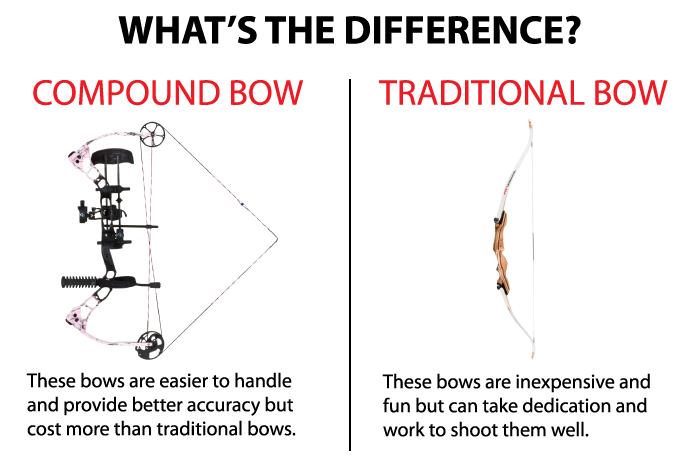
Choosing between a composite bow and a compound bow can be tricky for beginners. Composite bows are traditional, known for their simplicity and lightweight design. Compound bows, on the other hand, offer advanced technology with pulley systems, providing better accuracy and ease of use.
Design And Mechanics
The compound bowhas a unique design. It uses a system of cables and pulleys. This helps with drawing the string easily. The bow’s limbs are shorter and stiffer. This gives better stability. It makes aiming easier. The bow is made for precision. It is very popular with hunters. The design helps with accuracy. It is good for long-distance shooting.
Technological Advancements
Modern compound bowsuse advanced materials. They are made from carbon and aluminum. These materials make the bow light. New technology helps improve speed. Some bows have adjustable draw weights. This allows users to change the power. Many bows come with sight systems. These help aim better. Technology keeps improving bows. It makes them more reliable.
Accuracy And Power
The accuracyof compound bows is high. They are designed to shoot straight. The power behind the arrow is strong. This makes hunting effective. The bow’s design gives a steady aim. It helps hit targets from far away. Users find them easy to control. The bow’s mechanics help with power. It is a favorite for many archers.
Credit: 1source.basspro.com
Comparing Performance
The composite bowis very fast. It can shoot arrows far. The compound bowis also fast. It uses camsfor speed. Both bows shoot far. But which one is faster? It depends on the archer. Some like composite for speed. Others prefer compound for distance.
Precision is important for archers. Composite bows give good control. You can aim better. The compound bow is known for precision. It has advanced technology. It helps in aiming. Archers get better shots. Which bow is more precise? Archers often choose compound for control. It’s easier to aim.
Ease of use matters. Composite bows are simple. They are lightweight. Easy to carry. Compound bows have mechanisms. They may be tricky. Beginners might find composite easier. But compound offers more features. Experienced archers like compound. It gives more options.
Choosing The Right Bow
Beginners may find the compound bow easier. It has pulleys that help in aiming. Advanced users might prefer the composite bow. It needs more skill and practice. Each bow offers different challenges and rewards. Choose based on your comfort level.
Hunting often requires a compound bow. Its design helps in targeting animals better. Archery sports might favor a composite bow. It gives a more traditional feel. Think about what you will use the bow for.
Budget is crucial. Compound bows can be expensive. They have more features and parts. Composite bows might be cheaper. They use simpler materials. Decide what fits your wallet best.
Popular Models And Brands
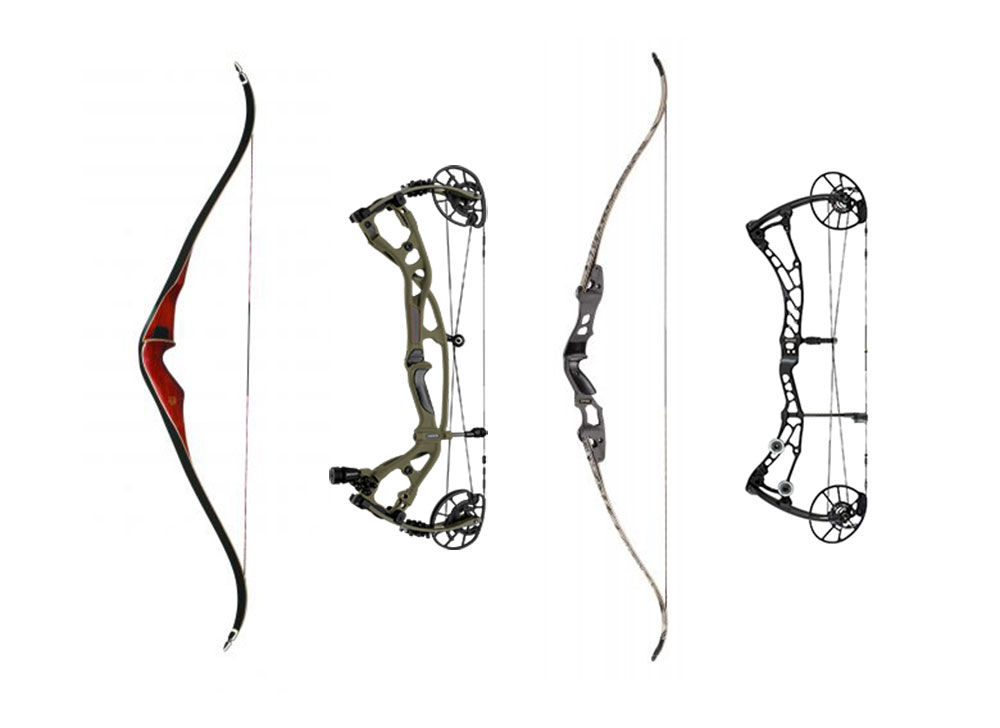
Composite bows are a top choice for many archers. Brands like Mongolian and Turkish are well-known. They offer quality and durability. These bows use materials like wood and horn. They are often handcrafted by skilled makers. Samick is another brand people trust. They make bows for beginners and experts. Traditional craftsmanship makes these bows special. Many archers love their unique design.
Compound bows are popular for their advanced technology. Mathews is a leader in this area. They use high-tech materials and designs. Hoyt is another top brand. They focus on precision and accuracy. Bear Archery is a favorite for many hunters. They offer a range of models for all skill levels. Bowtech is known for their innovative designs. They create bows for both sports and hunting. Many choose these brands for their reliability.
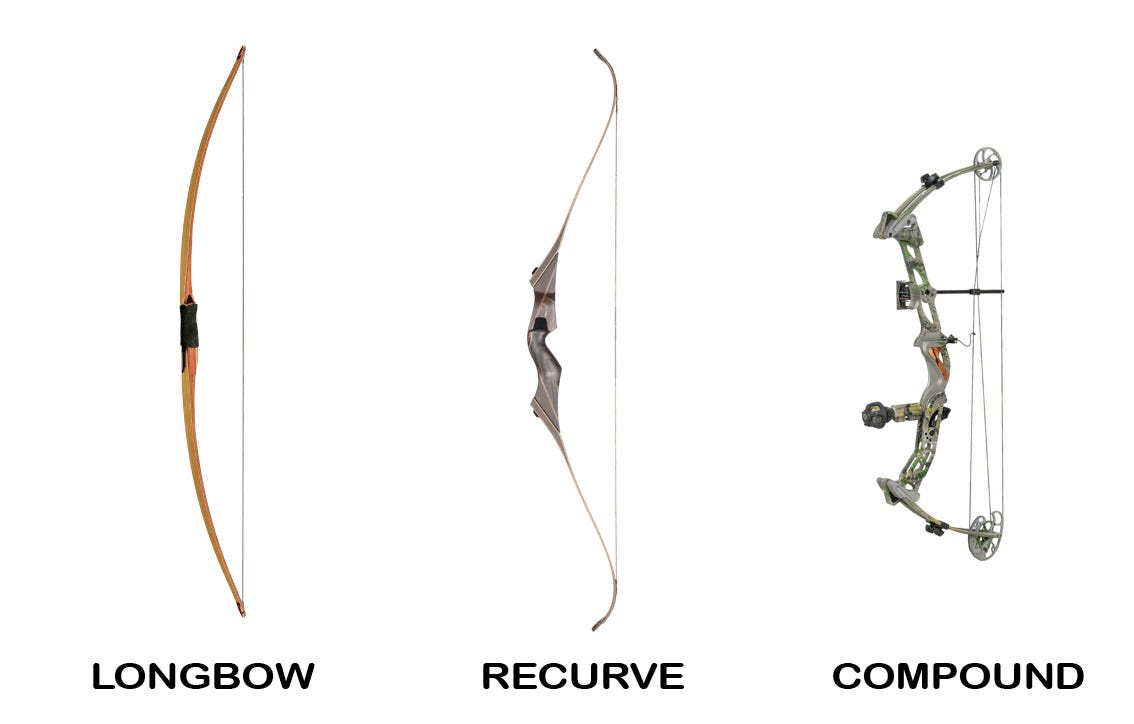
Credit: akshayashakti.org
Maintenance And Care
Clean bows with a soft cloth. Avoid harsh chemicals. Store in dry places. Humidity can damage bows. Check for dust often. Keep bows away from heat. Heat can warp the bow. Use bow cases for storage. Cases protect from bumps. Proper storage extends bow life.
Inspect bows regularly for damage. Look for cracks and splits. Repair quickly if damaged. Adjust strings for tension. Loose strings affect accuracy. Use proper tools for adjustment. Consult experts for major repairs. Adjust sights for aim. Correct aim improves performance.
Archery Tips And Techniques
Aim with your eyes. Look straight at the target. Keep your focus steady. Move your bow slowly. Practice helps a lot. Aim better with each try.
Stand firm on the ground. Keep feet apart. Hold the bow tight. Make sure your arms are strong. Breathe calmly. Stay steady and focused.
Release the arrow smoothly. Don’t rush. Feel the bowstring. Let it go gently. Practice makes you better. Try again and again.
Credit: www.outdoorlife.com
Frequently Asked Questions
What Is A Composite Bow?
A composite bow is made from multiple materials like wood, horn, and sinew. These materials enhance its flexibility and strength. Composite bows are historically used by various cultures, including Mongols and Turks. They are known for their lightweight design and impressive power, making them suitable for horseback archery.
How Does A Compound Bow Work?
A compound bow uses a system of pulleys and cables to reduce draw weight. This mechanical advantage allows archers to hold the bowstring longer and aim more precisely. Compound bows are popular in modern archery and hunting due to their accuracy and power.
They require less physical strength than traditional bows.
Which Is More Accurate, Composite Or Compound?
Compound bows are generally more accurate due to their advanced design. The pulley system allows consistent and precise shots, especially with modern sights and stabilizers. Composite bows can be accurate but require more skill and practice. Compound bows are preferred for target shooting and hunting for their precision.
Are Composite Bows Harder To Draw?
Composite bows can be harder to draw than compound bows. They lack the mechanical advantage of pulleys found in compound bows. This means they require more physical strength and technique. However, experienced archers appreciate their historical significance and unique feel.
Proper practice can improve drawing skills with composite bows.
Conclusion
Choosing between a composite bow and a compound bow depends on your needs. Composite bows offer tradition and simplicity. They are great for those who prefer a classic feel. Compound bows provide precision and power. They suit archers seeking advanced technology.
Each type has unique advantages. Consider your shooting style and purpose. Whether hunting or practicing, the right bow enhances your experience. Explore both options before deciding. Test them if possible. Your choice impacts accuracy and comfort. Focus on what feels best for you.
Happy shooting and enjoy your archery journey!
Related pick: Check today's price on Amazon