How To Survive 2 Composite Bow: Essential Guide
Your quick survival guide for the “How to Survive 2 Composite Bow” is here! Master this essential tool by understanding its parts, mastering aiming, proper handling, and strategic use for hunting and defense. We’ll break down how to wield it effectively for survival.
Ever found yourself in a tough spot, wishing you had a reliable tool to hunt for food or protect yourself from a distance? In the world of survival games like “How to Survive 2,” the composite bow is your best friend. It’s quiet, reusable ammo, and surprisingly powerful when used correctly. But if you’re new to this, it might feel a bit tricky to get the hang of. Don’t worry! This guide is here to make shooting your composite bow simple and effective. We’ll walk you through everything, from holding it just right to hitting those crucial shots without breaking a sweat. Get ready to become a skilled archer in no time!
Understanding Your Composite Bow in How to Survive 2
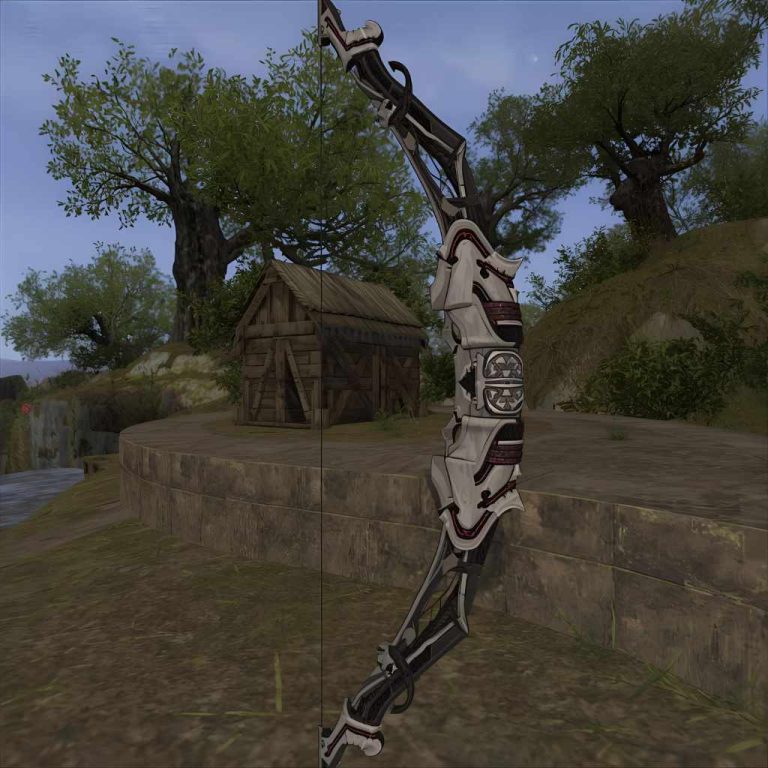
Before we start flinging arrows, let’s get familiar with the star of the show: the composite bow. In “How to Survive 2,” this isn’t just any bow; it’s a crafted tool built for effectiveness in a world full of dangers. Understanding its components and how they work together is the first step to mastering it. It’s designed to be more powerful and easier to draw than simpler bows, making it a significant upgrade.
Key Components of the Composite Bow
While “How to Survive 2” simplifies some aspects for gameplay, the composite bow still has core parts that are important to know:
- Riser: This is the grip part of the bow, where you hold it. A good grip is essential for stability.
- Limbs: These are the flexible arms of the bow that bend to store energy when you draw the string.
- String: The string connects the two limbs and transfers the stored energy to the arrow when released.
- Arrows: The projectiles you shoot are just as important as the bow itself! In “How to Survive 2,” you’ll craft different types of arrows for various situations.
Why the Composite Bow is Great for Survival
The composite bow stands out for several reasons in a survival scenario:
- Quiet Operation: Unlike firearms, bows are much quieter, which is crucial for avoiding unwanted attention from zombies or alerting other survivors.
- Reusable Ammunition (with caution): You can often retrieve your arrows after a shot, making it a cost-effective and sustainable choice for ammo.
- Accuracy at a Distance: With practice, you can achieve impressive accuracy, allowing you to engage threats or hunt prey from a safe distance.
- Low Maintenance: Compared to complex machinery, a bow is relatively simple and requires less upkeep, which is a huge plus in a resource-scarce environment.

Crafting and Upgrading Your Composite Bow
In “How to Survive 2,” you don’t just find a composite bow; you often have to craft it or significantly upgrade a basic bow to reach this level of performance. Knowing what materials you need and how to improve its stats can make a world of difference.
Essential Crafting Materials
To craft a composite bow, you’ll typically need resources like:
- Wood: The fundamental building block for the bow’s structure.
- Fibers or Gut: Used to create a strong and durable bowstring.
- Metal Scraps or Other Reinforcements: For a composite bow, you’ll often need materials to reinforce the limbs for extra power.
Keep an eye out for workbench locations in the game, as these are usually required for advanced crafting recipes like the composite bow.
Improving Your Bow’s Performance
Once you have a composite bow, you can often improve its capabilities through upgrades. These might include:
- Increased Draw Weight: Makes the bow more powerful, dealing more damage per shot.
- Faster Arrow Speed: Reduces the bullet drop and travel time, making it easier to hit moving targets.
- Improved Durability: Makes the bow last longer before needing repairs.
Always check your crafting menu and workbench for available upgrades. Prioritize upgrades that boost damage and handling.
Mastering the Art of Shooting: A Step-by-Step Guide
Now for the fun part – actually shooting the bow! This section breaks down the fundamental steps to help you become an accurate archer in “How to Survive 2.” Remember, consistent practice is key.
Step 1: Stance and Grip
Your shooting stance and how you hold the bow set the foundation for every shot.
Stance:
- Stand with your feet shoulder-width apart, facing slightly to the side of your target. Imagine an “X” where your front foot is slightly ahead, and your body forms an “L” shape. This provides a stable base.
- Keep your weight balanced evenly.
Grip:
- Hold the bow riser gently. Don’t grip it tightly! A relaxed grip prevents your hand from interfering with the bow’s movement.
- Place your fingers on the grip naturally, as if you’re shaking hands with it. The bow should pivot slightly in your hand when released.
Step 2: Nocking the Arrow
This is the simple act of placing the arrow onto the bowstring.
- Take an arrow from your quiver.
- Locate the nock – it’s the grooved end of the arrow.
- Place the nock onto the bowstring. You’ll find a specific spot on the string, often reinforced, called the “nocking point.” It usually has a small loop or bead to guide you.
- Ensure the arrow’s fletching (the feathers or vanes) are oriented correctly, usually so that one vane points away from the bow riser.
Step 3: Drawing the Bow
This is where you pull back the bowstring to store energy.
- Bring your drawing hand (the one holding the string) to your face.
- Use the muscles in your back, not just your arm. Imagine pulling your shoulder blade back and down.
- Keep your draw consistent. Try to stop at the same point each time. This consistent anchor point is vital for accuracy.
- Keep your bow arm extended towards the target but relaxed. Don’t lock your elbow.
Step 4: Aiming
Here’s where strategy meets precision. In “How to Survive 2,” aiming can be influenced by arrow drop over distance.
- Line it Up: While drawing, bring your eye close to the bowstring.
- Use the Sight (if available): Some bows in games have a simple sight. Align the sight pin with your target.
- Instinctive Aiming: If no sight is available, use a technique called “gap shooting” or “instinctive aiming.” You focus on the target and naturally aim slightly above or below depending on the distance. For games like “How to Survive 2,” you’ll need to learn how much your arrow drops. Practice is key here to see where your arrows land at different ranges.
- Breathing: Take a shot breath, exhale slowly, and hold your breath briefly at the point of full draw to steady your aim.
Step 5: Releasing the Arrow
This is the moment of truth!
- Maintain your aiming focus.
- Relax your drawing fingers smoothly without jerking. The string should slip cleanly off your fingers.
- Follow through: After releasing the string, let your drawing hand continue its natural motion backward slightly. This prevents you from “plucking” the string, which can throw off your shot.
- Stay in position for a moment to see where your arrow lands.
Step 6: Follow-Through and Assessment
Don’t just shoot and forget. What happens next is important for improvement.
- Maintain Aim: Keep your bow arm extended and your aiming focus on the target even after the arrow has flown.
- Observe: Note where your arrow hit. Was it high, low, left, or right? This feedback is crucial for adjusting your aim on the next shot.
- Analyze: Did you feel any tension in your grip? Was your draw too jerky? Use this information to correct your technique.
Tips for Effective Bow Hunting and Defense
Beyond the basic shooting mechanics, there are strategic elements to consider when using your composite bow in “How to Survive 2.”
For Hunting
- Stealth is Key: Move slowly and quietly. Use cover to get as close as possible before shooting.
- Target Specifics: Aim for vital organs (heart, lungs) for a quick, clean kill. This usually means aiming for the center mass of the chest area.
- Know Your Range: Composite bows have effective ranges. Don’t attempt shots that are too far; you’ll likely wound the animal and lose it.
- Arrow Types: Consider using specialized hunting arrows with broader arrowheads if available in the game to maximize damage.
For Defense
- Prioritize Threats: Focus on the most immediate dangers first.
- Use Cover: Stay behind obstacles and pop out only to shoot. This minimizes your exposure to enemy attacks.
- Conserve Ammo: While arrows can be recovered, it’s not always guaranteed. Be deliberate with your shots.
- Group Management: If facing a horde, try to pick off threats at the edge of the group first to thin them out or slow them down.
- Aim for Weak Spots: For zombies, headshots are generally the most effective way to neutralize them quickly.
Arrow Trajectory and Factors Affecting Your Shot
Understanding how arrows fly is crucial for hitting your mark consistently, especially in a game environment where physics play a role. This is often referred to as “bullet drop” for firearms, but with bows, it’s “arrow drop.”
Arrow Drop
When you shoot an arrow, gravity constantly pulls it downwards. The faster the arrow, the less it will drop over a given distance. The draw weight of your composite bow, the quality of your arrows, and the distance to your target all influence how much you need to compensate.
Angle of Trajectory
Shooting uphill or downhill requires aiming differently. If you’re shooting uphill, aim slightly lower than you normally would. If shooting downhill, aim slightly higher. This visual guide can help understand angles:
| Shooting Angle | Adjustment Needed | Explanation |
|---|---|---|
| Level | Standard aim | Aim directly at the target or account for natural arrow drop based on distance. |
| Uphill | Aim Lower | Gravity seems to pull the arrow less effectively downwards due to the upward angle. |
| Downhill | Aim Higher | Gravity has a more pronounced effect on the arrow’s path relative to your line of sight. |
Wind and Environmental Factors
While “How to Survive 2” might not simulate wind extensively for bows, in more realistic survival scenarios, wind would also affect your arrow’s flight. For game purposes, focus primarily on distance and angle. If the game does include environmental effects like wind, you’d aim slightly into the wind or adjust based on its direction and strength.
Practice Range and Target Acquisition
The best way to learn how your arrows fly in “How to Survive 2” is through practice. Find a safe area, set up targets at varying distances, and shoot a few arrows at each. Note where they land and adjust your aim accordingly. This practical experience helps you instinctively know how much to compensate for distance.
Troubleshooting Common Archery Issues
Even with a guide, you might run into some challenges. Here are common problems and how to fix them in “How to Survive 2.”
Problem: Arrows are consistently hitting low.
Possible Causes:
- You are not judging the distance correctly and aiming too low for the actual range.
- Your anchor point (where you draw the string to your face) is inconsistent, causing a lower draw.
- You’re anticipating the shot and dropping your drawing hand slightly before release.
Solutions:
- Practice at known distances to learn arrow drop.
- Focus on drawing to the exact same spot on your face every time.
- Ensure a clean, smooth release and follow-through.
Problem: Arrows are veering left or right.
Possible Causes:
- Your grip on the bow riser is too tight, causing torque.
- Your release is “plucking” the string instead of letting it slip cleanly.
- Fletching damage on arrows.
Solutions:
- Relax your grip. Let the bow pivot naturally in your hand.
- Practice a smooth release, ensuring your fingers don’t pull the string sideways.
- Check your arrows for damaged fletching and craft new ones if needed.
Problem: Difficulty drawing the bow smoothly.
Possible Causes:
- You are using too much arm strength and not engaging back muscles.
- The draw weight might be too high for your current skill level or strength.
Solutions:
- Focus on pulling with your back and shoulder muscles. Imagine drawing your shoulder blade backward and down.
- If possible in the game, consider using a bow with a slightly lower draw weight until you build strength, or look for bow upgrades that might make drawing easier (though usually upgrades increase power, not ease).
Problem: Inconsistent shot placement.
Possible Causes:
- Lack of a consistent anchor point.
- Fluctuating draw length.
- Not holding the bow steady at full draw.
Solutions:
- Establish a firm and repeatable anchor point (e.g., string touching the corner of your mouth, or index finger on your cheekbone).
- Hold at full draw for a moment, focusing on breathing and steadying your aim before releasing.
Safety First!
Even in a game, safe practices make for better gameplay and understanding. Treating the bow with respect is always a good idea.
- Always know your target and what’s beyond it. This is crucial in “How to Survive 2” to avoid friendly fire or shooting through walls into unintended areas.
- Never point a drawn bow at anything you do not intend to shoot.
- Keep your fingers away from the bowstring unless you are actively drawing and shooting.
- Store your bow safely. In a game, this usually means keeping it in your inventory or stowed away when not in use.
Following these safety guidelines contributes to a more controlled and effective survival experience.

Frequently Asked Questions (FAQ)
What is the best bow for beginners in “How to Survive 2”?
The Composite Bow is generally considered the best all-around bow for survivors in “How to Survive 2” due to its balance of power, accuracy, and crafting accessibility. It’s a significant step up from basic bows and essential for progression.
How do I aim most effectively with the Composite Bow?
Aiming involves a combination of a stable stance, consistent draw, and proper aiming technique. Focus on your target, learn how much your arrows drop at different distances, and adjust your aim accordingly. Practice is key to developing good aim.
Can I recover arrows after shooting them in “How to Survive 2”?
Yes, you can often recover arrows after shooting them. However, it’s not guaranteed, especially if the arrow hits a difficult surface or a zombie. Always check the area where you shot. This reusability is a major advantage of bows.
What materials are needed to craft a Composite Bow?
Typically, you’ll need common survival resources like wood, fiber or gut for the string, and potentially metal scraps or other reinforcements to create a composite bow. Always check your in-game crafting menu for the exact requirements.
How do I deal with moving targets like fast zombies with the Composite Bow?
For moving targets, lead your shot. This means aiming slightly ahead of the target in the direction it is moving. Practice learning the flight speed of your arrows to get a feel for how much to lead at different distances.