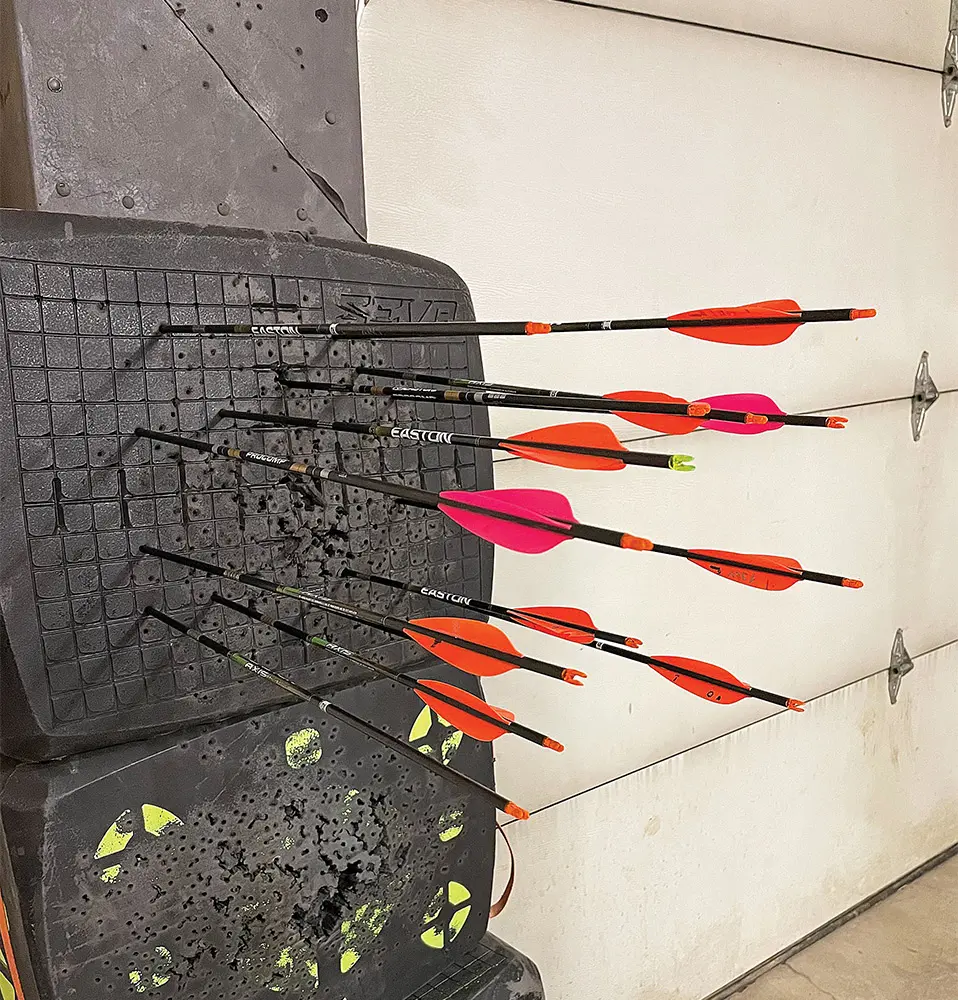
Are Bow And Arrows Effective at Point Blank? Unveiling Truths
Do you ever wonder how effective a bow and arrow can be at point blank range? It’s a fascinating question that might surprise you. For more on this, see our guide on Are Pointy Elbows Bad? Myths, Facts, and What You Should Know.
For a closely related bow or archery topic, Do All Composite Doors Bow? Essential gives readers a useful next step.
For a related arrow setup, 29″ vs 30″ Arrows for Compound Bow: What’s the Choice? gives readers another detail to check before shooting.
For a related arrow setup, How To Mount a Kwikee Kwiver Recurve Bow Quiver: Essential gives readers another detail to check before shooting.
Picture this: you’re holding a bow, an ancient weapon that has been a symbol of skill and precision for centuries. But when it comes down to those crucial close encounters, can it really deliver? Understanding its power and limitations can change how you view this legendary tool.
Whether you’re a history enthusiast, an archer, or just curious, this exploration will open your eyes to unexpected insights. Stick around to discover the truth about the bow and arrow’s capabilities when the target is just a breath away.
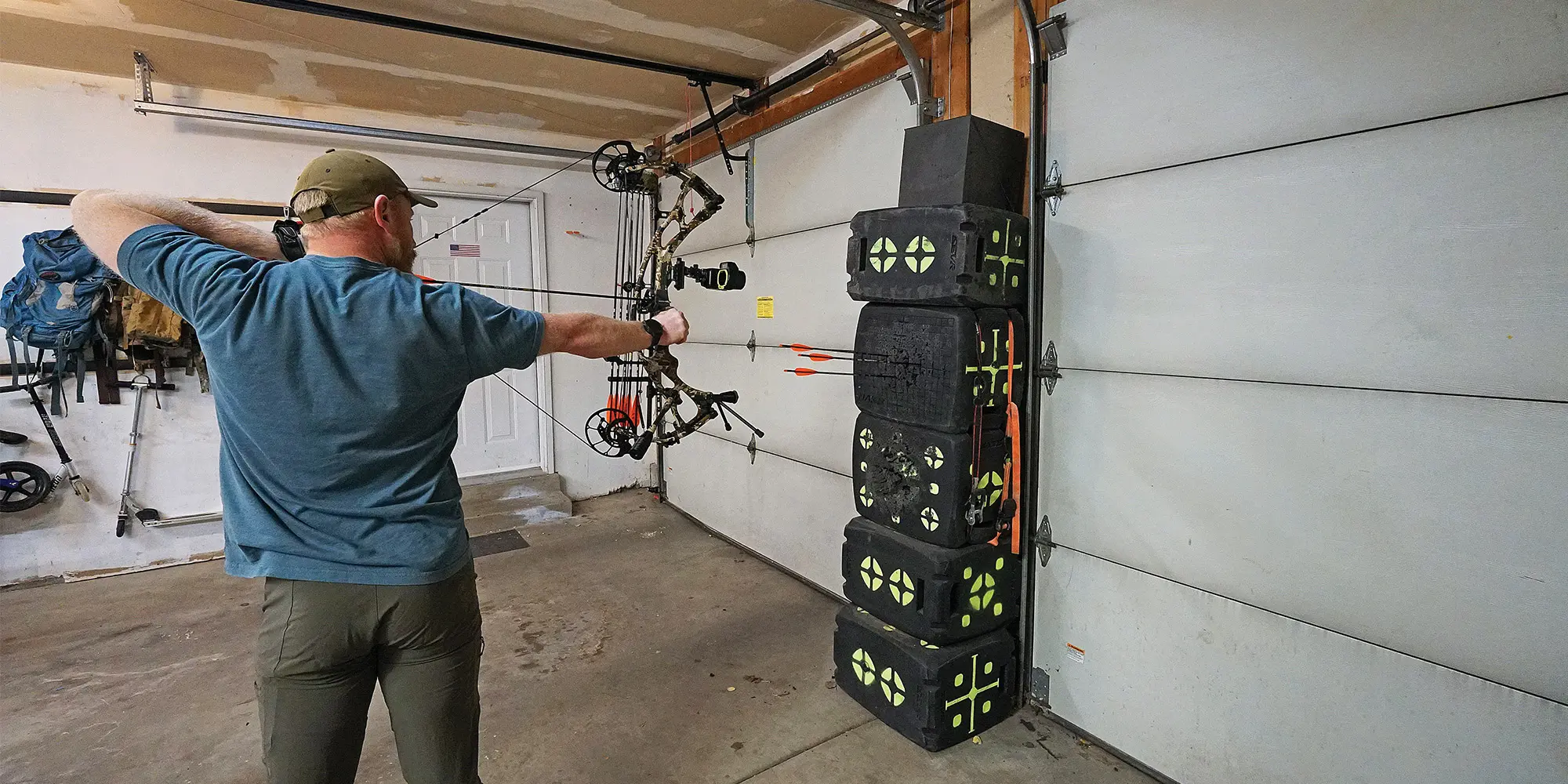
Credit: westernhunter.net
Historical Use Of Bow And Arrows
Bows and arrows were used in many ancient wars. Soldiers valued their range and accuracy. Archers could attack from far away, staying safe. They often stood on high ground. This gave them a better view. The bow was a key weapon in battles. It was light and easy to carry. Many armies trained archers for their skill. This made bows important in many fights.
Bows were also tools for hunters. Hunters used them to catch food. They could hunt quietly, without scaring animals. This was important for survival. Bows allowed hunters to stay hidden. They could shoot from a distance. This made hunting safer and more effective. Many cultures relied on bows for hunting. It was a skill passed down through generations.
Mechanics Of Bow And Arrows
Arrows move fast when shot. Their speed comes from the bow’s force. Force pushes the arrow forward. Air affects the arrow’s path. It can make it fly straight or wobble. Pointed tips help the arrow cut through air. This makes arrows go farther and hit harder. They need to be balanced to fly well. Heavy arrows travel slower. Light arrows are faster but may not hit hard. Arrow dynamics are important for accurate shots.
Bow force is strong. It helps arrows travel fast. The string stores energy when pulled back. Releasing it sends the arrow flying. The speed depends on how hard you pull. A tighter string means faster arrows. Speed helps arrows hit targets quickly. Short distance shots are very effective. Point blank range is close and powerful. Bow force and speed work together for good results.
Point Blank Range Explained
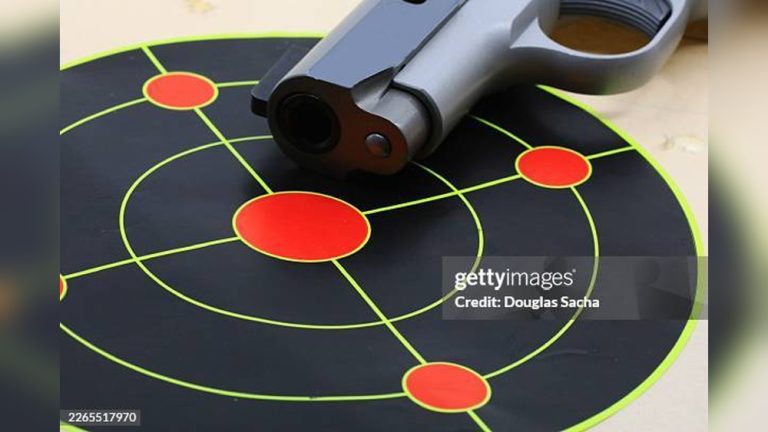
Point blank means very close distance. It’s like standing near your target. Usually, no more than a few feet away. At this range, aiming is easy. The arrow travels almost straight. It hits the target quickly.
At close range, arrows have strong impact. They can cause serious harm. The power is much higher. The arrow doesn’t lose speed. It has less air resistance. This makes it very effective. It can penetrate tough surfaces easily.
Credit: pointblankrange.com
Comparative Effectiveness
Bows can be silent. Firearms are loud and can alert others. Bows do not need bullets. They use arrows that can be reused. Firearms require ammunition that can run out quickly. Bows need strength and practice. Firearms need aim and focus. Firearms can be quicker in firing. Bows take time to draw and aim. Bows can be effective in close spaces. Firearms may cause more damage at point blank.
Bows offer stealth in hunting. Firearms provide speed in combat. Bows need less maintenance. Firearms need regular cleaning. Bows are lighter to carry. Firearms are heavier and bulky. Bows can be made from simple materials. Firearms need complex parts and technology. Bows can be used in silent missions. Firearms are better for fast action. Bows require skill and patience. Firearms require precision and care.
Modern Applications
Bow and arrows at point blank range can be surprisingly effective. The arrow’s speed and sharpness make it a powerful tool. Yet, accuracy is crucial to ensure success in such close encounters.
Sporting Events
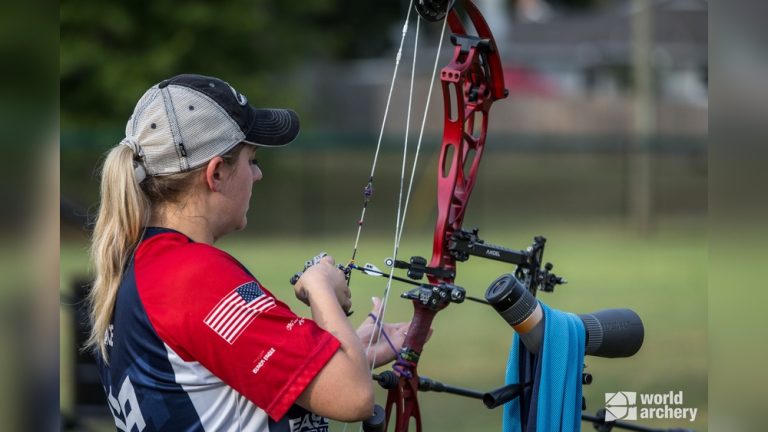
Archery is a popular sport worldwide. People use bows and arrows in competitions. It needs skill and focus. Many enjoy watching archery games. Athletes practice for hours. They aim at targets with precision. Some targets are close. Others are far. Each shot needs control. Bows and arrows are safe in events. They teach discipline and patience. Archery is fun for many.
Self-defense Scenarios
Bows and arrows can help in self-defense. They can be useful indoors. At close range, they are fast. They can surprise attackers. Arrows can stop threats quickly. They are quiet weapons. This can be an advantage. Accuracy is important in defense. Practice makes the shot better. Bows do not need electricity. They can work anytime. They are simple to use. They require no special skills.
Credit: pointblankrange.com
Safety Concerns
Bow and arrows can be dangerous at close range. They can cause serious harm if not handled carefully. Safety is crucial when using these weapons.
Accidental Injuries
Bow and arrows can cause harm if not used carefully. Accidental injuries happen when arrows go off target. This can hurt people nearby. Proper aim is very important to keep everyone safe. Never point an arrow at a person. Always check if the area is clear. Safety gear, like gloves and arm guards, helps protect users. Injuries can happen if bows are not handled correctly. Be sure to follow safety rules always. Practice makes perfect and safe too!
Proper Handling Techniques
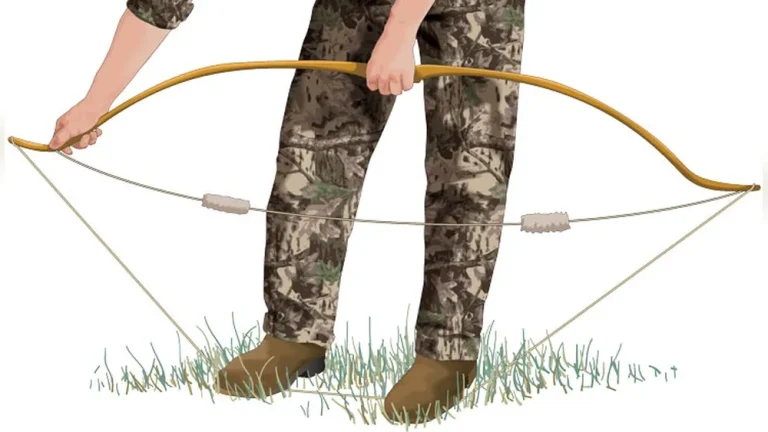
Using bow and arrows needs care. Proper handling keeps everyone safe. Hold the bow firmly with both hands. Stand straight and aim carefully. Pull the string gently. Release the arrow smoothly. Never shoot without checking the area. Safety checks are important before shooting. Always use arrows meant for your bow. Wrong arrows can break and cause harm. Practice often to get better and safer!
Cultural Significance
Bow and arrows often appear in movies and books. They are symbols of skill and adventure. Many heroes use them to show their bravery. These weapons are iconic in fantasy stories. They represent freedom and wildness. People love the mystery they hold. They add a touch of old-world charm.
People have used bows for thousands of years. They were important in many cultures. Archery was both a sport and a survival skill. In some places, it was part of ceremonies. It was a way to show respect and honor. Bows were tools for hunting and protection. They connected people to their land and traditions.
Frequently Asked Questions
Are Bows Effective At Point Blank Range?
Bows can be effective at point blank range, but it depends on the archer’s skill. The bow’s power and the type of arrow used also play a role. For self-defense, other weapons may be more suitable. However, in hunting or sport, close-range shots can be very effective.
Can Arrows Penetrate At Close Range?
Arrows can penetrate targets at close range, depending on their design and material. Broadheads are particularly effective for penetration. The draw weight of the bow also affects penetration capability. Proper arrow placement is crucial for maximum effect, especially in hunting scenarios.
What Are The Risks Of Using Bows Up Close?
Using bows at close range poses several risks, including injury to the archer or bystanders. Misfires or ricochets can occur if not handled properly. Close-range shots require precise aim to avoid unintended damage. Proper training and safety precautions are essential to mitigate these risks.
How Does Bow Type Affect Point Blank Effectiveness?
The type of bow affects its effectiveness at point blank range. Compound bows offer more power and accuracy. Recurve bows are versatile but may require more skill. Crossbows are very effective at close range due to their design. Each bow type has unique advantages for close-range use.
Conclusion
Bow and arrows can be effective at close range. Their power and precision depend on skill. Short distances maximize impact. Arrows travel fast, hitting targets swiftly. Practice improves accuracy and control. Safety must always be a priority. Proper gear enhances protection.
Consider surroundings before aiming. Respect the power of this ancient tool. Understanding its limitations is key. Bow and arrows offer unique challenges. They require dedication and patience. Point blank range demands caution. Always prioritize safety and responsibility. Embrace the art of archery.
Appreciate its historic significance and modern utility. Keep learning and practicing to enhance skills.