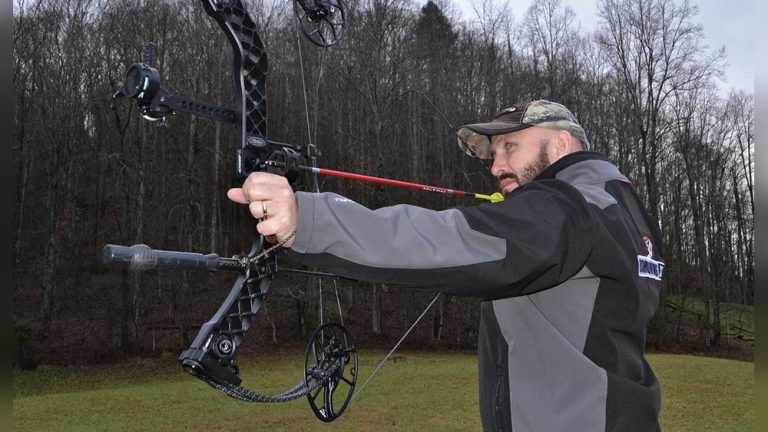
Is a Bow Practical for Self Defense? Pros, Cons, and Expert Tips
Many people are fascinated by bows. The image of an archer defending themselves is powerful, seen in movies and stories from ancient times to today. But when it comes to real-world self-defense, is a bow truly practical? This question matters, especially for those who want to protect themselves but are not comfortable with firearms.
Let’s look at the facts, compare a bow to other options, and see if it can actually work for self-defense.
How A Bow Works In Self-defense Scenarios
A bow is a ranged weapon. You pull back the string, aim, and release an arrow toward your target. Historically, bows were used in battles and hunting, but the way they work in a modern self-defense situation is very different.
To use a bow for defense, you must:
- Quickly access it
- Load (nock) an arrow
- Aim accurately under stress
- Release with force
In a real attack, time is short and adrenaline is high. You may not have the space or calm needed to use a bow effectively. Most people are not trained to shoot well under pressure, especially if someone is running toward them.
Another issue is the size. Bows are long and not easy to carry in daily life. Unlike a handgun or pepper spray, a bow is hard to keep close at hand, especially indoors.
Comparing Bows To Other Self-defense Tools
Is a bow better than other self-defense options? To answer this, let’s look at how bows compare with common tools like firearms, pepper spray, and tasers.
| Self-Defense Tool | Effective Range | Ease of Use | Legal Restrictions | Concealability |
|---|---|---|---|---|
| Bow | Up to 30 yards (practical) | Difficult (requires training) | Few in most areas | Poor |
| Handgun | Up to 25 yards | Moderate (with training) | Strict in many areas | Excellent |
| Pepper Spray | 10-15 feet | Easy | Some restrictions | Excellent |
| Taser | 15-25 feet | Easy | Varies by state | Good |
From this table, you can see that bows have a longer range than pepper spray or tasers, but are much harder to use quickly. They are also difficult to hide or carry. Handguns are easier to carry and use in an emergency, but have more legal issues in many places.

Credit: theprepared.com
Real-world Effectiveness: Can A Bow Stop An Attacker?
To stop an attacker, a weapon must be fast, reliable, and easy to use in a crisis. Bows can be deadly, but several things lower their practical value in self-defense:
- Draw Time: Nocking an arrow and pulling the string takes precious seconds. Most attacks are sudden. You may not have time to prepare.
- Skill Required: Accurate shooting under stress is difficult, even for skilled archers. Beginners will likely miss at close range.
- Intimidation Factor: Some people believe the sight of a bow will scare off attackers. But many attackers may not be afraid, especially if they see you struggling to load an arrow.
- Capacity: Unlike firearms, which may hold several rounds, a bow must be reloaded after every shot. If you miss, you may not get a second chance.
- Indoor Use: Tight spaces make it almost impossible to use a bow effectively.
Pro Tip: In my experience, even people who shoot bows for sport struggle to use them under pressure. Practicing at a calm outdoor range is very different from facing a real threat.
Legal Considerations Of Using A Bow For Self-defense
Laws about self-defense weapons differ widely. In many places, bows are less restricted than firearms. You can own and use them without a permit. But using a bow in self-defense can still have serious legal results.
- If you injure or kill someone with a bow, the same self-defense laws apply as with any weapon.
- You must prove you were in immediate danger and had no other option.
- If you use deadly force when it is not justified, you could be charged with a crime.
It is smart to check your local laws before considering any weapon for self-defense. Some cities or states may have specific rules about carrying or using bows in public.
For more information on self-defense laws in the US, see the Wikipedia page on Self-Defense (United States).
Types Of Bows: Which Is Most Practical For Defense?
There are different types of bows, each with its own strengths and weaknesses.
| Bow Type | Size | Power | Ease of Use | Self-Defense Potential |
|---|---|---|---|---|
| Recurve Bow | Medium | Medium-High | Moderate | Low |
| Compound Bow | Large | High | Difficult (complex parts) | Very Low |
| Longbow | Large | Medium | Moderate | Very Low |
| Crossbow | Medium | High | Easy (point and shoot) | Medium |
- Recurve bows are popular for target shooting. They require skill and are not quick to load.
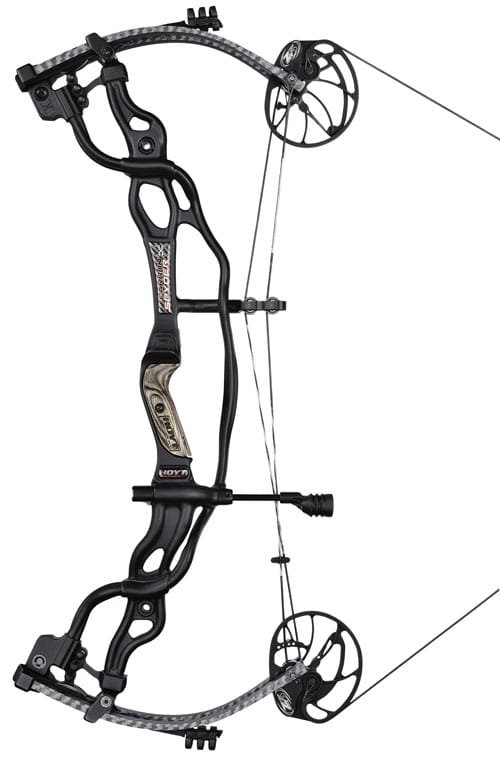
- Compound bows are powerful but heavier and have more moving parts. They are slower to load than many think.
- Longbows are large and simple but hard to use indoors or in close quarters.
- Crossbows are different: You can load and keep them ready, then pull a trigger to fire. This makes them easier to use in an emergency, but they are heavy and still slow to reload.
Of all these, a crossbow is the most practical for self-defense, but even it has limits compared to modern firearms or sprays.
Training And Skill: What It Takes To Defend Yourself With A Bow
Using a bow in self-defense is not like firing a gun. It takes months or years of regular practice to become good enough to shoot fast and accurately.
Key skills include:
- Drawing and nocking an arrow quickly
- Aiming under pressure
- Shooting accurately at moving targets
- Maintaining your bow
Most people who own bows use them for sport or hunting, not for self-defense. Training for self-defense is very different. You must practice in stressful, realistic scenarios. This is rare, even among archery fans.
Warning: If you do not practice regularly, your skills will fade. You may freeze or make mistakes in a real emergency.
Storage, Access, And Carrying Issues
For a weapon to help in self-defense, you must be able to reach it fast. Bows are long and often stored in cases or closets. By the time you get your bow, string it (if needed), and nock an arrow, an attacker could already be too close.
Carrying a bow in daily life is not practical. It draws attention and is not easy to hide. In your car or home, it is often out of reach when you need it most.
Arrows are also a problem. You need to keep them safe and ready. Dropping arrows or fumbling them under stress is common, especially for beginners.
Psychological Factors: How Attackers And Victims React
Self-defense is not only about weapons. Psychology plays a big role.
- Victim’s Stress: Adrenaline makes your hands shake, your thinking slower, and your fine motor skills worse. This makes using a bow even harder.
- Attacker’s Reaction: Some attackers may be surprised by a bow. Others may charge faster, seeing you struggle to load or aim. Unlike guns, bows are less likely to scare someone away instantly.
Example: In home defense situations, attackers often break in quickly and aggressively. You have seconds to react. Fumbling with a bow may be worse than having no weapon, as it shows you are unprepared.
Practical Scenarios: When Might A Bow Be Useful?
There are a few rare cases where a bow could be useful for self-defense:
- Rural Settings: If you live far from others and have time to prepare, a bow could work against a distant threat (such as a wild animal).
- Legal Restrictions: In places where guns are illegal but bows are allowed, some people choose them for peace of mind.
- Backup Tool: Experienced archers who already have bows at home may feel safer knowing they have something, even if it’s not ideal.
But for most people, bows are not practical for urban or quick-reaction defense.
Non-obvious Insights: What Beginners Miss
Most people focus only on the power of a bow or how deadly it can be. But there are hidden factors beginners often miss:
- Noise Factor: Bows are very quiet compared to guns. This can be good (not alerting others), but bad if you need help, as neighbors may not hear the attack or your defense.
- Legal Aftermath: Even if bows are legal to own, using one in self-defense can still lead to long police investigations. Officers may not be familiar with bow-related incidents, so your case could be more complicated.
- Arrow Recovery: After shooting, arrows often go through soft targets or miss entirely. Retrieving them in a panic is almost impossible, leaving you defenseless after one shot.

Credit: wakokujp.com
Safer And More Practical Alternatives
If self-defense is your main goal, there are safer, more practical options than bows:
- Pepper spray: Easy to use, legal in most places, and effective at close range.
- Personal alarms: Loud noises can scare off attackers and alert others.
- Tasers: Non-lethal and simple to use.
- Training in self-defense techniques: Knowing how to defend yourself without weapons can be lifesaving.
If you are serious about personal safety, consider these before relying on a bow.
Historical And Cultural Perceptions
The idea of using a bow for defense comes from history. In medieval times, archers were important in battles. Some cultures still value the bow as a symbol of strength. But today’s threats and environments are very different.
In modern society, the role of a bow has changed to sport and tradition. For example, Olympic archery is popular, but is focused on skill, not self-defense. Using a bow for personal safety today is more fantasy than reality for most people.
Credit: explainedarchery.com
Maintenance And Reliability
A bow must be kept in good condition. Strings wear out, limbs can crack, and arrows get damaged. Unlike firearms, which can be loaded and ready for years, bows need regular checks and care.
If you use a bow for self-defense, you must:
- Inspect it often for damage
- Replace strings as needed
- Keep arrows straight and sharp
Neglecting maintenance could mean your bow fails when you need it most.
Cost And Accessibility
Bows range in price from cheap beginner models to expensive hunting equipment. If you want a bow for self-defense, you must buy not just the bow, but also arrows, a quiver, and safety gear.
Compared to pepper spray or alarms, bows are a costly and complicated choice. They are also harder to find in some areas, especially specialty models suited for quick shooting.
Summary: Is A Bow A Practical Self-defense Tool?
Looking at all the facts, a bow is not a practical tool for self-defense in most cases. It requires:
- High skill and constant practice
- Time to prepare and use
- Space to shoot safely
- Regular maintenance
For most people, other tools are safer, faster, and more effective. Bows are best kept for sport, hunting, or tradition, not for defending your life in a crisis.
But if you are already an expert archer, live in a rural area, and have no other option, a bow is better than nothing. Just understand its real limits before depending on it.
Frequently Asked Questions
Can I Legally Carry A Bow For Self-defense In Public?
In many places, you can own and transport a bow without a special permit. However, carrying it in public for self-defense may still draw police attention or be considered threatening. Always check your local laws and remember that using a bow against someone can have the same legal consequences as any weapon.
Are Crossbows Better For Self-defense Than Regular Bows?
Crossbows are easier to use under stress because you can keep them loaded and use a trigger. They are more accurate for beginners and work better in tight spaces. However, crossbows are heavy, slow to reload, and often have their own legal restrictions.
How Much Training Is Needed To Use A Bow For Defense?
To use a bow well under pressure, most people need months or years of regular practice. This includes not just target shooting, but also training in quick loading, aiming in stressful situations, and maintaining your equipment.
What Should I Do If I Only Have A Bow During A Home Break-in?
If a bow is your only option, try to put as much space between you and the attacker as possible. Use barriers and call for help if you can. Remember, your first shot is likely your only chance, aim carefully and prepare to escape or hide afterward.
Are There Non-lethal Arrows For Self-defense?
Some companies make rubber or blunt arrows for practice, but these are not reliable for stopping an attacker. For self-defense, you need to stop the threat quickly, which is unlikely with non-lethal arrows. Non-lethal tools like pepper spray or tasers are much more effective and less risky.
Self-defense is about choosing the best tool for your own safety, not just what looks impressive or traditional. Think carefully, get proper training, and always put your safety first.