Is a Bow Wrist Sling Necessary? Pros, Cons, and Expert Tips
Archery is a sport where small details often make a big difference. If you’ve ever watched an experienced archer shoot, you might notice a thin strap connecting their bow hand to the bow itself. This is called a bow wrist sling. It may look simple, but many archers debate if it’s really necessary. Some shooters never use one, while others say they can’t imagine shooting without it. So, is a bow wrist sling necessary? Or is it just another accessory that adds little value? Let’s break down what a wrist sling does, who needs it, and why it matters, or doesn’t, for your shooting.
What Is A Bow Wrist Sling?
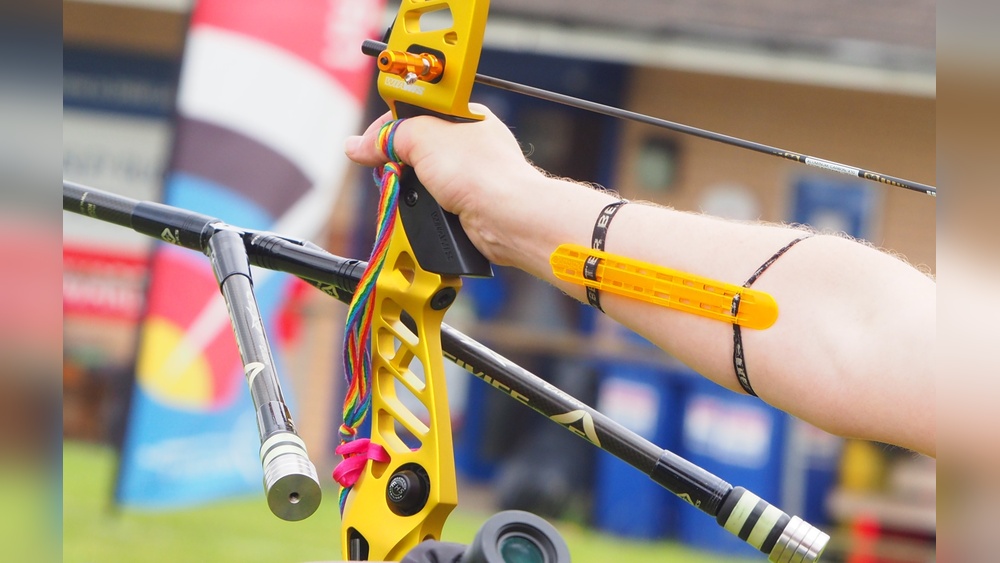
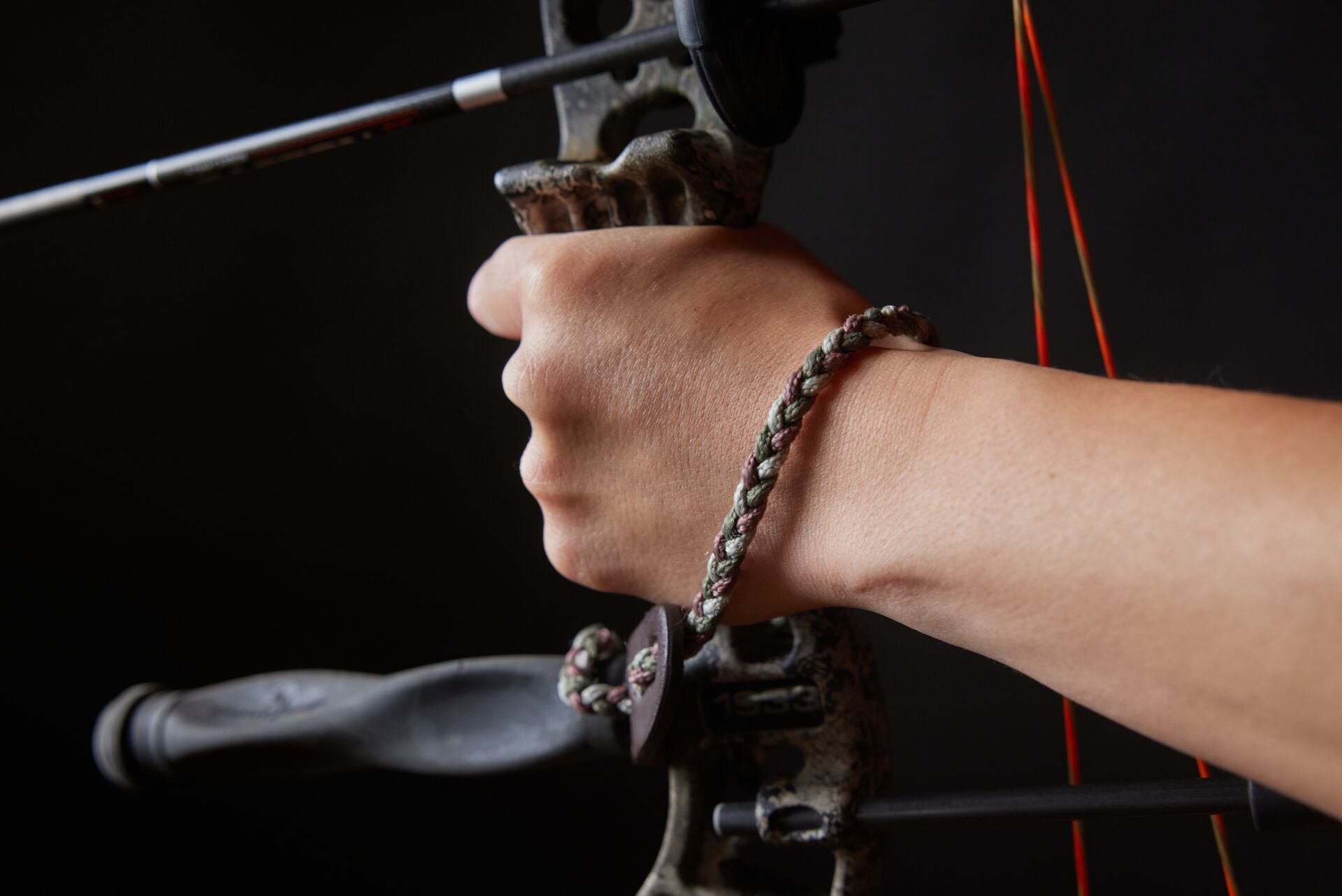
A bow wrist sling is a simple strap that attaches to the bow handle, looping around the archer’s wrist. Its job is to keep the bow from falling out of your hand after you release an arrow. Most wrist slings are made from leather, nylon, or paracord. They are adjustable to fit different hand sizes and bow styles. Some archers use a finger sling instead, which loops around the thumb and forefinger, but the basic idea is the same, keep the bow secure during and after the shot.
The sling doesn’t hold the bow tightly. Instead, it gives you the freedom to relax your grip, which is important for accurate shooting. This simple tool can change how you shoot and how your shots feel.
How A Wrist Sling Affects Your Shot
When you shoot a bow, the most accurate release happens with a relaxed bow hand. If you grip the bow tightly, your hand can twist or torque the riser, which sends the arrow off target. A wrist sling lets you keep your hand loose, knowing the bow won’t drop. This relaxed grip is called a “dead release,” and it’s a key skill for advanced archers.
Without a sling, some archers grip too hard because they’re afraid of dropping the bow. This “death grip” often causes left-right misses (for right-handed shooters, the arrow drifts left; for left-handed shooters, it drifts right). With a wrist sling, you can shoot with confidence, focusing on form instead of worrying about your equipment.
Pro Tip: If you notice sore hands or tense fingers after a shooting session, you might be gripping the bow too hard. Try using a wrist sling and see if your hand feels more relaxed.
Types Of Archers: Who Really Needs A Wrist Sling?
Not all archers shoot the same way. Whether you need a wrist sling depends on your style, your bow, and your goals.
Target Archers
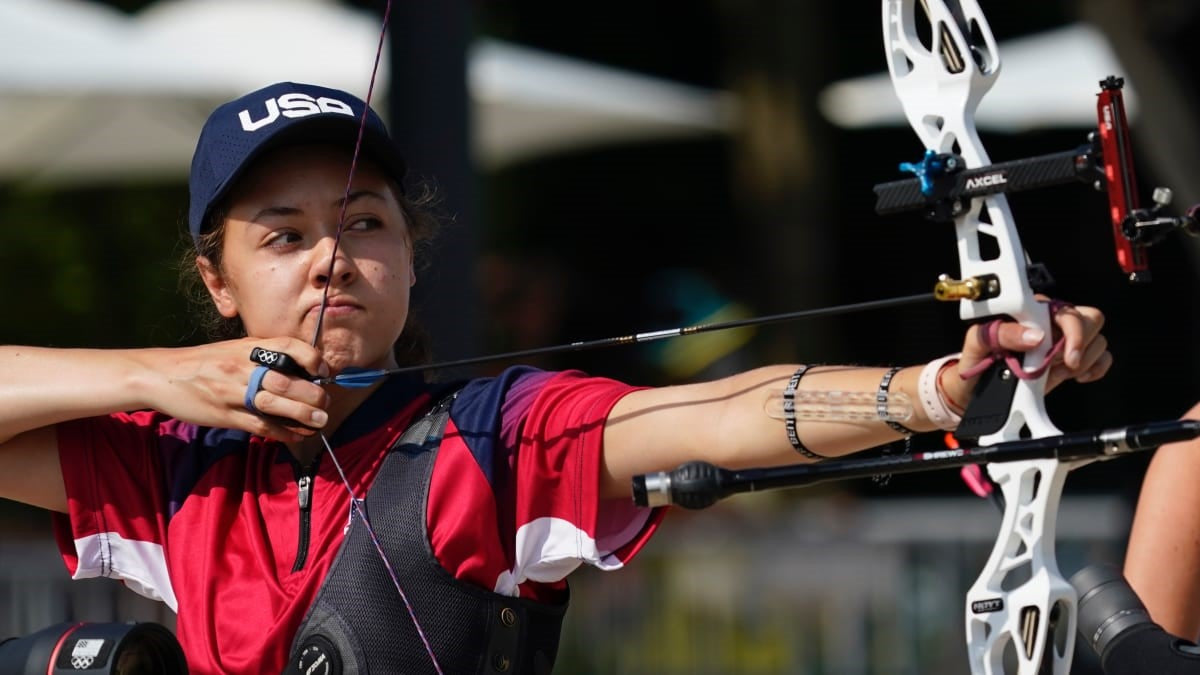
Target archers often use wrist slings because their shooting form demands a relaxed grip. In Olympic-style target archery, you’ll see almost every competitor using a wrist or finger sling. Their lightweight bows and stabilizers make it easy for the bow to jump forward after the shot. The sling catches the bow, so they don’t have to grip tightly.
Bowhunters
Bowhunters are split on wrist slings. Some use them for added security, especially with modern compound bows that can be heavy and smooth. Others skip the sling, especially if hunting in thick brush, where a sling can snag on branches. If you hunt from a stand or blind, a wrist sling is less likely to get in the way, and it can help you keep your grip relaxed for better accuracy.
Traditional Archers
Traditional archers (longbow and recurve shooters) often rely on their own feel and experience. Some use slings, but many do not, preferring the simplicity of bare hands. If you shoot traditional gear, test both ways to see what works best for you.
Beginners
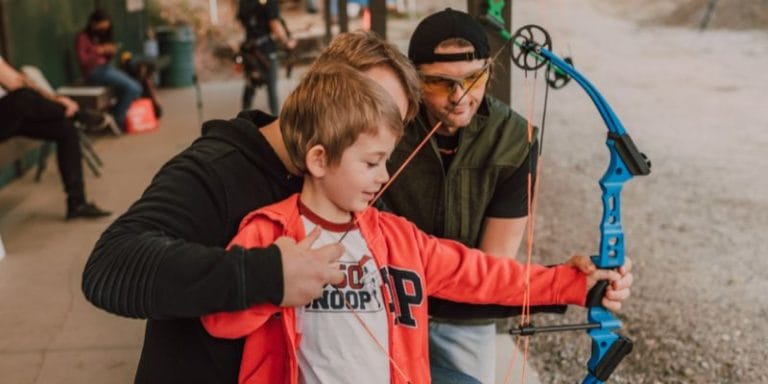
For beginners, a wrist sling can be helpful while learning proper grip and release. It removes the fear of dropping the bow and allows new shooters to focus on form. As skills improve, some archers choose to keep the sling, while others feel comfortable without it.
Main Benefits Of Using A Wrist Sling
A wrist sling may look like a simple accessory, but it can influence your shooting in several important ways. Let’s dig into the main benefits:
1. Promotes A Relaxed Grip
A relaxed grip is critical for consistent, accurate shots. With a wrist sling, you’re less likely to squeeze the bow, which reduces torque and improves arrow flight.
2. Prevents Bow Drops
When you release an arrow, the bow often jumps forward. The sling stops the bow from falling, protecting both your gear and your toes.
3. Improves Confidence
Knowing your bow is secure lets you focus on aiming and form, not worrying about equipment. This mental boost can improve performance, especially in competition.
4. Helps With Follow-through
A good follow-through is part of every accurate shot. The wrist sling lets the bow move naturally after release, which is key to developing good habits.
5. Protects Expensive Equipment
Modern bows are not cheap. A wrist sling helps prevent drops that can damage your riser, limbs, or accessories.
6. Useful In Wet Or Cold Conditions
If your hands are sweaty, wet, or cold, it’s easy to lose your grip. A wrist sling adds security in tricky conditions.
Downsides And Drawbacks Of Wrist Slings
Despite the benefits, not every archer loves wrist slings. Here are some reasons why:
- Can Catch on Clothing or Gear
A loose sling may snag on jackets, gloves, or brush, especially for bowhunters in thick cover.
- Takes Time to Adjust
Some slings need frequent adjustment to fit just right. If they’re too tight, they restrict movement; too loose, and they don’t help.
- Added Complexity
Every extra piece of gear is another thing to remember, maintain, or forget at home.
- Not Always Necessary
For archers with good grip habits and stable bows, a sling may not make much difference.
When I started archery, I used a wrist sling because I was afraid of dropping the bow. Over time, as my form improved, I found I could shoot well with or without it, especially with heavier bows.
Wrist Sling Vs. Finger Sling: What’s The Difference?
There are two main types of slings: wrist slings and finger slings. Here’s how they compare:
| Feature | Wrist Sling | Finger Sling |
|---|---|---|
| Attachment | Loops around wrist | Loops around thumb and finger |
| Security | Very secure | Secure, but bow may swing more |
| Adjustment | Can be adjusted for fit | Simple cord, fits most hands |
| Common Users | Compound and recurve archers | Olympic and target recurve archers |
| Comfort | Comfortable for long sessions | May feel tight on fingers |
Finger slings are popular in Olympic archery, while wrist slings are common for compound bows and casual shooters. Both aim to free the bow hand, but personal preference often decides which is best.
Credit: legendarchery.com
How To Use A Wrist Sling Correctly
A wrist sling only works well if it’s set up and worn the right way. Here’s how to get the most out of it:
1. Attach The Sling Properly
Fasten the sling securely to the riser, usually between the grip and the stabilizer. Make sure it won’t slip or loosen during shooting.
2. Adjust The Fit
The sling should be loose enough that your hand can open fully but tight enough that the bow doesn’t fall far. When you hold the bow, you should be able to relax your fingers completely.
3. Practice Relaxing Your Hand
Before shooting, practice holding the bow with an open hand. Feel the sling catch the bow as you move. This builds trust in the sling and helps improve your grip.
4. Check For Wear And Tear
Inspect the sling often. Replace it if you see fraying, stretching, or weak spots.
5. Customize For Comfort
Some archers add padding or choose softer materials for extra comfort. Try different styles to see what feels best.
Common Myths About Wrist Slings
A few myths surround wrist slings in archery circles. Let’s clear up some confusion:
- Myth: “Only beginners need wrist slings.”
In reality, many top archers use slings to maintain perfect form.
- Myth: “A wrist sling slows you down.”
Properly adjusted, a sling doesn’t affect your speed or draw.
- Myth: “You can’t shoot well without one.”
Skilled archers can shoot accurately with or without a sling. It’s a tool, not a requirement.
- Myth: “Slings are just for target archery.”
Many bowhunters use them, especially with modern compound bows.

Credit: www.youtube.com
Real-world Examples: When A Wrist Sling Makes A Difference
Consider a tournament setting. A nervous archer grips their bow too tightly, and their scores drop. Adding a wrist sling gives them the confidence to relax, and their groups tighten up.
Or picture a bowhunter in the rain. Wet hands make the bow slippery. A wrist sling prevents an expensive drop from a treestand.
In my experience, even experienced archers sometimes benefit from a sling during long competitions or in challenging weather. When fatigue sets in, it’s easy to grip too hard without realizing.
When You Might Not Need A Wrist Sling
Despite their benefits, there are situations where a wrist sling is not necessary:
- Heavier Traditional Bows
These bows are less likely to jump from your hand due to their weight and grip design.
- Archers with Perfect Form
If you have years of experience and never drop your bow, you might not need the extra security.
- Specialty Shoots
In some fast-paced field or 3D archery events, a sling could slow you down or snag on brush.
- Personal Preference
Some archers simply don’t like the feel. If you shoot well without one, that’s okay.
How To Decide If You Need A Wrist Sling
It’s not just about what others do, it’s about what works for you. Here are some questions to help you decide:
- Do you find yourself gripping the bow tightly?
- Are you worried about dropping the bow?
- Does your hand get tired or sore from holding the bow?
- Do you shoot in wet, cold, or humid conditions?
- Are you training for competitions where every point matters?
If you answer “yes” to any of these, a wrist sling is likely a good idea. If not, you may not need one.
Practical Tips For Choosing The Right Wrist Sling
If you decide to try a wrist sling, here’s what to consider:
1. Material
Leather slings are durable and comfortable but may need more care. Paracord slings are colorful, strong, and easy to clean. Nylon slings are light and weather-resistant.
2. Adjustability
Look for slings that adjust easily to fit your hand and shooting style.
3. Attachment Style
Some slings attach with a stabilizer bolt; others use a separate mounting system. Choose one that fits your bow.
4. Comfort
Try different styles to see what feels best during long shooting sessions.
5. Color And Visibility
Bright colors are easy to spot if dropped in the grass. Camouflage works well for hunters.
6. Ease Of Removal
If you plan to switch between with/without a sling, pick one that’s easy to take off.
Here’s a quick comparison of common wrist sling materials:
| Material | Durability | Comfort | Weather Resistance |
|---|---|---|---|
| Leather | High | High | Medium |
| Nylon | Medium | Medium | High |
| Paracord | High | Medium | High |
Credit: huntwise.com
Insights Beginners Often Miss
Many new archers focus on big equipment upgrades but overlook small accessories like wrist slings. They may not realize how much a tight grip can hurt accuracy. Even after months of practice, a simple sling can lead to noticeable improvement in grouping and confidence.
Another common oversight is not adjusting the sling properly. Too tight, and it restricts movement; too loose, and it offers no support. Small tweaks to sling fit can make a big difference.
How Pros View Wrist Slings
Professional archers approach equipment with careful attention. Most top target shooters use a sling as part of their standard setup. For them, it’s about precision and consistency, eliminating any factor that could affect the shot.
Coaches often recommend slings to new students, not just for safety but for building good habits early. If you watch international competitions, wrist or finger slings are almost universal.
The Psychology Behind Using A Sling
Shooting well is partly mental. Even if you rarely drop your bow, the fear of dropping it can cause tension in your hand. This tension leads to bad form and poor results. A wrist sling removes this mental block, letting you focus on aiming and release.
Some archers find that after using a sling for a while, their grip naturally relaxes, even when shooting without it. So, using a sling can train your mind as well as your body.
Practical Steps To Test Shooting With And Without A Sling
If you’re unsure, try this simple test:
- Shoot a group of arrows with your normal grip, without a sling.
- Record your scores and observe your hand tension.
- Attach a wrist sling, relax your hand, and shoot another group.
- Compare the results, look for differences in grouping and comfort.
- Repeat in different weather conditions or after a long session.
Most archers notice a difference in hand tension and accuracy right away.
Safety And Equipment Care
Using a wrist sling isn’t just about accuracy, it’s also about protecting your gear. Modern bows and accessories can be expensive to repair or replace. Even a short drop can crack a limb or damage a sight. A simple sling is cheap insurance against accidental drops, especially for new archers or in wet weather.