Is a Bow a Long Range Hunting Tool? Myths and Facts Explained
The bow is one of the oldest hunting tools, often pictured in ancient stories and movies. But is a bow truly a long range hunting tool? This question matters if you’re a beginner hunter, a bow enthusiast, or someone curious about how hunting weapons compare. Today, modern bows can shoot farther and more accurately than ever before. Yet, many people still wonder if a bow can really be used for hunting at long distances like a rifle.
This article explores the bow’s real capabilities, its limitations, and how it fits into the world of long range hunting. We’ll compare bows to firearms, explain the factors affecting range, and share practical advice for hunters. Whether you’re considering a bow for your next hunt or simply curious, you’ll find clear answers and useful insights here.
What Defines “long Range” In Hunting?
The term long range is often used, but it means different things depending on the hunting method and the tool. For rifle hunters, long range can mean distances over 300 yards. For bow hunters, the numbers are much smaller.
How Far Is “long Range” With A Bow?
Most experts agree that ethical hunting range for a bow is between 20 and 40 yards. This is because arrows lose speed quickly, and accuracy drops beyond these distances. Some skilled archers can shoot accurately up to 60 yards, but this is rare and not recommended for most hunters.
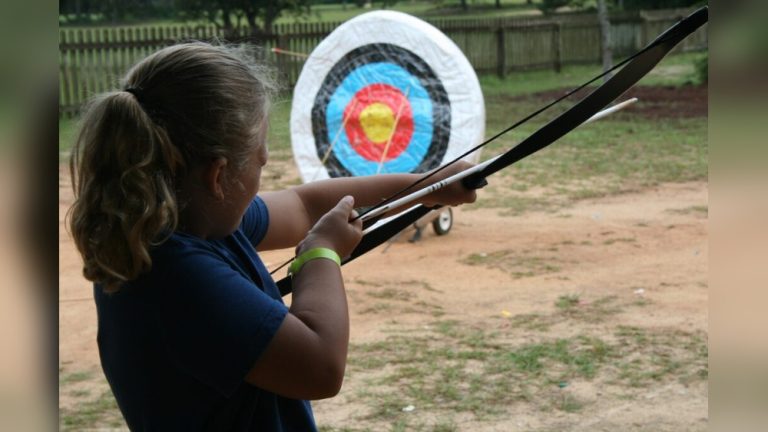
Competitive archery sometimes goes further: Olympic archers shoot at targets 70 meters (about 77 yards) away. But hunting is different. The goal is a quick, humane kill, not just hitting a target.
Rifle Vs Bow: Range Comparison
To understand the difference, see this simple comparison:
| Weapon | Typical Hunting Range | Maximum Effective Range |
|---|---|---|
| Compound Bow | 20-40 yards | 60-80 yards (rare, not recommended) |
| Traditional Bow | 15-30 yards | 50 yards (skilled shooters) |
| Rifle | 100-300 yards | 600+ yards (with skill and special equipment) |
It’s clear that bows do not match rifles for long range hunting. But does this mean bows have no place in long range hunting?
How Bows Work: Mechanics And Limitations
Arrow Speed And Flight
A bow uses stored energy to launch an arrow. The arrow’s speed depends on the bow’s draw weight (how much force you pull), the type of bow, and the arrow’s weight. Compound bows can shoot arrows at speeds up to 340 feet per second (fps), while traditional bows are usually slower.
Arrow flight is affected by wind, gravity, and air resistance. Unlike bullets, arrows are much lighter and slower, so they drop quickly and are pushed by the wind. This limits how far a bow can shoot accurately.
Accuracy Over Distance
At longer distances, even small mistakes in aiming can mean missing the target by several feet. For hunting, accuracy is critical. Hitting a small vital area on an animal is much harder than hitting a large paper target.
Pro Tip: Many beginners overestimate their shooting range. Practicing at shorter distances builds confidence and skill. Only increase range after you can consistently hit a small target.
Ethical Hunting
Responsible hunters focus on ethical shots. This means:
- Only shooting at ranges where you can guarantee a clean kill
- Avoiding shots where the animal may suffer
- Practicing regularly to improve accuracy
Most bowhunters stay under 40 yards for this reason. Beyond that, the risk of missing or wounding the animal increases sharply.

Credit: gearjunkie.com
Types Of Bows And Their Effective Range
Different bows offer different range and power. Let’s look at the main types:
Compound Bow
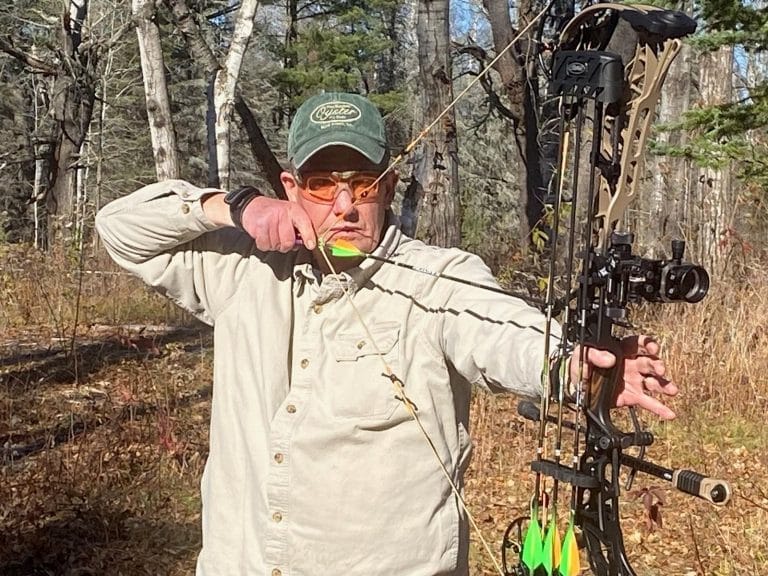
The compound bow is the most advanced. It uses pulleys and cables to reduce holding weight, making it easier to aim. Compound bows are the most popular for hunting because they:
- Shoot faster arrows
- Offer better accuracy
- Have sights and stabilizers
Effective hunting range: 20, 40 yards for most hunters; up to 60 yards for experts.
Recurve Bow
The recurve bow is simple and traditional. It’s used in Olympic archery and by many hunters. Recurve bows require more strength and skill to shoot accurately.
Effective hunting range: 15, 30 yards; up to 50 yards for skilled shooters.
Longbow
The longbow is the oldest style, often seen in medieval history. It has no sights or modern aids.
Effective hunting range: 15, 25 yards; very rarely more.
Crossbow
The crossbow is a special case. It shoots bolts (short arrows) and can be held like a gun. Modern crossbows are fast and powerful.
Effective hunting range: 30, 50 yards; up to 80 yards for advanced models.
Comparison of bow types:
| Bow Type | Ease of Use | Effective Hunting Range | Common Features |
|---|---|---|---|
| Compound Bow | Easy (with training) | 20-40 yards | Sights, stabilizers, release aids |
| Recurve Bow | Moderate | 15-30 yards | Simple design, no mechanical aids |
| Longbow | Difficult | 15-25 yards | Traditional, no sights |
| Crossbow | Easy | 30-50 yards | Scope, trigger mechanism |
Comparing Bows And Firearms For Hunting
Power And Penetration
Firearms are much more powerful than bows. A rifle bullet can travel hundreds of yards and penetrate thick bone. An arrow kills by cutting, not by shock. This means the hunter must aim for vital organs (heart, lungs).
Arrows lose energy quickly as they fly. At 40 yards, a compound bow arrow has enough energy to kill a deer. Beyond that, energy drops and penetration is less reliable.
Shot Placement And Animal Behavior
Bows are quieter than guns. Animals are less likely to run far if hit by an arrow. But if the shot is not perfect, the animal may escape and suffer.
With rifles, hunters can shoot from farther away and often have more chances to hit vital organs.
Hunting Experience
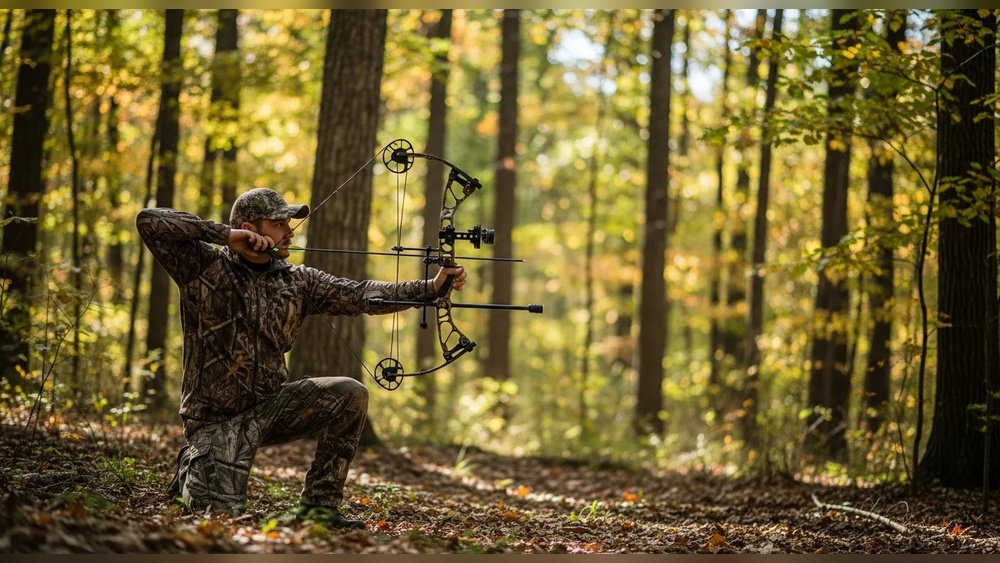
Bowhunting is often called “up-close hunting. ” Hunters must get closer to the animal, move quietly, and plan carefully. This makes bowhunting more challenging and rewarding for many people.
Example: In my experience, stalking deer with a bow teaches patience and skill. Approach quietly, read the wind, and wait for the right shot.

Credit: www.battlbox.com
Factors That Affect Bow Range
Several factors can change how far you can hunt with a bow:
Bow Draw Weight
Higher draw weight means more power and longer range. Most hunting bows have 40, 70 pounds of draw weight.
Arrow Weight And Design
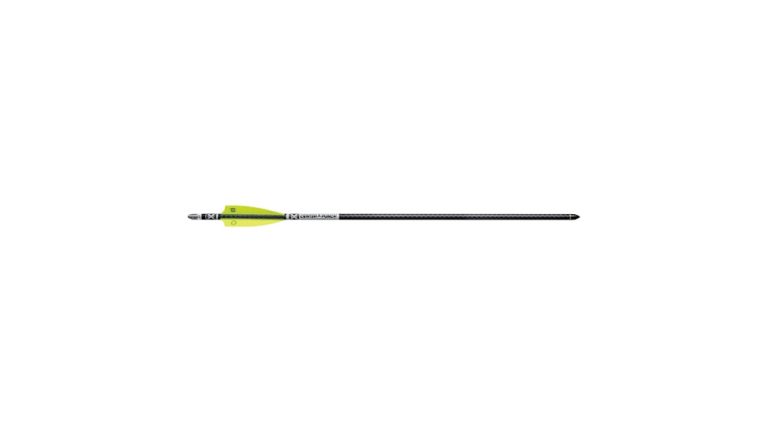
Heavier arrows fly slower but carry more energy. Lighter arrows fly faster but lose energy quickly. Broadheads (arrow tips) also affect flight.
Sights And Aiming Aids
Modern bows have sights that help aim at different distances. Some sights are adjustable for range.
Environment
Wind, rain, and terrain affect arrow flight. Shooting uphill or downhill changes the angle and distance.
Skill Level
Beginner archers should focus on short distances. With practice, skilled hunters can shoot farther and more accurately.
Pro Tip: Test your bow in different conditions. Practice shooting in wind and at angles to understand how your arrow behaves.
Realistic Hunting Scenarios With Bows
Deer Hunting
Most bowhunters shoot deer at 20, 30 yards. This is close enough for a clean shot but far enough not to be detected.
Elk Hunting
Elk are larger and tougher. Many hunters limit shots to under 40 yards, even with powerful bows.
Small Game
For rabbits, turkeys, and other small animals, bows are effective within 15, 25 yards. Small targets require more accuracy.
Long Range Bowhunting Stories
There are stories of hunters making shots at 60 yards or more. These are rare, risky, and not recommended for most people. The chance of error increases greatly at long range.
Training And Practice For Long Range Bow Hunting
Building Skill
To shoot accurately at longer distances:
- Practice regularly at different ranges
- Use a consistent anchor point (where you draw the string)
- Focus on smooth release and follow-through
Equipment Upgrades
Advanced shooters use:
- High-quality arrows
- Adjustable sights
- Stabilizers to reduce hand movement
Safety And Ethics
Never take a shot if you’re unsure of hitting the vital area. Wounded animals are hard to track and may suffer. Ethical hunting means respecting the animal and using your skills wisely.
Technology And Modern Bow Range
Improvements In Bow Design
Modern compound bows are much faster and more accurate than older bows. Carbon fiber limbs, precision cams, and advanced sights have improved performance.
Rangefinders And Gps
Hunters now use rangefinders to measure distance accurately. GPS devices help track movement and plan approaches.
Crossbows And State Laws
Some states allow crossbows in regular hunting seasons; others have restrictions. Check local laws before hunting.
Example: When I tested a modern crossbow, I was surprised at its accuracy at 50 yards. However, I still preferred to shoot at closer ranges for safety.
Practical Tips For Bowhunters
- Know your limits: Only shoot at ranges where you can guarantee accuracy.
- Practice often: Set up targets at different distances, and practice in different weather.
- Use quality equipment: Invest in good arrows and a reliable bow.
- Check local regulations: Some areas have rules about minimum draw weight and maximum range.
- Aim for vital organs: Learn animal anatomy to place shots correctly.
Warning: Never rely on luck for a long range shot. Responsible hunting means making every arrow count.
Is A Bow A Long Range Hunting Tool?
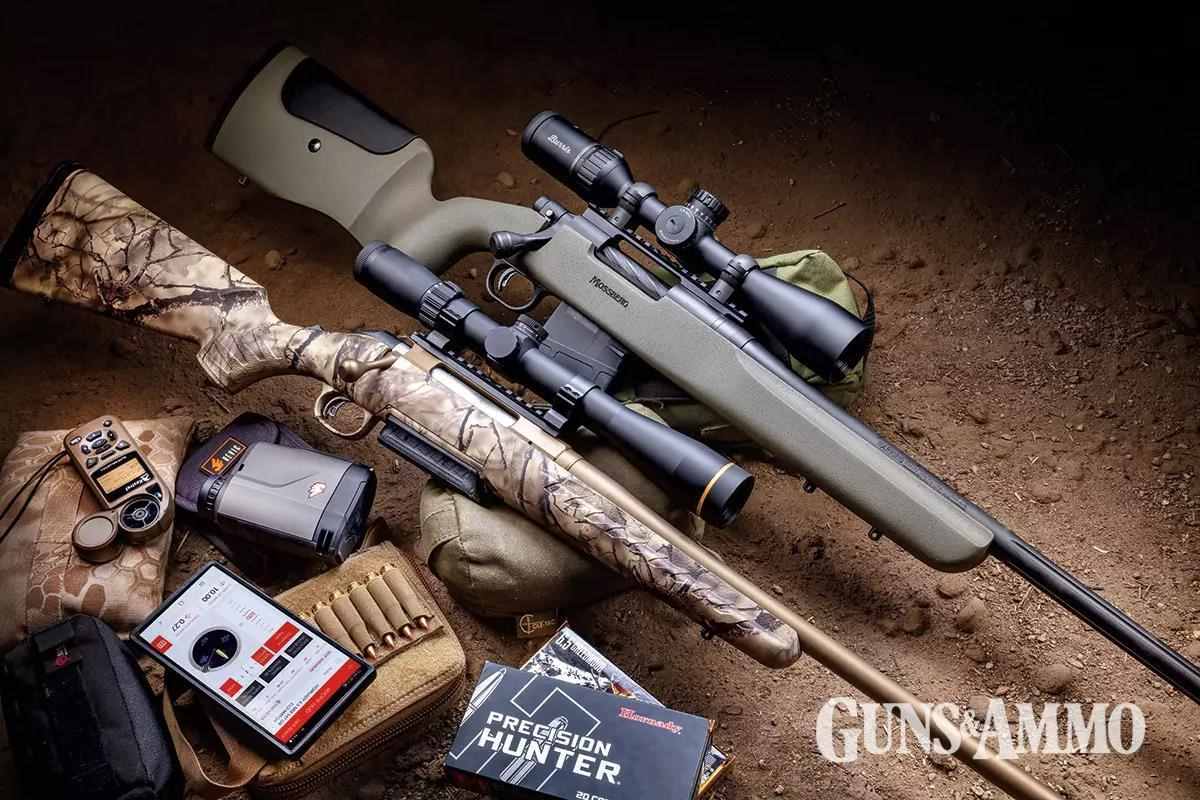
If you define “long range” as shooting beyond 100 yards, the bow is not a long range hunting tool. It cannot match a rifle for distance, power, or accuracy at these ranges.
But if you consider “long range” in the context of archery, the bow is capable of shooting farther than most people realize. For target shooting, skilled archers can hit targets at 70 yards or more. For hunting, most experts limit shots to 40 yards or less.
Bows offer:
- Quiet, stealthy hunting
- The need for skill and patience
- A closer connection to nature
They are best used as medium range hunting tools. Hunters who want to take animals at long distances should use firearms.
Credit: www.gunsandammo.com
Data Table: Bow Vs Firearm Hunting Range
Here’s a comparison of typical hunting ranges:
| Tool | Ethical Hunting Range | Maximum Range (Not Recommended) | Noise Level |
|---|---|---|---|
| Compound Bow | 20-40 yards | 60-80 yards | Low |
| Recurve Bow | 15-30 yards | 50 yards | Low |
| Longbow | 15-25 yards | 40 yards | Low |
| Rifle | 100-300 yards | 600+ yards | High |
| Crossbow | 30-50 yards | 80 yards | Medium |
Frequently Asked Questions
Can A Bow Kill At 100 Yards?
Technically, a bow can shoot an arrow that far, but killing an animal at 100 yards is highly unlikely. The arrow will lose energy and accuracy, and the risk of wounding is too high. Most hunters never attempt shots beyond 60 yards.
What Is The Most Accurate Bow For Hunting?
Compound bows are the most accurate for hunting. They have sights, release aids, and stabilizers to help aim. Crossbows are also accurate but may have legal restrictions in some states.
How Does Wind Affect Bow Hunting Range?
Wind can push arrows off course, especially at longer ranges. Even a light breeze can make a big difference. Hunters should practice in windy conditions and aim for shorter distances when wind is strong.
Are There Bows Made For Long Range Hunting?
Some bows are designed for target shooting at long ranges (like Olympic recurve bows), but there are no bows made specifically for long range hunting. Hunting bows focus on power and accuracy at short to medium distances.
Is Bow Hunting Safer Than Rifle Hunting?
Bow hunting is generally quieter and involves less risk of ricochet, but it requires the hunter to get closer to animals. Rifle hunting allows for greater distance, which can be safer in terms of animal behavior and hunter positioning. Always follow safety rules and check local regulations.
Bowhunting is a tradition that offers a unique challenge. While bows are not true long range hunting tools, they provide a rewarding experience for those who value skill, patience, and close contact with nature. If you want to learn more about archery and hunting ethics, visit Minnesota Department of Natural Resources for guidance and regulations.
Choosing a hunting tool depends on your goals, skills, and the experience you want. Bows are best for hunters who enjoy stealth and challenge, not for those seeking long range shots. With the right training and mindset, bow hunting can be a safe, ethical, and satisfying pursuit.