Difference Between Crossbows and Shortbows: Essential Guide
The main difference between a crossbow and a shortbow is how they are cocked and fired. A crossbow locks its string in place, allowing for a steady aim and a powerful, consistent shot with less physical effort by the archer when releasing. A shortbow, on the other hand, requires the archer to hold the string drawn back with their own strength until the moment of release, demanding more upper body strength and technique but offering greater maneuverability.
Welcome, aspiring archers! Are you curious about the different types of bows out there? It’s easy to see similar-looking tools and wonder what sets them apart. Many beginners find themselves asking about crossbows versus shortbows, and it’s a great question! Understanding these differences is key to choosing the right gear for your journey into archery. We’re going to break down exactly what makes a crossbow a crossbow and a shortbow a shortbow, without any confusing jargon.
By the end of this guide, you’ll have a clear picture of their unique features, how they work, and what they’re best suited for. This knowledge will help you make informed decisions, whether you’re picking up your first bow or expanding your collection. Let’s get started on understanding these fascinating archery tools!
Quick Summary
The main difference between a crossbow and a shortbow is how they are cocked and fired. A crossbow locks its string in place, allowing for a steady aim and a powerful, consistent shot with less physical effort by the archer when releasing. A shortbow, on the other hand, requires the archer to hold the string drawn back with their own strength until the moment of release, demanding more upper body strength and technique but offering greater maneuverability.
Understanding Shortbows: Agility and Simplicity
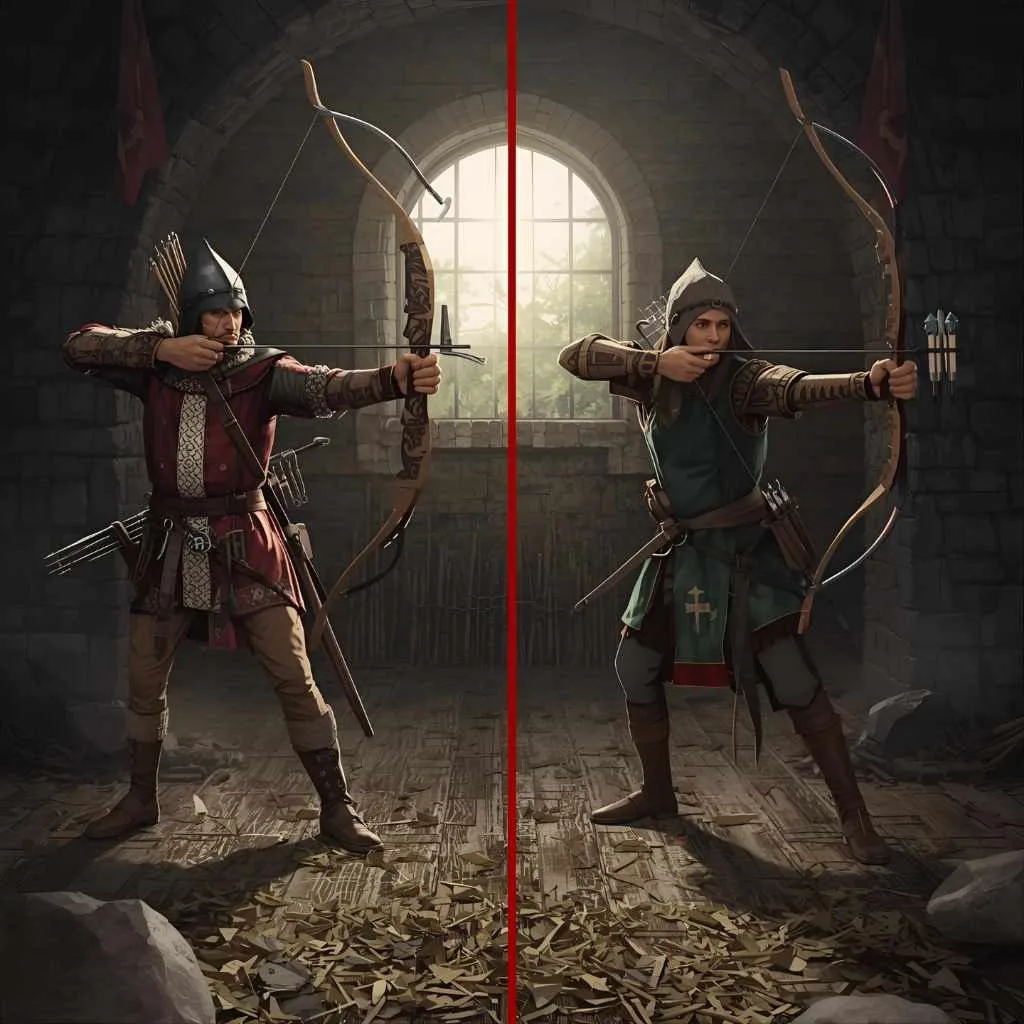
Let’s start with the shortbow. As the name suggests, shortbows are generally smaller and lighter than many other types of bows. Their defining characteristic is their simplicity in design and operation. A shortbow typically consists of a single piece of wood or a laminate of wood and other materials forming the “limbs” and a “riser” (the handle section). There’s no complex mechanism to cock or hold the string; the archer simply draws the string back using their own muscle power and releases it.
Think of a shortbow as the traditional archer’s companion. Historically, these were the tools of hunters and warriors who relied on speed, agility, and consistent practice to master their craft. Their compact size makes them excellent for maneuvering in tight spaces, like dense forests, which is why they’ve been favored by hunters for centuries.
How Shortbows Work
Operating a shortbow is straightforward, but mastering it requires practice.
- Nocking the Arrow: The archer places an arrow onto the string, usually fitting a notch on the arrow’s nock onto the bowstring at a designated point called the “nocking point.”
- Drawing the Bow: Using their fingers (or a release aid in some modern recurve setups), the archer pulls the bowstring back towards their face. This process stores energy in the bow’s limbs.
- Anchoring: The archer brings the string to a consistent anchor point on their face or jaw. This consistency is crucial for accuracy.
- Aiming: The archer sights down the arrow to aim at the target.
- Releasing: The archer smoothly relaxes their fingers (or triggers their release aid), allowing the string to propel the arrow forward. The bow’s stored energy is transferred to the arrow.
Pros of Shortbows
- Simplicity and Reliability: With fewer moving parts, shortbows are less prone to mechanical failure.
- Maneuverability: Their compact size makes them easy to handle in various environments, including dense brush or while on the move.
- Lightweight: Generally lighter than crossbows, making them easier to carry for extended periods.
- Intuitive Draw: While requiring strength, the drawing and release process is fundamental to archery and builds essential skills.
- Lower Cost: Often more affordable initially compared to complex crossbows.
- No Reloading Mechanism: The “reloading” is simply drawing the string, making the process fluid for skilled archers.
Cons of Shortbows
- Requires Strength and Technique: Holding the draw weight requires significant upper body strength and consistent draw length.
- Shorter Aiming Time: You can’t hold the drawn bow indefinitely; you must release relatively quickly.
- Less Power for Some: Beginners might struggle to draw heavier draw weights effectively.
- More Sensitive to Form: Small inconsistencies in your draw, anchor, or release can significantly affect accuracy.
Types of Shortbows
While the term “shortbow” can be applied broadly, it often refers to two main categories that have evolved:
- Recurve Bows: These bows have limbs that curve away from the archer at their tips. This design stores more energy, leading to higher arrow speeds compared to a simple longbow of the same draw weight. Modern Olympic recurve bows are technically shortbows in principle, though their size and complexity can vary. They often utilize a sight, rest, and sometimes a stabilizer.
- Traditional Shortbows (e.g., Horsebows, Primitive Bows): These are typically simpler, often made from a single material without modern additions like sights or rests. They focus on maneuverability and ease of use in historical contexts.
Understanding Crossbows: Power and Precision
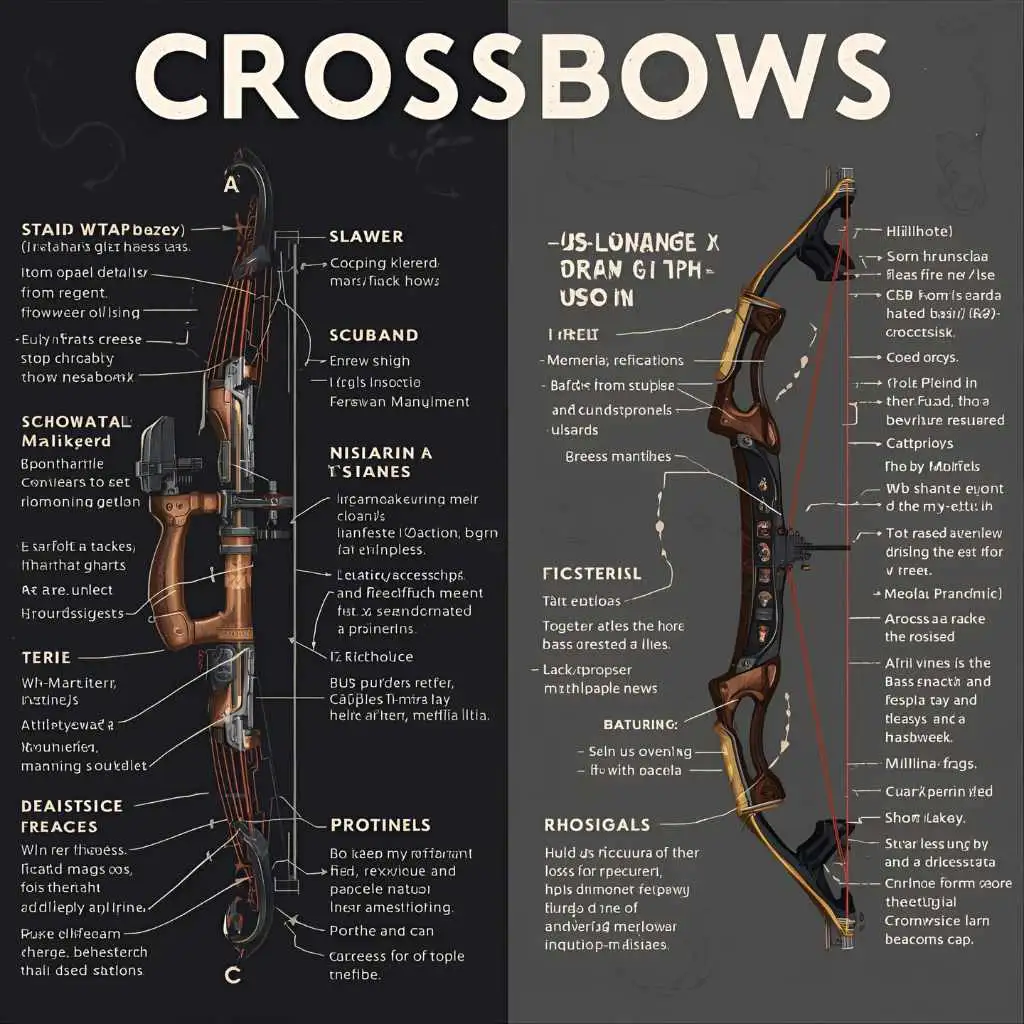
Crossbows are a fascinating evolution in archery technology. Unlike traditional bows that are held by the archer’s physical strength, crossbows employ a locking mechanism to hold the drawn string in place. This means you draw the string back (often with the aid of a cocking device) and it stays put, allowing you to take your time to aim perfectly before releasing the arrow with a trigger.
This unique characteristic makes crossbows incredibly powerful and, for many, much easier to shoot accurately right from the start. They combine the projectile-launching power of a bow with the stability and ease of aiming akin to a firearm. This has made them popular for hunting, target shooting, and even in some historical combat scenarios.
How Crossbows Work
The operation of a crossbow involves a few distinct steps, largely due to its mechanical nature:
- Cocking the Crossbow: This is the process of drawing the bowstring back and securing it. This is typically done using a cocking rope, cocking sled, or crank system. This step requires significant force, but the mechanical advantage of the cocking devices makes it manageable for most users. The string latches onto the “string catch” or “nuts” of the bow.
- Loading the Bolt (Arrow): Once cocked, a specialized bolt (crossbow arrow) is placed into the groove of the crossbow stock, and its nock is seated on the string.
- Aiming: The archer uses the crossbow’s sights (which can range from simple iron sights to sophisticated scopes) to aim at the target. Because the string is held back, there’s no time limit to this aiming phase.
- Firing: The archer pulls a trigger, which releases the string from the catch. The stored energy in the limbs is transferred to the bolt, propelling it forward with great force and speed.
Pros of Crossbows
- Ease of Use and Accuracy: The locking mechanism allows for steady aiming and consistent shots, making them very accurate, especially for beginners.
- Less Physical Strength Required for Shooting: While cocking requires effort, you don’t need to hold the bowstring drawn with your own muscle power during aiming.
- Powerful: Many modern crossbows are incredibly powerful, capable of launching bolts at very high speeds.
- Target Acquisition: The ability to aim for extended periods is beneficial for precise shots.
- Trigger-Based Release: Offers a clean, consistent release mechanism.
- Historical Significance: Crossbows have a long and fascinating history, used by various armies and civilizations. For instance, the Chinese developed crossbows as early as the 5th century BC. You can learn more about the history and mechanics of archery on resources like the Museum of Archery History.
Cons of Crossbows
- Larger and Heavier: Generally bulkier and heavier than shortbows, making them less maneuverable.
- More Complex: Involves mechanical parts that can require maintenance and are more prone to issues if not cared for.
- Slower Reloading: Cocking a crossbow can be time-consuming, especially without a good cocking aid, making follow-up shots much slower than with certain types of shortbows.
- Higher Initial Cost: Crossbows, especially modern ones, tend to be more expensive than basic shortbows.
- Can Be Noisier: Some models can produce a greater “thwack” sound upon firing than a well-tuned shortbow.
Types of Crossbows
Crossbows come in various designs, but the two primary categories are:
- Recurve Crossbows: These have limbs similar to recurve bows, but they are attached to a stock. They are typically simpler and can be easier to cock than compound crossbows.
- Compound Crossbows: These use a system of cams and cables attached to the limbs. This system provides a mechanical advantage, making them easier to cock and often allowing for higher speeds and greater power with less perceived draw weight at full draw.
Key Differences at a Glance
To help solidify your understanding, let’s look at a direct comparison of these two archery tools. This table highlights the core distinctions you’ll encounter:
| Feature | Shortbow | Crossbow |
|---|---|---|
| Operation | Drawn and held by archer’s strength until release. | Drawn with mechanical aid and locked by a mechanism; fired with a trigger. |
| Aiming Stability | Rests on archer’s strength and form during hold. | Locked in place, allowing for extended, steady aiming. |
| Physical Effort (Release) | Requires holding draw weight with muscles. | Minimal effort required to hold; trigger pull for release. |
| Physical Effort (Cocking) | Direct draw of the string, requires strength directly proportional to draw weight. | Requires effort to wind/pull string back using mechanical aid; can be significant but is assisted. |
| Maneuverability | High; compact and lightweight. | Lower; larger, heavier, and bulkier. |
| Complexity | Simple mechanical design. | More complex, with moving parts, trigger mechanisms, and often cams/cables. |
| Learning Curve (Accuracy) | Steeper; requires building strength, consistency in draw, anchor, and release. | Generally easier for beginners to achieve good accuracy due to stability and trigger. |
| Reloading Speed | Fast follow-up shots possible for skilled archers. | Slower, as cocking process takes time. |
| Typical Uses | Hunting in various terrains, target archery, traditional archery, 3D archery. | Hunting (especially where speed and power are valued), target shooting, adaptive archery. |
| Arrow Type | Arrows | Bolts (shorter, heavier arrows) |
Which Is Right For You? Weighing Your Options
Deciding between a shortbow and a crossbow depends entirely on your personal goals, physical capabilities, and what you want to get out of archery. There’s no universally “better” option; it’s about finding the best fit for your journey.
Consider Your Goals
- For Traditional Archery Experience and Building Full-Body Skills: If you want to immerse yourself in the fundamental skills of archery – drawing, holding, and releasing with your own strength – and develop the associated muscle memory and physical conditioning, a shortbow is likely your path. This is the classic archery experience.
- For Hunting and Maximum Power/Accuracy with Less Physical Strain (during aiming): If your primary goal is efficient hunting, where a quick, powerful, and accurate shot is paramount, or if you have physical limitations that make holding a drawn bow difficult, a crossbow might be a better choice. Many hunters praise crossbows for their ability to ethically harvest game with less stress on the shooter.
- For Ease of Learning and Quick Success: Beginners often find crossbows provide a more immediate sense of accomplishment due to their built-in stability and trigger mechanism. This can be very encouraging as you start out.
- For Maneuverability and Stealth: If you plan to stalk game through thick woods or need a bow that’s easy to carry and quick to deploy silently, a shortbow often has the edge.
Physical Considerations
It’s crucial to be realistic about physical requirements. Shortbows, especially those with higher draw weights (often measured in pounds, indicating the force needed to pull the string back), demand significant upper body strength. While technique can compensate for some of this, it’s a factor. For instance, a 40-pound shortbow requires you to exert 40 pounds of force to draw it fully. A wonderful resource by the U.S. Fish and Wildlife Service offers insights into hunting equipment, including bows.
Crossbows also have draw weights, but the force required to hold the string at full draw is dramatically reduced by the cocking mechanism and let-off systems (in compound crossbows). The primary physical effort is in the cocking process. Modern cocking aids make this accessible to a wider range of individuals.
Legal and Regulatory Factors
It’s also important to note that regulations regarding crossbows can sometimes differ from those for traditional bows, especially during hunting seasons. Some states or regions may have specific seasons or regulations that allow crossbows while restricting other archery equipment, or vice versa. Always check your local hunting regulations before purchasing or using either type of bow for hunting purposes. For example, in some areas, crossbows might be permitted for longer hunting seasons compared to traditional archery seasons.
Safety is paramount with any archery equipment. Regardless of your choice, always prioritize safe handling, proper storage, and appropriate protective gear. This includes armguards, finger tabs or gloves (for shortbows), and ensuring your shooting lane is clear. For crossbows, understanding the trigger safety and ensuring the bolt is properly seated are critical steps.
Getting Started with Your Choice
Once you’ve decided which type of bow aligns best with your aspirations, the next step is to get hands-on experience. Many archery shops offer rentals or introductory lessons. This is the best way to feel the difference between a shortbow and a crossbow, receive expert advice, and learn safe handling in person.
When trying out shortbows, you might experience various draw weights. Start on the lighter side (e.g., 20-30 pounds) to focus on form. For crossbows, experiencing the cocking process and trigger pull is key. Don’t hesitate to ask staff for demonstrations and guidance. They can help you understand draw lengths, sight alignment, and proper shooting techniques for each bow type.
Frequently Asked Questions
Q1: Is a crossbow considered a type of bow?
Yes, a crossbow is fundamentally a type of bow. It uses the same basic principle of storing energy in flexible limbs to propel an arrow (called a bolt in crossbows). The main difference is the addition of a stock and a mechanical trigger mechanism that holds the drawn string, differentiating it from a traditional shortbow or longbow.