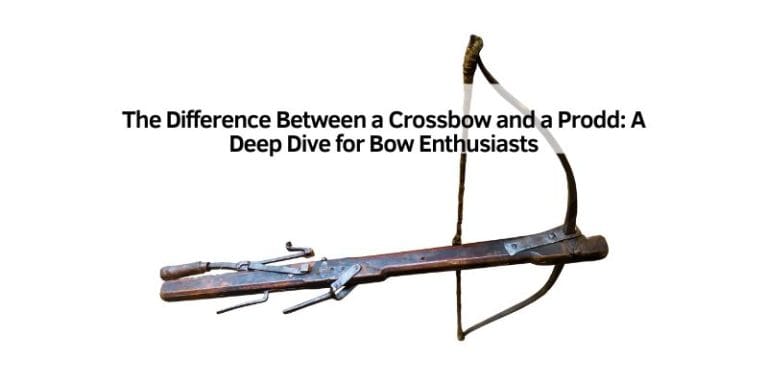
Difference Between Swhacker and Swhacker Crossbow: Essential Guide
The main difference between Swhacker broadheads and Swhacker crossbows is that Swhacker broadheads are arrow tips designed for hunting, while Swhacker crossbows are the actual projectile launching devices. Swhacker makes both high-quality broadheads and powerful crossbows, but they serve entirely different purposes in archery.
Welcome, budding archers and seasoned hunters! Ever found yourself staring at archery gear, wondering which tool is which and what makes them tick? It’s a common puzzle, especially when you encounter names like “Swhacker.” You might have heard about Swhacker broadheads and then stumbled upon Swhacker crossbows, leaving you scratching your head. Is it the same thing? Not quite! Think of it like this: one is the sharp tip that ends the journey, and the other is the powerful machine that sends it off. Understanding this distinction is key to building your archery setup and enjoying your time at the range or in the field. We’re here to break down the world of Swhacker, to clear up any confusion, and to help you pick out the right gear. Let’s dive in and make sense of it all!
Understanding Swhacker: More Than Just a Name
Swhacker is a brand that’s become well-known in the archery community, particularly for its innovative broadhead designs. However, they’ve also expanded their offerings to include some impressive crossbows. When archers talk about “Swhacker,” they could be referring to either their groundbreaking arrow components or their powerful hunting machines. It’s essential to know what part of their product line you’re looking at to make informed decisions about your archery equipment.
As Salman Arfeen, your friendly archery guide, I’ve seen many beginners get a little mixed up by brand names. My goal is to make this crystal clear for you, so you can confidently choose the right gear. Let’s explore what makes each Swhacker product stand out.
Swhacker Broadheads: The Cutting Edge of Hunting
When the Swhacker name first gained traction, it was primarily for their revolutionary broadheads. These aren’t just any arrow tips; they are engineered to deliver devastating penetration and wide cutting diameters, designed for ethical and efficient game harvesting.
How Swhacker Broadheads Work
The core innovation behind Swhacker broadheads lies in their unique blade deployment system. Unlike some traditional or expandables that rely solely on wind resistance or shock to open, Swhacker broadheads often feature a mechanical system that ensures blade deployment upon impact. This design aims to maximize the cutting surface area the moment the broadhead hits its target, leading to shorter tracking distances and more effective kills.
Here’s a simplified look at what makes them special:
- Two-Stage Cutting Surface: Many Swhacker models feature a prominent bleeder blade system that engages upon impact, creating an initial wound channel, followed by larger main blades that open for a wider cut and increased hemorrhaging.
- Mechanical Blade Deployment: The blades are held securely closed during flight by a specific mechanism (often a clip or pin), but are designed to reliably open upon striking an animal. This minimizes issues with premature deployment or blades failing to open.
- Durable Construction: Built with robust materials, Swhacker broadheads are designed to withstand the rigors of hunting and penetrate tough hide and bone.
- Aerodynamic Flight: Despite their cutting power, Swhacker broadheads are engineered for excellent field point accuracy, ensuring your arrow goes where you aim.
Popular Swhacker Broadhead Models
Swhacker offers a range of broadheads to suit different hunting needs and bow types. While specific models evolve, here are some concepts you might encounter:
- The Original Swhacker: This is where it all began for many hunters, known for its straightforward, effective expandable design.
- Swhacker Wide: Often featuring an even larger cutting diameter for maximum wound channels.
- Swhacker Mechanical vs. Swhacker Fixed: While Swhacker is most famous for its mechanical expands, they may also offer fixed-blade options for archers who prefer that style.
When choosing a Swhacker broadhead, always consider the type of game you hunt, your draw weight, and the speed of your bow. It’s always a good idea to check your local hunting regulations, as different states or regions may have specific requirements for broadhead types or sizes.
Swhacker Crossbows: Power and Precision
Moving beyond the arrow tip, Swhacker also produces a line of high-performance crossbows. These are complete hunting systems designed for archers who want the power and speed of a crossbow, combined with features that make them effective and user-friendly. A crossbow is a completely different piece of equipment from a broadhead.
Key Features of Swhacker Crossbows
Swhacker crossbows are built with modern hunting challenges in mind. They often boast impressive speed, accuracy, and ergonomic designs. While specifications can vary greatly between models, here are some common characteristics you’ll find:
- High Velocity: Swhacker crossbows are designed to shoot bolts at very high speeds (often measured in feet per second, or FPS), which translates to flatter trajectories and greater kinetic energy downrange.
- Advanced Trigger Systems: A crisp, clean trigger pull is crucial for accuracy. Swhacker crossbows typically feature well-designed triggers that break cleanly.
- Compact and Lightweight Designs: Modern crossbows are often built to be maneuverable in blinds or dense woods, with balanced weight distribution.
- Integrated Optics: Many Swhacker crossbows come as a package, including a high-quality crossbow scope pre-mounted and sighted in, ready for the range or the field.
- Safety Features: Ambidextrous safety mechanisms, anti-dry-fire technology to prevent accidental discharges, and comfortable foregrips are common safety considerations.
Examples of Swhacker Crossbow Technology
Though specific models change year to year, Swhacker crossbows often incorporate technologies like:
- Reverse Crank Technology (RCT): Some advanced crossbows utilize reverse crank cocking mechanisms for easier and safer cocking, often contributing to quieter operation.
- Narrower Axle-to-Axle Widths: When cocked, many modern crossbows have very narrow profiles, making them easier to handle in tight shooting situations.
- Integrated String Dampening Systems: These help reduce noise and vibration for a more accurate shot and a more comfortable experience.
If you’re considering a crossbow, it’s a significant investment. Always research the specs, read reviews, and if possible, try to handle a few models to get a feel for their weight, balance, and ergonomics. Organizations like the North American Compound Bowhunters Association (NACBA) offer resources and information relevant to all forms of archery hunting, including crossbows.
The Crucial Differences: Broadhead vs. Crossbow
Now that we’ve broken down each product type, let’s bring it together. The fundamental difference is what they are and what they do.
Think of it like a car. A car is a vehicle. An engine is a part of that car. You wouldn’t say “the difference between a car and an engine” in the same way you’d say “the difference between a sedan and an SUV.” However, you would discuss the differences between a high-performance engine and a standard engine that go into different types of cars.
In our archery context:
- Swhacker Broadhead: This is a consumable part. It’s the tip of the arrow that makes the cut. You attach it to an arrow, which is then shot from a bow or crossbow.
- Swhacker Crossbow: This is the launching platform. It’s the complete mechanical device that uses a trigger and a string to propel a bolt (a specialized arrow for crossbows).
A Table to Clarify
To make the distinction even clearer, let’s use a table:
| Feature | Swhacker Broadhead | Swhacker Crossbow |
|---|---|---|
| What it is | An arrow tip designed for hunting | A projectile launching device |
| Function | Cuts and creates wound channels on game | Propels a bolt using stored energy |
| How it’s used | Attached to an arrow shaft | Fired as a complete unit, shooting bolts |
| Lifespan | Single-use (or multiple if not fired at game and maintained) | Long-term equipment, requires maintenance |
| Purpose | To ensure an ethical harvest | To deliver a projectile with speed and power |
| Key Innovation | Blade deployment and cutting technology | Speed, accuracy, and user-friendly cocking/firing mechanisms |
When You’d Choose One Over the Other
Your choice depends entirely on what you’re trying to accomplish:
- You need Swhacker Broadheads if: you already own a bow (recurve, compound, or crossbow) and are preparing for a hunting trip. You’ll need to match the broadhead to your arrow shaft and bow system.
- You need a Swhacker Crossbow if: you are looking for a complete system to shoot bolts. This is for someone who wants to get into crossbow hunting or shooting. You would then, of course, also need bolts and broadheads to shoot from your new crossbow!
Compatibility: Connecting Broadheads and Crossbows
This is where the brands truly connect. You can, and often will, use Swhacker broadheads with a Swhacker crossbow. However, this is not exclusive:
- You can use Swhacker broadheads on arrows you shoot from any compatible bow or crossbow.
- You can shoot any compatible broadhead (from brands other than Swhacker) on bolts fired from a Swhacker crossbow.
The key is compatibility. Swhacker broadheads are designed to fit standard arrow shafts and crossbow bolts. Swhacker crossbows are designed to shoot standard crossbow bolts.
Choosing the Right Broadhead for Your Swhacker Crossbow
When you pair broadheads with a crossbow, there are a few extra considerations:
- Bolt Diameter: Ensure the broadhead’s insert or ferrule fits your crossbow bolt’s diameter.
- Broadhead Type: Crossbows are often powerful enough to handle both mechanical and fixed-blade broadheads. However, due to the high speeds involved, mechanical broadheads require robust retention systems to stay closed during flight. Swhacker’s mechanical designs are often well-suited for the forces involved.
- Weight and Balance: A slightly heavier broadhead can sometimes improve the flight characteristics of a bolt when shot from a fast crossbow.
- Federal Regulations and Ethics: As mentioned, always check local regulations. For ethical hunting, a broadhead needs to deliver sufficient penetration and cutting diameter for the intended game. Organizations like the Boone and Crockett Club provide excellent resources on ethical hunting practices and fair chase.
Testing Your Setup
Once you have your Swhacker crossbow and your Swhacker (or other) broadheads, the most crucial step is to practice. Paper tuning and field point accuracy are one thing, but broadhead accuracy is what matters for hunting. A few tips:
- Shoot from a Rest: Always use a solid shooting rest when testing broadheads on a crossbow.
- Use the Same Bolts: Practice with the exact same bolts you intend to hunt with, paying attention to fletching and the type of insert used.
- Aim for Field Point Accuracy: Your broadheads should fly just like your field points. If they don’t, you may need to adjust your bow’s tuning or consider a different broadhead.
- Check for Blade Deployment: After a test shot into a appropriate target (like a target block designed for broadheads), check that your mechanical broadhead blades deployed correctly.
Maintaining Your Swhacker Gear
Both Swhacker broadheads and crossbows require care to ensure reliability and longevity.
Broadhead Care
- Keep them Sharp: If you reuse broadheads (after cleaning and resharpening, if applicable), ensure they are still razor-sharp.
- Inspect for Damage: Check blades and ferrules for any bends, chips, or warps, especially after a test shot.
- Proper Storage: Store broadheads in a protective case away from moisture to prevent rust.
Crossbow Care
- Regular Inspections: Periodically check the crossbow’s string, cables, cams, and limbs for any signs of fraying, cracking, or wear.
- Keep it Clean and Dry: After use in wet conditions, dry your crossbow thoroughly. Store it in a dry place, ideally in a case.
- Lubrication: Use a crossbow string wax on the string and cables as recommended by the manufacturer. Lightly lubricate rail surfaces if specified.
- Professional Servicing: Crossbows are complex machines. While some maintenance can be done at home, it’s wise to have your crossbow inspected by a qualified technician at an archery pro shop annually or after significant use.
Frequently Asked Questions (FAQ)
Here are some common questions beginners have about Swhacker products:
Q1: Are Swhacker broadheads good for deer hunting?
Yes, Swhacker broadheads are widely regarded as effective for deer hunting due to their design for deep penetration and wide cutting diameter, which promotes quick ethical harvests.
Q2: Can I use broadheads on practice targets?
It’s generally not recommended to shoot broadheads into standard foam targets or straw bales. Broadheads can damage these targets and damage the broadhead itself. Use targets specifically designed for broadheads. Many archers use field points for practice and switch to broadheads only for tuning and hunting.
Q3: Do Swhacker crossbows come with a warranty?
Most reputable crossbow manufacturers, including Swhacker, offer a limited warranty on their crossbows. Check the product documentation or the manufacturer’s website for specific warranty details.
Q4: How hard is it to cock a crossbow?
Cock a crossbow can range in difficulty. Swhacker crossbows often come with cocking aids like rope cockers (which distribute the weight evenly) or crank cockers (which are easier but slower). For individuals with strength limitations, a crank cocker is usually the best option.
Q5: What’s the difference between an arrow and a bolt?
Arrows are used with traditional bows (recurve, compound). Bolts are shorter, heavier shafts designed specifically for crossbows, featuring different nocks and often larger vanes due to the higher speeds and forces involved.
Q6: Are mechanical broadheads reliable for hunting?
Modern mechanical broadheads, like those from Swhacker, are very reliable. They are designed with robust retention systems and blade arrays specifically to deploy effectively upon impact, even from high-speed crossbows. However, always test your specific setup.
Q7: What kind of maintenance does a Swhacker crossbow need?
Regular maintenance includes inspecting the string, cables, and limbs; lubricating the rail and string with approved products; and keeping it clean and dry. It’s also advisable to have it professionally serviced periodically by an archery shop.
Conclusion: Making Informed Choices for Your Archery Journey
Navigating the world of archery equipment can seem daunting, but understanding the core differences between manufacturers and their product types is the first step to confidence. Swhacker is a brand that offers excellence in both specialized arrow components (broadheads) and complete projectile launching systems (crossbows).
Remember, Swhacker broadheads are the precision-engineered tips that bring your arrow or bolt to its final purpose in a hunt. They focus on cutting power and reliable deployment. On the other hand, a Swhacker crossbow is a sophisticated piece of machinery designed to launch those projectiles with incredible speed and accuracy. They are distinct, yet complementary, parts of the archery ecosystem.
Whether you’re looking to upgrade your hunting arrow’s cutting edge with a Swhacker broadhead or aiming to acquire a powerful new Swhacker crossbow, knowing their individual roles will guide you to making the best choices for your archery adventures. Keep practicing, prioritize safety, and enjoy the rewarding journey of archery!