Difference in Aim 100gr vs 125gr: Essential Guide
The main difference in aim between 100-grain and 125-grain crossbow bolts lies in their trajectory. Heavier 125-grain bolts generally fly flatter and retain more energy downrange, offering better penetration, while lighter 100-grain bolts may drop more visibly but can be faster. Choosing depends on your crossbow’s specifications and intended use.
Welcome, fellow archery enthusiasts! Ever stood at the archery range, bolt in hand, and wondered if that little bit of weight difference really matters for your aim? It’s a question many beginners, and even some seasoned archers, ponder. You’ve likely seen bolts advertised with different weights, often measured in grains (gr), and thought, “Does this actually change how my shot flies?” You’re not alone! Understanding the impact of bolt weight is key to improving your accuracy and understanding your crossbow’s performance. Don’t worry if it seems a bit technical; I’m here to break it down in a way that’s easy to grasp. We’ll explore exactly what that grain difference means for your aim, how it affects your shot, and what’s best for you. Let’s get your shots hitting the bullseye with confidence!
Understanding Bolt Weight (Grains)


In the world of archery, especially with crossbows, weight is a crucial factor. But what exactly are “grains”? A grain is a unit of mass, and in archery, it’s the standard way we measure the weight of arrows and bolts. Think of it like ounces or grams for other items you might measure. The weight of a bolt is determined by several components: the shaft’s material and length, the fletching (those tail fins), and most importantly for this discussion, the point or “insert” at the front. This front-end weight is often referred to as the “point weight” or “broadhead weight” if you’re hunting.
When people talk about the “difference in aim 100gr vs 125gr,” they are primarily discussing the weight of the tip or the total weight of the bolt. For crossbows, a common range for bolt weights can vary, but 100 grains and 125 grains for the point are very popular choices. This difference of 25 grains might seem small, but it can have a noticeable impact on how your bolt travels from the bow to the target.
What Determines Bolt Weight?
Several parts of your bolt contribute to its overall weight:
- Bolt Shaft: The main body of the bolt, usually made of carbon or aluminum. Longer and thicker shafts weigh more.
- Fletching: The vanes or feathers at the back that stabilize the flight. Different sizes and materials have slightly different weights.
- Insert: A small piece, often aluminum or plastic, that threads into the front of the bolt shaft, allowing you to screw on field points or broadheads. This weight is often included in the point weight calculation.
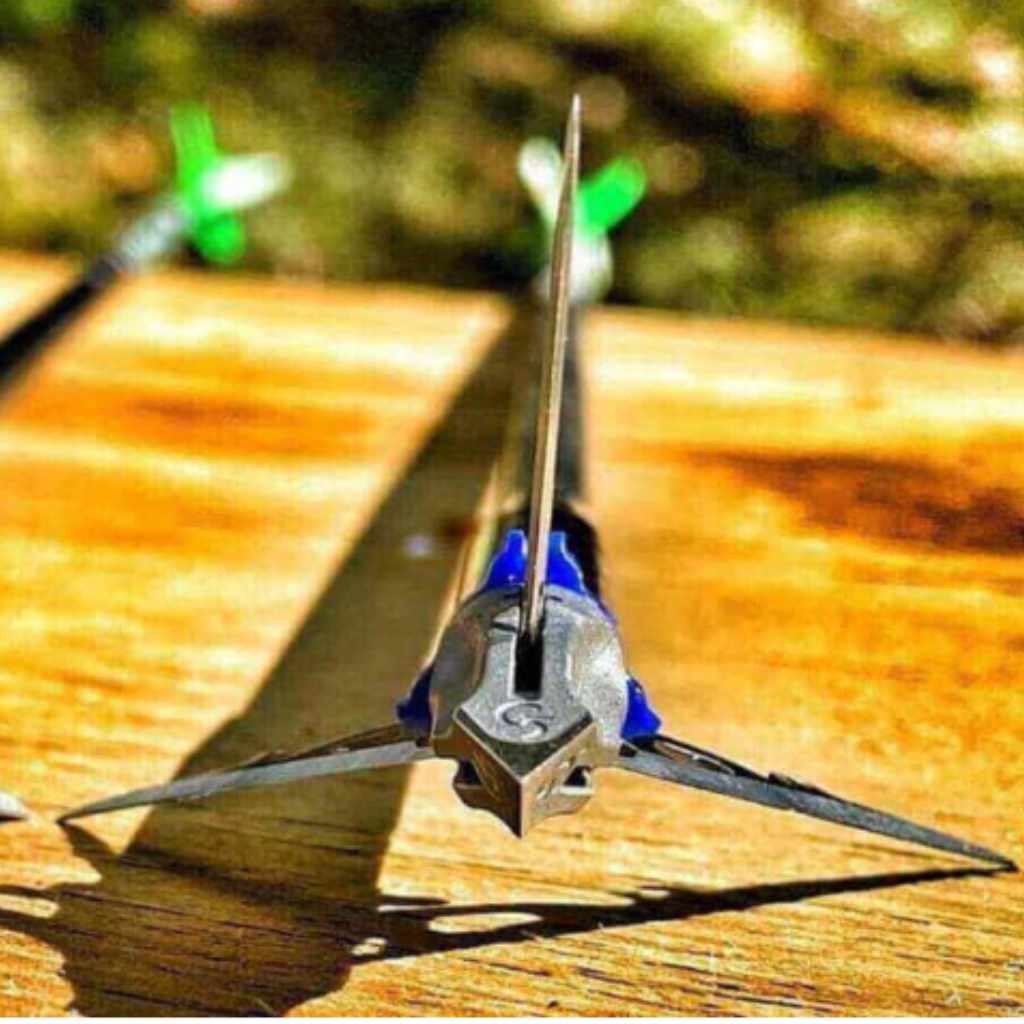
- Point (Field Point/Broadhead): This is the tip screwed onto the insert. This is where the 100gr vs 125gr difference is most commonly seen.
For our discussion today, we’ll focus on the impact of the point weight, as changing this is the easiest way to adjust your bolt’s overall weight. A 100-grain point will result in a lighter bolt overall compared to a 125-grain point on the same shaft.
The Physics of Bolt Flight
To understand the difference in aim, we need a little bit of physics. When you shoot a crossbow, you’re launching a projectile. Its flight path, or trajectory, is influenced by a few key forces:
- Momentum: This is the “oomph” your bolt has. It’s calculated by multiplying the bolt’s mass (weight) by its velocity (how fast it’s going). More momentum means the bolt can push through targets better and is less affected by wind.
- Aerodynamics: How your bolt interacts with the air. This includes drag (air resistance slowing it down) and spin (provided by fletching for stability).
- Gravity: The constant downward pull that makes all projectiles fall towards the earth.
A heavier bolt, like one with a 125-grain point, will travel slower than an identical bolt with a 100-grain point, assuming they are shot from the same crossbow. This is because the crossbow has a finite amount of energy to impart. When that energy is distributed to a heavier mass, the velocity will naturally be lower. However, the heavier bolt will carry more momentum, making it more “resilient” in flight.
How Weight Impacts Trajectory
This is where the “difference in aim” really comes into play. Let’s break down what happens:
- Lighter Bolts (e.g., 100gr):
- Higher Velocity: They leave the crossbow faster.
- Steeper Trajectory: Because gravity has a proportionally larger effect on a faster-moving object over distance and they might slow down more due to air resistance, lighter bolts will typically exhibit a more noticeable arc or drop in their flight path. You’ll need to aim higher at longer distances.
- Less Momentum: They carry less “push” and may lose more energy upon impact.
- Heavier Bolts (e.g., 125gr):
- Lower Velocity: They leave the crossbow slower.
- Flatter Trajectory: Despite being slower, heavier bolts often appear to fly “flatter” because their increased momentum helps them resist the effects of gravity and air resistance more effectively over longer distances. The difference in drop is often less pronounced.
- More Momentum: They carry more “push” and retain more energy downrange, which is beneficial for penetration.
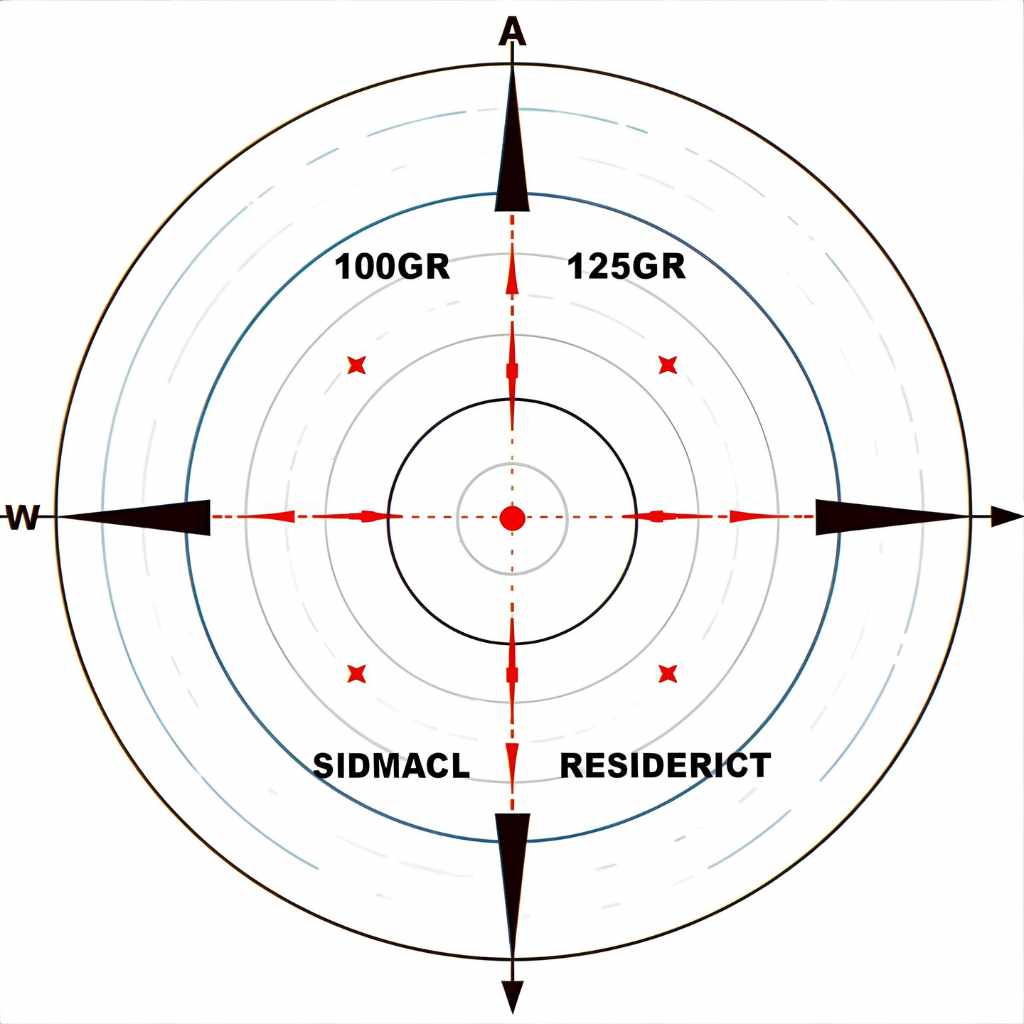
So, when we talk about “difference in aim 100gr vs 125gr,” it’s about how much you need to adjust your sight or aim point at different distances. If you’re shooting a 100-grain bolt, you’ll likely have to compensate more for its drop at, say, 30 yards than you would with a 125-grain bolt.
Practical Differences on the Range
Let’s put these physics concepts into practical terms that you’ll notice when you’re shooting. Imagine you have two identical crossbows, and you’re shooting two types of bolts: one with a 100-grain point and one with a 125-grain point. Your crossbow manufacturer will usually recommend a minimum bolt weight for optimal performance and safety. Always check your owner’s manual for this information. For instance, Barnett crossbows often suggest minimum bolt weights, and using bolts that are too light can be dangerous.
Accuracy and Consistency
For beginners, consistency is key. When you find a bolt weight that your crossbow likes, stick with it for practice. You’ll develop a feel for your trajectory.
- 100gr Bolts: Might feel “snappier” or faster. Some archers find certain crossbows shoot slightly more accurately with lighter bolts due to higher initial velocity, but this can come at the cost of increased drop.
- 125gr Bolts: Often provide a more forgiving shot, especially at longer ranges. The reduced drop means that small aiming errors are less likely to result in a complete miss. Many hunters prefer heavier bolts for their increased kinetic energy and penetration.A great resource for understanding the performance of different arrow/bolt weights for archery in general can be found through organizations like the USA Archery website, which often has performance guides discussing the factors involved in arrow flight.
Penetration and Energy Retention
This is a significant factor, especially for hunters. Energy is what makes your bolt do its job when it hits the target. Kinetic energy is calculated by a formula that involves both mass and velocity. While a lighter bolt is faster, a heavier bolt, even if slower, can carry more momentum and often retains more energy at longer distances. This is crucial for ethical hunting, ensuring a clean and quick harvest.Consider this:
100gr Bolts: Might have higher initial kinetic energy because velocity plays a larger role in the calculation. However, they lose speed and energy more rapidly downrange due to air resistance. - 125gr Bolts: Will have slightly lower initial kinetic energy but lose it more slowly. At typical hunting distances (say, 20-40 yards), they often deliver more impactful energy and momentum upon arrival. This means a 125-grain bolt is generally considered superior for penetration power, which is why many hunters choose them.
- Flatter trajectory is helpful for making accurate shots when the animal is not perfectly positioned.
- The slight loss in speed is less of a concern than ensuring the bolt has the energy to pass through the vital organs.
- 125gr bolts are also excellent for target shooting, providing a more forgiving trajectory out to longer distances and helping you build consistent shooting habits. You might find your groups tighten up with heavier bolts due to their more stable flight.
- If you’re just starting, using the same weight bolt as you plan to use for hunting is often a good idea so you practice with your “real world” setup.
- Trajectory: How much does each one drop at 20, 30, and 40 yards?
- Feel: Does one feel more stable or comfortable to shoot from your crossbow?
- Void Your Warranty: Most manufacturers will not cover damage caused by using improperly weighted bolts.
- Create a Safety Hazard: A damaged crossbow can fail during operation, leading to injury to the shooter or bystanders. You can find this information in your crossbow’s owner’s manual. If you’ve lost it, a quick search online for your specific model should get you the details. For beginners, starting with the manufacturer’s recommended bolt weight and points is the safest and most straightforward approach. Once you’re more experienced, you can experiment with slightly heavier arrows if your crossbow setup allows and your manual permits.Some crossbow manufacturers, like TenPoint Crossbow Technologies, provide extensive resources on their websites detailing recommended accessories and bolt specifications to ensure optimal performance and safety for their products. Understanding these specifics is crucial for responsible archery hunting and target practice.
Noise and Vibration
The weight of the bolt can also affect the sound and feel of your crossbow’s shot. Heavier bolts tend to absorb more of the bow’s energy, leading to a quieter and smoother shot with less vibration. This is because the slower-moving, heavier mass is being accelerated, and the energy transfer is more gradual. Lighter, faster bolts can sometimes create a sharper “crack” sound and more felt vibration, as the energy is imparted very quickly to a light mass.For practice, this might not be a huge concern. But for hunting, a quieter shot helps because the animal is less likely to react until after the bolt has struck.
Choosing the Right Bolt Weight for You
So, how do you decide between 100gr and 125gr points? It’s not a one-size-fits-all answer. Here’s a guide to help you make the best choice:
Consider Your Crossbow’s Specifications
This is the most important step. Every crossbow is designed to work with a certain range of bolt weights. Your crossbow’s manufacturer will specify a minimum bolt weight. Shooting a bolt that is lighter than this minimum can void your warranty and, more critically, can cause unsafe stress on your crossbow’s limbs and firing mechanism. This is known as “dry firing” damage. Always consult your crossbow’s manual. A quick search online for your crossbow model plus “minimum bolt weight” should give you this critical information.
Your Intended Use: Hunting vs. Target Shooting
For Hunting:
Penetration is paramount. Most experienced hunters opt for heavier bolts (125gr or even more) for their superior downrange energy and penetration. This leads to more ethical shots.
For Target Shooting:
100gr bolts might be a good choice if your primary goal is speed and flatter trajectory at shorter distances. Some competitive target shooters might prefer the speed.
Testing and Tuning
The best way to know for sure is to shoot both! If your crossbow allows for it (and it’s safe to do so according to your manual), try a few shots with 100-grain points and a few with 125-grain points. Pay attention to:
Group size: Which one shoots tighter groups at your common shooting distances?
Many archery shops and ranges will also have chronograph services that can measure the exact speed of your bolts, which can be fascinating to see. Organizations like the Impact Archery blog often discuss tuning and performance factors related to arrow and bolt weight.
Safety First When Choosing Bolt Weight
| Feature100 Grain Point (Lighter Bolt)125 Grain Point (Heavier Bolt)Velocity (Speed)Higher leaving the crossbowLower leaving the crossbowTrajectoryMore noticeable drop; steeper arcFlatter flight path; less drop at distanceMomentumLowerHigherEnergy RetentionReticence fasterRetains energy better at longer distancesPenetration PowerGenerally lessGenerally moreNoise/VibrationPotentially morePotentially less; quieter and smoother feelWind DriftSlightly more susceptibleSlightly less susceptibleIdeal ForSome target applications, speed optimizationMost hunting applications, stability, downrange energy, penetration |
|---|
I cannot stress this enough: always adhere to your crossbow manufacturer’s minimum bolt weight recommendations. Using bolts that are too light can:
Damage Your Crossbow: It can cause serious damage to the limbs, cams, and string, leading to costly repairs or rendering the crossbow unusable and unsafe.
Common Questions About Bolt WeightWhat happens if I shoot a bolt that’s too light?
Shooting a bolt that’s too light is dangerous. It can cause significant damage to your crossbow’s limbs, cams, and string, potentially leading to catastrophic failure during operation and a voided warranty. Always use bolts that meet or exceed your crossbow’s minimum weight requirement.
Does bolt weight affect accuracy more than other factors?
Bolt weight is a significant factor, but it’s one of many. Proper arrow spine (stiffness relative to the bow’s draw weight and speed), fletching, and your shooting form are also critical for accuracy. However, choosing the right weight that your crossbow is designed for is fundamental for consistent and safe performance.
Can I mix and match bolt weights?
For practice, it’s best to stick with one consistent bolt weight that you’ve determined is appropriate for your crossbow. Mixing weights means you’ll have different trajectories, making it harder to learn your sight settings and develop consistent aim. For hunting, you absolutely must use the same weight bolt consistently.