Difference in Barnett Crossbows: Essential Guide
Understanding the difference in Barnett crossbows means looking at speed, draw weight, size, features, and price. Barnett offers models for beginners, hunters, and competitive shooters, each with unique benefits. This guide helps you find the perfect Barnett crossbow for your needs.

BARNETT
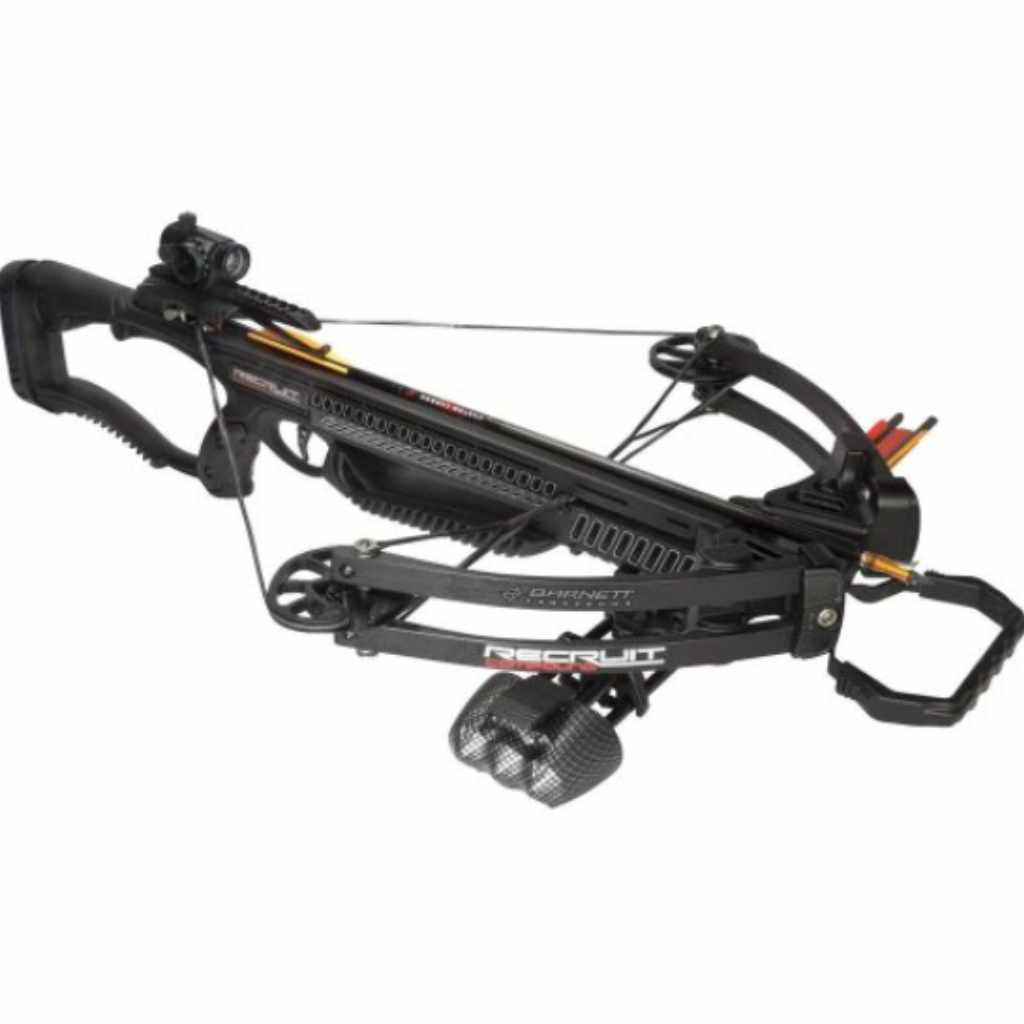
Barnett Recruit XP Crossbow Package, Compact Crossbow…
- BARNETT EXPLORER RECRUIT XP CROSSBOW: Compound crossbow with complete hunting accessory package in Gray. This Barnett crossbow is…
- DURABLE: The Recruit was built to be fun to shoot yet lethal to hunt with. With a 330 FPS rating, it sends arrows at speeds rivali…
- SAFETY FEATURES: Barnett put safety first. Featuring a Soft Lok Floating Bristle Arrow Retainer, Anti-Dry Fire (ADF) Trigger Syste…
As an Amazon Associate I earn from qualifying purchases.
Choosing the right crossbow can feel like navigating a maze, especially when you’re new to the sport. Barnett is a popular name, and for good reason! They make crossbows that are powerful, reliable, and often designed with beginners in mind. But with so many models available—each with its own set of specs—it’s easy to get a little overwhelmed. What exactly makes one Barnett crossbow different from another? This guide is here to clear things up.
We’ll break down the key differences you’ll find across Barnett’s fantastic range. By the end, you’ll feel much more confident in picking the crossbow that fits you best, whether you’re aiming for the target at the range or heading out on your first hunt. Let’s make this simple and fun!
Why Barnett Crossbows Stand Out
Barnett has built a strong reputation in the archery world by focusing on innovation, quality, and accessibility. They consistently deliver crossbows that are not only effective but also user-friendly, making them a favored choice for many enthusiasts, from those just starting out to seasoned hunters.
What sets Barnett apart, especially for newcomers, is their commitment to creating crossbows that are:
- User-Friendly: Many Barnett models are designed with ease of use as a priority. This means simpler assembly, intuitive cocking mechanisms, and comfortable handling.
- Durable and Reliable: Barnett crossbows are built to last. They use quality materials and engineering, so you can trust your equipment when it counts.
- Feature-Rich: Even their entry-level models often come with advanced features that enhance performance and safety, like anti-dry fire mechanisms.
- Versatile: Barnett offers a broad spectrum of crossbows, catering to various needs like hunting, target shooting, and recreational use.
Key Differences to Consider in Barnett Crossbows
When you’re looking at different Barnett crossbows, a few core elements will always help you distinguish between them. These are the building blocks of a crossbow’s performance and suitability for different users. Let’s dive into what makes each model unique.
1. Speed (Feet Per Second – FPS)
Crossbow speed, measured in feet per second (FPS), is a crucial factor. It directly impacts how far and how fast your bolt travels. Higher FPS generally means a flatter trajectory (less holdover needed for distance) and more kinetic energy upon impact, which is important for hunting.
- Beginner Models: Typically range from 300-350 FPS. This is plenty for practice and many hunting scenarios.
- Intermediate/Advanced Models: Can range from 350 FPS up to 400+ FPS. These are for shooters who need maximum range and power.
For a beginner, a slightly lower FPS is perfectly fine and often easier to manage. Faster crossbows can sometimes be more aggressive to cock and handle.
2. Draw Weight and Draw Length
Draw Weight: This is the amount of force (in pounds) required to pull the string back to cock the crossbow. It’s a significant factor for user comfort and physical ability.
- Lower Draw Weight (e.g., 100-150 lbs): Easier to cock manually or with a cocking aid. Great for beginners or those with less physical strength.
- Higher Draw Weight (e.g., 175-200+ lbs): Generates more power and speed, but requires more effort to cock. Many modern Barnett crossbows come with cocking devices to make this manageable.
Draw Length: This is the distance the string travels when the crossbow is fired. While most crossbows have a set draw length, for some, it might be adjustable. For most users, a standard draw length works well. Barnett crossbows are generally designed for average adult draw lengths.
3. Power Stroke
The power stroke is the distance the string travels from its full (cocked) position to its resting (uncocked) position. A longer power stroke, combined with a higher draw weight, generally contributes to higher arrow velocity and energy.
- Shorter Power Stroke: Often found in more compact crossbows, these can still achieve high speeds thanks to advanced cam systems.
- Longer Power Stroke: Contributes significantly to overall power output.
Barnett often uses innovative cam systems and designs to maximize speed and power even with moderate power strokes, making their crossbows efficient.
4. Size and Weight
The physical dimensions and weight of a crossbow are important for handling, maneuverability, and transport.
- Compact Models: Lighter and narrower, making them easier to carry in the woods, maneuver in tight spaces (like treestands or blinds), and handle for extended periods.
- Larger/Heavier Models: May offer more stability and higher performance potential but can be more cumbersome.
Barnett has been at the forefront of developing more compact and lighter crossbows without sacrificing power, making them very appealing for modern hunting scenarios. For beginners, a lighter, more manageable crossbow can build confidence faster.
5. Cocking Mechanism
Cocking a crossbow means drawing the string back and locking it into the firing position. This can be done manually, with a rope cocker, or with a crank system.
- Manual Cocking: Pulling the string back by hand. This requires significant strength and is only feasible for crossbows with very low draw weights.
- Rope Cocker: A device that uses a rope to help you pull the string back more easily by leveraging your body weight. This is a common, affordable, and effective option for many Barnett models.
- Crank Cocking Device: Attaches to the stock and uses a crank to pull the string back. This requires the least physical effort and is ideal for those with limited strength or for very high draw weight crossbows.
- Pass-Through Crank: Barnett’s integrated crank cocking system, which is built into the stock for convenience and ease of use.
For beginners, especially those using a crossbow with a higher draw weight, a rope cocker or a crank system is highly recommended for safety and ease of use. Many Barnett crossbows come with at least a rope cocker, or it can be purchased separately.
6. Safety Features
Safety is paramount in archery. Barnett includes several features to help prevent accidental misfires and protect the shooter.
- Anti-Dry Fire (ADF) or Frictionless Release Technology: This mechanism prevents the crossbow from firing if there is no bolt loaded. This is a crucial safety feature that protects both the shooter and the crossbow from damage.
- Automatic Safety: Most Barnett crossbows have a safety that engages automatically when cocked. You must manually disengage it before firing.
- Finger Safety Promoters/Guard: Extended guards help keep your fingers away from the string path.
Always familiarize yourself with your crossbow’s specific safety features. You can find detailed information on specific safety mechanisms in your Barnett crossbow manual or on Barnett’s official website.
7. Included Accessories (Package Deals)
Many Barnett crossbows are sold in “package deals” or “kits.” These often include everything you need to get started, providing great value. Common accessories include:
- Rope Cocker: As mentioned, essential for consistent cocking and reduced effort.
- Crossbow Scope: Usually a multi-reticle scope for aiming at different distances.
- Quiver: Holds your bolts.
- Bolts/Arrows: Typically included are 3-4 suitable bolts.
- Arrows/Bolt Quiver: A bracket to attach the quiver to the crossbow.
- Sling: For carrying the crossbow.
Check what’s included with the specific model you’re considering. For a beginner, a complete package simplifies the purchasing process immensely.
8. Price Point
The cost of a Barnett crossbow varies significantly based on the features, materials, and performance specifications. Generally:
- Entry-Level/Beginner Models: Typically range from $300 to $500. These offer solid performance for their price and are excellent for learning.
- Mid-Range Models: Often between $500 and $800. These offer enhanced speed, better triggers, lighter weight, and more advanced construction for serious hunters and enthusiasts.
- High-End Models: Can exceed $800 to $1000+. These are for those seeking top-tier performance, advanced technologies, and premium build quality.
For someone just starting, it’s wise to begin with an entry-level or mid-range model. You can always upgrade later as your skills and needs develop.
Comparing Popular Barnett Crossbow Series (Beginner-Focused)
Barnett offers various product lines, each designed with different users in mind. For beginners and hobbyists, focusing on certain series can make the choice much clearer. Let’s look at a couple of popular lines and how they differ.
Barnett Recruit Series
The Barnett Recruit series is specifically designed to introduce new archers and hunters to the world of crossbows. They are known for their ergonomic design, ease of use, and affordability, making them ideal starter crossbows.
- Key Features: Generally lighter weight, user-friendly cocking capabilities (often with rope cocker included), good speed for most applications (typically 300-330 FPS), and reliable safety features like Anti-Dry Fire.
- Target Audience: Beginners, youth shooters (where appropriate), and budget-conscious individuals looking for a solid entry-level hunting or recreational crossbow.
- Example Model Considerations: The Recruit Terrain or older Recruit Compound models are often excellent starting points. They balance performance with a manageable draw weight and an approachable price.
Barnett Whitetail Series
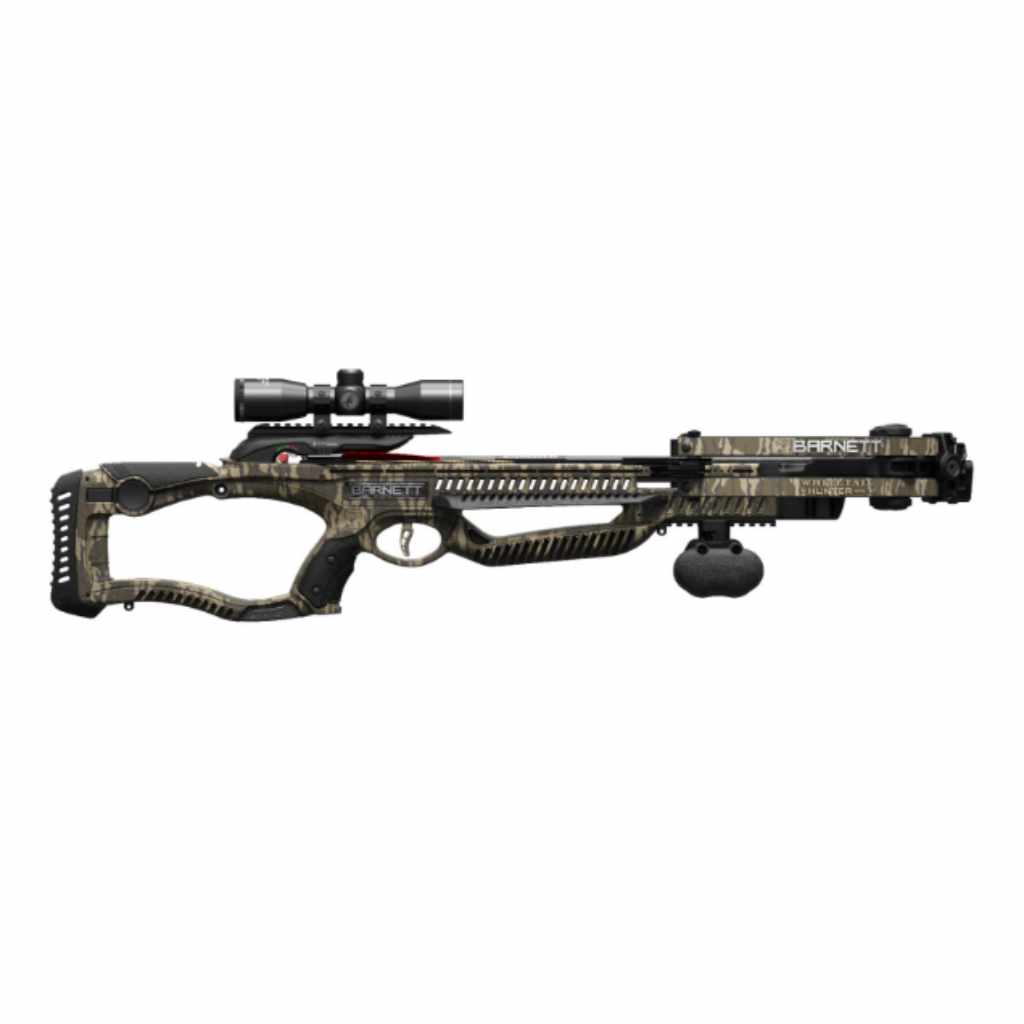
While the Whitetail series can include models for more experienced hunters, many of its offerings are also very suitable for serious beginners looking for a step up in performance and features from an entry-level model. They are often built for hunting in dense woods and offer a good blend of speed, compactness, and power.
- Key Features: Often slightly faster FPS than the Recruit series, may feature more advanced trigger systems, sometimes more compact designs for maneuverability, and robust construction for hunting durability.
- Target Audience: Serious beginners who plan to hunt regularly, intermediate hunters, and those who want a reliable hunting crossbow with better performance than basic models.
- Example Model Considerations: Models like the Whitetail Pro STR or older Whitetail Hunter can offer excellent performance. They might have higher draw weights, but often come with effective cocking aids to manage this. You’ll find they aim for improved accuracy and power transfer.
Barnett Hyper Series
The Hyper series represents a move towards higher performance, often featuring smaller diameter arrows (like Barnett’s HyperArrows) for increased speed and penetration. While powerful, some models in this series can be very suitable for those who are becoming more advanced or who want significant performance gains. However, their higher speeds and specialized arrows might require more deliberate practice.
- Key Features: Exceptional speed (often 400+ FPS), advanced arrow technology for penetration, typically more compact AXIS™ Deep Fluted™ shafts for the HyperArrows, and advanced trigger technology.
- Target Audience: Experienced hunters and target shooters who demand top-tier speed and accuracy, and are willing to invest in specialized equipment like the corresponding arrows. Beginners might find these more advanced and costly.
- Consider for Beginners?: Generally, the Hyper series is not the first choice for absolute beginners due to higher price points and the need for specialized arrows and perhaps more intense practice for optimal use. However, an advanced beginner who is committed might find a model appealing if they are serious about performance.
Essential Accessories for Your Barnett Crossbow
No matter which Barnett crossbow you choose, having the right accessories can significantly enhance your experience, safety, and performance. Here’s a rundown of essentials:
Must-Have Accessories:
- Scope: Most Barnett crossbows come with a scope, but ensure it’s properly sighted in. If you buy a bare crossbow, a good quality crossbow scope is your first priority.
- Rope Cocker or Crank Device: As discussed, essential for safe and easy cocking, especially as draw weights increase.
- Quiver: To hold your bolts (arrows) securely. Side-mount quivers are common.
- Bolts (Arrows): Use bolts specifically designed for crossbows. Check your Barnett manual for recommended length, weight, and spine. It’s wise to have at least 6-12 bolts.
- Field Points: These are the standard practice tips for your bolts.
- Broadheads: If you plan on hunting, you’ll need broadheads. Ensure they are compatible with your bolts and crossbow. Penetration is key here, especially with higher-speed crossbows.
Nice-to-Have Accessories:
- Crossbow Sling: Makes carrying easier, especially during long hikes.
- Bow Sling: A stabilizer for your crossbow to reduce vibration and noise.
- Carrying Case or Scabbard: Protects your investment during transport and storage.
- Lubrication/String Wax: Essential for maintaining your crossbow’s string and cables. Barnet recommends specific products for their crossbows. For example, using a good quality string wax regularly is vital. For guidance on crossbow maintenance, an excellent resource is the Archery Trade Association (ATA) Consumer Resources page, which offers general tips for bow care.
- Arrow Puller: Helps you retrieve arrows stuck in targets or hard surfaces.
- Shooting Rail/Rest: A stable shooting rest can improve your consistency at the range.
Getting Started: Your First Barnett Crossbow Setup
Once you’ve settled on a Barnett crossbow, the next step is to set it up and start shooting safely and effectively. Here’s a basic walkthrough:
- Unpack and Inspect: Carefully unpack your crossbow, checking for any shipping damage. Read through the entire owner’s manual before proceeding.
- Assembly (if needed): Many Barnett crossbows require minimal assembly. This usually involves attaching the riser/stirrup assembly to the stock. Follow the manual precisely.
- Attach Quiver and Scope: Mount the quiver bracket and quiver. If the scope isn’t pre-mounted, attach it to the rail according to the manufacturer’s instructions.
- Cock the Crossbow: Use the included rope cocker or crank device. Ensure you follow the anti-dry fire mechanism’s instructions and confirm the crossbow is securely cocked and safe.
- Load a Bolt: Place a bolt on the rail, ensuring the nock is properly seated in the string and the vane is oriented correctly (often with a “cock-fletch” vane up, check your manual).
- Safety Check: Double-check that the safety is engaged.
- Sighting In: This is a critical step. Start at a close distance (e.g., 10-20 yards) and fire a few shots. Adjust your scope’s windage and elevation knobs to bring your point of impact closer to your point of aim. Work your way out to longer distances (30-50 yards) as you achieve accuracy.
- Practice: Consistent practice is key to improving your accuracy and confidence.
Remember, safety is paramount at every step. Never dry fire a crossbow. Always ensure a bolt is properly loaded before cocking and firing. Many reputable archery shops can help with initial setup and sighting if you’re unsure.

Frequently Asked Questions (FAQ)
What is the main difference between Barnett’s entry-level and high-end crossbows?
Entry-level Barnett crossbows focus on simplicity, affordability, and ease of use, offering reliable performance for beginners. High-end models provide increased speed, lighter weight, more advanced triggers, premium materials, and often more compact designs for experienced hunters seeking top performance.
Are Barnettcrossbows good for left-handed shooters?
Most modern Barnett crossbows are designed to be ambidextrous, meaning they can be comfortably used by both right-handed and left-handed shooters. Features like the safety and crank mechanisms are usually positioned for easy access by either hand.
How do I choose the right FPS for hunting?
For typical deer hunting, most experts recommend a minimum of 300 FPS for adequate penetration and energy. However, higher FPS (350+ FPS) provides a flatter trajectory, making distance shooting easier and delivering more kinetic energy.
Related pick: Check today's price on Amazon